Imports can be complicated, especially when tariffs come into play. Understanding Tariff Rate Quotas (TRQs)1 is crucial for your business. TRQs can significantly impact your costs and planning. If you're importing goods into the U.S., you need to know about TRQs.
A Tariff Rate Quota allows a limited quantity of a product to enter at a lower duty rate, while quantities above the quota are subject to higher duties. Unlike standard tariffs that apply uniformly, TRQs create two duty tiers2 depending on volume.

TRQs can seem overwhelming. But knowing how they work can save you money and headaches. This blog will break down each aspect of TRQs and show how to manage their impact on your import business.
What a Tariff Rate Quota (TRQ) Is and How It Differs from Standard Tariffs?
TRQs are special tariffs that set a limit on the quantity of goods that can enter at a lower duty rate. Once the limit is reached, any additional imports are subjected to a higher rate. This differs from standard tariffs that apply a uniform rate to all imports. Understanding this difference is key to managing your costs effectively.
A Tariff Rate Quota allows a limited quantity of a product to enter at a lower duty rate, while quantities above the quota are subject to higher duties. Unlike standard tariffs that apply uniformly, TRQs create two duty tiers2 depending on volume.
To illustrate the differences, here’s a comparison:
| Feature | TRQ | Standard Tariff |
|---|---|---|
| Duty structure | Two-tier | Single rate |
| Volume limit | Yes | No |
| Cost predictability | Variable | Stable |
| Monitoring need | High | Moderate |
Understanding this table can help you anticipate costs more accurately. This knowledge is vital for cost-saving strategies in your import operations.
How TRQ Fill Levels and Allocation Rules Impact Your Duty Costs?
Duty costs can vary greatly based on TRQ fill levels3. If quota space is still available, you can benefit from lower duty rates. However, once the quota is filled, the costs can skyrocket.
Duty exposure depends on whether quota space is still available. Once a quota is filled, shipments may face significantly higher duty rates4.
Being proactive in monitoring quota fill levels is essential. It can prevent unexpected charges and help you budget your import expenses. Regular checks on quota availability will allow you to plan shipments accordingly, minimizing risks of higher duty costs.
Which Products Are Commonly Subject to U.S. Tariff Rate Quotas?
Certain products are more likely than others to be affected by TRQs. Commonly, agricultural goods5 and select industrial products fall under these quotas. This is critical for importers to be aware of.
TRQs often apply to agricultural goods5 and certain industrial products. Importers should verify whether their products fall under quota-controlled categories6.
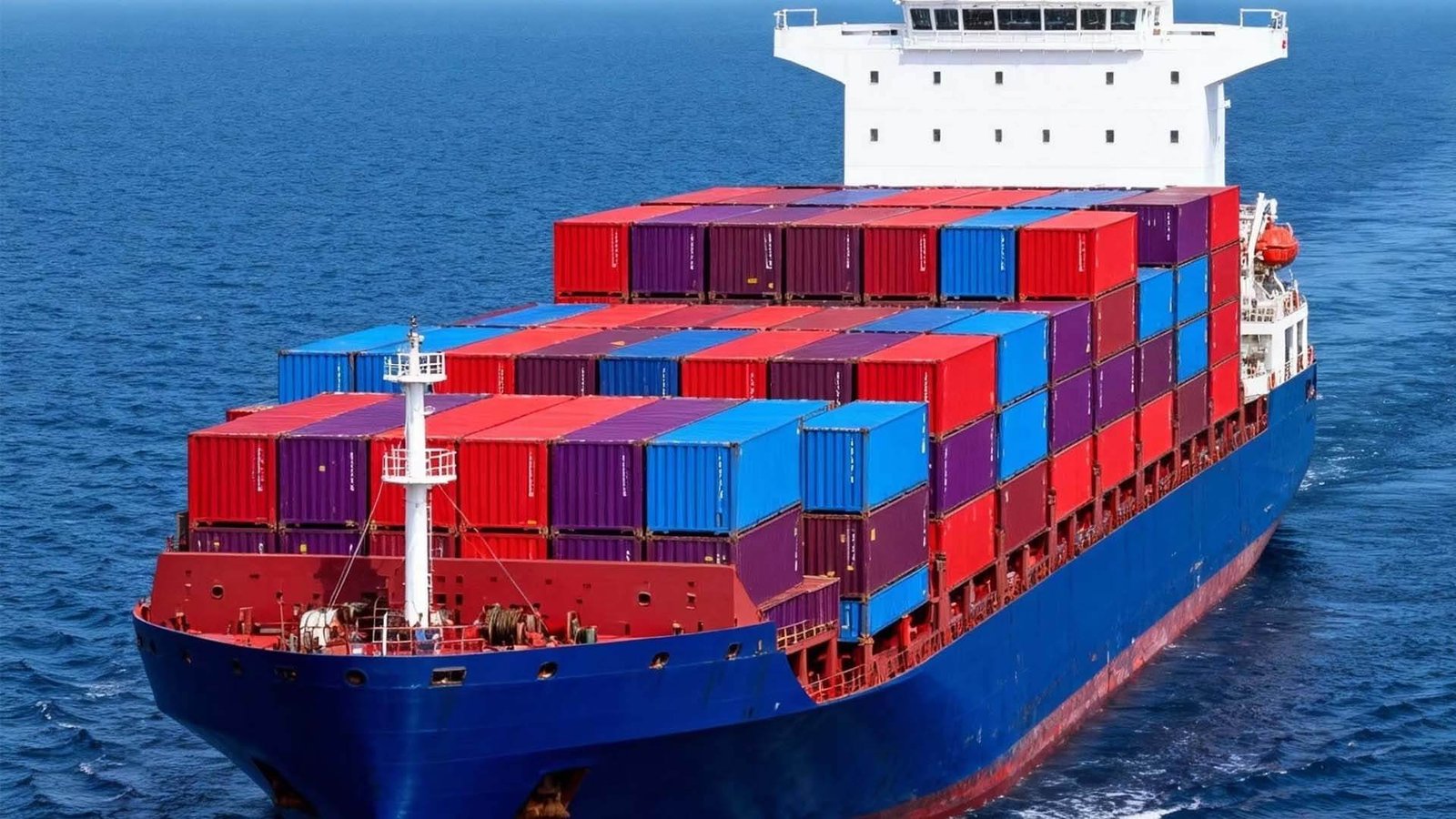
To ensure compliance and proper budgeting, always verify whether your products are subject to TRQs. Resources such as the U.S. International Trade Commission can offer guidance on which products are consistently impacted.
Entry Timing, Licensing, and Documentation Requirements for TRQ Goods
When it comes to TRQs, timing and documentation are crucial. Different products may have specific entry timing7 and may require specific documentation to comply with U.S. regulations.
TRQ imports may require specific entry timing7, proper product descriptions, and, in some cases, licensing or allocation documentation8.
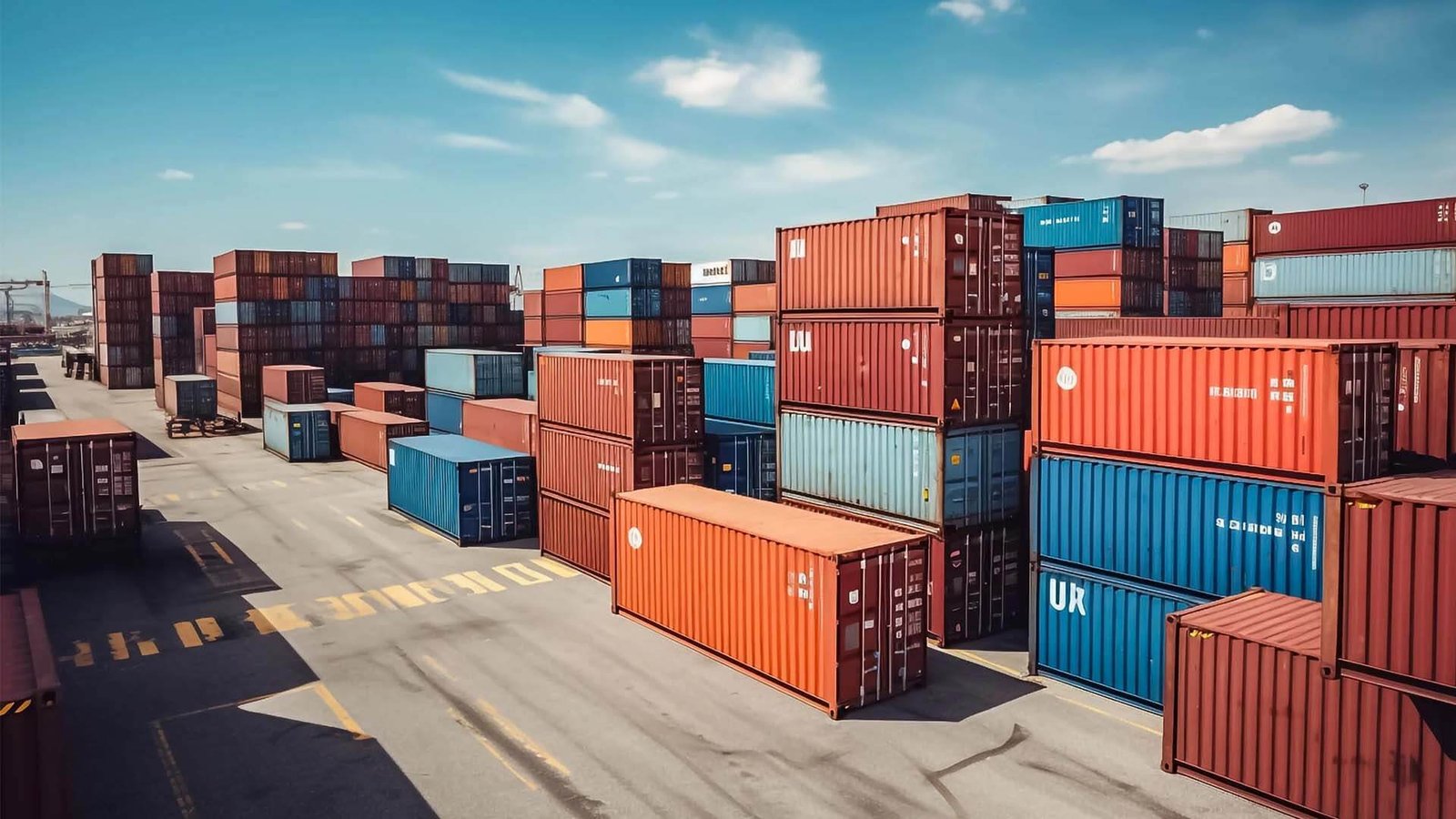
Proper documentation is essential to avoid delays and ensure compliance with U.S. customs. Missing or incorrect information can result in entry delays and increased costs. Always double-check your documentation to ensure it meets the requirements.
Financial Risks When TRQ Limits Are Reached and Higher Duty Rates Apply
Financial risk is a significant concern when dealing with TRQs. If your goods arrive after the quota has been filled, you may face much higher duty rates4.
If shipments arrive after the quota fills, the higher duty tier may apply, increasing landed cost and affecting margins.

Understanding the timing of your imports is key to avoiding higher costs. A well-planned strategy can minimize these risks. Monitoring fill levels closely and aligning your shipments accordingly can keep costs down.
TRQ Management Workflow9: Product Planning → Quota Monitoring → Entry Filing → Duty Control Strategy
Managing TRQs effectively requires a structured workflow. This includes product planning, monitoring quotas, filing entries accurately, and devising a duty control strategy10 to mitigate risks.
A proactive workflow helps importers track quota usage, align shipments with available quota space, and plan for duty exposure.
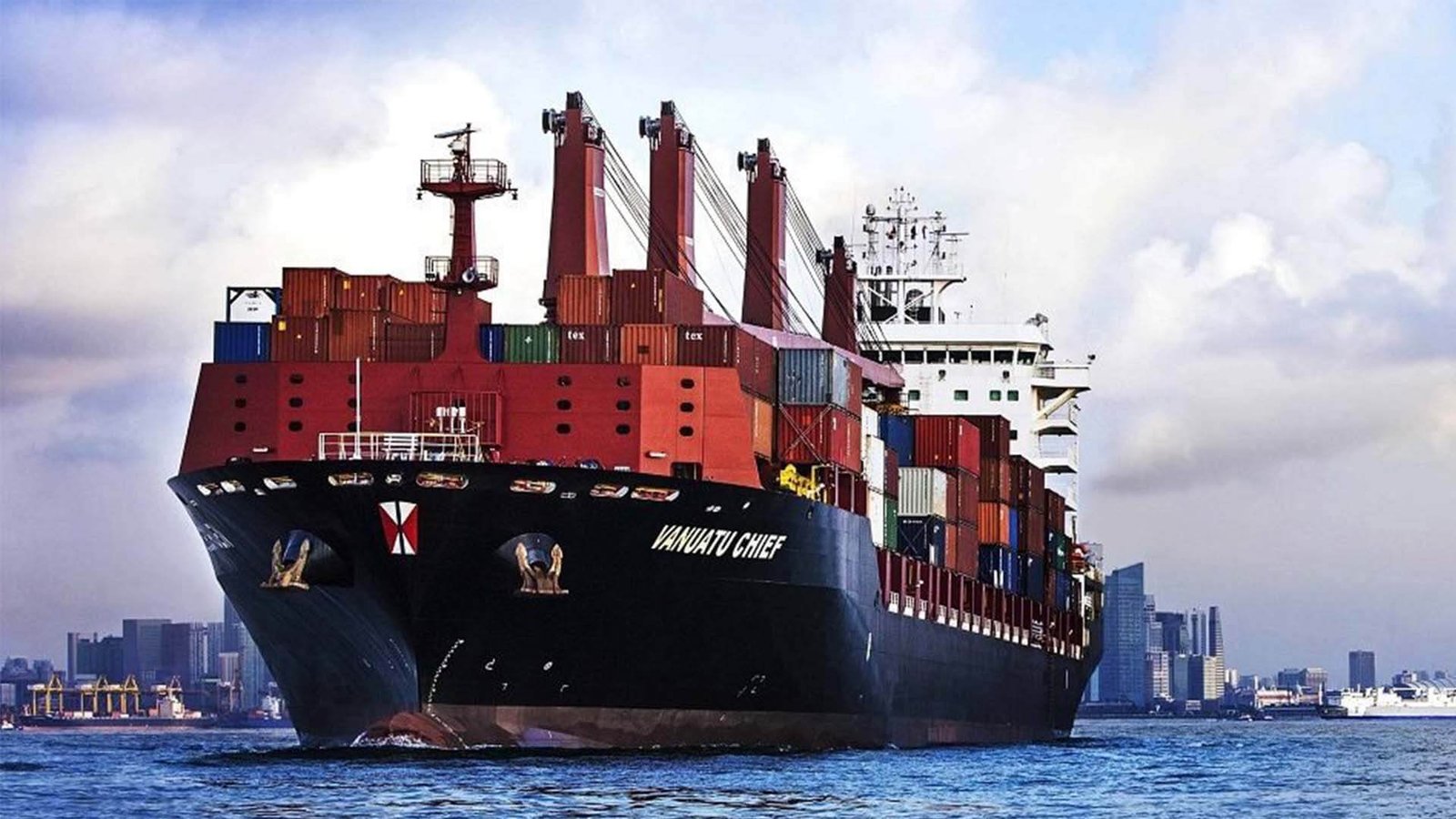
Here's a basic flow for managing TRQs:
Product Forecast → Quota Status Check → Shipment Timing → Entry Filing → Duty Tier Confirmation → Cost ReviewImplementing such a workflow can help you stay organized and proactive in managing your TRQ-related risks.
Conclusion
Understanding TRQs is vital for importers. Proper management can lead to significant savings and compliance with U.S. regulations.
Understanding TRQs can help you manage import costs effectively by knowing when lower duty rates apply. ↩
Learn how the two-tier duty system in TRQs can impact your import expenses and planning. ↩
Discover how monitoring TRQ fill levels can prevent unexpected duty charges and aid in budgeting. ↩
Learn about the financial risks of exceeding TRQ limits and how to mitigate them. ↩
Find out if your agricultural imports are affected by TRQs to ensure compliance and cost management. ↩
Identifying quota-controlled products can help in planning and avoiding unexpected costs. ↩
Explore how proper entry timing can help avoid delays and additional costs for TRQ imports. ↩
Ensure compliance by understanding the necessary documentation for TRQ goods to avoid costly delays. ↩
A structured TRQ management workflow can streamline processes and reduce financial risks. ↩
Implementing a duty control strategy can help minimize risks and manage costs effectively. ↩