Importing electric vehicles (EVs) can be a daunting task. The regulations and requirements may feel overwhelming for many. Understanding these aspects is essential for a smooth import experience.
In the U.S., importing EVs requires compliance with DOT vehicle safety rules1, EPA emissions standards2, and NHTSA certification3. Zero-emission vehicles must still meet federal motor vehicle safety standards4 (FMVSS), labeling rules, and battery transport regulations5. Non-compliance can lead to denial of entry or destruction of the vehicle.

Navigating the world of EV imports is crucial for anyone looking to streamline their importing process. With many regulations and documentation requirements, knowing how to tackle each step is vital.
What Are the Key U.S. Regulations and Compliance Standards for Importing Electric Vehicles?
Importing EVs into the U.S. involves understanding various regulations. The Department of Transportation (DOT) emphasizes vehicle safety rules. The Environmental Protection Agency (EPA) enforces emissions standards. Additionally, the National Highway Traffic Safety Administration (NHTSA) certification ensures compliance.
Compliance is not optional; even EVs must meet strict standards. Non-compliant vehicles can face significant issues, including denial of entry. The complexity of these standards can make the import process feel daunting.
In short, EV import regulations are critical. They ensure that all vehicles entering the U.S. adhere to safety and environmental standards. Understanding these regulations is the first step for any importer.

To avoid complications, you need to familiarize yourself with key compliance standards. These include testing, documentation, and ongoing compliance checks. A lack of knowledge can lead to costly mistakes.
Dive Deeper into U.S. Regulations
To effectively navigate the regulatory landscape, it's important to break down the major standards that affect EV imports:
- DOT Standards: Ensure the vehicle is safe to drive. It must meet various regulations that apply to all vehicles.
- EPA Regulations: Confirm that the vehicle does not exceed emissions limits. While EVs are cleaner, they must still comply with standards.
- NHTSA Certification: This certification is crucial for the import process. It verifies that the vehicle complies with U.S. safety laws.
By understanding these standards, importers can avoid pitfalls. They can also ensure that their vehicles are compliant before they even reach U.S. shores.
How to Classify Electric Vehicles Under the Correct HTS Code and Calculate Import Duties?
Correct classification of EVs is vital. They typically fall under Chapter 87 of the Harmonized Tariff Schedule (HTS). This classification helps determine the applicable duty rates.
EVs are classified mainly as passenger motor vehicles powered by electric motors. Duty rates can differ based on vehicle type and origin. Incorrect classification may result in penalties or audits.

Classifying vehicles correctly can save time and money. It allows importers to avoid penalties that can arise from misclassification. Understanding HTS code6s is a crucial part of the import process.
Dive Deeper into HTS Classification and Duties
To better understand HTS classification, consider the following breakdown:
| Vehicle Type | Typical HTS Range | Notes | Risk of Misclassification |
|---|---|---|---|
| Passenger Electric Vehicle | 8703.80 | Includes most electric cars | High |
| Electric Bicycles | 8712.00 | Different classification altogether | Medium |
| Specialized Electric Trucks | 8704.23 | May have different duty rates | High |
Understanding how to classify vehicles under the right HTS code6 is essential for any importer. This knowledge helps in calculating the correct duties and avoiding unexpected costs.
What Documentation and Certifications Are Required for EV Imports?
Documentation is crucial. EV imports require various forms of paperwork. This includes the commercial invoice7, bill of lading, and entry summary. Additionally, you'll need specific EPA and DOT forms.
Required documents include the EPA form 3520-18, DOT HS-7 form9, and manufacturer compliance certificates10. Missing documentation is a common cause of customs delays.

To streamline the import process, be diligent about gathering all documents. Inconsistent or missing paperwork is one of the leading causes of delays and additional costs.
Dive Deeper into Required Documentation
Here's a checklist of essential documents for importing EVs:
- EPA Declaration: Confirms compliance with environmental standards.
- DOT/NHTSA HS-7: Ensures safety regulations are met.
- Manufacturer Compliance Letter: Validates that the vehicle adheres to U.S. standards.
- Battery Safety Documentation: Required for transport of hazardous materials.
- Bill of Lading: A critical document for shipping.
- Commercial Invoice: Necessary for customs clearance.
Completing this checklist ensures that you're prepared and can avoid unnecessary delays when importing EVs.
Step-by-Step Process for Importing Electric Vehicles from China to the U.S.
Successfully importing EVs involves several steps. The process includes supplier compliance verification11 and booking ocean freight. You'll also need to manage export documentation and U.S. customs filing12.
The import process has many stages, including regulatory review and duty payment. Early compliance checks can prevent clearance delays and additional costs.

Each step must be handled with attention to detail. Skipping steps or neglecting compliance checks can lead to significant issues later on.
Dive Deeper into the Import Process
Here’s a structured flow of the EV import process:
- Supplier Compliance Check: Verify that the supplier meets all regulations.
- Pre-Shipment Compliance Check: Conduct thorough checks on documentation and standards.
- Book Ocean Freight: Arrange shipping logistics.
- Port Arrival: Ensure timely arrival to avoid storage fees.
- Customs Filing: Submit necessary documents for clearance.
- EPA/DOT Review: Undergo regulatory checks.
- Release and Delivery: Final delivery to your location.
Understanding this flow helps importers navigate the process efficiently. It also ensures compliance at every stage.
Common Challenges When Importing Electric Vehicles and How to Mitigate Risks
Importing EVs comes with challenges. High regulatory scrutiny and battery hazmat rules complicate the process. Classification disputes and documentation errors are other significant issues.
Working with a licensed customs broker13 can help reduce risks. It minimizes seizure risks and prevents costly duty overpayments.

Identifying potential challenges ahead of time can help you prepare. Knowing what to expect makes the process smoother and more manageable.
Dive Deeper into Common Challenges
Here's a risk matrix highlighting common challenges:
| Risk | Cause | Impact | Mitigation |
|---|---|---|---|
| Non-compliant model | FMVSS failure | Refusal of entry | Pre-shipment compliance check |
| Battery declaration errors | Missing UN info | Hazmat hold | Verified battery docs |
| Wrong HTS code6 | Misclassification | Penalties | Broker review |
Understanding these risks can help you take proactive measures. Being aware of potential pitfalls allows you to create strategies for successful imports.
How to Ensure Compliance with EPA, DOT, and NHTSA Requirements When Importing EVs
Compliance is a team effort. Coordination between importers, manufacturers, and customs brokers is essential. Importers must ensure that vehicles meet U.S. standards prior to shipment.
Post-arrival fixes can be limited and costly. Therefore, verifying compliance early is crucial.
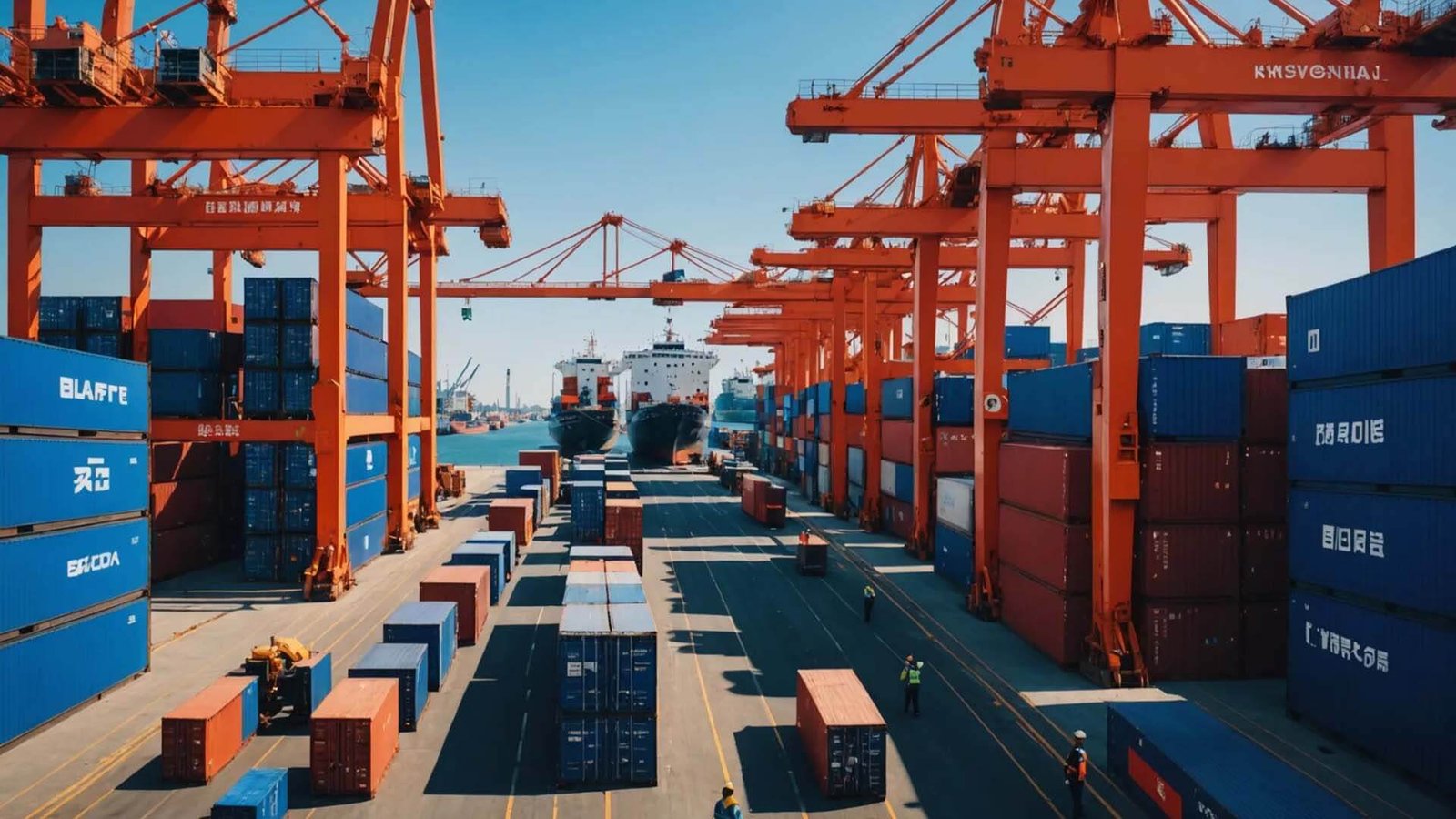
Effective collaboration reduces risks and ensures smooth processing of EV imports. Understanding the roles of each party helps streamline operations.
Dive Deeper into Compliance Management
Here’s how my team manages compliance effectively:
- Regulatory Document Review: We carefully check all necessary documentation for compliance.
- Customs Entry Filing: Ensuring timely and accurate filing to avoid delays.
- Duty Calculation: We calculate all applicable duties upfront.
- Port Clearance Coordination: Our team coordinates with customs for smooth clearance.
This comprehensive approach minimizes risks and ensures that all imported EVs comply with U.S. regulations.
Conclusion
Understanding the EV import process is essential for anyone looking to navigate the complexities of importing electric vehicles14 into the U.S. Compliance with regulations ensures a smoother import experience.
Knowing these rules ensures that imported EVs meet safety standards, avoiding entry denial. ↩
Compliance with emissions standards is essential for legal importation and environmental responsibility. ↩
NHTSA certification is crucial for ensuring that EVs meet U.S. safety laws, preventing import issues. ↩
These standards ensure that all vehicles, including EVs, are safe for U.S. roads. ↩
Understanding these regulations is vital for the safe and legal transport of EV batteries. ↩
Correct classification under HTS codes is essential to avoid penalties and ensure proper duty calculation. ↩
A commercial invoice is crucial for customs clearance and avoiding delays in the import process. ↩
This form confirms compliance with environmental standards, essential for legal importation. ↩
The DOT HS-7 form ensures that imported vehicles meet U.S. safety regulations. ↩
These certificates validate that the vehicle adheres to U.S. standards, preventing import issues. ↩
Ensuring supplier compliance helps prevent regulatory issues and import delays. ↩
Proper customs filing is essential to avoid delays and ensure smooth importation. ↩
A customs broker can help navigate complex regulations, reducing risks and ensuring compliance. ↩
Understanding the import process is crucial for a smooth experience and compliance with U.S. regulations. ↩