
The first paragraph, which uses PAS formula to grab the reader's attention (max 30 words). A manifest hold1 can be a major headache for importers, causing delays and unexpected costs. Understanding its implications is key to avoiding disruption in your supply chain.
second paragraph at the beginning, answering the question posed by the title, this paragraph must be HELPFUL to the reader and will be used later to compete for Google's Featured Snippets. (max 50 words) A manifest hold1 occurs when U.S. Customs and Border Protection (CBP)2 holds your shipment due to documentation issues3. This can result in delays and additional fees, making it crucial to understand how to manage it effectively.
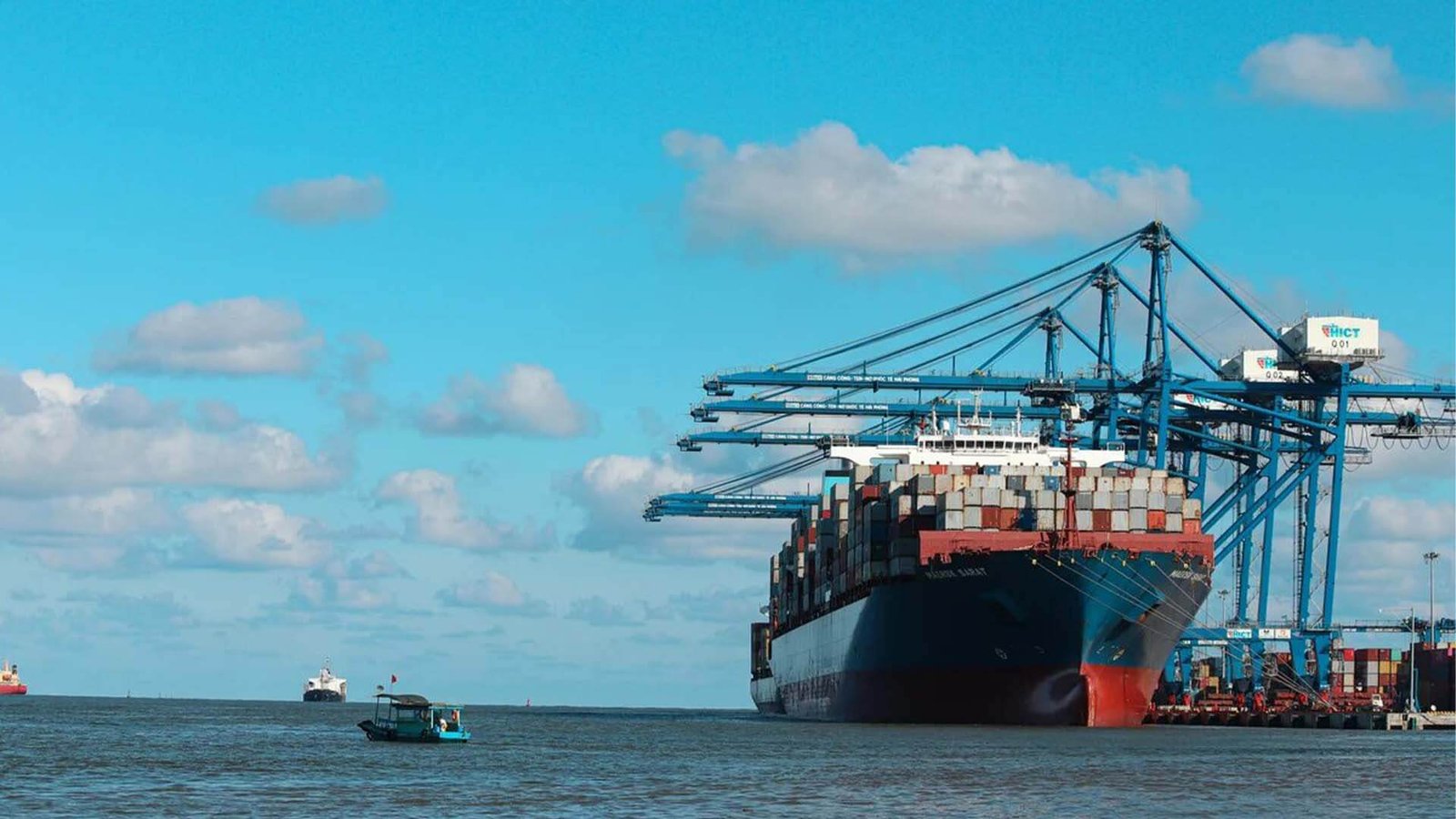
The paragraph that begins and ends with a paragraph that will keep the customer from reading further. Navigating the complexities of freight shipping can be daunting. One of the most common issues faced by importers is the manifest hold1. This issue can lead to significant delays and frustrations, but with the right knowledge, you can minimize its impact.
Bill of Lading Retention
The first paragraph, which uses the PAS strategy to grab the reader's attention (max 30 words). Bill of lading retention4 is a key concept that can halt your freight process. Knowing the details can save you time, money, and hassle with your shipments.
The second paragraph, which answers the question posed by the headline, is the paragraph that will be used later to compete for Google's Featured Snippets. (max 50 words) Bill of lading retention4 refers to a seller's right to retain control5 of cargo until payment is confirmed. This arrangement can directly impact the timeliness of cargo release, leading to potential delays for importers.
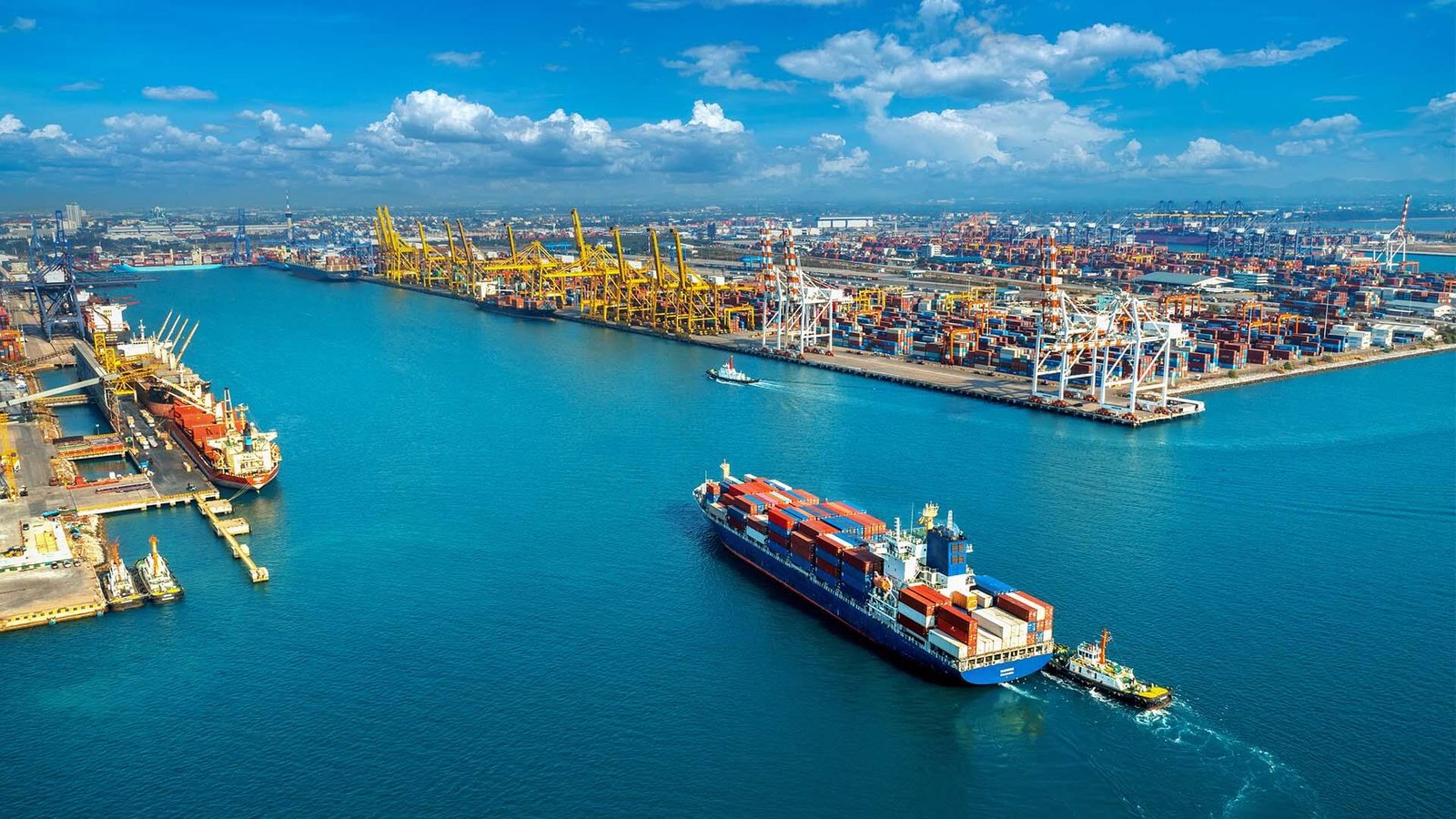
Based on the secondary headings, continue to extend and go deeper, can use critical thinking, to break down the question, to help the reader understand more deeply, need to use the tertiary headings, and Markdown formatting tables to express the ideas in a more structured way. (around 150 words)
Understanding Bill of Lading Retention
The bill of lading (B/L) is a critical document in shipping. It serves as proof of ownership6 and a contract between the shipper and the carrier. When retention applies, the seller withholds the original B/L until payment is made. This creates a scenario where even if your cargo has arrived, you can't access it until specific conditions are met.
Here's a breakdown of how this can affect you:
| Impact | Description |
|---|---|
| Delays in Cargo Release | Goods can be stuck at the port until the B/L is released. |
| Additional Fees | Importers may incur demurrage and storage fees7 for delayed pickups. |
| Control Issues | Without the B/L, importers lose access to their cargo entirely. |
Understanding these factors helps importers navigate the complexities of bill of lading retention.
How Bill of Lading Retention Affects Your Cargo?
The first paragraph, which uses the PAS strategy to grab the reader's attention (max 30 words). Bill of lading retention4 can turn a smooth shipping process into a logistical nightmare. Delays and costs can quickly add up if you aren’t prepared.
The second paragraph, which answers the question posed by the headline, is the paragraph that will be used later to compete for Google's Featured Snippets. (max 50 words) Bill of lading retention4 affects cargo delivery by delaying access until payment conditions are satisfied. This can lead to costly demurrage fees, as well as a lack of control over your goods during the retention period.

Based on the secondary headings, continue to extend and go deeper, can use critical thinking, to break down the question, to help the reader understand more deeply, need to use the tertiary headings, and Markdown formatting tables to express the ideas in a more structured way. (around 150 words)
The Effects of Bill of Lading Retention on Importers
The retention of a bill of lading can create substantial challenges for importers. For instance, once your cargo has arrived at the U.S. port, you may not have access to it until the seller provides the original bill of lading. This can lead to several significant issues:
| Challenge | Description |
|---|---|
| Delayed Cargo Retrieval | Importers cannot retrieve their cargo immediately. |
| Increased Costs | Extra charges from demurrage and storage accumulate quickly. |
| Loss of Control | Importers cannot manage or sell their cargo during retention. |
These challenges illustrate the importance of understanding the terms of your bill of lading to prevent unwanted delays and expenses.
How to Avoid Issues Caused by Bill of Lading Retention?
The first paragraph, which uses the PAS strategy to grab the reader's attention (max 30 words). Navigating the pitfalls of bill of lading retention can be tricky. But with the right strategies, you can avoid numerous headaches and delays.
The second paragraph, which answers the question posed by the headline, is the paragraph that will be used later to compete for Google's Featured Snippets. (max 50 words) To avoid issues from bill of lading retention, confirm payment terms upfront with suppliers, consider using letters of credit8 for secure transactions, and understand the release conditions of your bill of lading9.
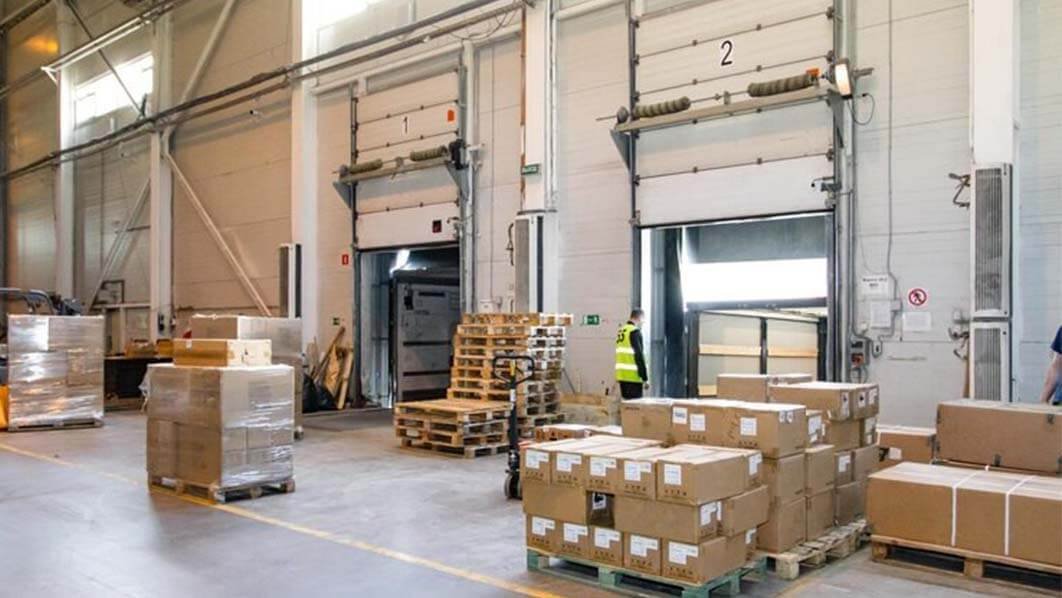
Based on the secondary headings, continue to extend and go deeper, can use critical thinking, to break down the question, to help the reader understand more deeply, need to use the tertiary headings, and Markdown formatting tables to express the ideas in a more structured way. (around 150 words)
Preparing Against Bill of Lading Retention Issues
To successfully navigate bill of lading retention, importers must take proactive measures. Here are some steps that can help prevent issues:
| Action | Details |
|---|---|
| Confirm Payment Terms | Discuss and agree upon payment conditions with suppliers before shipment. |
| Utilize Letters of Credit | These secure payment methods ensure that funds are available upon meeting defined conditions, protecting both parties. |
| Understand Release Conditions | Know the specific requirements for releasing the bill of lading, preventing last-minute surprises. |
These precautions can significantly reduce the risk of encountering problems related to bill of lading retention.
How to Manage Cargo Detention During Bill of Lading Retention?
The first paragraph, which uses the PAS strategy to grab the reader's attention (max 30 words). Cargo detention can be a stressful experience for importers. Knowing how to manage it effectively can make a significant difference.
The second paragraph, which answers the question posed by the headline, is the paragraph that will be used later to compete for Google's Featured Snippets. (max 50 words) To manage cargo detention10 during bill of lading retention, arrange for storage and transport in advance, estimate potential extra fees, and maintain communication with your freight forwarder for updates on B/L release.
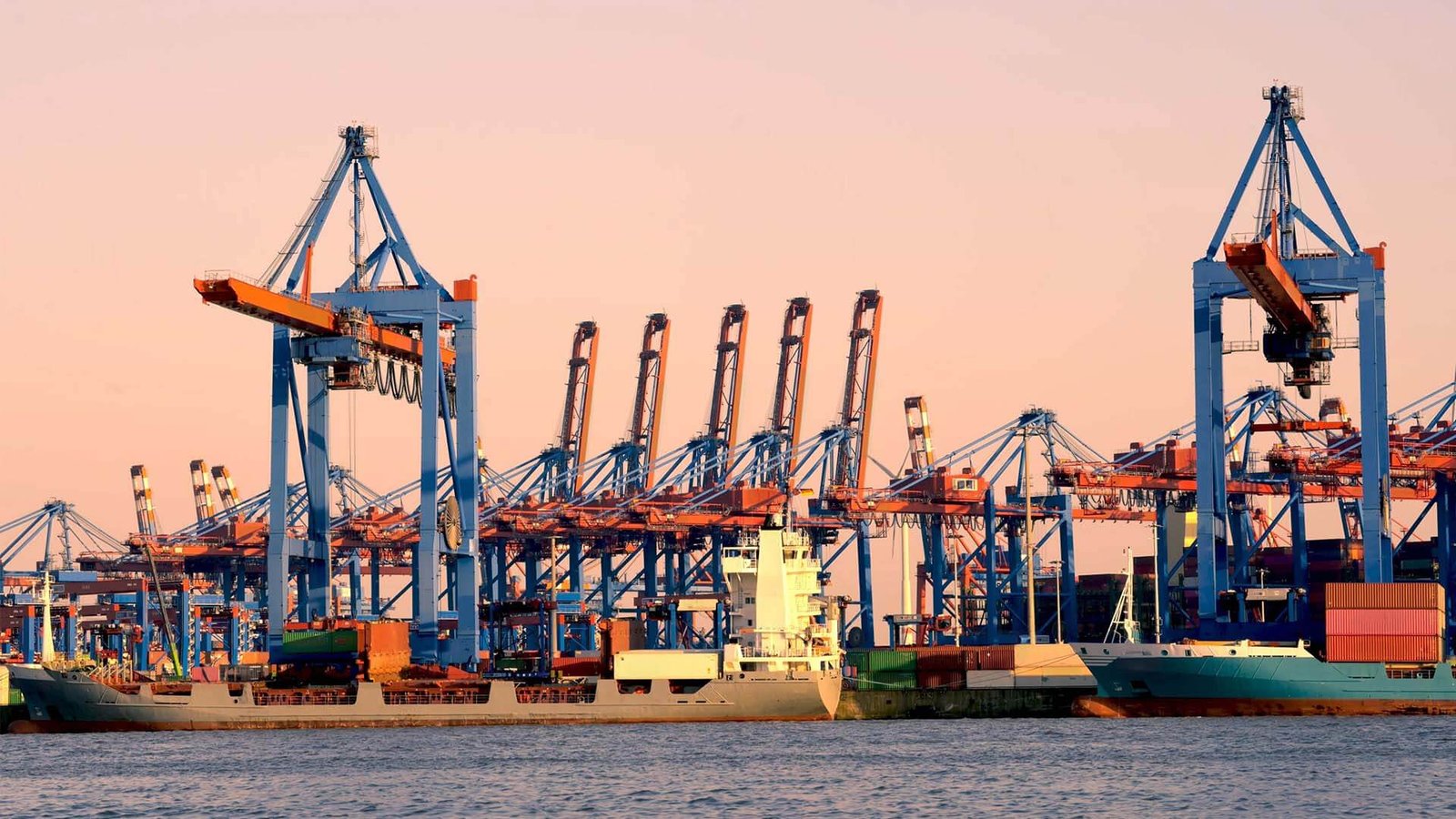
Based on the secondary headings, continue to extend and go deeper, can use critical thinking, to break down the question, to help the reader understand more deeply, need to use the tertiary headings, and Markdown formatting tables to express the ideas in a more structured way. (around 150 words)
Effective Management of Cargo Detention
Effective management of cargo detention10 can minimize additional costs and ensure a smoother process during bill of lading retention. Here are some tactical approaches:
| Strategy | Description |
|---|---|
| Arrange Storage and Transport | Secure warehouse space and transport in advance to reduce wait times. |
| Understand Additional Costs | Be aware of potential demurrage and storage fees7 to prevent financial strain. |
| Communicate with Freight Forwarder | Stay in close contact with your freight forwarder to stay updated on the status of your bill of lading release. |
By following these steps, importers can better navigate the challenges presented by cargo detention10.
How to Avoid Unnecessary Risks Caused by Bill of Lading Retention?
The first paragraph, which uses the PAS strategy to grab the reader's attention (max 30 words). The risks linked with bill of lading retention can be daunting. However, with the right strategies, you can significantly mitigate these risks.
The second paragraph, which answers the question posed by the headline, is the paragraph that will be used later to compete for Google's Featured Snippets. (max 50 words) To minimize unnecessary risks caused by bill of lading retention, clarify contract terms, ensure timely payments11, and work with trustworthy suppliers to maintain a smooth shipping process.
Based on the secondary headings, continue to extend and go deeper, can use critical thinking, to break down the question, to help the reader understand more deeply, need to use the tertiary headings, and Markdown formatting tables to express the ideas in a more structured way. (around 150 words)
Reducing Risks of Bill of Lading Retention
Reducing the risks associated with bill of lading retention requires careful planning. Here are some best practices:
| Best Practices | Description |
|---|---|
| Clarify Contract Terms | Clearly define payment terms and release conditions in your contract to avoid misunderstandings. |
| Ensure Timely Payments | Maintain regular communication with your suppliers to ensure payments are made on time, preventing retention issues. |
| Choose Reliable Suppliers | Work with experienced, reputable suppliers who adhere to contract details, minimizing the likelihood of complications. |
Incorporating these practices into your logistics strategy can significantly reduce risks and enhance your shipping experience.
Conclusion
Understanding bill of lading retention is essential for avoiding delays and extra fees during the freight process. Clear communication and careful planning can help manage these challenges effectively.
Understanding manifest hold can help you avoid delays and unexpected costs in your supply chain. ↩
Learn how CBP's regulations can impact your shipments and how to comply with them. ↩
Discover how proper documentation can prevent shipment delays and additional fees. ↩
Understanding bill of lading retention can save you time and money in your shipping process. ↩
Learn how a seller's control over cargo can impact your shipment's timeliness. ↩
Find out how proof of ownership affects your ability to access and manage your cargo. ↩
Learn about the costs associated with delayed cargo retrieval and how to avoid them. ↩
Discover how letters of credit can secure transactions and protect both buyers and sellers. ↩
Understand the requirements for releasing a bill of lading to prevent shipment delays. ↩
Learn strategies to effectively manage cargo detention and minimize additional costs. ↩
Learn how timely payments can prevent retention issues and ensure smooth cargo release. ↩