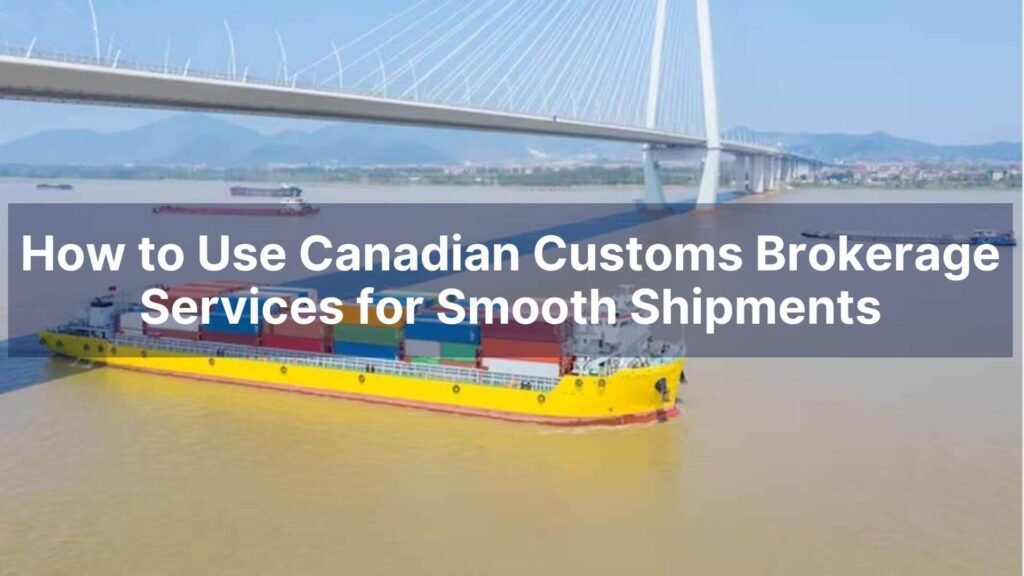
The first step to ensure your shipments pass through Canadian customs smoothly is understanding the systems in place and what is required from you.
Using Canadian customs brokerage services1 is essential for smooth shipments. Learn how to navigate the process effectively by following the right steps.

Understanding the customs process can seem overwhelming, but taking it step by step makes it manageable. I’ve seen many importers struggle with customs clearance, but with proper knowledge and assistance, it can become a straightforward task.
Understand Canada’s Customs System and Declaration Requirements
Knowing how Canada’s customs system works is key for any importer. It ensures that you don’t run into unexpected delays when your shipment arrives.
Canada’s customs system is regulated by the Canada Border Services Agency (CBSA)2. You must submit accurate customs declaration documents3 and pay applicable duties and taxes4 on time.
Understanding the HS code is vital for determining your goods' duty rates. The Harmonized System (HS) code5 classifies goods for customs purposes. Each type of product has its own code, which affects the tariff rate. You can find your goods' HS code on the Canada Customs website.
A common mistake is not knowing which documents need to accompany your shipment. This can delay the process, leading to additional costs. I remember a time when a shipment was held up simply due to missing paperwork.
Choose the Right Customs Broker
The right customs broker can make all the difference in your shipping experience. They are your go-to experts who handle the complexities of customs clearance.
A good customs broker will communicate effectively, submit necessary documents, and ensure compliance with regulations. Choose one with experience to avoid delays and penalties.
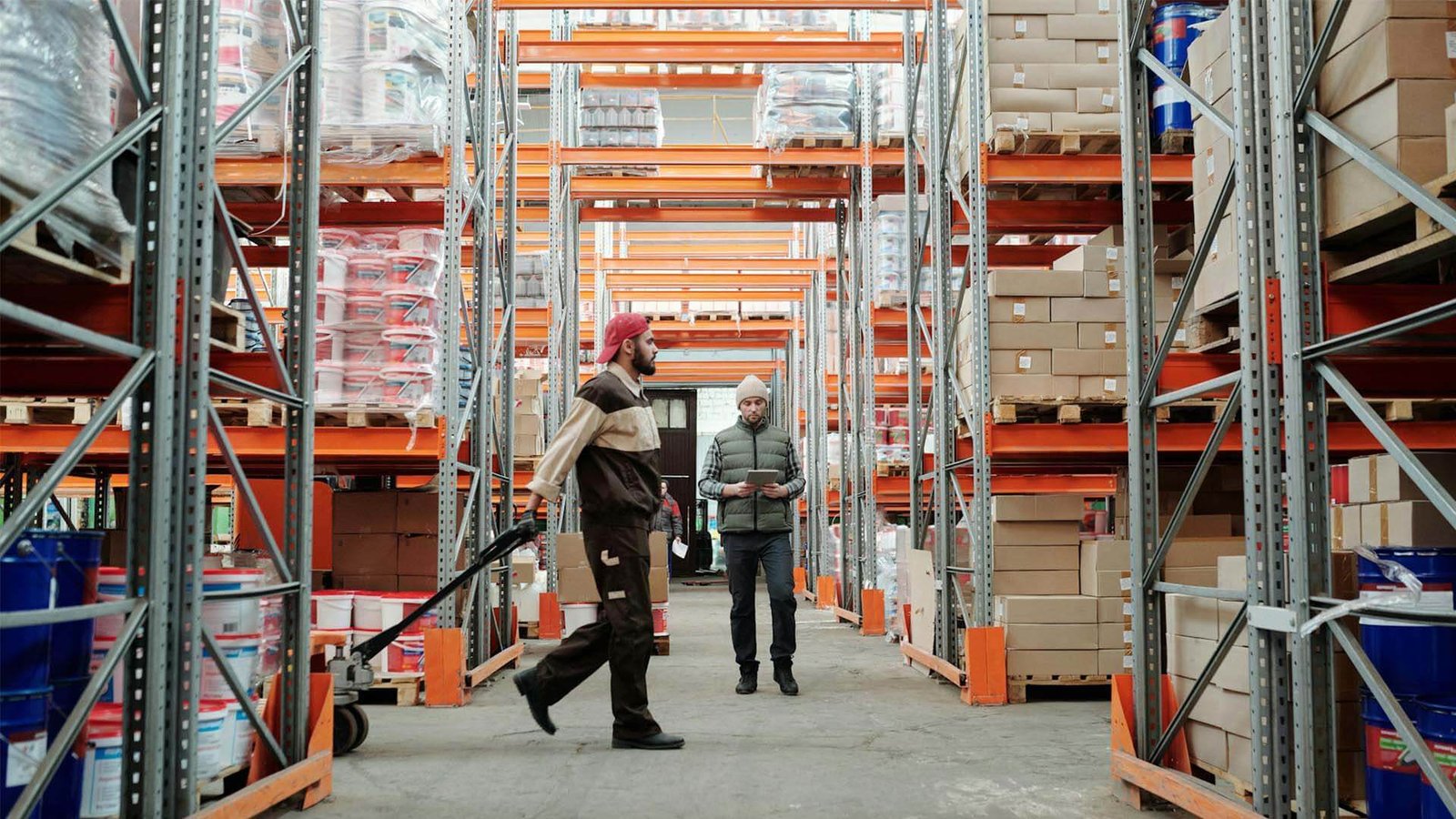
When selecting a customs broker, you should look for someone who understands your specific needs. Talk with them about your product type, shipping routes, and any special requirements. Provide a detailed description of your products, along with invoices and packing lists. This helps them process your declaration more efficiently.
Choosing wisely here can save you unnecessary headaches. I once worked with a broker who was unfamiliar with my goods, which caused several issues. The right broker will facilitate smooth communication with customs on your behalf.
Prepare Necessary Documents and Information
Having the correct documents is essential for a smooth customs clearance. Without them, your shipment could face delays.
Basic documents needed include the commercial invoice6, packing list, and any necessary permits. Ensure all details are accurate to avoid issues.
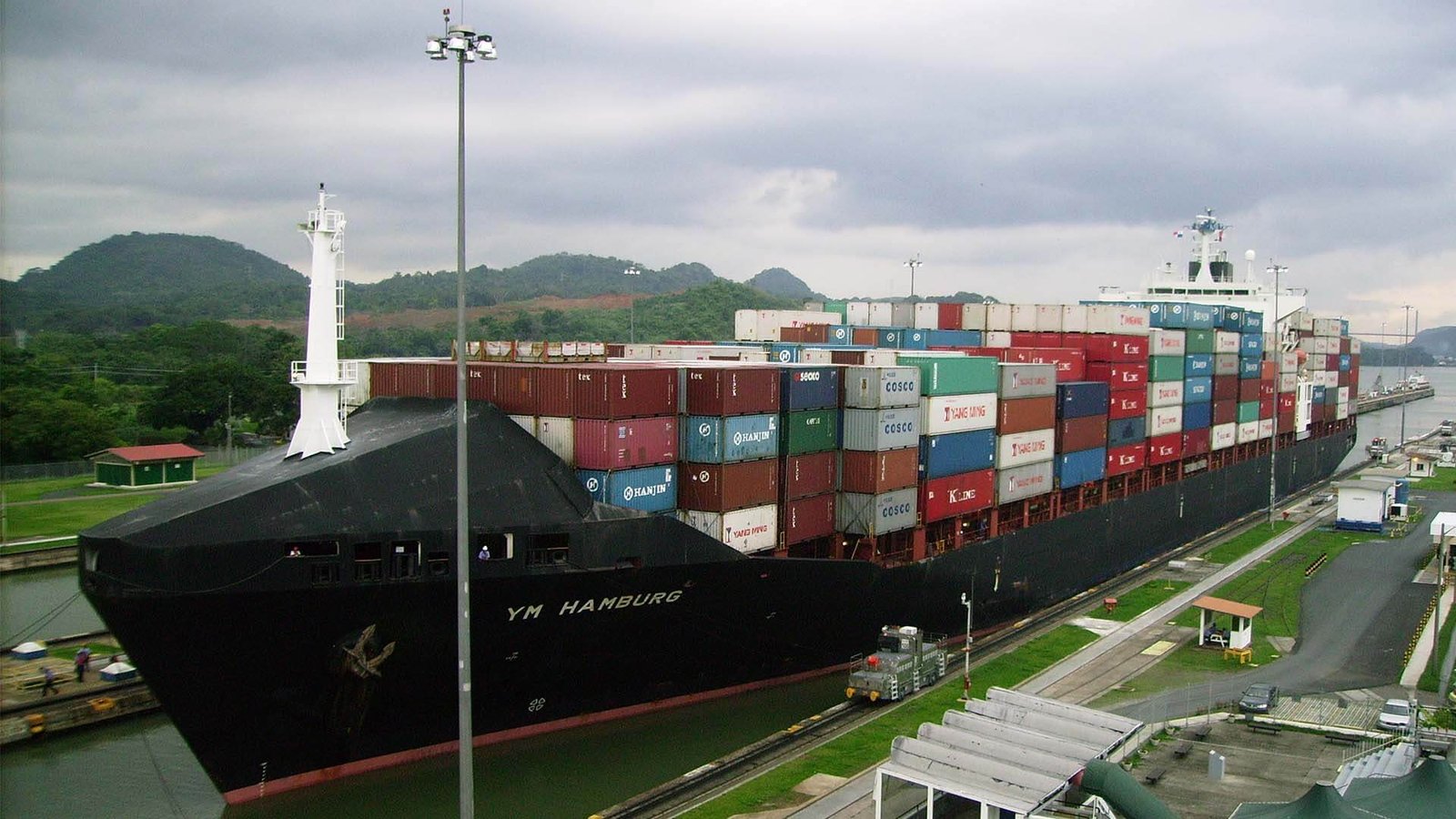
The commercial invoice6 should detail the product description, quantity, and value. A packing list outlines the contents of each package, including weight and volume. If applicable, you may also need a Certificate of Origin7 to prove where the goods come from.
Working with your customs broker here is crucial. They can help you fill out and submit customs declaration forms accurately. Inaccurate submissions can lead to serious delays and fines, which I have seen happen many times.
Choose the Right Shipping Method and Channels
Selecting the most suitable shipping method can impact both cost and delivery time.
Consider sea freight8 for bulk shipments, air freight9 for urgent deliveries, and courier services10 for small packages. Communication during transit is key.
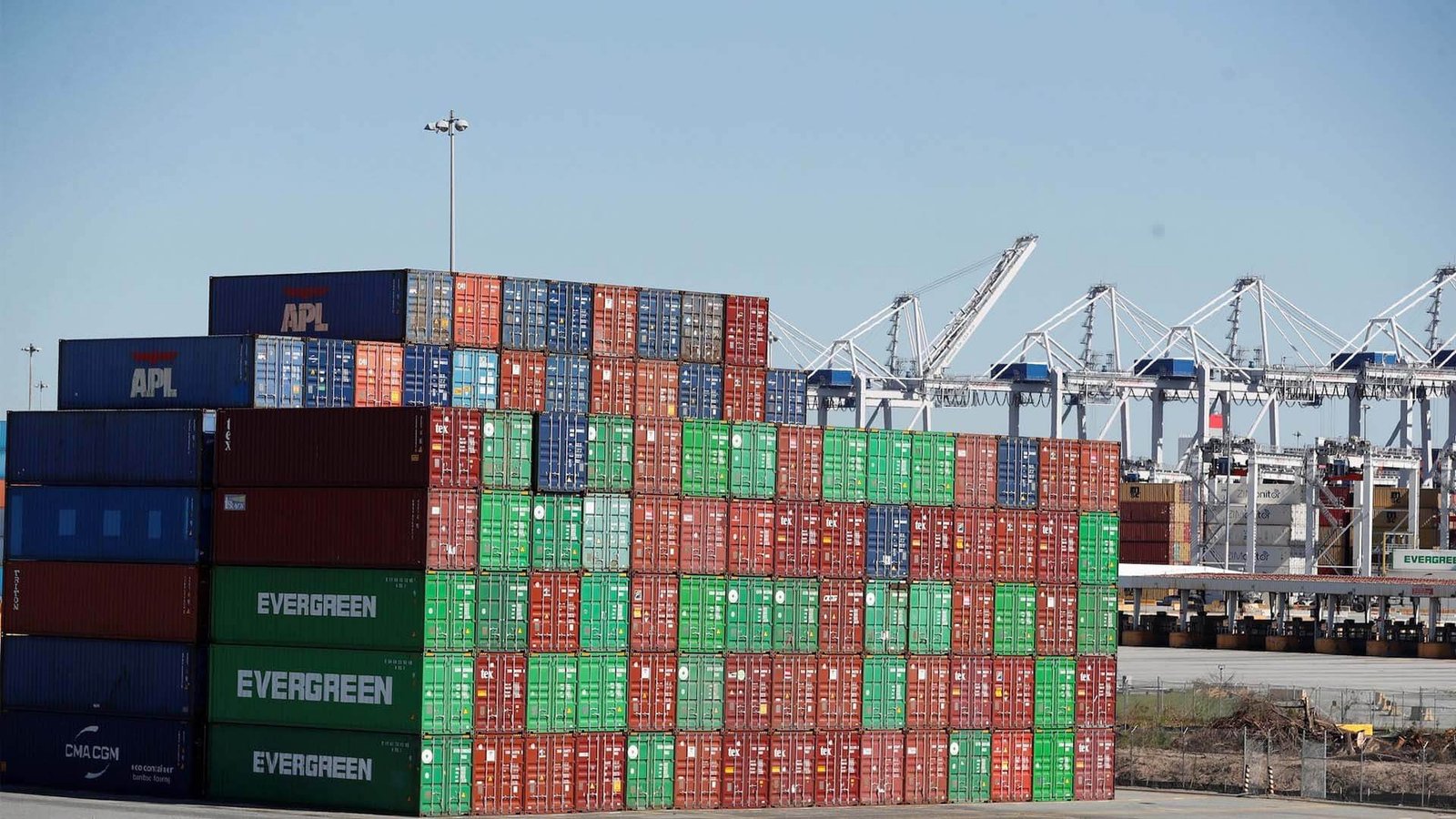
Sea freight is often more economical, suitable for larger shipments, but it takes longer. Air freight, while fast, is usually more expensive. On the other hand, courier services10 are ideal for small, time-sensitive packages.
Staying in touch with your freight forwarder is essential. Many freight companies offer tracking services, so you’ll know where your shipment is at all times. I remember feeling relieved when I could track a shipment in real-time, knowing it was on schedule.
Ensure Compliance with Canada’s Import and Regulatory Requirements
Compliance is non-negotiable when shipping to Canada.
Ensure your products meet Canada’s import regulations, especially for restricted items like food and pharmaceuticals. This helps prevent issues at customs.
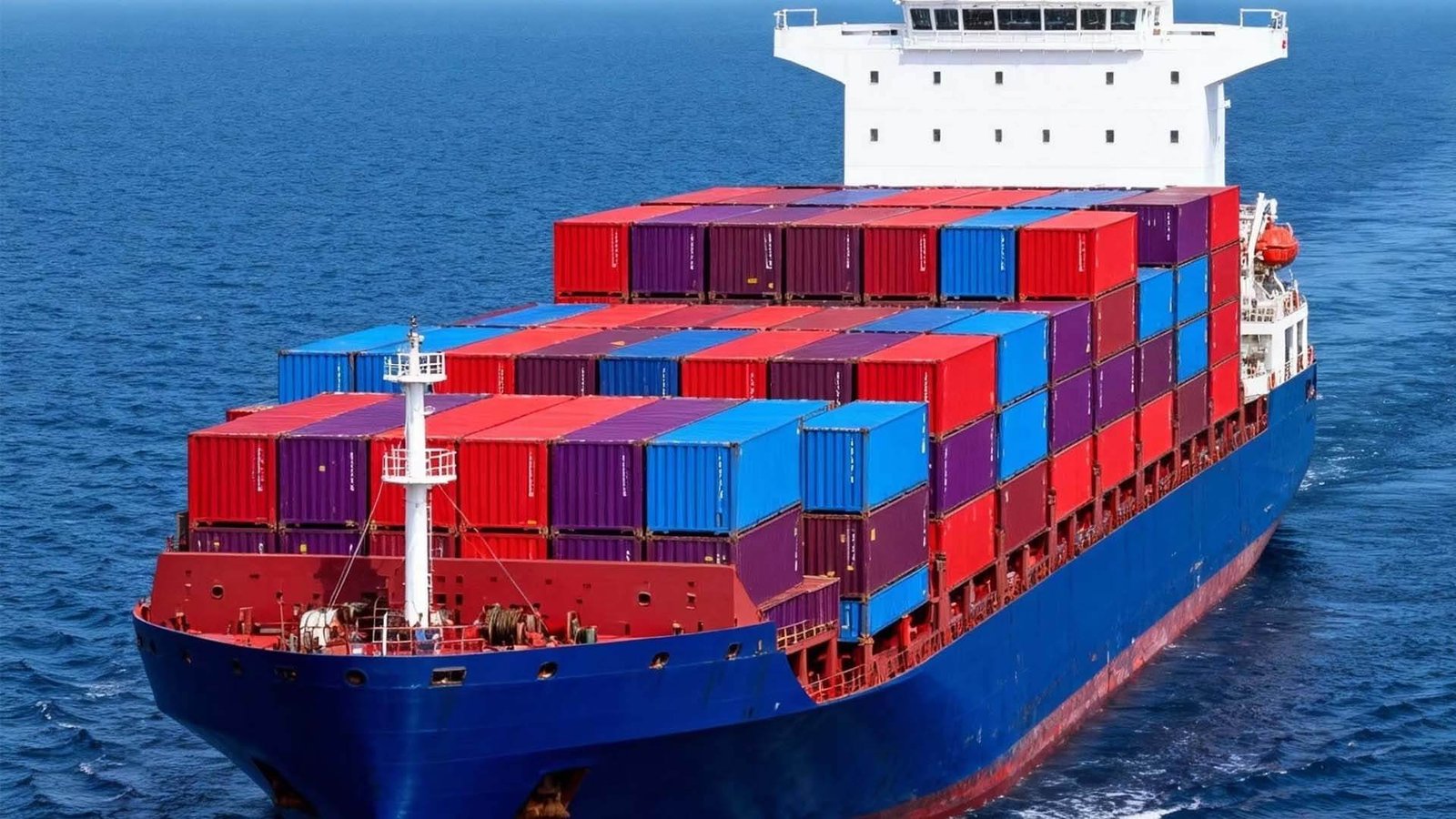
Some goods require specific permits to enter Canada. For example, if you are shipping hazardous materials, you need to follow strict regulations. You must also be aware of taxes like the Goods and Services Tax (GST)11 and any provincial taxes applicable.
Failure to comply can lead to hefty fines or even confiscation of your goods. Knowledge of these rules can save you from unnecessary headaches.
Timely Payment of Duties and Other Fees
Paying duties and taxes4 on time is crucial for a smooth process.
Canada requires importers to pay duties and taxes4 promptly to avoid delays. Accurate reporting helps ensure you don’t face unnecessary penalties.
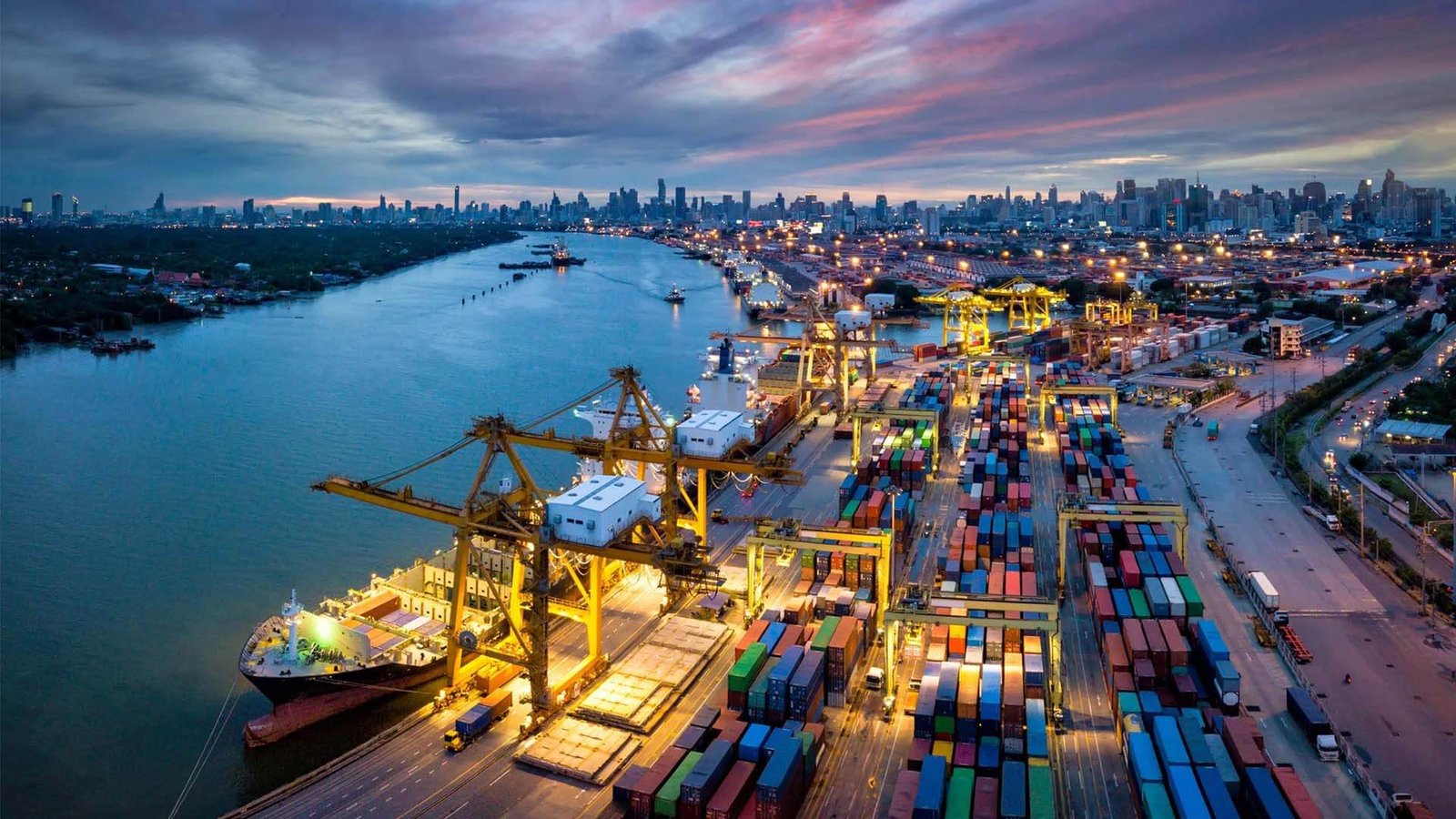
Duties are calculated based on the value, HS code, and origin of the goods. Working with your customs broker can make this process easier. They can guide you on the correct amounts and ensure payment is arranged before your shipment arrives.
I recall a shipment that faced delays due to forgotten payments, which caused unnecessary stress. Staying ahead of your payments is always a good idea.
Customs Clearance and Arrange Final Delivery
Once customs clearance is complete, it’s time for delivery to your final destination.
After clearing customs, arrange for your goods to be delivered promptly. Make sure you have reliable warehousing solutions12 if needed.
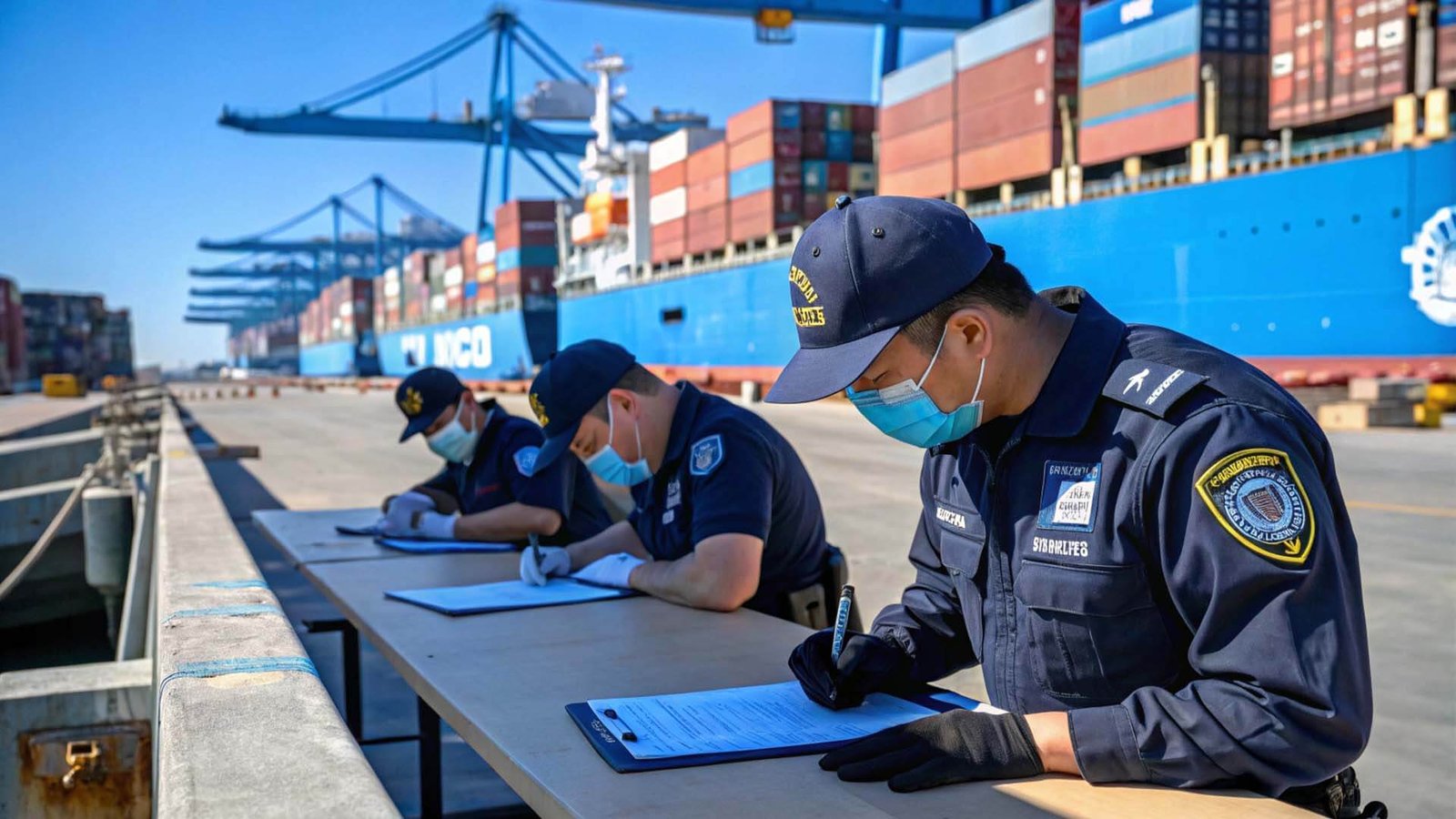 Immediately after customs clearance, you should have a plan for delivery to your warehouse or designated location. If your goods are not picked up right away, consider arranging warehousing services to avoid extra charges.
Working closely with logistics providers13 will ensure your goods reach their destination smoothly. I’ve often seen the benefits of coordinating effectively during this phase, leading to satisfied clients.
Post-Import Management and After-Sales Service
After your goods arrive, it’s not the end of the road.
Monitoring your shipments and providing excellent after-sales service14 is important for customer satisfaction. Keep records for future reference.
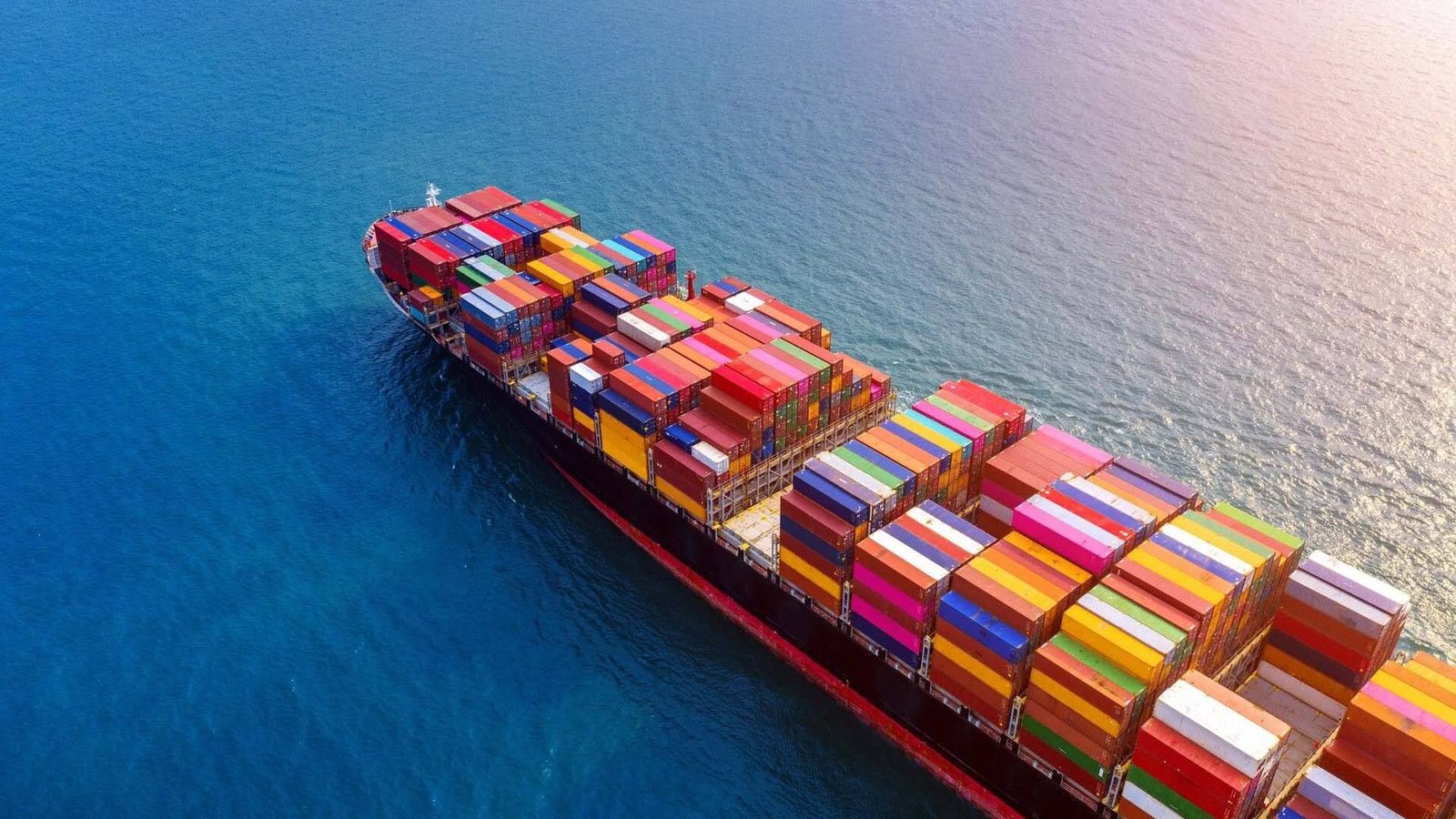
Track your shipments using logistics systems to ensure timely deliveries. Maintain communication with your freight forwarder and customs broker to stay updated on the status of your goods.
Additionally, being prepared for after-sales service14 is essential. You should be ready to handle any issues, like damaged goods or returns. Keeping all documentation helps in case of audits or regulatory checks.
Conclusion
Using Canadian customs brokerage services1 ensures smooth shipments by preparing in advance and maintaining clear communication throughout the process.
Understanding the role of Canadian customs brokerage services can help you navigate the customs process more efficiently, ensuring smooth shipments. ↩
Learning about the CBSA's role can help you understand the regulations and requirements for importing goods into Canada. ↩
Knowing which documents are needed for customs declarations can prevent delays and additional costs during the import process. ↩
Knowing how duties and taxes are calculated can help you avoid unexpected costs and ensure timely payments. ↩
Understanding the HS code is crucial for determining duty rates and ensuring accurate customs declarations. ↩
A well-prepared commercial invoice is essential for smooth customs clearance, detailing product descriptions, quantities, and values. ↩
Knowing when a Certificate of Origin is needed can help you comply with import regulations and avoid potential fines. ↩
Understanding the pros and cons of sea freight can help you choose the best shipping method for your needs. ↩
Air freight is ideal for urgent deliveries, and knowing its benefits can help you make informed shipping decisions. ↩
Courier services offer fast delivery for small packages, making them a great option for time-sensitive shipments. ↩
Understanding GST implications can help you budget for taxes and ensure compliance with Canadian import regulations. ↩
Warehousing solutions can prevent extra charges and ensure your goods are stored safely until delivery. ↩
Working with logistics providers can streamline the customs clearance process and ensure timely delivery of your goods. ↩
Providing excellent after-sales service can enhance customer satisfaction and help manage any post-import issues. ↩