Importing sugar into the U.S. can be complicated. Understanding regulations, compliance, and logistics is crucial for success. This guide explores critical aspects to help you navigate the process smoothly.
U.S. sugar imports are regulated through tariff-rate quotas (TRQs)1, licensing systems, and federal oversight, limiting how much sugar enters at lower duty rates while excess volumes face high tariffs.

The import of sugar is subject to strict regulations. Understanding these rules is essential to avoid unexpected costs and delays. U.S. sugar importation relies on a system of tariff-rate quotas (TRQs)1 that controls how much sugar can enter the U.S. at lower duty rates. The excess volumes face higher tariffs, complicating the importing process.
How U.S. Sugar Import Rules Work (Tariff-Rate Quotas, Licensing, and Government Controls)?
Importers must understand the intricacies of tariff-rate quotas to ensure compliance and cost-effectiveness.
Tariff-rate quotas (TRQs) allow a specific quantity of sugar to enter the U.S. at a lower duty rate. If importers exceed this quota, they face significantly higher tariffs.
Tariff-rate quotas (TRQs) are essential in regulating sugar imports. The U.S. Department of Agriculture oversees these quotas. Importers need to know the difference between in-quota and over-quota duties. In-quota duties apply to the set amounts allowed, while over-quota duties are much higher. Timing is also crucial; quotas often reset annually, and understanding this can save significant costs.
| TRQ Type | Duty Rate | Timing Importance |
|---|---|---|
| In-quota | Lower Rate | Must plan shipments accordingly |
| Over-quota | Higher Rate | Risk of excessive costs |
What Importers Must Know About FDA Food Regulations and Prior Notice Requirements for Sugar Shipments?
Compliance with FDA regulations is non-negotiable for sugar importers.
All sugar imported as food must meet U.S. food safety rules, facility registration2, and Prior Notice filing3 with U.S. Food and Drug Administration before arrival.
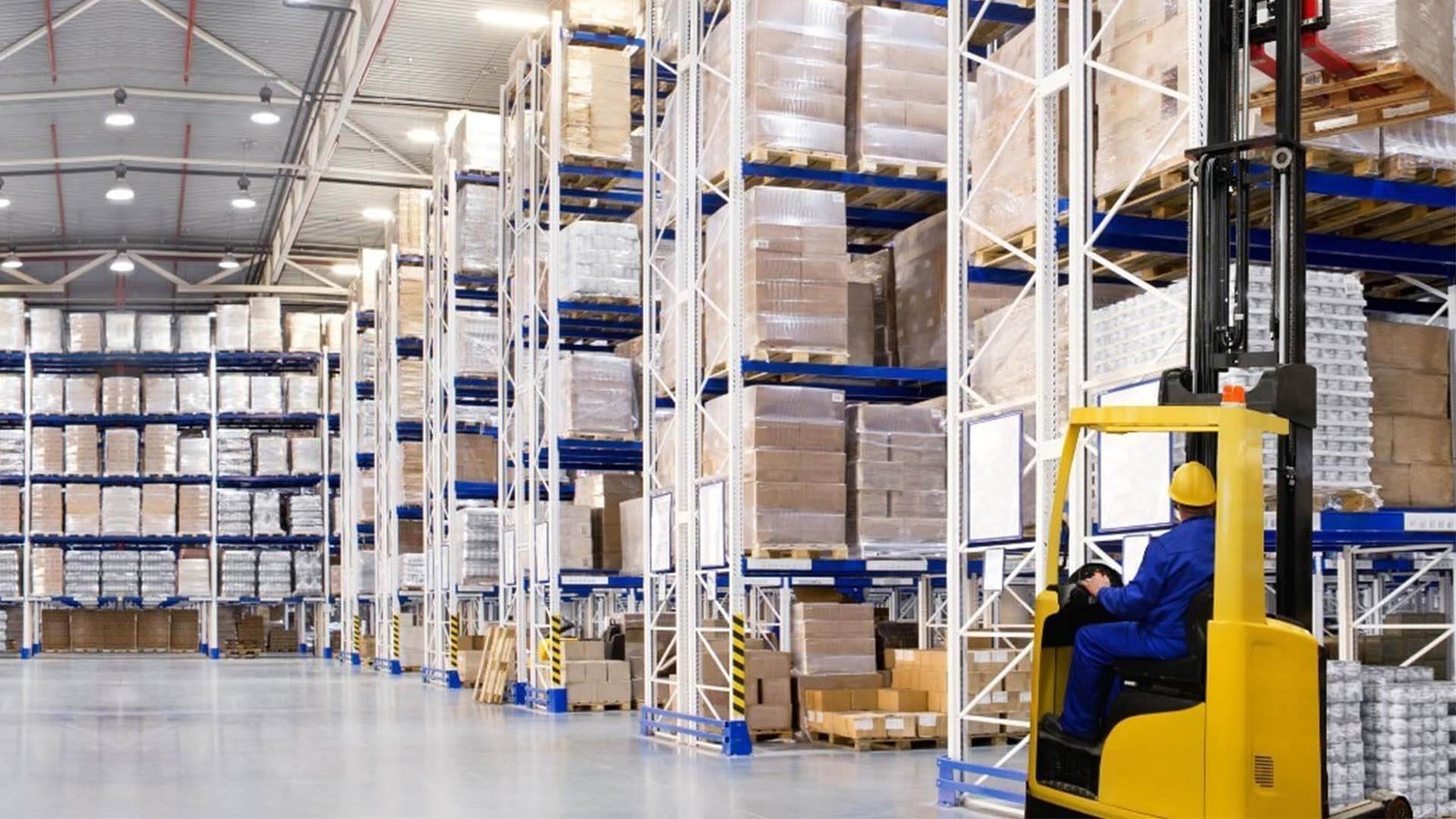
Before sugar arrives in the U.S., importers must file a Prior Notice with the FDA. This notice notifies the agency of the incoming shipment and must be submitted within a specific timeframe before arrival. Facility registration is mandatory, ensuring that all imported sugar meets safety standards. Without these requirements, shipments risk refusal or additional holds, leading to costly delays.
| Requirement | Timing | Consequence If Not Met |
|---|---|---|
| Prior Notice | 2-15 days prior | Shipment hold |
| Facility Registration | Before shipment | Non-compliance risk |
How Sugar Is Classified for Customs (HTS Codes, Duty Rates, and Quota Categories)?
Understanding sugar classification can significantly impact your import process.
Sugar classification under the HTS determines duty rate, quota category, and admissibility, and misclassification can cause over-quota duties or shipment delays.
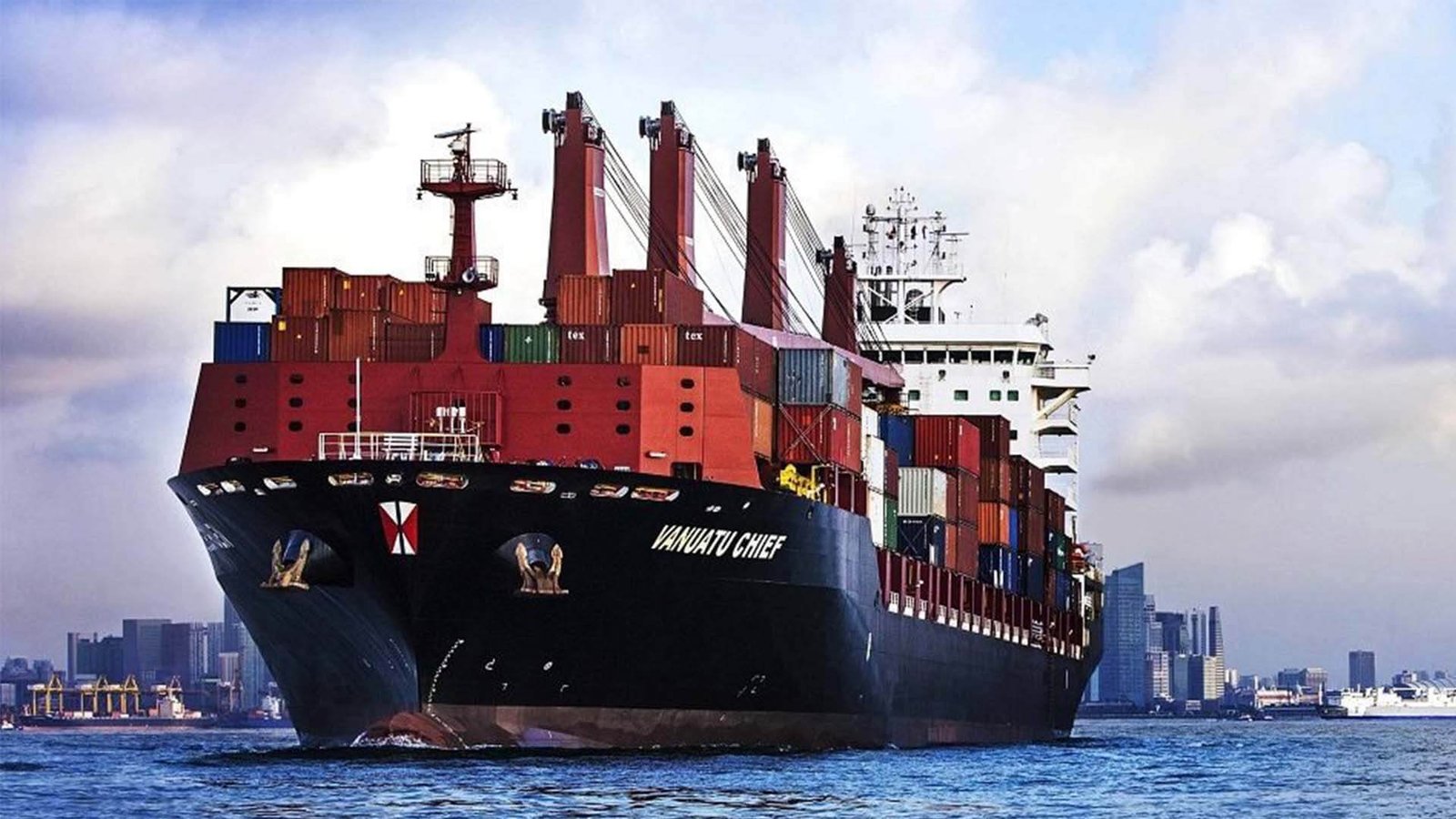
The Harmonized Tariff Schedule (HTS) is crucial for classifying sugar. Misclassifying sugar can lead to paying higher duties or even delays in customs clearance. Raw and refined sugars have different HTS codes4. Additionally, the polarization levels of sugar can impact its classification. Keeping accurate records helps prevent errors that may trigger over-quota duties.
| Classification | Example | Duty Rate |
|---|---|---|
| Raw Sugar | HTS Code: 1701.12 | Lower Rate |
| Refined Sugar | HTS Code: 1701.14 | Higher Rate |
Required Documents and Permits for Importing Sugar into the United States
Proper documentation is paramount for a smooth import process.
| Document | Purpose | Issued By | Risk If Missing |
|---|---|---|---|
| Commercial Invoice | Proof of sale | Seller | Customs delay |
| Bill of Lading5 | Shipment receipt | Carrier | Shipment halt |
| Packing List | Itemized contents | Shipper | Customs examination |
| FDA Prior Notice | FDA notification | Importer | Refusal or hold risk |
| Importer Registration | Importer ID | FDA | Non-compliance risk |
| Entry Filing with U.S. Customs6 and Border Protection | Required customs declaration | Importer | Delay in clearance |
Missing any of these documents can lead to severe delays or additional costs. Staying organized and preparing these documents ahead of time ensures compliance with U.S. laws.
How Shipping Method, Packaging, and Storage Conditions Affect Sugar Import Compliance?
Shipping sugar requires attention to detail to maintain compliance.
Sugar’s food status requires clean transport, moisture protection7, pest control8, and proper packaging to avoid contamination or rejection.
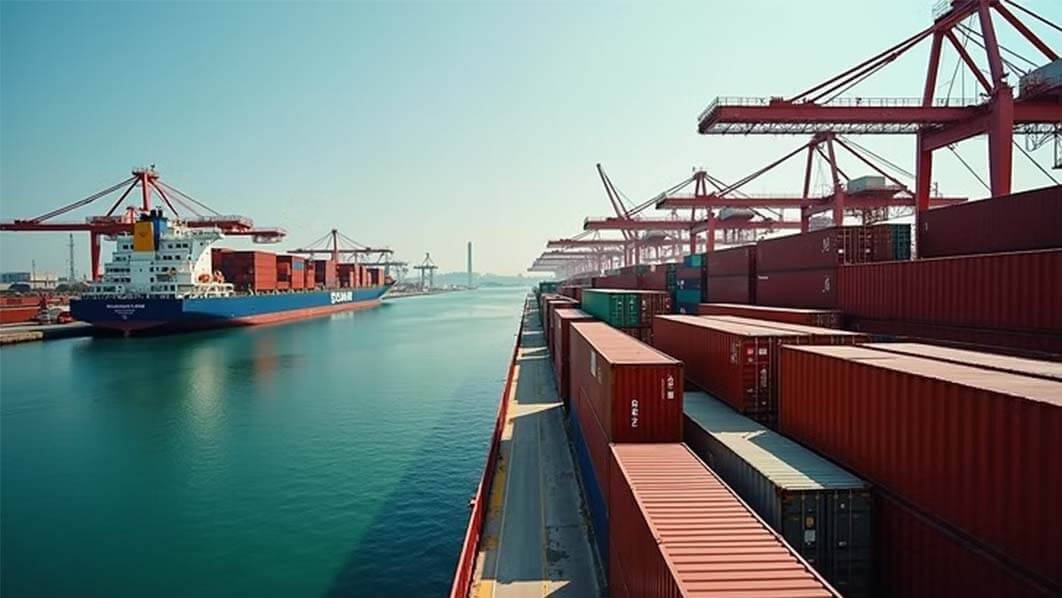
Different shipping method9s impact how sugar is packaged and stored. Bulk sugar, for example, is more susceptible to moisture and mold risks, whereas bagged sugar must be protected from pests. Each step of the transportation process, from the port to the delivery location, requires careful handling to avoid contamination or rejection during inspections.
| Shipping Method | Packaging Type | Risks | Compliance Measures |
|---|---|---|---|
| Bulk | Open Container | Moisture, contamination | Use moisture-resistant covers |
| Bagged | Sealed Bags | Pests, damage to packaging | Regular inspections |
How Importers Reduce Risk by Working with a Customs Broker10 and Food-Experienced Forwarder11?
Partnering with professionals can streamline your importing process.
Experienced brokers and forwarders coordinate quota checks, FDA filings, customs entries, and food-grade logistics to prevent delays, holds, or penalties.
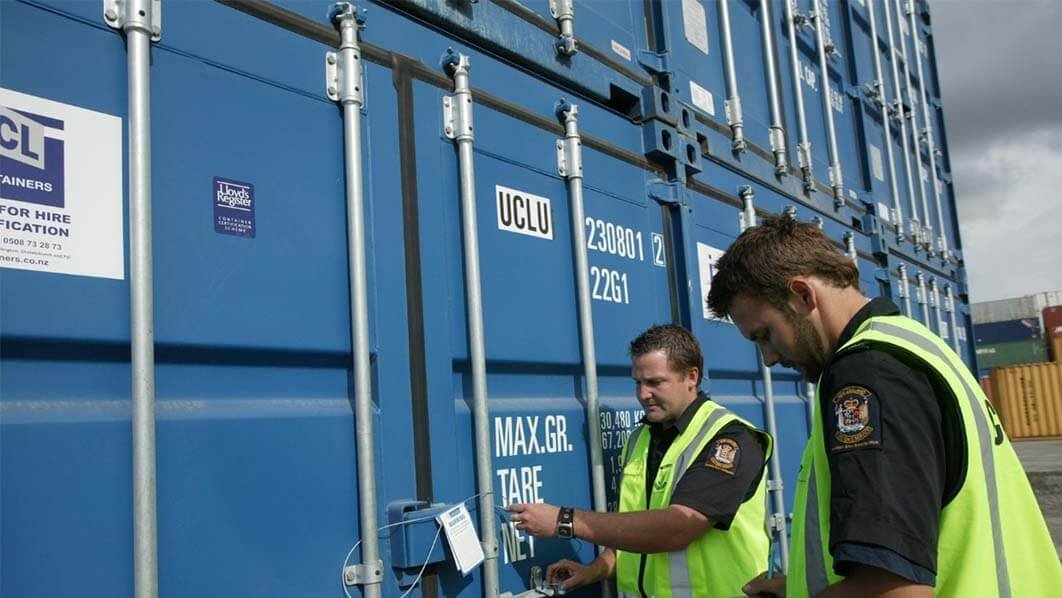
Working with a customs broker helps monitor quotas and manage all required documentation. They pre-check documents and prepare for inspections, which helps ensure compliance. Moreover, experienced forwarders understand the importance of food-grade logistics, helping maintain quality throughout the shipping process. Coordination among these professionals can mitigate the risks of delays and costly penalties.
| Service | Role | Benefits |
|---|---|---|
| Customs Broker10 | Manages customs procedures | Ensures compliance |
| Food-Experienced Forwarder11 | Coordinates logistics | Minimizes contamination risk |
Conclusion
Importing sugar requires careful planning around quota timing12, FDA compliance, and document readiness13. By understanding regulations and working with the right partners, importers can avoid costly delays and ensure a smooth process.
Understanding TRQs is crucial for importers to manage costs and compliance effectively, avoiding high tariffs on excess sugar volumes. ↩
Facility registration with the FDA is essential to ensure compliance with U.S. food safety standards, avoiding non-compliance risks. ↩
Filing a Prior Notice is mandatory to notify the FDA of incoming sugar shipments, ensuring smooth entry and avoiding holds. ↩
Correct classification using HTS codes affects duty rates and quota categories, preventing over-quota duties and shipment delays. ↩
The Bill of Lading acts as a shipment receipt, crucial for tracking and ensuring the delivery of sugar imports. ↩
Entry Filing is a required declaration for customs, ensuring timely clearance and compliance with U.S. import laws. ↩
Moisture protection prevents contamination and spoilage, ensuring sugar maintains its quality during transport. ↩
Effective pest control measures are necessary to protect sugar from contamination, ensuring compliance with food safety regulations. ↩
Choosing the right shipping method is vital to protect sugar from moisture and contamination, ensuring compliance with food safety standards. ↩
A Customs Broker manages customs procedures, ensuring compliance and preventing delays or penalties in sugar importation. ↩
A Food-Experienced Forwarder coordinates logistics, minimizing contamination risks and ensuring quality during sugar transport. ↩
Understanding quota timing helps importers plan shipments effectively, avoiding high tariffs and ensuring cost-efficiency. ↩
Having all required documents prepared ensures compliance with U.S. laws, preventing delays and additional costs in sugar importation. ↩