Sea freight is a crucial aspect of international trade. Understanding how it works can help U.S. importers avoid costly mistakes.
Sea freight from China involves factory pickup1, export documentation2, port handling3, ocean transit4, U.S. port arrival, customs clearance5, and inland delivery6. Each stage must be coordinated carefully to avoid delays, unexpected charges, or compliance issues that increase total landed cost for importers.
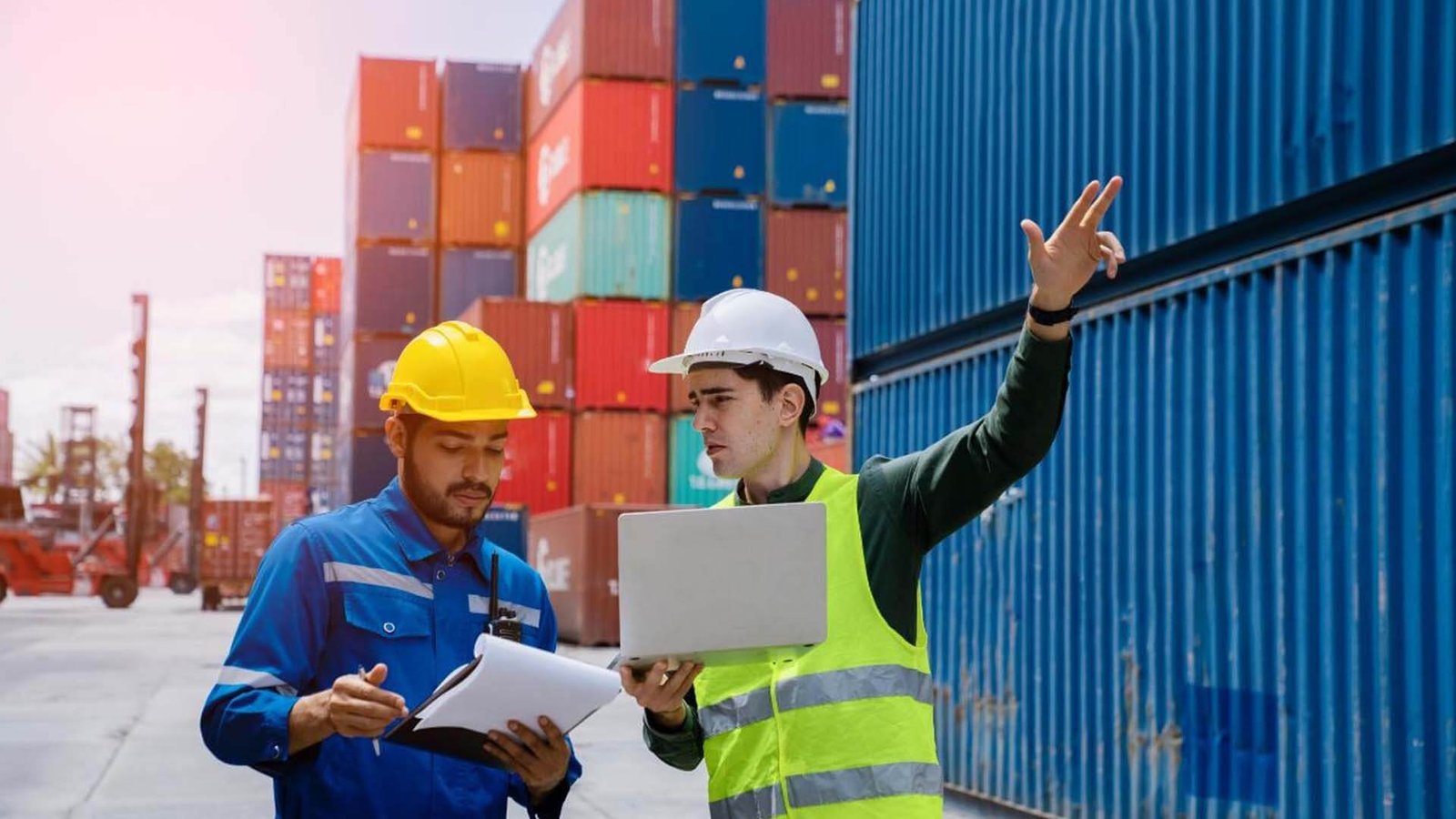
Managing sea freight is not simple. It involves many steps, and each step needs attention. I have seen many importers struggle with logistics. They often face delays and extra costs due to poor planning or lack of knowledge. Knowing the process can save you time and money. So, let's break it down.
How Does Sea Freight from China Work for U.S. Importers from Factory Pickup to Final Delivery?
Sea freight starts with factory pickup1. The shipping process involves preparing export documents and arranging transportation to the port. After the goods arrive at the port, they undergo handling and loading onto a vessel. The vessel then sails to the U.S. port, where customs clearance5 takes place. Finally, inland transportation delivers the goods to their destination.
The total process from factory to delivery requires precise coordination. Importers must ensure all documentation is correct to avoid delays and additional costs.
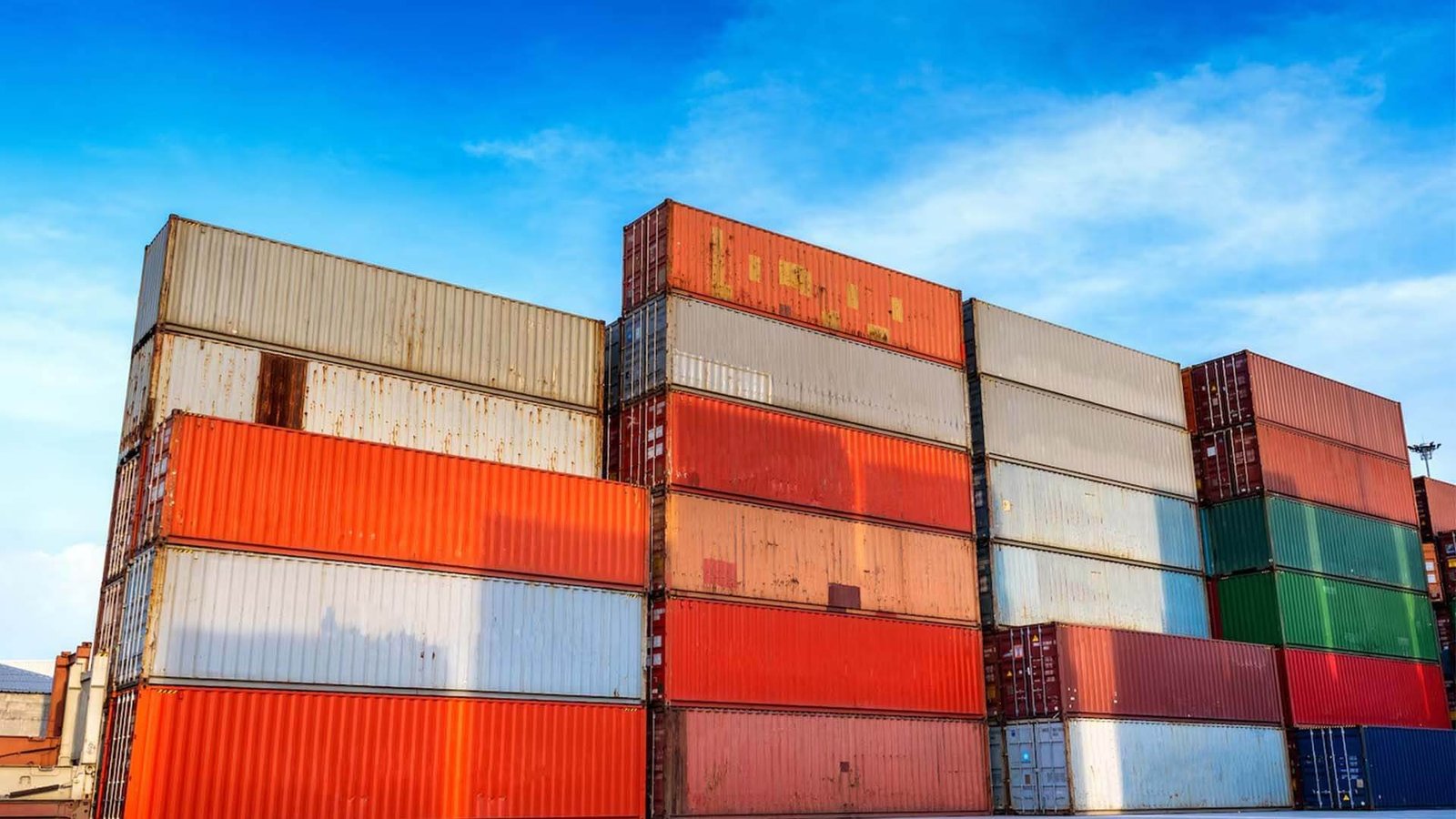
Understanding the logistics of sea freight is crucial. Any mistake can lead to delays that disrupt supply chains. For instance, if the export documentation2 is incorrect, customs may hold your shipment. This can lead to extra fees and frustration. Planning each step carefully and choosing reliable partners is key to success in international shipping.
What Sea Freight Options from China Should Importers Choose Between FCL, LCL, and Consolidation?
When choosing how to ship, importers often face the decision between Full Container Load (FCL)7 and Less-than-Container Load (LCL)8. FCL is best for large shipments as it offers more control and predictability in costs. LCL is ideal for smaller shipments but may involve consolidation delays, where goods from multiple shippers are combined into one container.
Importers typically choose Full Container Load (FCL)7 for higher volumes and cost predictability, while Less-than-Container Load (LCL)8 suits smaller shipments. The right option depends on cargo volume, transit reliability, budget, and tolerance for consolidation-related delays.
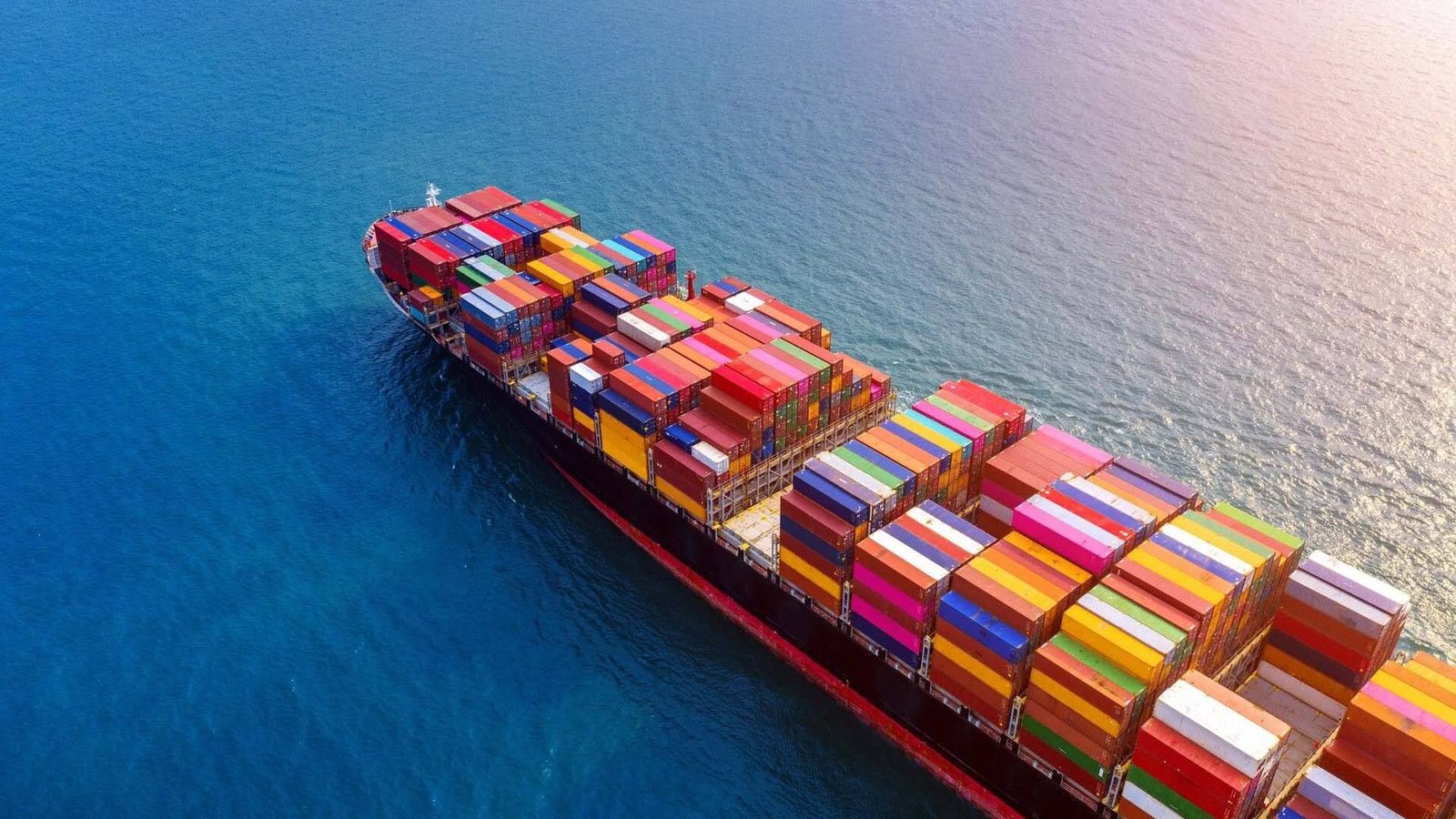
Choosing the right shipping option is essential for managing costs and ensuring timely delivery. If you have larger volumes, FCL could offer better rates and faster transit times. However, if you have smaller shipments, LCL might be the only cost-effective option. You might have to wait longer for the shipment to consolidate, which can affect your inventory management.
How Long Does Sea Freight from China Take and What Factors Commonly Cause Delays?
The transit times for sea freight from China typically range from several weeks, depending on the shipping route and port connections. However, delays can occur due to various factors, including port congestion9, weather disruptions, and customs examinations. It's essential to factor in these delays when planning shipments.
Sea freight transit times from China usually range from several weeks depending on port pairs and routing. Delays are commonly caused by port congestion9, vessel rollovers, weather disruptions, customs exams, and inland transportation bottlenecks after arrival.
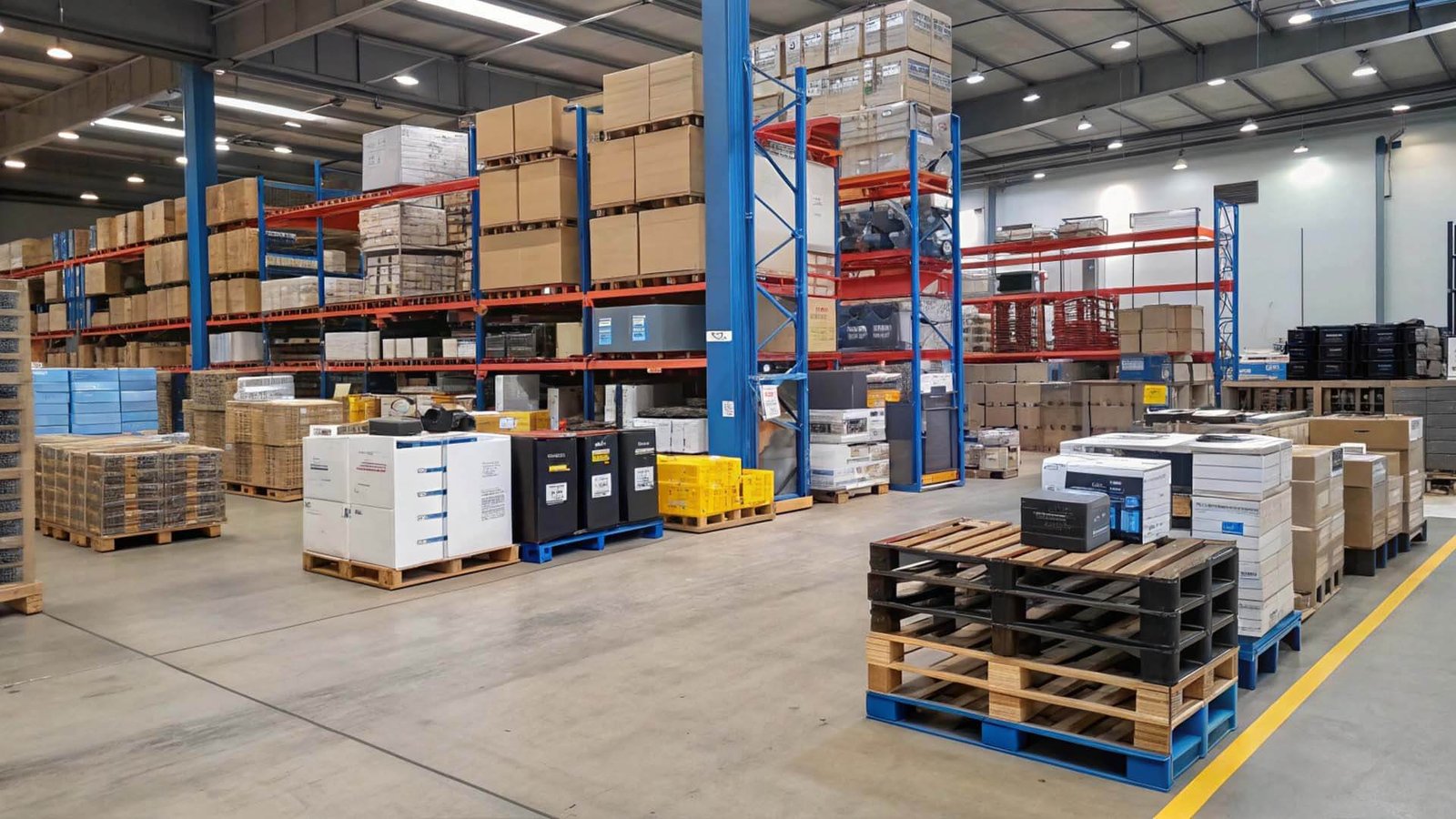
Being aware of potential delays can help you plan better. For example, if a port is congested, consider alternative routes or shipping methods. Knowing your shipment's status is vital. Regular communication with your logistics provider can help you stay informed about any potential delays or issues, allowing you to adapt your plans accordingly.
What Costs, Surcharges, and Fees Make Up the Total Sea Freight Price from China?
The total cost of sea freight can be complex. It includes various components such as ocean freight charges, fuel surcharges10, port fees, and documentation charges. Each of these elements contributes to the overall cost. Understanding these can help you budget accurately and avoid unexpected expenses.
The total cost of sea freight from China includes ocean freight, fuel and peak-season surcharges, origin and destination port fees, documentation charges, and inland transport. Understanding each cost component helps importers forecast budgets and prevent landed-cost overruns.
Understanding the cost structure is crucial for importers. By breaking down each component, you can identify areas where you may reduce expenses. For example, some fees are negotiable, while others are standard. Knowing what to expect helps you avoid surprises that can strain your budget.
How Do U.S. Customs Clearance, Duties, and Compliance Apply to Sea Freight Shipments from China?
All sea freight shipments entering the U.S. must clear customs. This process involves submitting the correct paperwork and paying any associated duties and taxes. It's important to have accurate HS classification11 and valuation to avoid holds, penalties, or delays.
All sea freight shipments entering the U.S. must clear customs and may be subject to duties, taxes, and regulatory requirements. Accurate HS classification11, valuation, and compliant documentation are essential to avoid customs holds, penalties, or shipment delays.
Customs can be a significant hurdle for importers. To avoid issues, make sure all documentation is in order before your shipment arrives. If you use a customs brokerage service, they can help ensure that everything complies with U.S. regulations. This can save you time and money in the long run.
What Risks and Common Mistakes in China Sea Freight Increase Delays, Holds, or Landed Cost?
Common mistakes in sea freight often include incorrect Incoterms12, poor documentation, and misclassification of goods. These errors can cause delays, increased costs, and even cargo holds13. It's essential to be aware of these pitfalls to avoid unnecessary complications.
Common sea freight mistakes include incorrect Incoterms12, poor documentation, misclassification, and lack of coordination between freight and customs. These errors often lead to demurrage charges14, cargo holds13, inspections, and higher overall landed costs.
Being proactive about risk management can greatly enhance your shipping experience. Implementing checks for documentation accuracy and ensuring proper classifications can save you from costly mistakes. Knowledge of the logistics landscape and potential issues will prepare you to handle challenges effectively.
Conclusion
Understanding sea freight from China helps U.S. importers navigate logistics, customs, and costs efficiently. By planning carefully, you can minimize risks and maximize savings.
Understanding factory pickup is crucial for coordinating the initial stage of sea freight, ensuring timely and efficient transportation of goods from the factory. ↩
Proper export documentation is essential to avoid delays and additional costs, ensuring smooth customs clearance and compliance with international trade regulations. ↩
Port handling is a critical step in sea freight, involving the loading and unloading of goods, which can impact transit times and costs. ↩
Ocean transit is the longest phase of sea freight, and understanding it helps in planning delivery schedules and managing expectations. ↩
Customs clearance is vital for legal entry of goods into the U.S., and knowing the process can prevent delays and penalties. ↩
Inland delivery is the final step in sea freight, and efficient management ensures timely arrival of goods at their destination. ↩
FCL offers more control and cost predictability for large shipments, making it a preferred choice for many importers. ↩
LCL is ideal for smaller shipments, offering cost savings but may involve consolidation delays, affecting delivery times. ↩
Port congestion can lead to significant delays in sea freight, impacting delivery schedules and increasing costs. ↩
Fuel surcharges are additional costs that can fluctuate, affecting the overall budget for sea freight shipments. ↩
Accurate HS classification ensures compliance with customs regulations, preventing holds and penalties. ↩
Understanding Incoterms is crucial for defining responsibilities and costs between buyers and sellers in international trade. ↩
Cargo holds can occur due to documentation errors or non-compliance, leading to delays and increased costs. ↩
Demurrage charges can increase costs if goods are not cleared from the port in time, highlighting the need for efficient logistics management. ↩