Shipping to Amazon FBA can be a daunting task. It requires careful planning and organization to avoid mistakes and ensure compliance with Amazon's stringent requirements.
In this guide, I will outline the entire Amazon FBA shipping process1, from supplier pickup2 to final warehouse check-in, to help you navigate your shipping needs efficiently.
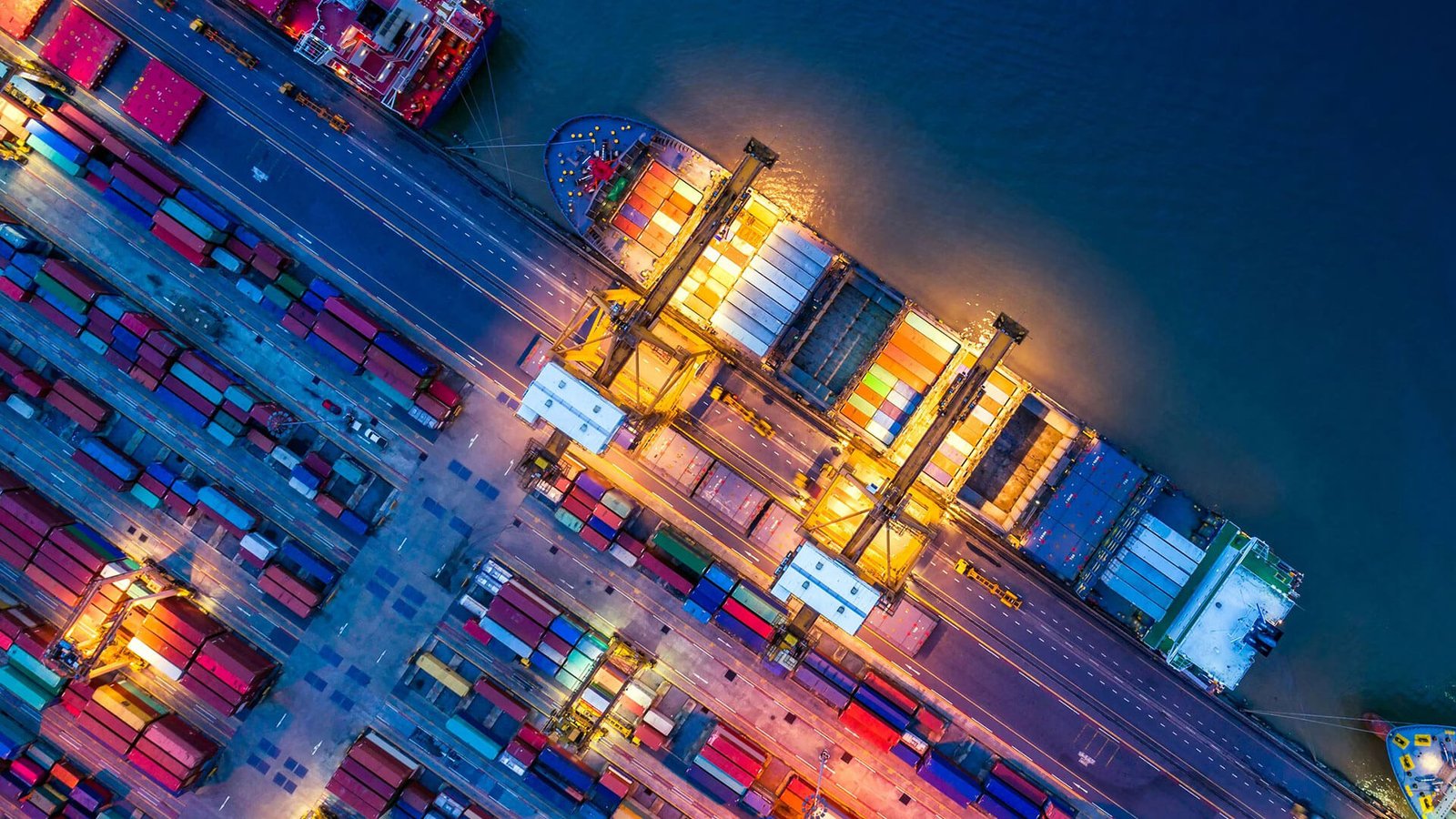
Understanding the Amazon FBA shipping process1 is key for any U.S. importer. This process begins with picking up your goods from the supplier and ends with the final check-in at an Amazon Fulfillment Center. Efficiently managing this process can save you time and money.
How the Amazon FBA Shipping Process Works from Supplier Pickup to Final Warehouse Check-In?
Shipping to Amazon FBA involves several steps, including supplier pickup2, international freight3, customs clearance, and domestic delivery4. Each step must be handled properly to ensure the shipment reaches Amazon's fulfillment center on time.
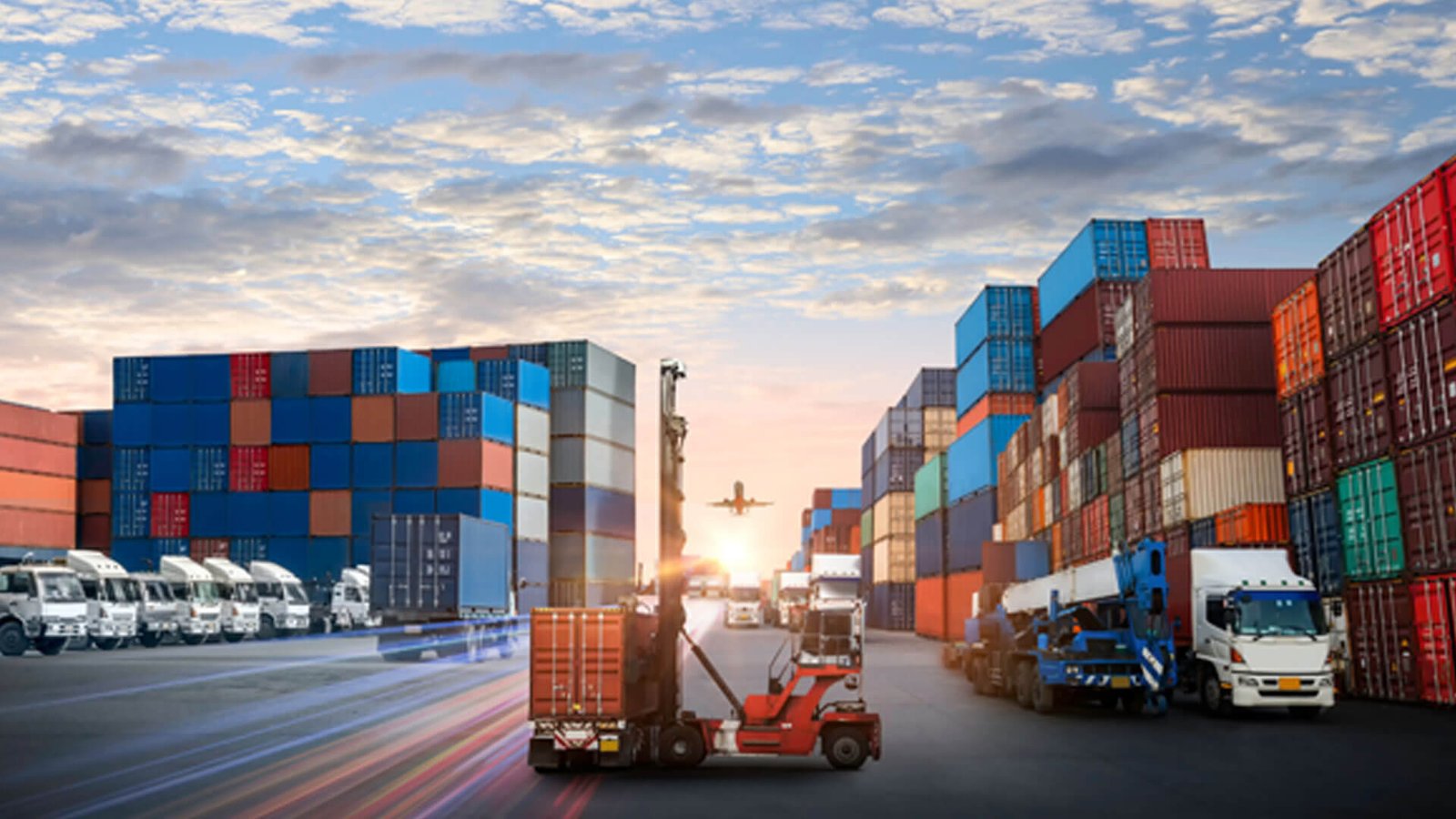
When you ship to Amazon FBA, the process generally flows through these stages: supplier pickup2, FBA prep and labeling5, international freight3, U.S. customs clearance6, and finally, domestic delivery4 to Amazon. Each phase has its own requirements and challenges, which must be navigated carefully.
| Step | Description |
|---|---|
| Supplier Pickup | Goods are collected from the supplier. |
| FBA Prep & Labeling | Products are prepared and labeled according to Amazon's requirements. |
| International Freight | Goods are shipped via air or ocean freight7 to the U.S. |
| U.S. Customs Clearance | Compliance with U.S. regulations and payment of duties. |
| Domestic Delivery | Final mile delivery to the Amazon Fulfillment Center. |
In short, understanding this workflow allows you to maintain better control over your shipments.
Whether Your Supplier Should Ship Directly to Amazon FBA or Route Through a U.S. Prep and Consolidation Center?
Deciding whether to ship directly to Amazon FBA or route through a U.S. prep center8 can significantly impact your operations. Each option has its advantages and disadvantages that must be weighed carefully.
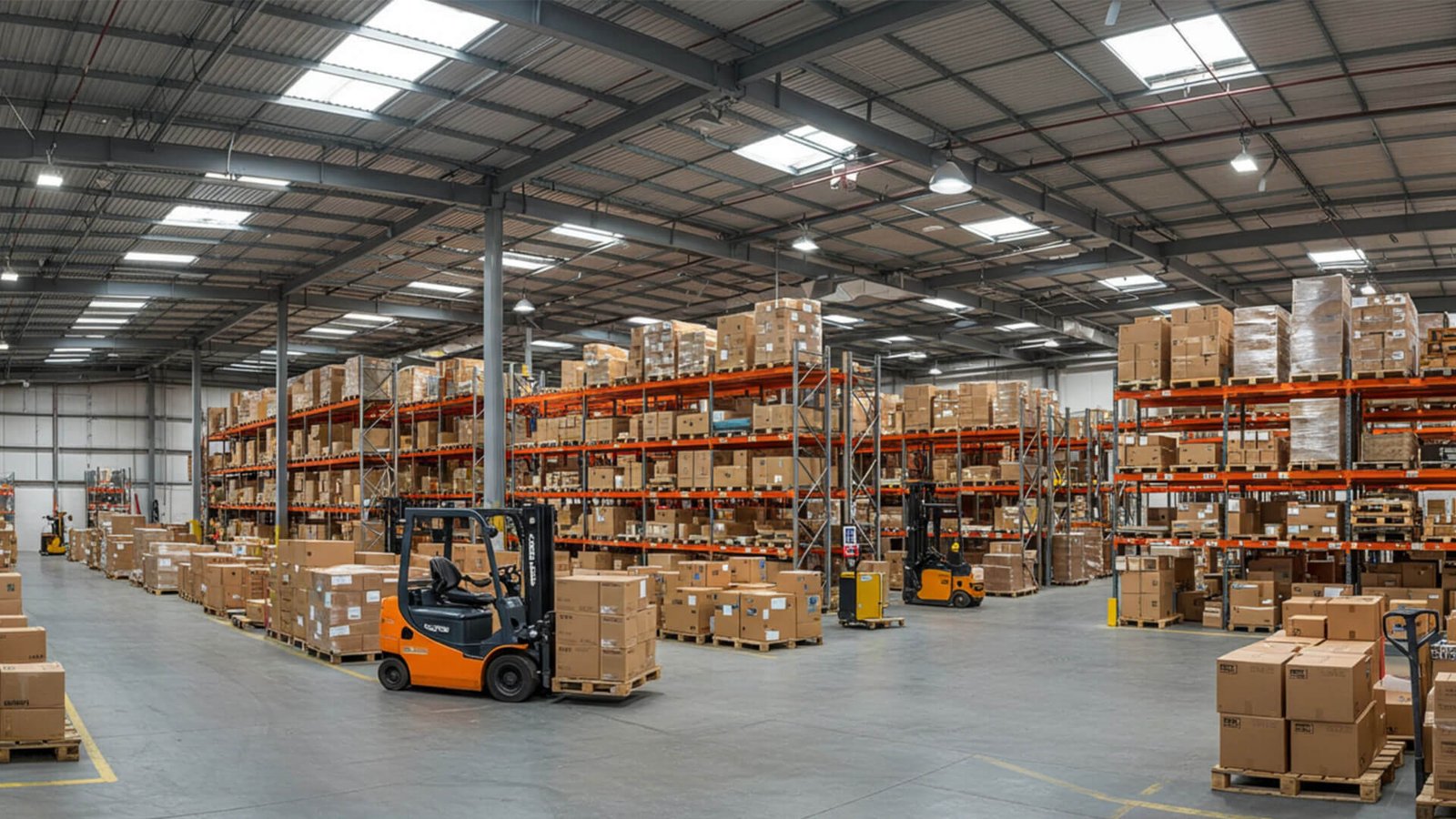
Your supplier can ship directly to Amazon FBA, but using a U.S. prep center8 might offer benefits such as better compliance with Amazon's packaging and labeling requirements. This decision often depends on the nature of your products and your overall shipping strategy.
| Method | Advantages | Disadvantages |
|---|---|---|
| Direct to Amazon FBA | Faster delivery, fewer middlemen | Greater risk of non-compliance |
| Route through Prep Center | Enhanced compliance support, better packaging | Additional handling time and cost |
Ultimately, the choice depends on your specific needs and the level of control you want over the shipping process.
What Packaging, Labeling, and Carton Requirements U.S. Importers Must Meet to Avoid Amazon FBA Rejections?
Packaging and labeling are critical aspects of the Amazon FBA process. Failure to meet these requirements can lead to rejected shipments and delays.

Amazon has strict packaging requirements, including specific labeling procedures. Importers must ensure that their products are packaged correctly and labeled with the appropriate FNSKU to avoid rejections. This compliance is essential to streamline the intake process at Amazon's fulfillment centers.
| Requirement | Description |
|---|---|
| FNSKU Labeling | Each product must have an accurate FNSKU label. |
| Carton Size | Use the appropriate carton size9 as specified by Amazon. |
| Packaging Materials | Products should be adequately protected to prevent damage. |
Understanding these requirements can help you avoid costly mistakes during the shipping process.
How to Choose the Right Freight Method for Shipping to Amazon FBA Based on Cost, Speed, and Risk?
Selecting the right freight method is crucial for balancing cost, speed, and risk. Different methods are suited for different scenarios.
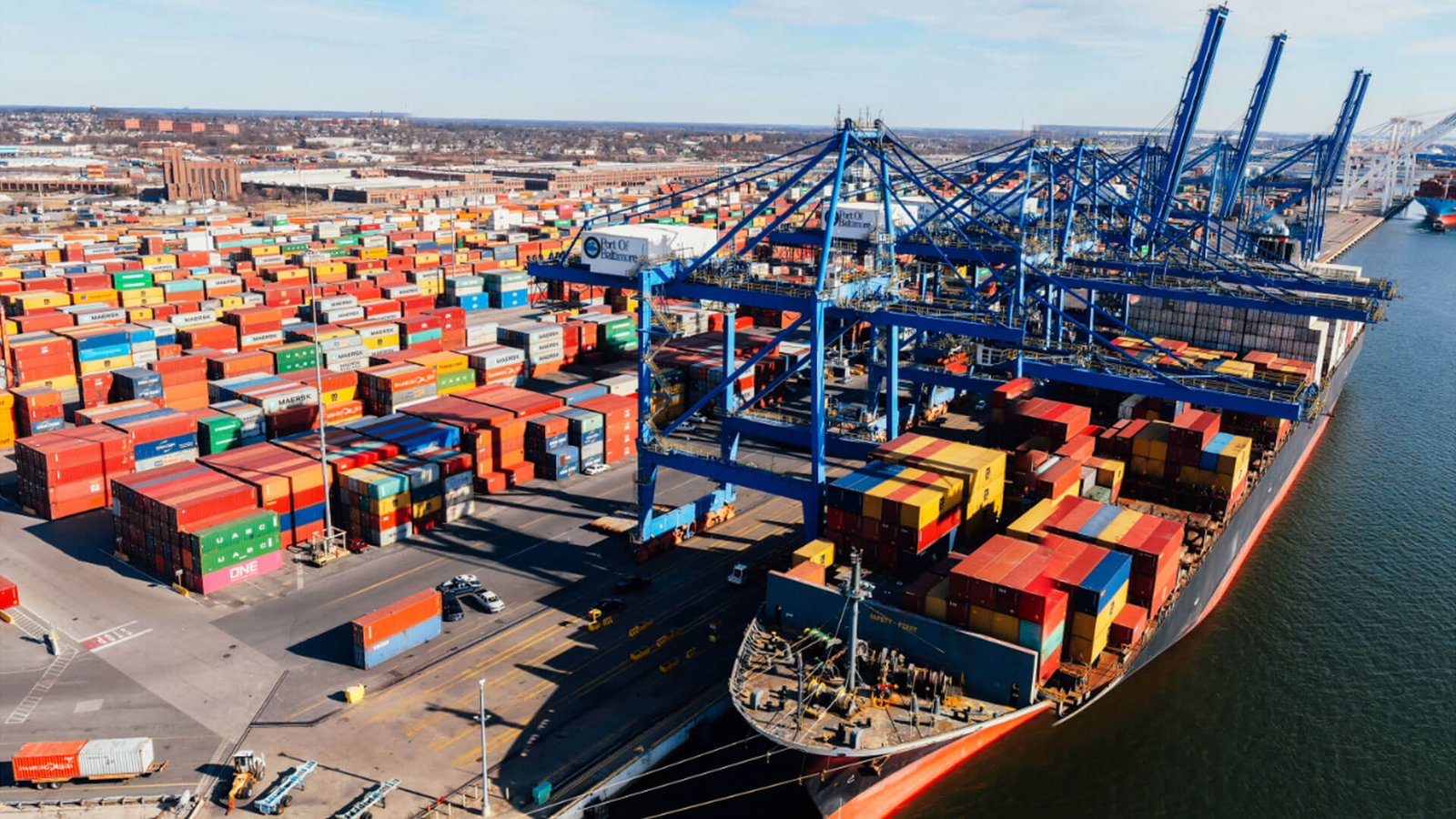
U.S. importers must evaluate their shipping needs to choose the best freight method for their Amazon FBA shipments. Options include air freight, ocean freight7, and domestic delivery4 methods. Each has its unique cost structure and transit times that can significantly impact your bottom line.
| Shipping Method | Best Use Case | Transit Time | Cost Level | Risk Level |
|---|---|---|---|---|
| Express Courier | Small, urgent launches | 3–7 days | $$$ | Low |
| Air Freight | Medium-volume, time-sensitive | 7–12 days | $$–$$$ | Medium |
| Ocean LCL | Small–mid bulk shipments | 25–40 days | $–$$ | Medium |
| Ocean FCL | High-volume imports | 25–35 days | $ | Low |
| Domestic LTL/FTL | Final mile to Amazon FC | 1–5 days | $–$$ | Medium |
Choosing the right method based on your specific needs can help manage costs effectively while ensuring timely delivery to Amazon.
What U.S. Importers Must Know About Duties, Customs Clearance, and Hidden Costs When Shipping to Amazon?
Understanding customs clearance and associated costs is vital for U.S. importers. This knowledge helps in anticipating expenses and ensuring compliance.

Importers must be aware of duties, tariffs, and other hidden costs involved in shipping to Amazon FBA. Proper knowledge of the customs clearance process can prevent unexpected fees and delays in delivery.
| Cost Type | Description |
|---|---|
| Import Duties | Taxes imposed on imported goods. |
| Customs Clearance Fees | Charges for processing goods through customs. |
| Landed Cost | Total cost of goods, including shipping and duties. |
Awareness of these costs is essential for maintaining a healthy profit margin when selling on Amazon.
How to Reduce Amazon FBA Shipping Mistakes, Delays, and Chargebacks Through Better Import Planning?
Mistakes in the shipping process can lead to costly delays and chargebacks10. Effective import planning is crucial for minimizing these risks.
To avoid common shipping mistakes, importers should focus on thorough planning and clear communication with all parties involved. This includes detailed tracking and compliance checks at every stage of the shipping process.
| Common Mistake | Solution |
|---|---|
| Missing FBA Labels | Ensure all products are correctly labeled. |
| Customs Misclassification | Double-check all shipping documents for accuracy. |
| Poor Consolidation | Work with reliable freight forwarders and prep centers. |
Taking these precautions can help you avoid penalties and ensure smoother operations overall.
Conclusion
In conclusion, successfully shipping to Amazon FBA requires comprehensive planning and an understanding of the entire process, from supplier pickup2 to final check-in.
Understanding the Amazon FBA shipping process is crucial for efficient logistics and cost savings. ↩
Knowing the supplier pickup process helps ensure timely collection of goods for Amazon FBA. ↩
Choosing the right international freight method can impact delivery speed and cost efficiency. ↩
Efficient domestic delivery ensures timely arrival of goods at Amazon Fulfillment Centers. ↩
Proper FBA prep and labeling are essential to meet Amazon's requirements and avoid rejections. ↩
Understanding customs clearance is vital to avoid delays and additional costs in Amazon FBA shipping. ↩
Ocean freight is cost-effective for large shipments, though it requires careful planning for timing. ↩
A U.S. prep center can enhance compliance and packaging quality for Amazon FBA shipments. ↩
Meeting Amazon's carton size requirements prevents shipment rejections and delays. ↩
Reducing chargebacks through better planning minimizes financial losses and operational disruptions. ↩