Facing rising tariffs1? These sudden costs can crush your profit margins and make your pricing obsolete overnight. You need a plan to protect your import business from this volatility.
You can protect your import business by legally mitigating tariff impacts through strategic classification, valuation, and origin analysis. A broker-led plan and flexible logistics are key to building a resilient supply chain and maintaining control over your landed costs2 when duties unexpectedly increase.
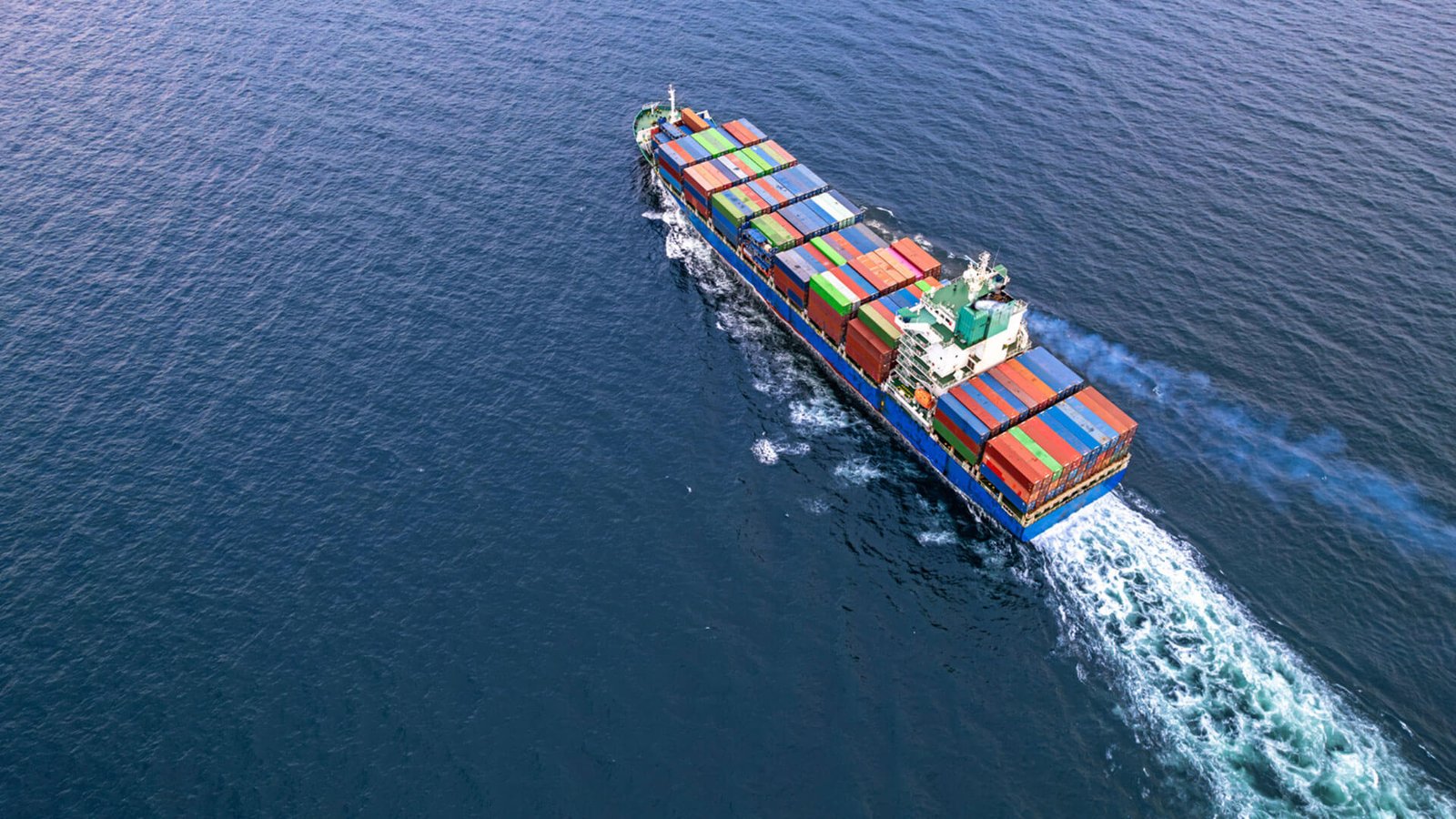
The threat of rising tariffs1 is real and can feel overwhelming. Many importers I talk to feel helpless, watching their landed costs2 spiral out of control. But you have more power than you think. Let's break down exactly how these tariffs hit your bottom line and what you can do about it. It starts with understanding the real damage.
How Rising Tariffs Directly Increase Landed Cost, Break Pricing Models, and Compress Importer Margins?
Your pricing models depend on predictable landed costs2. When tariffs suddenly rise, those models break, and your margins evaporate. It’s a painful hit that you often absorb directly.
Rising tariffs directly increase your landed cost, often unpredictably. Many importers must absorb this cost before they can adjust prices. This problem is worse with fixed pricing, long lead times, and poor customs planning, which magnify the financial damage and destroy profitability.

The real danger isn't just one tariff. It's "tariff stacking3." Your product might already have a standard Most-Favored-Nation (MFN) duty rate4. Then, a Section 301 tariff5 gets added on top. Sometimes, an emergency or anti-dumping duty6 is added too. These layers compound quickly. I've seen importers adopt a "wait and see" approach, hoping the tariffs will be temporary. This is a huge mistake. While you wait, every container that lands costs you thousands more. Your margins for that quarter are gone. You must stop thinking about the tariff rate and focus on your total landed cost. This is the true metric of your business's health. It includes the product cost, shipping, insurance, and all duties and taxes. When tariffs rise, this is the number that exposes your real financial risk. A 10% tariff doesn't just add 10%; it can make a profitable product line completely unviable.
Which Products, Countries, and Supply Chains Are Most Exposed When Tariffs Increase?
You might believe your supply chain is diversified. But hidden risks in your product mix or country of origin7 can make you extremely vulnerable to sudden tariff increases.
Products with high duty sensitivity and a strong reliance on China are most exposed to tariff hikes. This includes consumer goods, electronics, and other low-margin, high-volume products. Single-source supply chains from any one country are especially fragile and face the highest risk.
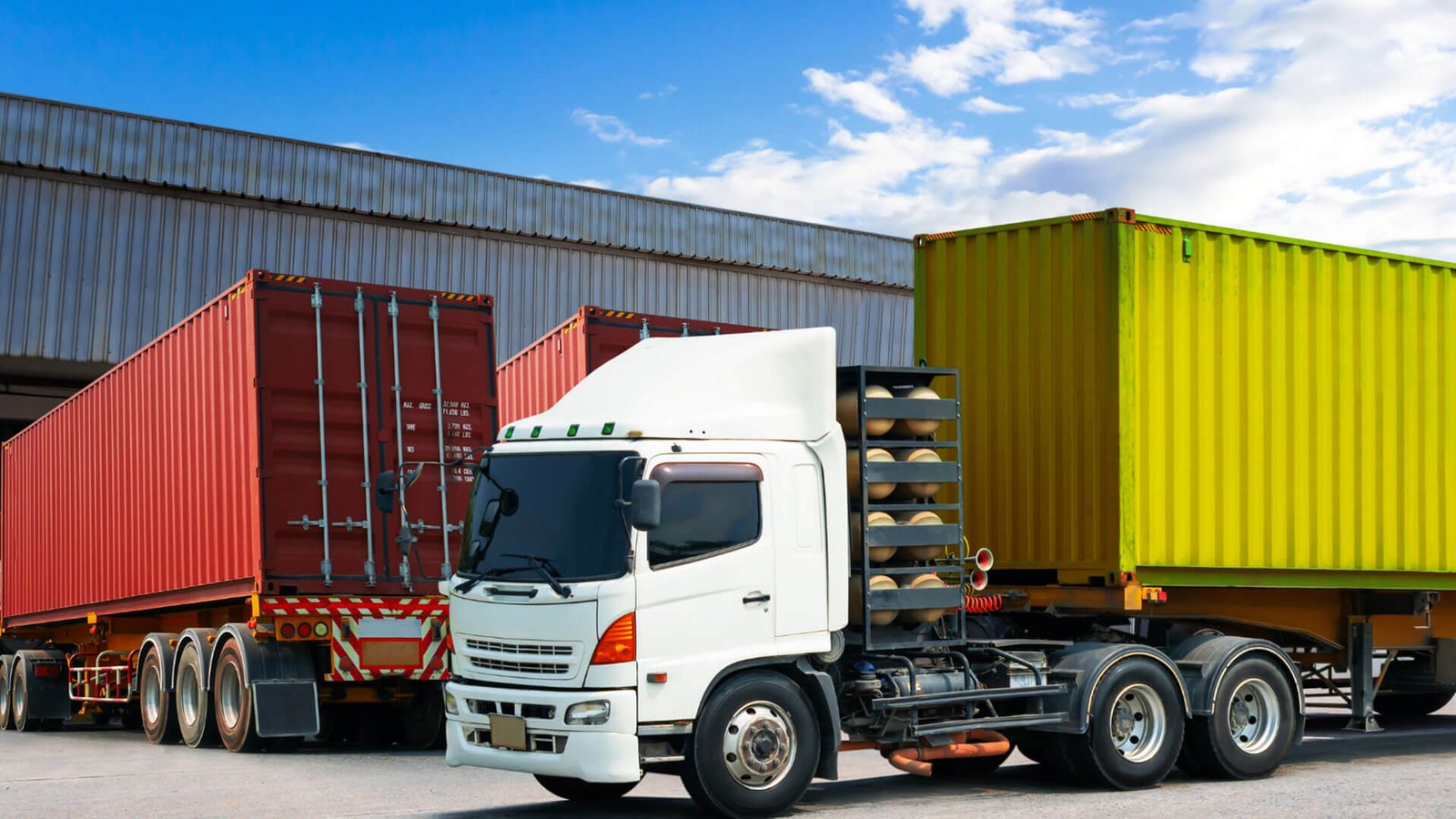
In my experience, the biggest red flags are high-volume consumer goods and electronics coming from China. These products often operate on thin margins, so even a small tariff increase can wipe out profitability. If you're single-sourcing these items from one factory in China, your risk is magnified. When tariffs hit, everyone scrambles to find new suppliers in places like Vietnam or Mexico. But this leads to a common and costly mistake: confusing rerouting with re-origin. Just shipping a Chinese product through another country does not change its country of origin7. U.S. Customs and Border Protection (CBP) is very strict about this. To legally change the origin, the product must undergo a "substantial transformation8" in the second country. Simply repackaging it is not enough. Getting this wrong can lead to massive penalties on top of the tariffs you were trying to avoid.
Case Study 1: The DDP Tariff Shock
A client of mine was importing a full container of consumer electronics from China to Los Angeles on DDP terms9. Halfway through the ocean transit, a new Section 301 tariff5 was announced. Their DDP provider, who had quoted a fixed price, suddenly demanded a multi-thousand-dollar surcharge to cover the new duty. The importer was stuck. They couldn't refuse the cargo, so they had to pay. This single event completely erased the profit margin on the entire shipment. The lesson was clear: relying on a simple DDP agreement without a clear plan for tariff changes is a dangerous gamble.
How U.S. Importers Can Legally Reduce Tariff Impact Through Classification, Valuation, and Origin Strategy?
Paying high tariffs can feel like a mandatory tax on your business. You feel forced to absorb the cost, hurting your bottom line. But there are fully legal ways to reduce this impact.
Importers can legally reduce tariff impacts by ensuring their goods have the correct HTS classification10, using the proper valuation method11, and verifying the true country of origin7. These strategies, guided by a customs broker12, can significantly and legally lower duty liability.
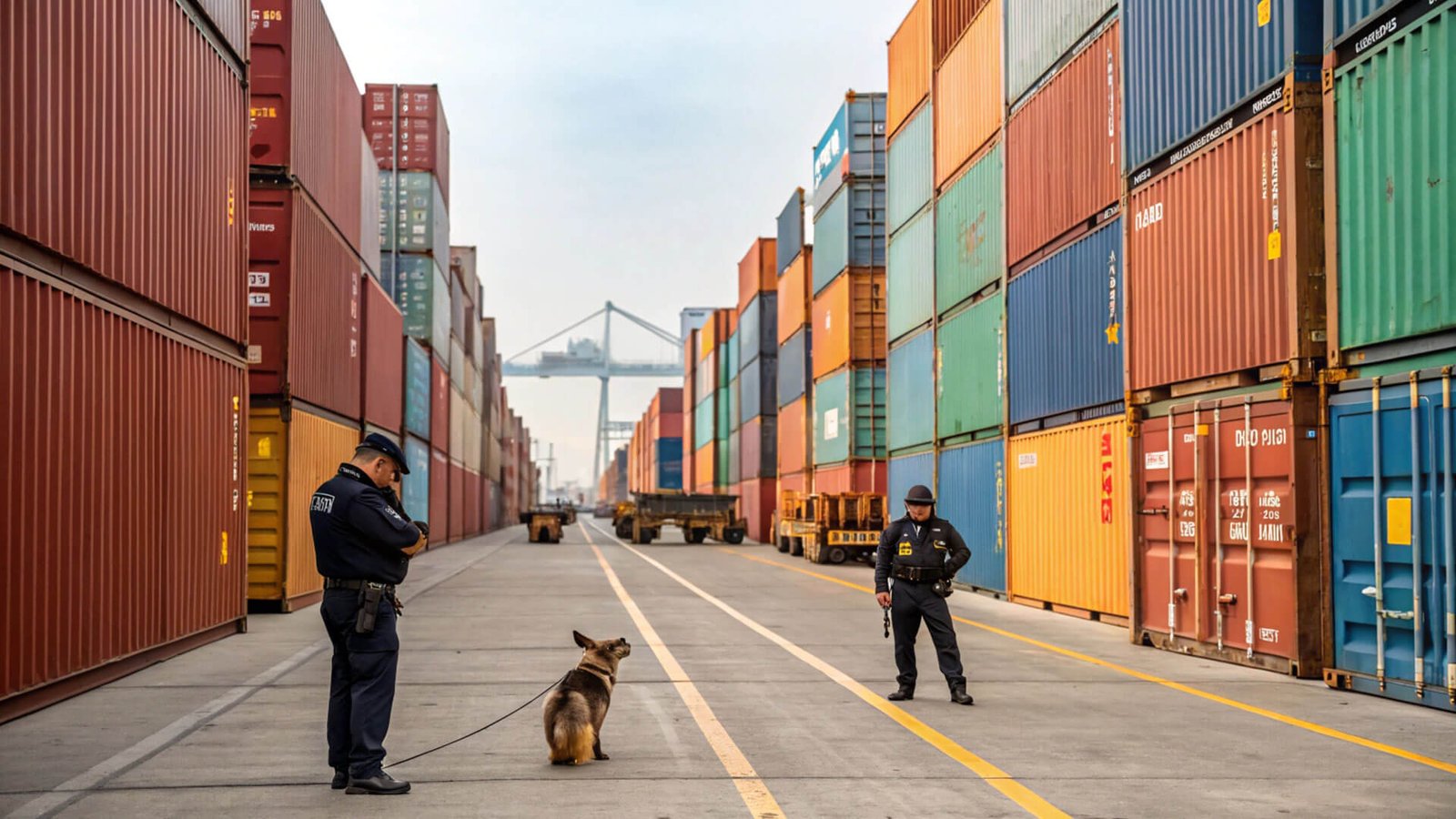
This is where working with a knowledgeable customs broker12 becomes a powerful tool. It's not about finding loopholes; it's about applying the customs regulations correctly. First, we review your product's HTS classification10. Many importers use codes that are "close enough," but a different, more accurate code might have a lower duty rate. For total certainty, we can file for a Binding Ruling13 from CBP. This locks in your classification for future shipments. Next, we look at valuation. Most importers use the transaction value—what you paid for the goods. But are you including non-dutiable costs like certain fees or inland freight in your dutiable value? Correcting this can lower your duty payment. Finally, we analyze the country of origin7. As mentioned, substantial transformation8 is key. We can help you document your process to prove a new origin and potentially qualify for lower tariffs or free trade agreements. Guessing on any of these can lead to audits and penalties.
Tariff Mitigation Strategy Matrix
| Strategy | What It Addresses | Risk Level | Long-Term Value |
|---|---|---|---|
| HTS Reclassification | Overpaid duties due to incorrect codes | Medium | High |
| Binding Ruling13s | Classification uncertainty and future risk | Low | Very High |
| Origin Analysis | Tariff exposure and FTAs eligibility | Medium | High |
| Valuation Review | Inflated dutiable value from incorrect calculations | Medium | Medium |
| Warehousing Strategy | Cash flow timing for duty payments | Low | Medium |
| Broker-Led Planning | Overall execution risk and unpredictability | Low | Very High |
| “Wait and Absorb” | Nothing. It's a reaction, not a strategy. | High | None |
Why DDP, Fixed-Price Contracts, and Poor Customs Planning Fail First When Tariffs Rise?
You chose a DDP or fixed-price contract for simplicity and cost certainty. But when tariffs rise unexpectedly, these agreements often break, leaving you with surprise bills and disputes.
DDP (Delivered Duty Paid) and fixed-price contracts fail because they concentrate all tariff risk into a fragile agreement. When tariffs rise, suppliers often cannot absorb the cost, leading to disputes. The Importer of Record remains liable for all duties.
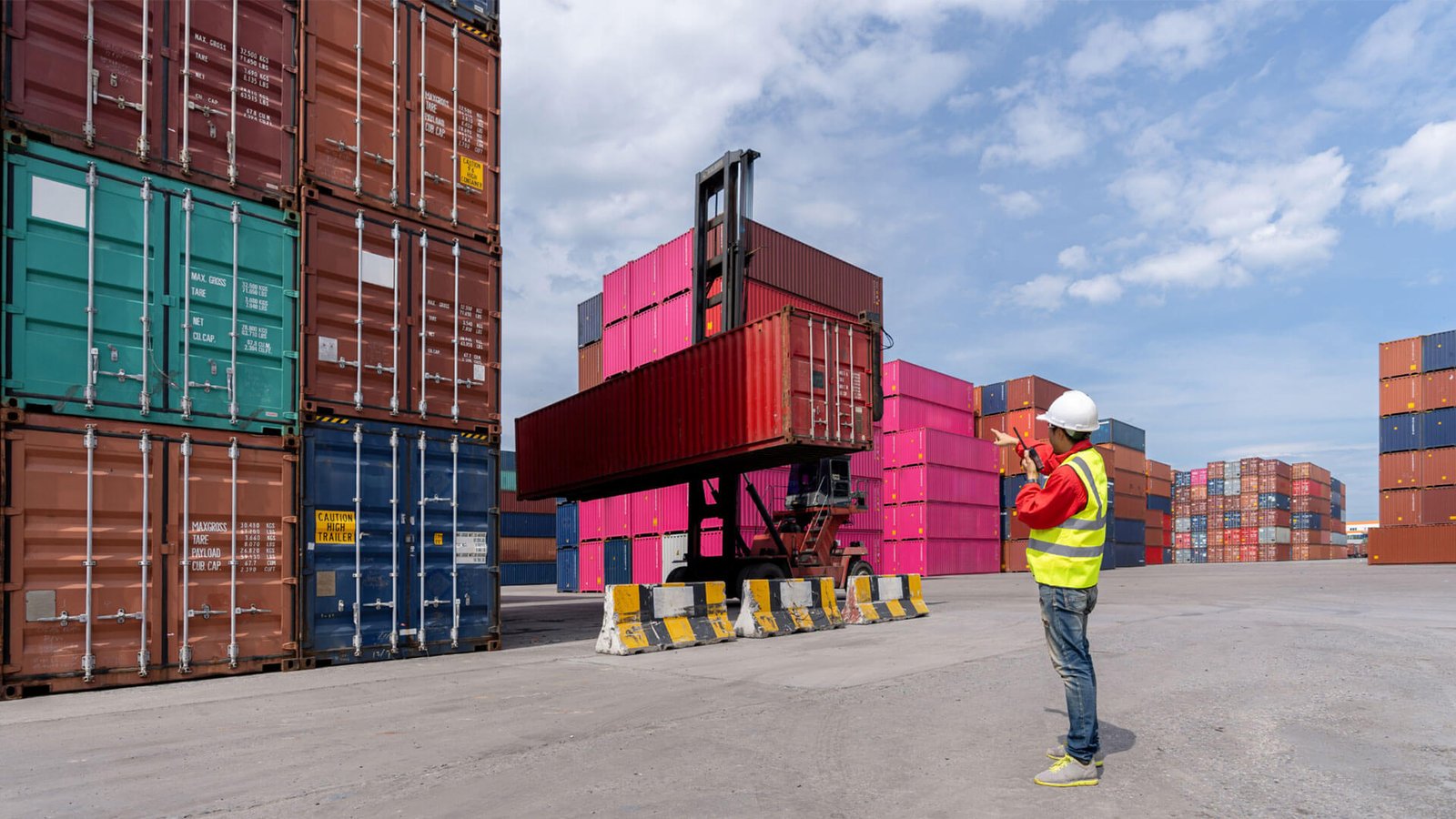
Many importers love DDP because it seems easy. Your supplier handles everything. But here’s the problem: when a 25% tariff appears out of nowhere, that overseas supplier isn't going to just absorb a loss that big. They will come back to you for more money. I see this all the time. Your container is already on the water, and you have no choice but to pay. What's worse, even under DDP, you, the U.S. buyer, are usually the Importer of Record. This means you are legally responsible to the U.S. government for the duties. If your DDP provider messes up the customs entry, CBP will come after you, not them. A better approach is "broker-controlled DDP14," where you hire the forwarder and customs broker12. This way, you control the customs entry and have full visibility, even if the seller pays the freight.
Case Study 2: The Fixed-Price Contract Failure
An importer of home goods in New Jersey had a long-standing fixed-price purchase order with their Chinese supplier. Production was underway when the U.S. announced new tariffs on their products. The supplier refused to ship unless the importer agreed to cover the entire new duty amount. The importer’s pricing was already set for the season, and absorbing the cost meant selling at a loss. They were forced to agree just to get their inventory. This painful experience led them to completely renegotiate their sourcing contracts and bring in a customs broker12 to build a proactive strategy for all future orders.
How Importers Can Build a Tariff-Resilient Import Strategy Using Broker-Led Planning and Flexible Logistics?
Constantly reacting to tariff news is exhausting and expensive. You're always putting out fires instead of growing your business. It's time to build a proactive strategy that anticipates change.
A tariff-resilient strategy15 involves proactive planning with a customs broker12 before you ship. This includes scenario modeling, flexible entry strategies, and aligning your warehousing to manage cash flow. This approach provides control and predictability.

A truly resilient import strategy isn't a one-time fix; it's an ongoing process. It starts with broker-led planning. We sit down with clients and model different tariff scenarios. What happens if duties go up by 10%? 25%? This shows you the exact financial impact ahead of time. Next, we build flexibility into your logistics. For example, instead of clearing customs immediately upon arrival, we can move your goods into a bonded warehouse16. This allows you to defer duty payment until you sell the goods, improving your cash flow. It also gives you time to re-export goods without paying U.S. duty if market conditions change. This is about long-term cost control, not short-term, panicked reactions. It's about turning your supply chain from a liability into a strategic advantage.
Case Study 3: The Protected Importer
We worked with an importer of industrial components shipping from China to Houston. They were worried about potential tariff hikes. Before they even placed their next order, our team conducted a full review of their products. We identified a more accurate HTS classification10 with a lower duty rate and helped them secure a Binding Ruling13 from CBP to lock it in. When new tariffs were eventually announced, the impact on their business was significantly reduced. They had a stable, predictable landed cost, which protected their margins and gave them a huge advantage over competitors who were scrambling to react.
Tariff Protection Playbook for U.S. Importers
| Step | Action |
|---|---|
| 1. Identify Exposure | Map all your products, their HTS codes, and countries of origin. |
| 2. Model Landed Cost | Create a spreadsheet that includes best-case and worst-case tariff scenarios. |
| 3. Review Classification | Work with a broker to validate every HTS code for accuracy and opportunity. |
| 4. Analyze Origin | Confirm the true country of origin7 and document any substantial transformation8. |
| 5. Secure Rulings | For high-value or uncertain items, get a Binding Ruling13 from CBP. |
| 6. Re-design DDP | Shift to a model where your broker controls the customs entry. |
| 7. Align Warehousing | Consider using bonded warehouse16s or Foreign Trade Zones17 to manage cash flow. |
| 8. Monitor Changes | Set up alerts for tariff policy updates18 affecting your products. |
| 9. Prepare Disputes | Have clauses in your purchase contracts that address tariff changes. |
Conclusion
Tariffs don't kill businesses; being unprepared does. The difference between profit and loss is proactive, broker-led planning combined with flexible logistics. This is how you stay in control.
Understanding the impact of rising tariffs is crucial for importers to protect their profit margins and pricing models. ↩
Landed costs are essential for importers to calculate total expenses, including tariffs, affecting profitability. ↩
Tariff stacking can compound costs for importers, making it vital to understand its impact on financial health. ↩
Knowing the MFN duty rate helps importers anticipate standard tariff costs and plan accordingly. ↩
Section 301 tariffs can suddenly increase costs for importers, making it important to understand their implications. ↩
Anti-dumping duties can add unexpected costs, so importers need to be aware of their potential impact. ↩
Accurate country of origin verification can affect tariff rates, making it crucial for importers to ensure correctness. ↩
Understanding substantial transformation is key for importers to legally change product origin and reduce tariffs. ↩
DDP terms simplify shipping but can expose importers to tariff risks, making it important to understand their implications. ↩
Correct HTS classification can reduce tariff costs, making it crucial for importers to ensure accuracy. ↩
Choosing the right valuation method can lower duty payments, benefiting importers financially. ↩
A customs broker can guide importers in legally reducing tariff impacts through strategic planning. ↩
A Binding Ruling provides certainty in classification, helping importers avoid unexpected tariff costs. ↩
Broker-controlled DDP offers importers more control over customs entries, reducing tariff-related risks. ↩
A tariff-resilient strategy helps importers anticipate changes and maintain control over costs. ↩
Using bonded warehouses allows importers to defer duty payments, improving cash flow management. ↩
Foreign Trade Zones offer importers opportunities to manage tariffs and improve cash flow. ↩
Staying informed about tariff policy updates helps importers anticipate changes and adjust strategies. ↩