Chasing low freight rates but your total costs are still high? The problem lies after the port, where hidden fees1 silently destroy your margins and complicate your supply chain.
Warehousing and distribution directly reduce total landed cost2 by optimizing inland transport, minimizing storage fees, avoiding penalties like demurrage3, and improving cash flow. Smart post-port logistics offers bigger savings than just cheap ocean freight.
Many importers I talk to focus almost entirely on the ocean freight quote. They fight for every dollar on the sea but don't realize they're losing ten dollars on land. This happens when your container arrives in the U.S. without a clear, efficient plan for what comes next. The real savings, the kind that impacts your bottom line, are found in what happens after your container is off the ship. Let’s break down where that money is and how you can get it back.
What Total Landed Cost Really Includes and Why Warehousing and Distribution Decisions Matter More Than Freight Rates?
You got a great freight rate, but the final invoice is a shock. Hidden fees and unexpected charges add up, making your "deal" feel anything but cheap.
Total landed cost includes freight, duties, customs fees, inland transport, drayage4, storage, handling, and risk costs like delays. Warehousing and distribution decisions often outweigh freight savings because they control these expensive post-port variables.
For years, I’ve seen importers fixate on the ocean freight rate5 from China to the USA. It’s an easy number to compare, but it tells a very small part of the story. Your total landed cost2 is the real number you should care about. It’s the final, all-in cost to get a product from the factory floor to your customer's door. This includes the ocean freight, yes, but also customs duties6, insurance, drayage4 from the port, inland trucking, warehouse handling fees, and storage. It even includes "soft" costs like the capital tied up7 in slow-moving inventory8 and the financial hit from stockouts9.
Focusing only on cheap freight is a trap. A cheap sailing might arrive at a congested port, leading to thousands in demurrage3 fees. Or it arrives at a port far from your customers, leading to massive inland trucking bills. Your warehousing and distribution strategy dictates these post-port costs. A smart plan can easily save you more than a few hundred dollars on an ocean freight quote ever could.
Here's how the costs stack up before and after a strategic warehousing plan.
| Cost Component | Before Optimization | After Optimization |
|---|---|---|
| Ocean Freight | Standard | Standard |
| Drayage | High | Reduced |
| Storage | Excessive | Controlled |
| Handling | Multiple touches | Fewer touches |
| Inventory Carrying Cost | High | Lower |
| Demurrage / Detention | Frequent | Minimal |
| Final-Mile Delivery | Expensive | Optimized |
| Total Landed Cost | High & volatile | Lower & predictable |
How Strategic Warehouse Location Reduces Inland Freight, Drayage, and Final-Mile Delivery Costs?
Is your container arriving at a port far from your customers? You're paying a fortune in trucking fees, eroding your profits with every mile you ship goods across the country.
A warehouse located strategically near your main customer base or a central distribution hub drastically cuts inland transport costs. It reduces expensive drayage4 from the port and lowers final-mile delivery10 expenses, directly lowering your total landed cost2.
The location of your warehouse is one of the biggest levers you can pull to control landed cost. Many importers default to using a warehouse right next to the port of arrival, like Los Angeles or New York. This seems logical, as it minimizes the initial drayage4 cost. However, if 80% of your customers are in the Midwest, you will spend a fortune on long-haul trucking for every single order.
A better strategy is often to use a regional distribution center. You pay for one long-haul move from the port to a warehouse in a central location like Chicago or Dallas. From there, your final-mile deliveries are much shorter and cheaper. This "hub-and-spoke" model transforms your cost structure from one based on expensive, individual cross-country shipments to one based on efficient, localized deliveries. It not only cuts your freight spend but also improves delivery times and customer satisfaction. The key is to analyze where your products are actually going and place your inventory closer to that demand.
Case Study 1: Cutting Inland Freight for Consumer Goods A client of ours was importing full containers of consumer goods from China to Los Angeles. Their customers were mostly big-box retailers in the Midwest. They stored everything in a warehouse near the LA port and paid for expensive Less-Than-Truckload (LTL) shipping to Illinois, Ohio, and Michigan. Their landed cost was inflated by these high inland freight bills. We helped them shift their strategy. Now, they ship full truckloads from the port directly to a smaller, more affordable distribution center we manage for them in the Midwest. Their final-mile delivery10 costs plummeted, and their delivery times improved by days, which made their retail partners very happy.
How Distribution Strategies Like Cross-Docking and Pool Distribution Lower Storage and Handling Expenses?
Your goods sit in a warehouse for weeks, racking up storage fees. Every day they sit, your cash is tied up and your costs increase with no added value.
Distribution strategies like cross-docking11 and pool distribution12 minimize storage time and reduce handling. Goods are moved quickly from inbound to outbound trucks, avoiding costly long-term storage and multiple touches, which directly lowers handling expenses.
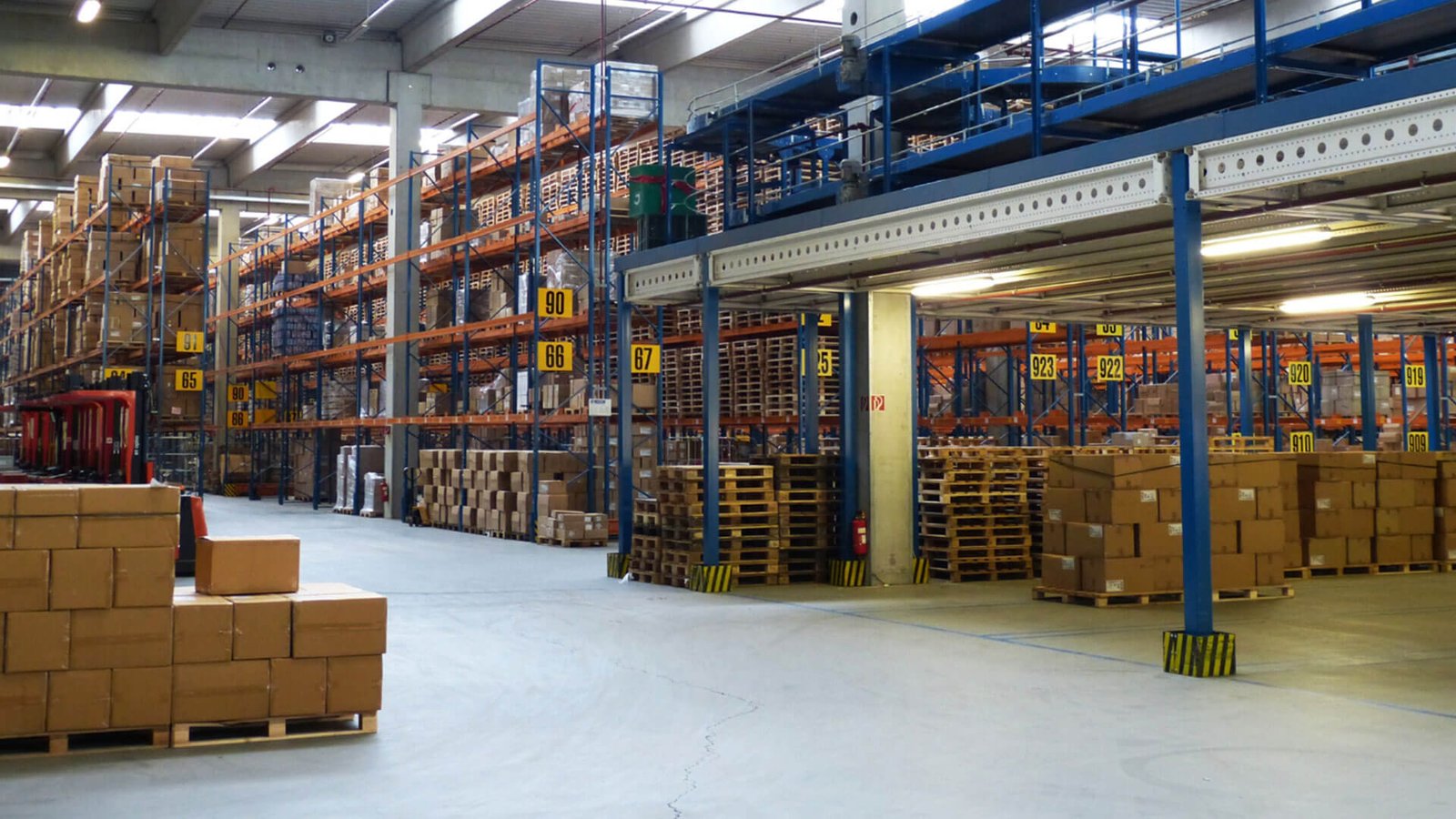
A warehouse shouldn't just be a place where goods go to sit. For many importers, it should be a high-velocity flow-through center. Two powerful strategies we use to achieve this are cross-docking11 and pool distribution12.
Cross-docking is ideal for importers who have pre-sold their inventory. When your container arrives at our warehouse, we don't put it away on a shelf. Instead, we unload it, sort the goods for different customer orders, and immediately load them onto outbound trucks for final delivery. The product might be in our facility for less than 24-48 hours. This nearly eliminates storage costs and reduces handling fees because we only touch the pallets once.
Pool distribution is perfect for importers shipping to multiple locations in the same geographic area. Instead of sending 20 small, expensive LTL shipments from the warehouse, we consolidate them onto one full truck. That truck makes multiple stops to deliver to all customers in that region. You share the cost of the full truck with other shipments, dramatically lowering your per-unit delivery cost compared to individual LTL.
Case Study 2: Slashing Storage Costs with Cross-Docking We work with a retail importer who brings in seasonal goods via DDP shipping13 from China to New Jersey. Previously, their containers would arrive and sit in a warehouse for weeks, waiting to be allocated to stores. They were paying huge storage and handling fees. We implemented a cross-docking11 program for them. Now, before the vessel even arrives, they provide us with the allocation plan for each store. The moment the container is unloaded at our warehouse, we sort and reload the goods onto outbound trucks. Their storage costs have dropped by over 70%, and their products hit the sales floor much faster, improving their cash flow.
Why Inventory Positioning and Turnover Inside Warehouses Directly Impact Cash Flow and Landed Cost?
You have a warehouse full of product, but sales are slow for some items. That dead stock is not just taking up space—it's actively costing you money every single day.
Slow-moving inventory inflates landed cost by tying up your capital, which could be used elsewhere. It also increases storage and handling costs. High inventory turnover means your goods sell quickly, improving cash flow and reducing your per-unit landed cost.
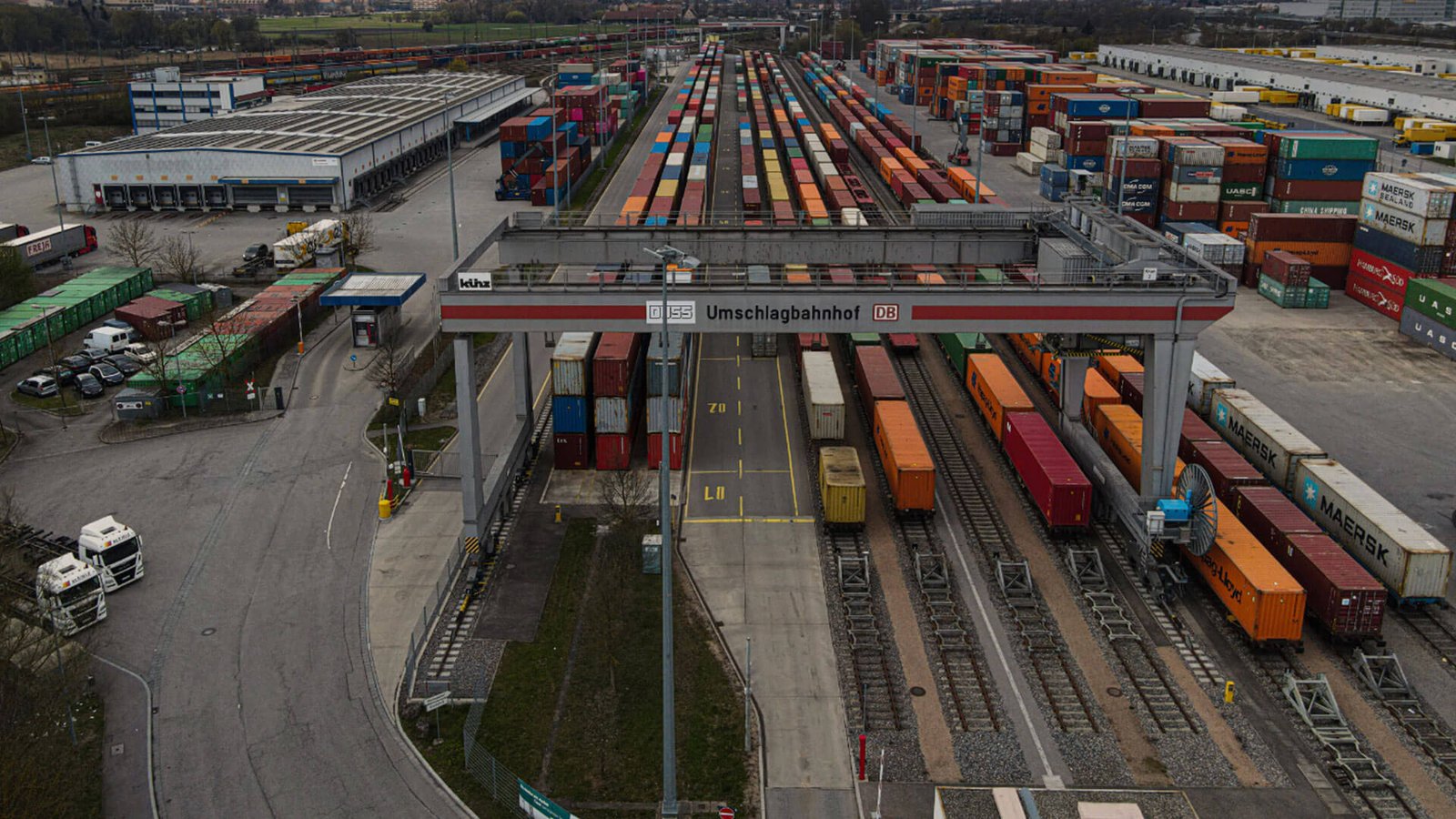
Every box sitting in my warehouse represents your cash. When inventory moves quickly, your cash is freed up to be reinvested in more products, marketing, or growth. When inventory sits, your cash is frozen. This is what's known as inventory carrying cost14. It’s a real expense that includes the cost of the capital tied up7 in the product, storage fees, insurance, and the risk of the product becoming obsolete or damaged. Experts estimate this cost can be 20-30% of your inventory's value per year.
A smart warehousing strategy15 is about more than just storage; it’s about velocity. By analyzing your sales data, we can help you align your import schedule with your actual sales velocity. This means bringing in just enough stock to meet demand without creating a mountain of slow-moving goods. Proper inventory positioning—keeping fast-movers accessible and slow-movers in cheaper storage—also reduces handling time and labor costs. Faster turnover directly lowers your per-unit landed cost because each unit spends less time (and money) sitting in the warehouse.
Are you unknowingly letting costs pile up? Use this checklist to find out.
| Question | If Yes, You’re Losing Cost |
|---|---|
| Are you choosing freight based only on ocean rates? | ❌ Hidden post-arrival costs |
| Is your warehouse far from customers or ports? | ❌ Excess inland freight |
| Are containers sitting at port waiting for space? | ❌ Demurrage & detention |
| Is inventory turning slowly? | ❌ High carrying cost |
| Are you paying for long-term storage unnecessarily? | ❌ Storage inflation |
| Do customs, warehousing, and delivery operate separately? | ❌ Poor coordination |
| Is DDP pricing fixed but distribution variable? | ❌ Margin erosion |
How Warehousing and Distribution Help Importers Control Risk Costs Such as Demurrage, Detention, and Stockouts?
Port congestion has your container stuck, and the bills for demurrage3 are piling up. These unexpected penalties can wipe out your entire profit margin on a shipment.
A good warehousing partner helps you avoid demurrage3 and detention by quickly moving your containers out of the port. They also help you manage buffer inventory16 to prevent costly stockouts9, turning unpredictable risks into manageable landed costs.
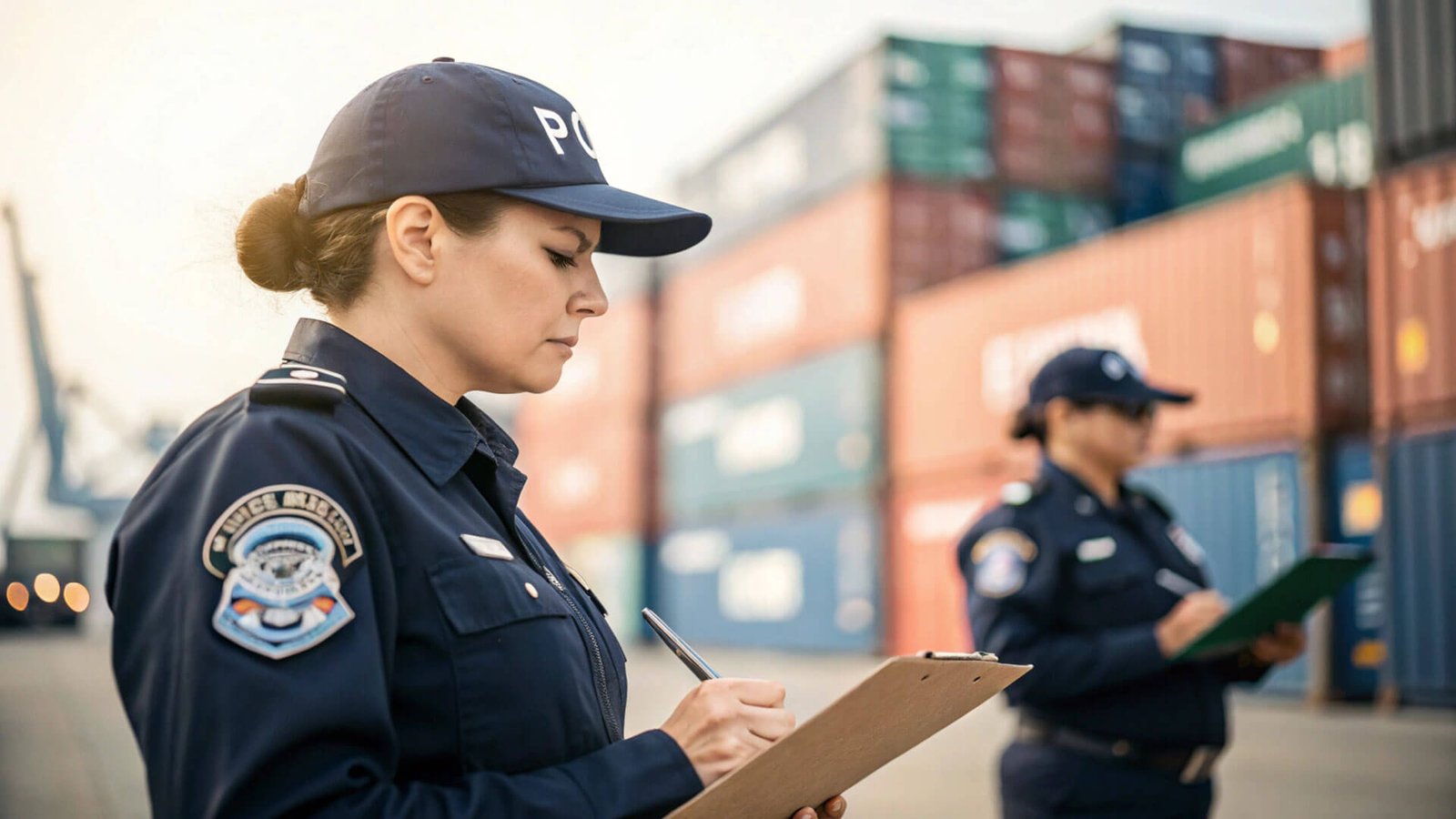
Demurrage and detention fees17 are pure penalties. They are 100% cost with 0% value, and they are a massive, often overlooked, part of total landed cost2. Demurrage is the fee for leaving your container at the port terminal for too long. Detention is the fee for keeping the carrier's container for too long outside the port. With port congestion being a constant reality, these fees can easily run into thousands of dollars per container.
The single best defense against these fees is having a warehouse plan in place before your container arrives. As your customs broker and warehouse provider, we clear your container and schedule its pickup immediately. We have the space and labor ready to receive it, so there is no delay. Your container is pulled from the port quickly, stopping the clock on demurrage3 and detention fees17. This simple, proactive step can be one of the biggest cost-saving measures in your entire supply chain. At the same time, a well-managed warehouse helps you avoid the opposite risk: stockouts9. A stockout is a hidden cost; you lose sales and potentially a customer. We help you maintain a calculated buffer stock to ensure you can meet demand even if a future shipment is delayed.
Case Study 3: Preventing Stockouts for Industrial Supplies An importer of industrial supplies selling to multi-state buyers faced constant stockouts9. Their clients needed parts on a reliable schedule, but supply chain delays meant they often had to pay for emergency air freight from China to keep customers happy. This destroyed their landed cost. We worked with them to analyze their sales cycle and create an optimized inventory plan. By positioning a 30-day buffer stock in our Houston warehouse, they could absorb most transit delays. This stabilized their supply, eliminated costly expedited shipments, and made their total landed cost2 predictable and profitable.
How U.S. Importers Can Use Integrated Warehousing, Distribution, and Customs Planning to Optimize Total Landed Cost?
Your freight forwarder, customs broker, and warehouse don't talk to each other. This lack of coordination leads to delays, errors, and a constant stream of surprise costs.
The lowest landed cost is achieved when shipping, customs, and warehousing are planned together as one seamless process. An integrated provider coordinates everything from vessel arrival to final delivery, eliminating the gaps where costs and delays occur.
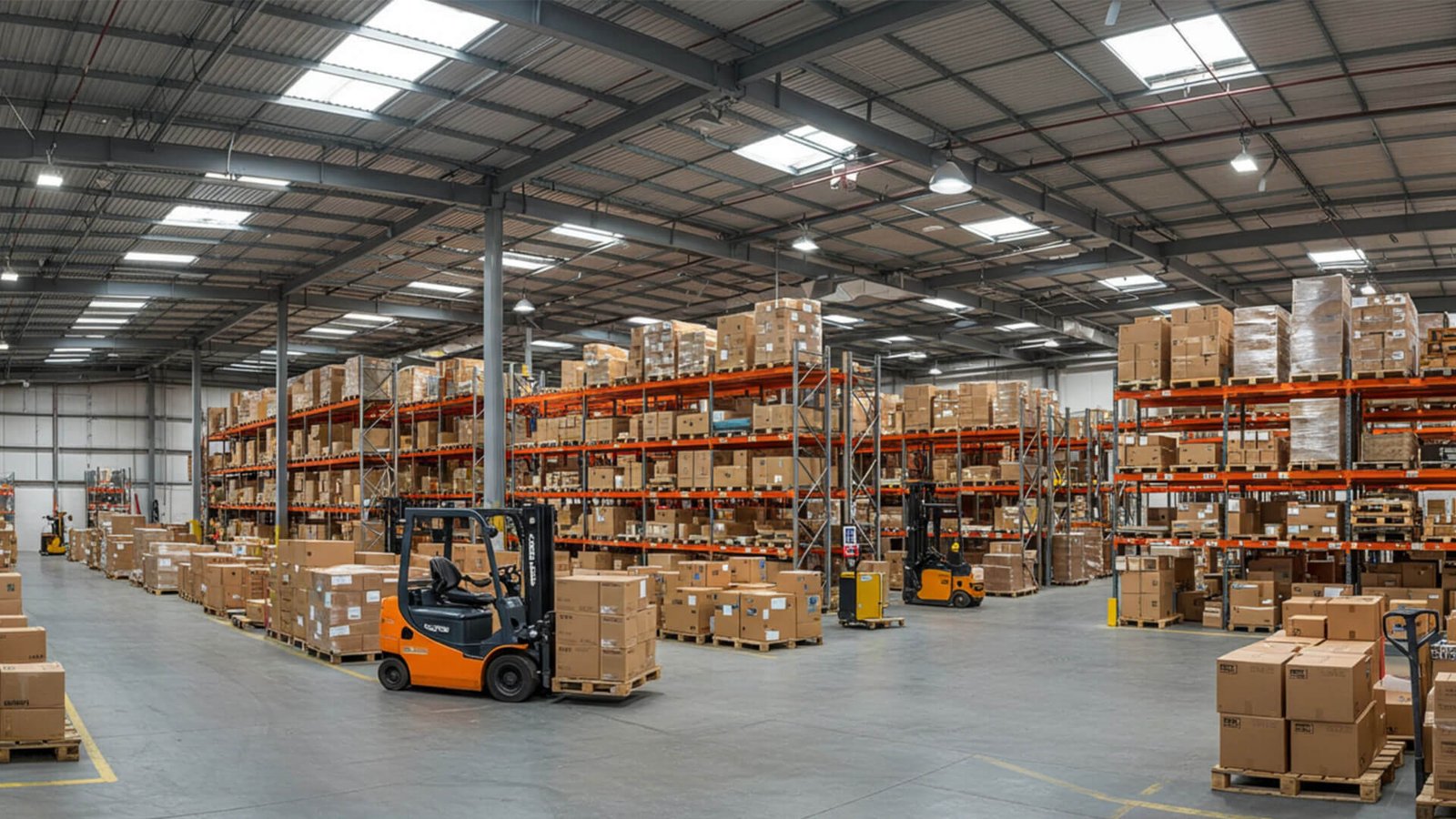
The ultimate way to reduce your total landed cost2 is to stop treating logistics as a series of separate steps. When your freight forwarder, U.S. customs broker, and warehouse operator are three different companies, no one has full visibility or accountability. The forwarder’s job ends at the port. The broker’s job ends with customs clearance. The warehouse only knows what’s happening when a truck shows up. The gaps between these handoffs are where your money disappears.
As an integrated provider, we manage the entire process for you. We are your freight forwarder, your customs broker, and your warehouse partner. Before your shipment even leaves China, we are already planning its U.S. distribution. We time the customs clearance to align perfectly with warehouse availability and your cash flow needs for duty payments. If you use our DDP shipping service, we build the final distribution plan right into the pricing, so you have true door-to-door cost certainty. There is one point of contact, one chain of custody, and one team responsible for getting your total landed cost as low as possible. This isn't just about convenience; it's about eliminating the inefficiencies that inflate your costs.
Conclusion
Warehousing and distribution are not just overhead; they are your best cost-control tools. The biggest leaks in your landed cost happen after customs clearance. An integrated logistics plan is key.
Understanding hidden fees can help you identify and eliminate unnecessary costs in your supply chain, improving your overall profitability. ↩
Knowing the components of total landed cost helps you manage expenses and optimize your supply chain for better financial outcomes. ↩
Avoiding demurrage fees can save you thousands of dollars, making your import operations more cost-effective and efficient. ↩
Understanding drayage costs can help you optimize transportation expenses and improve your supply chain efficiency. ↩
Understanding the limitations of ocean freight rates can help you avoid hidden costs and optimize your logistics strategy. ↩
Effective management of customs duties can reduce costs and streamline import processes, enhancing profitability. ↩
Freeing up capital tied in inventory can enhance liquidity and allow for better investment in growth opportunities. ↩
Managing slow-moving inventory effectively can improve cash flow and reduce storage costs, benefiting your bottom line. ↩
Preventing stockouts ensures product availability, maintaining customer satisfaction and protecting revenue. ↩
Optimizing final-mile delivery can reduce expenses and improve customer service, enhancing your competitive edge. ↩
Cross-docking can significantly reduce storage costs and improve cash flow by minimizing handling and storage time. ↩
Pool distribution can reduce per-unit delivery costs, making your logistics operations more efficient and cost-effective. ↩
DDP shipping offers cost certainty and simplifies logistics, making it easier to manage expenses and improve efficiency. ↩
Reducing inventory carrying costs frees up capital and lowers expenses, enhancing your business's financial health. ↩
A well-planned warehousing strategy can reduce costs and improve efficiency, boosting your supply chain performance. ↩
Maintaining buffer inventory can prevent stockouts and ensure consistent supply, protecting your revenue and customer relationships. ↩
Avoiding detention fees can prevent unexpected costs, ensuring your logistics operations remain profitable. ↩