Struggling with high import duties1 cutting into your profits? Imagine there's a legal way to lower or even eliminate them. Preferential duties offer this, but getting them wrong is costly.
Preferential duty rates2 are special lower or zero tariffs for eligible imports under trade agreements. To qualify, your product must meet strict 'rules of origin3' from a specific country, regardless of where it ships from. This can significantly reduce your landed costs4 when claimed correctly.

It sounds simple, but the devil is in the details. As a customs broker5, I've seen importers get this wrong and face audits and penalties. It's not about where your container sails from; it's about where your product was truly made. Let's break down exactly how these rates work and what it takes to actually benefit from them, so you can lower your costs without risking compliance nightmares.
What Preferential Duty Rates Are and How They Reduce or Eliminate Import Duties for Eligible U.S. Importers?
Paying standard duties feels like a fixed cost you can't escape. What if you could legally pay less? Preferential rates are the key, but they are not automatic or guaranteed.
Preferential duty rates2 are reduced or zero-duty tariffs granted to goods from specific countries under a trade agreement. They directly lower your import costs, but your products must meet strict origin criteria. They are a powerful alternative to standard Most-Favored-Nation (MFN) rates6.

When you import goods into the U.S., they are typically subject to a standard duty rate. This is known as the Most-Favored-Nation (MFN) rate. Think of it as the default tariff. However, the U.S. has Free Trade Agreements (FTAs)7 with various countries to encourage trade. Goods that qualify under these agreements receive "preferential" treatment, meaning they enter with a lower duty rate or, in many cases, no duty at all.
For an importer, the impact is direct. If your product has a 5% MFN duty rate but qualifies for a preferential rate of 0%, you save $5,000 in duties for every $100,000 of product value. This money goes straight to your bottom line. But "preferential" does not mean "automatic." You, the importer, must actively claim it and, more importantly, be able to prove your claim is valid if U.S. Customs and Border Protection (CBP)8 asks. This is where the risk lies.
Which Trade Programs Offer Preferential Duties and Why Country of Origin9 Matters More Than Shipping Origin?
You found a supplier in Vietnam shipping to the US. Does that mean you get preferential rates? Not so fast. This common mistake can lead to major customs issues and unexpected costs.
Preferential duties are tied to specific trade programs like the USMCA (for Mexico/Canada) or other Free Trade Agreements. Crucially, eligibility is based on the country of origin—where the goods were made—not the country they were shipped from. Shipping Chinese goods from another country won't qualify.
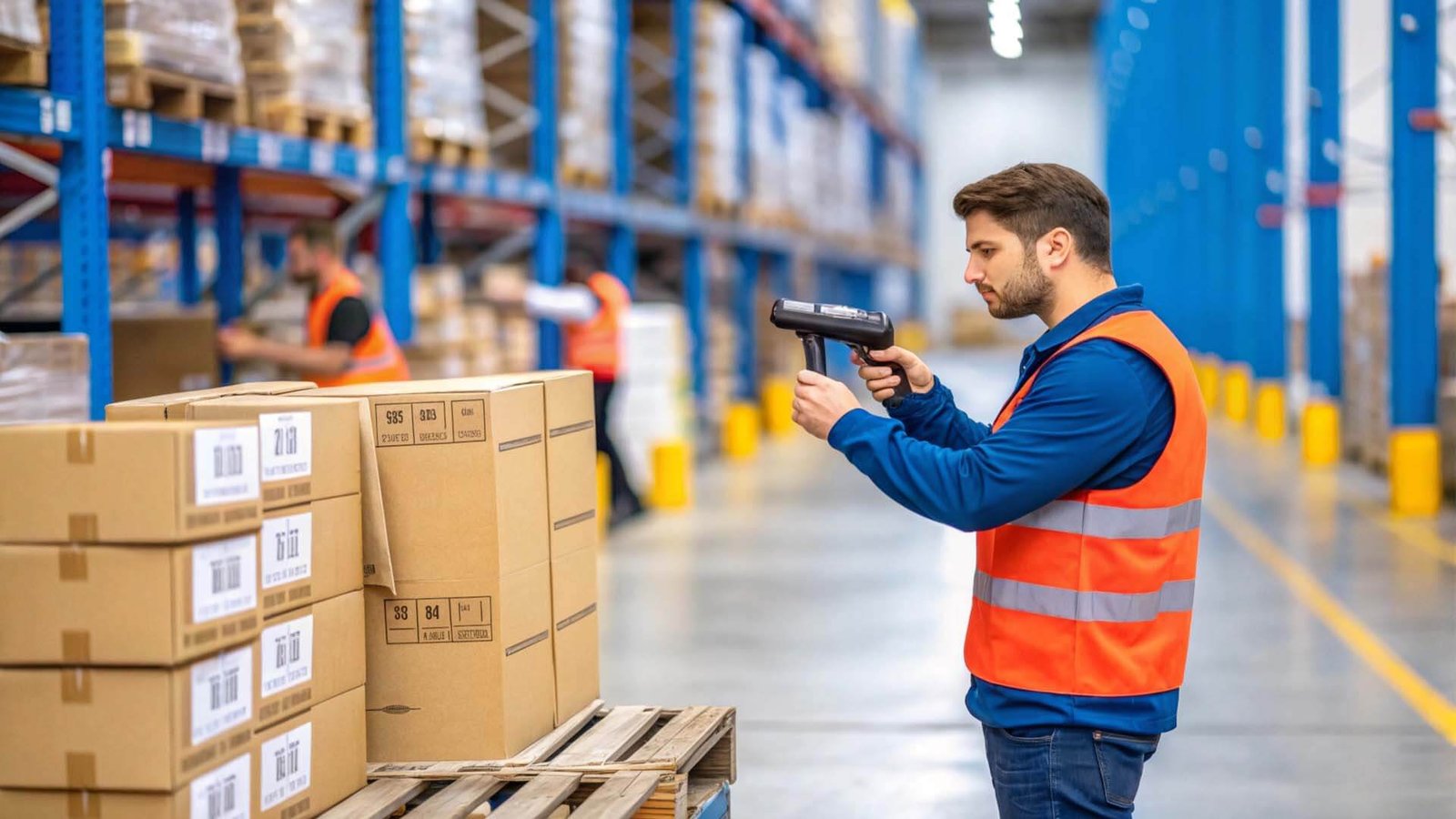
The U.S. has numerous trade programs, including the United States-Mexico-Canada Agreement (USMCA) and FTAs with countries like Australia, South Korea, and Colombia. Each program has its own set of rules. The most important rule is about the Country of Origin9. This is the country where the product was manufactured, grown, or produced. It is not the country from which the container was loaded onto a ship.
This distinction is critical, especially for importers sourcing from Asia. Many believe that if they ship goods made in China from a third country with a U.S. trade agreement, like Vietnam or Malaysia, they can claim preferential duties. This is incorrect and a major red flag for CBP. The origin is determined by production, not logistics.
Scenario 1 – Failure: The Transshipment Trap10
I worked with an importer of consumer goods who thought they found a clever loophole. They had their FCL container of Chinese-made products shipped from China to a port in Malaysia, then re-exported to the U.S. on a new bill of lading. They assumed this made the goods "Malaysian" and claimed a preferential duty rate. Months later, CBP audited the entry. They easily traced the product's true origin to China. The claim was retroactively denied, and the importer received a bill for all the back duties, plus interest and a significant penalty for negligence.
How Rules of Origin Determine Whether Your Products Actually Qualify for Preferential Duty Treatment?
Your product was assembled in Mexico with parts from China. Does it qualify for USMCA? The answer is complex. Misunderstanding "rules of origin3" is the #1 reason preferential duty claim11s fail.
Rules of Origin (ROO) are the specific criteria a product must meet to be considered "from" a certain country. This can involve a "tariff shift" or a minimum "regional value content." Simple assembly or partial processing of foreign materials is usually not enough to qualify.
Rules of Origin are the technical heart of any trade agreement. They prevent goods from non-partner countries (like China) from unfairly benefiting from the agreement. Just because a product's final assembly happens in a partner country doesn't mean it automatically qualifies. It must undergo a "substantial transformation." CBP defines this in a few key ways:
- Tariff Shift12: This is the most common rule. It means that all the non-originating materials (e.g., Chinese components) used to make the final product must have a different HTS classification than the final product itself. This proves a significant change occurred.
- Regional Value Content (RVC)13: This rule requires that a certain percentage of the product's value must originate from the partner country or region. For example, a product might need to have at least 50% of its value come from North American parts and labor to qualify under USMCA.
- Specific Processing Rules: Some products have very specific rules, like "from fabric to finished apparel," meaning the entire process must happen within the FTA region.
Simple assembly, like screwing a few parts together, almost never qualifies. The transformation must be meaningful.
Scenario 2 – Failure: The Unverified Supplier Statement
An electronics importer I knew was sourcing components from various countries, with final assembly in a country with a U.S. trade agreement. Their supplier provided a Certificate of Origin14 stating the goods qualified. The importer took it at face value and we, their broker at the time, filed the claim based on their instruction. CBP flagged the entry and requested detailed proof of origin, including manufacturing records and a bill of materials. The supplier's certificate was just a simple statement with no backup. The importer couldn't prove a tariff shift or meet the RVC requirement. The claim was denied, and they received a formal warning from CBP for their lack of due diligence.
Common Reasons Preferential Duty Claims Are Rejected, Audited, or Retroactively Denied by U.S. Customs?
You filed for preferential duty and saved thousands, but six months later, CBP sends a huge bill. Retroactive denials are a real risk. Here’s why it happens so often.
Most preferential duty claim11s fail due to weak or incorrect origin documentation. This includes invalid Certificates of Origin, false supplier statements, or a mismatch between the goods and their HTS code. CBP actively audits these claims and can demand back-duties plus penalties years later.
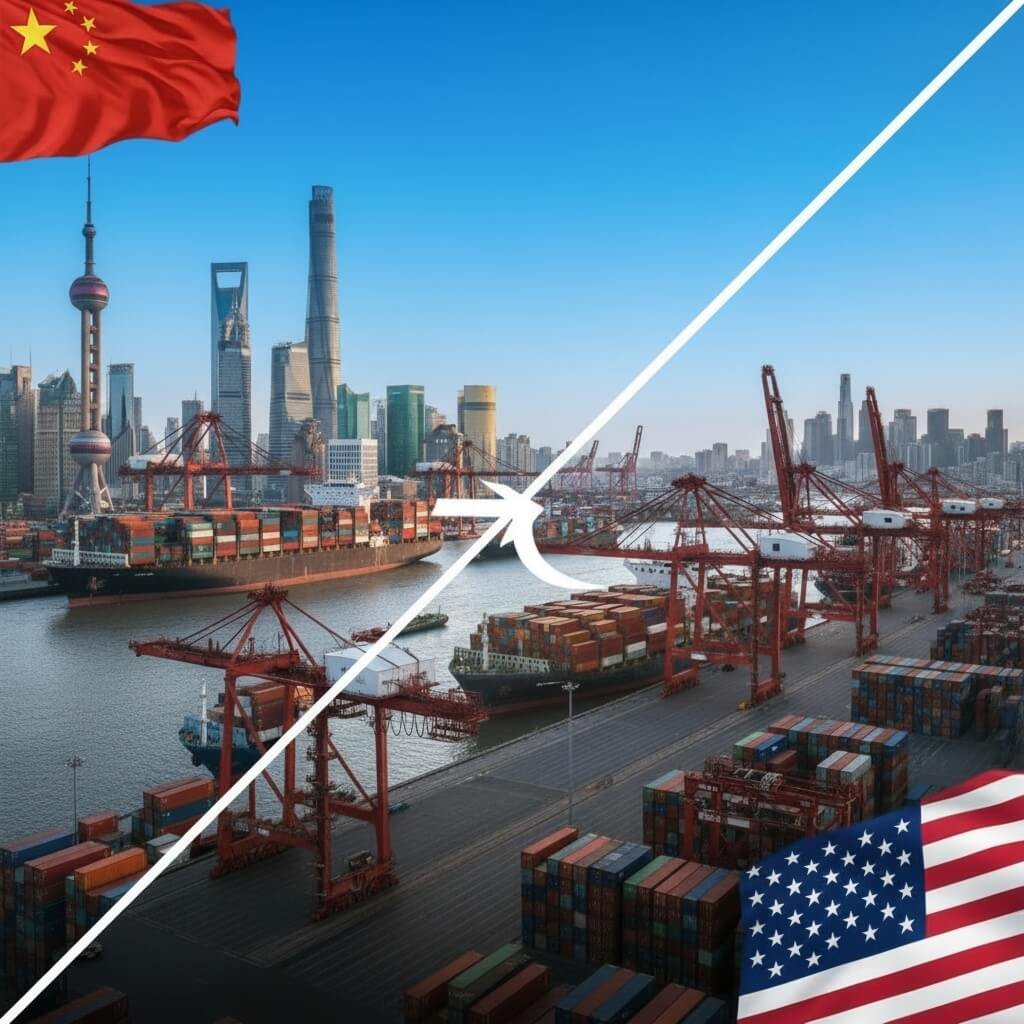
The responsibility for proving a preferential duty claim11 rests entirely on you, the Importer of Record. A supplier's promise is not enough. CBP is aggressive in auditing these claims, sometimes years after the import. When they find an error, they don't just deny the claim; they demand you pay the full MFN duties you should have paid originally, plus interest and potential penalties.
Here are the most common failure points I see:
- Invalid Certificate of Origin14 (COO): The COO is incomplete, unsigned, doesn't cover the specific products, or was created by someone not authorized to do so.
- Supplier Misstatements: The supplier either doesn't understand the complex Rules of Origin or, in some cases, intentionally misrepresents the origin to make a sale.
- No Proof of Substantial Transformation: The importer cannot provide production records, bills of materials, or other evidence to show how foreign components were transformed into a qualifying product.
- Misaligned HTS Codes: The HTS codes for the raw materials and the final product don't demonstrate the required "tariff shift."
Preferential Duties vs. MFN vs. Section 301
| Factor | Preferential Duties | MFN Duties | Section 301 Duties15 |
|---|---|---|---|
| Purpose | Encourage trade under agreements | Baseline tariff for all | Trade remedy against a country |
| Duty Level | Reduced or zero | Standard rate | Additional (e.g., +25%) |
| Eligibility | Strict Rules of Origin | Automatic by default | Product/country-specific |
| Documentation | High (Certificate of Origin14, etc.) | Low (Commercial Invoice) | Medium (Origin verification) |
| Audit Risk | High if misclaimed | Low | High |
| DDP Risk | Very High if incorrect | Medium | Very High |
How U.S. Importers Can Successfully Claim Preferential Duties Using Correct Classification, Documentation, and Broker-Controlled Entry?
Tired of worrying about duty audits and surprise bills? There is a safe way to claim savings. It requires a disciplined process, not just wishful thinking and hoping for the best.
To successfully claim preferential duties, you need a three-part strategy: 1) Verify origin with your customs broker5 before shipping, 2) Secure valid documentation, and 3) Ensure your broker files the entry correctly. This proactive approach minimizes audit risk16 and secures your savings.

Saving money on duties is only a true victory if it's sustainable and compliant. Assuming eligibility is the biggest gamble an importer can take. The winning strategy is to shift from reactive filing to proactive verification. This means treating every preferential claim as if it will be audited.
Your customs broker5 should be your first line of defense. Before you even issue a purchase order, we can perform a Rules of Origin analysis. This involves reviewing the bill of materials, the manufacturing process, and the applicable trade agreement to determine if your product actually qualifies. We work with you to gather the correct, verifiable documentation from your supplier. When we control the customs entry, we ensure the claim is filed with the correct indicators and that all supporting documents are on hand, ready for CBP review. This broker-controlled process turns a high-risk gamble into a calculated, low-risk cost-saving strategy.
Scenario 3 – Success: The Broker-Verified DDP Shipment17
An importer of manufactured goods was using a multi-country supply chain and wanted to ship DDP (Delivered Duty Paid)18 to the USA. They were concerned about the risk of miscalculating duties. Before the shipment, we conducted a full origin analysis19. We confirmed that while some raw materials were from China, the substantial transformation occurring in a partner country met the RVC and tariff shift rules. We guided the supplier in preparing a valid, detailed Certificate of Origin14. With qualification confirmed, we filed the entry, claimed the preferential duty, and saved the importer over $12,000 on a single FCL shipment. The DDP price was accurate, and the importer had zero audit exposure.
"Do You Qualify for Preferential Duties?" Importer Checklist
| Question | If Yes... | If No... |
|---|---|---|
| Is your product covered by a U.S. trade program? | Continue review | MFN duty applies. |
| Is the country of origin an eligible partner? | Continue review | Preferential duty is not allowed. |
| Does your product meet the specific Rules of Origin? | Likely eligible | The claim will fail. |
| Do you have valid, verifiable origin documentation? | File the claim | Do not claim. |
| Has a licensed customs broker5 verified the claim? | Proceed safely | High audit risk16. |
| Is this a recurring import? | Build a compliance process20 | Review on a case-by-case basis. |
Conclusion
Preferential duties are powerful tools for cutting costs, but they are unforgiving. The biggest risk is assuming eligibility without proof. The safest and most profitable path is always broker-verified origin analysis19 and controlled entry execution before you ship.
Understanding how to reduce high import duties can significantly increase your profit margins and competitiveness in the market. ↩
Learning about Preferential duty rates can help you legally lower or eliminate import tariffs, saving your business money. ↩
Knowing the rules of origin is crucial for qualifying for preferential duty rates and avoiding costly compliance mistakes. ↩
Reducing landed costs through preferential duty rates can improve your bottom line and pricing strategy. ↩
A customs broker can guide you through complex regulations, ensuring your duty claims are accurate and compliant. ↩
Understanding MFN rates helps you compare standard tariffs with preferential rates, aiding in strategic import decisions. ↩
FTAs can offer significant duty savings and market access, making them essential for strategic import planning. ↩
Understanding CBP's role can help you navigate audits and ensure your duty claims are compliant. ↩
Correctly identifying the Country of Origin is vital for claiming preferential duties and avoiding penalties. ↩
Avoiding the Transshipment Trap can prevent costly penalties and ensure compliance with trade regulations. ↩
Successfully filing a preferential duty claim can lead to significant cost savings and compliance assurance. ↩
Understanding Tariff Shifts can help you determine if your product qualifies for preferential duty rates. ↩
RVC is a key criterion for qualifying for preferential duties, impacting your product's eligibility. ↩
A valid Certificate of Origin is essential for claiming preferential duties and ensuring compliance. ↩
Knowing about Section 301 Duties helps you understand additional tariffs and their impact on your imports. ↩
Minimizing audit risk ensures your duty savings are secure and prevents unexpected costs. ↩
A Broker-Verified DDP Shipment ensures compliance and accurate duty calculations, reducing risk. ↩
Understanding DDP terms can help you manage costs and responsibilities in international trade. ↩
Origin analysis helps verify eligibility for preferential duties, ensuring compliance and cost savings. ↩
A robust compliance process ensures your duty claims are accurate and reduces the risk of audits. ↩