Unpredictable duty bills hurt your bottom line. You thought DDP covered it, but hidden compound tariff1s are causing surprise costs. This guide will show you how to master them.
A compound tariff1 is a double-duty structure that combines a percentage-based (ad valorem) duty and a fixed per-unit (specific) duty into one charge. U.S. Customs2 applies both parts, and many importers mistakenly calculate only one, leading to surprise bills and overpayments.

These tariffs can feel complicated, but they are just a set of rules. Once you understand the formula, you can spot errors before they cost you thousands. I've seen countless importers overpay because their DDP supplier made a simple math mistake. In this article, I'll walk you through exactly how these duties work and how you can take control, even on DDP shipments3. Let's make sure you're only paying what you owe.
What Is a Compound Tariff and How Does It Combine Two Duties Into One Charge?
You see a tariff with a percent and a per-unit charge. It's confusing and you worry you might be paying more than you need to. We can clarify this.
A compound tariff1 includes both a percentage-based (ad valorem) duty and a fixed per-unit (specific) duty. U.S. Customs2 applies both components, not just one. Many importers underestimate the total impact of this dual charge on their landed cost4.

A compound tariff1 is simply a two-part calculation. It is not a "mixed tariff," where you pay either the ad valorem or the specific duty5, whichever is higher. With a compound tariff1, you always pay both. Customs adds them together. These tariffs are common for manufactured goods where the U.S. wants to protect domestic industries from both low-priced and high-priced foreign competition. The percentage duty targets high-value goods, while the per-unit duty ensures a minimum tariff level on low-value goods. As an importer, my biggest concern is that a DDP supplier's forwarder6 often only calculates one part, leading to an unexpected bill for the other. This is why understanding the difference is so critical for accurate cost planning.
Compound vs Ad Valorem vs Specific Tariffs
| Tariff Type | How It’s Calculated | Predictability | Common Importer Mistake | DDP Risk Level |
|---|---|---|---|---|
| Ad Valorem | % of customs value | High | Undervaluation errors | Medium |
| Specific | Fixed per unit | Medium | Wrong unit reporting | High |
| Compound | % + fixed per unit | Low | Ignoring one component | Very High |
How Are Compound Tariffs Calculated, and Why Do Small Errors Cause Big Duty Bills?
A small error in weight or quantity seems minor. But with compound tariff1s, it can double your duty bill. Let's see how to prevent this costly mistake.
If a product has a 5% ad valorem duty7 plus a $0.50 per kg specific duty5, CBP calculates both charges separately. They then add them together to determine the total duty you owe. It's a two-part calculation every time.

The math itself is simple, but the inputs must be perfect. An error in declared value, quantity, or unit of measure can dramatically inflate your duty bill. For example, if the HTS code8 requires duty per kilogram, but your supplier’s forwarder6 declares the gross weight of the cartons instead of the net weight of the product, you will overpay. I once helped a client with an electronics shipment9 where this exact thing happened. The supplier's DDP paperwork was sloppy, and they were about to pay duty on several hundred extra kilos of packaging. We caught it during our entry review, corrected the unit declaration, and saved them a significant amount. This highlights why you need a detail-oriented broker overseeing the entry, not just a forwarder6 who moves the box.
Compound Tariff Calculation Logic
- Determine customs value of the goods.
- Apply ad valorem rate to the customs value (e.g., 5% of $10,000 = $500).
- Identify correct unit of measure (e.g., kilograms, pieces, liters).
- Multiply specific duty5 rate × declared quantity (e.g., $0.50/kg × 1,000 kg = $500).
- Add both amounts to get the total base duty ($500 + $500 = $1,000).
- Add Section 301 or other additional tariffs (if applicable) on top.
- Result = Total duty owed before fees.
A quick note: This math must be validated by your customs broker10. A supplier or their overseas forwarder6 is focused on shipping, not U.S. customs compliance11. They often make mistakes here that directly cost you money.
Which Products Have Compound Tariffs, and Why Are They So Often Misclassified?
You import consumer goods12 or parts. You assume a simple percentage duty. A hidden compound tariff1 could be inflating your costs without you even knowing it.
Compound tariffs are common on consumer goods12 like electronics and apparel, some machinery, and regulated products like certain foods. Importers often misclassify them by focusing only on the ad valorem component, leading to incorrect duty payments and compliance risks.
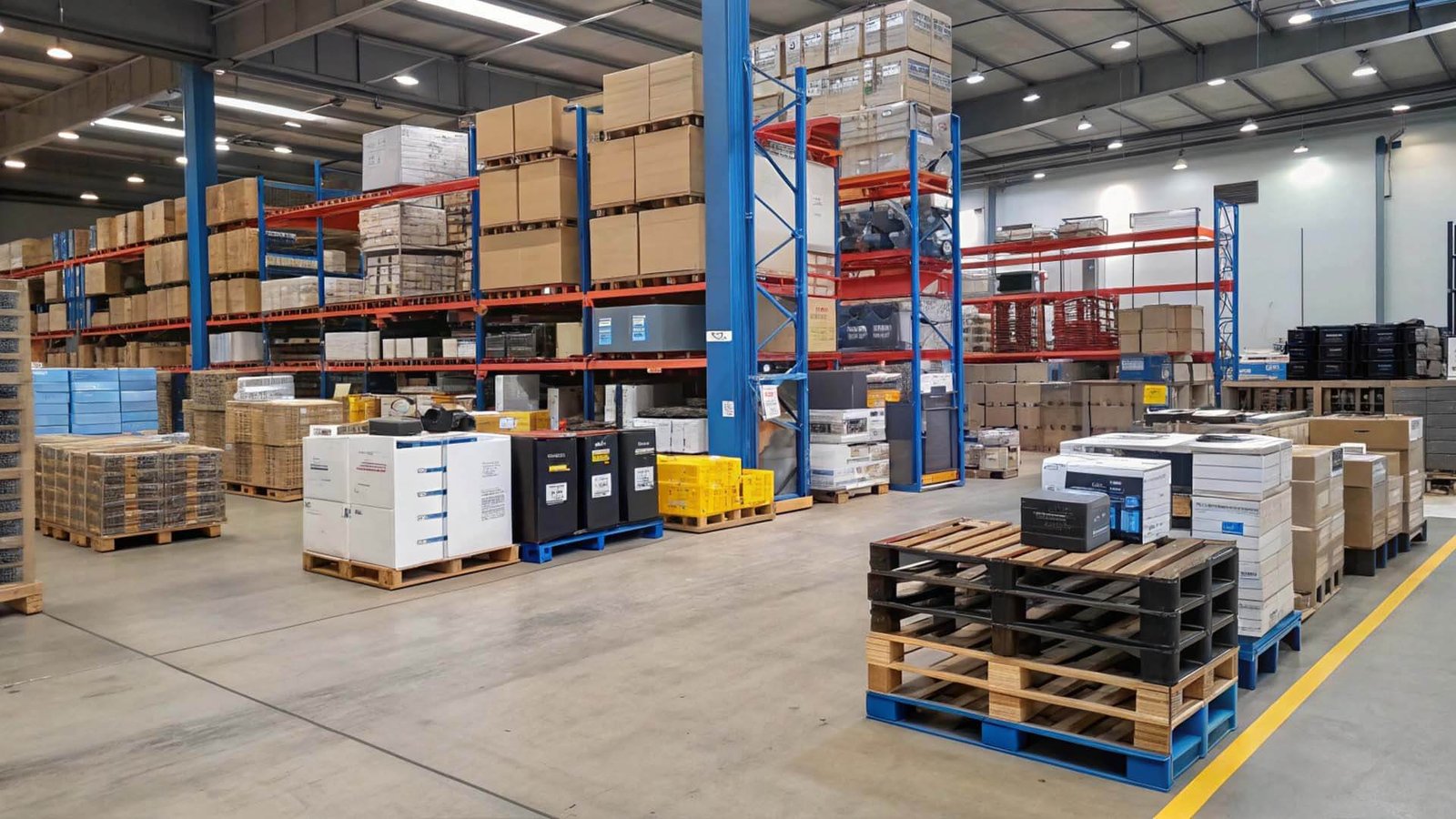
I see this all the time. An importer gets a DDP quote from a supplier in Ningbo for a container of packaged consumer goods12. The importer calculates their landed cost4 using only the ad valorem duty7 percentage they found online. They completely miss the specific duty5 of, say, $0.10 per piece. When the shipment arrives, the duty bill is thousands of dollars higher than expected because CBP applied both duties. This is a classic DDP pitfall. The supplier’s price covered the shipping, but their understanding of U.S. duties was incomplete. We had to step in for a client in this exact situation. We couldn't change the past shipment, but we immediately rebuilt their duty model for all future orders. This prevented the surprise cost from ever happening again and gave them the predictability they needed.
How Do Compound Tariffs Work With Section 301 and Other Duties?
You're already dealing with Section 301 tariffs13. Adding a compound tariff1 to the mix makes things complex. Calculating in the wrong order can lead to costly overpayment.
The compound tariff1 is calculated first, based on the product's Most-Favored-Nation (MFN) rate14. Then, any additional tariffs, like Section 301 duties, are calculated separately on the customs value and added on top. The order of operations is critical.

This layering is a frequent source of confusion and overpayment. The correct method is to calculate the base duty (the compound part) and the additional duty (the Section 301 part) separately, then add them together. For example, a client was importing industrial components from Shanghai to Houston under DDP. The product had a compound tariff1 and a 25% Section 301 duty. The supplier’s forwarder6 incorrectly converted the quantity from boxes to individual units, which inflated the specific duty5 portion of the compound tariff1. They also made a mistake in how they applied the Section 301 duty. As the broker of record, we caught the HTS interpretation error and the incorrect math. We corrected the entry before it was filed, ensuring a compliant duty payment that was significantly lower than the forwarder6’s initial, incorrect calculation. This prevented a huge overpayment and a potential future customs audit.
How Can You Reduce Your Compound Tariff Costs with DDP Shipments?
Paying too much in compound duties feels unavoidable, especially with DDP. But you can take back control and ensure you're only paying what you truly owe.
Most compound-tariff overpayment is preventable. The solution is combining proper HTS classification with broker-controlled DDP entry15. This ensures the math is correct before the duty is paid, protecting your margins from supplier or forwarder6 errors.

The key is to control the customs entry process, even on a DDP shipment. You can instruct your supplier that while they arrange shipping, your designated U.S. customs broker10 must handle the import filing. This is what we call a broker-controlled DDP entry15. It gives us the authority to verify the HTS code8, the declared value, and, most importantly, the units of measure before any duty is paid. We align the commercial invoice details with the specific requirements of the H.S. Tariff Schedule. Remember, as the Importer of Record, you are legally liable for duty accuracy, not your DDP supplier. An overseas-only forwarder6 has no legal risk if they miscalculate your U.S. duties. By having your own licensed broker manage the entry, you place a vital checkpoint between a potential supplier error and your bank account.
Conclusion
Compound tariffs are not complicated, but they are unforgiving. Most overpayment comes from simple math errors, not complex law. Broker-controlled DDP entry is how you protect your margins.
Understanding compound tariffs is crucial for importers to avoid unexpected costs and ensure accurate duty payments. ↩
Learning how U.S. Customs applies compound tariffs can help importers ensure compliance and avoid surprise bills. ↩
Understanding DDP shipments is essential for importers to manage costs and ensure accurate duty calculations. ↩
Calculating landed cost accurately is vital for importers to understand the total cost of goods, including duties and tariffs. ↩
Specific duty is a key part of compound tariffs, and understanding it helps prevent overpayment due to incorrect unit calculations. ↩
Understanding the role of a forwarder helps importers manage logistics and ensure accurate duty calculations. ↩
Knowing how ad valorem duty is calculated helps importers accurately assess the percentage-based component of compound tariffs. ↩
HTS codes determine duty rates, and correct classification is crucial to avoid costly errors in duty payments. ↩
Electronics shipments often face duty challenges, and understanding these can help importers avoid costly errors. ↩
A customs broker ensures accurate duty calculations and compliance, protecting importers from costly errors. ↩
Customs compliance is essential for avoiding penalties and ensuring accurate duty payments in international trade. ↩
Understanding why consumer goods have compound tariffs helps importers anticipate costs and avoid surprises. ↩
Understanding Section 301 tariffs is important for importers to calculate additional duties correctly and avoid overpayment. ↩
Knowing the MFN rate helps importers understand the base duty rate applied before additional tariffs like Section 301. ↩
Broker-controlled DDP entry ensures accurate duty calculations and protects importers from supplier errors. ↩