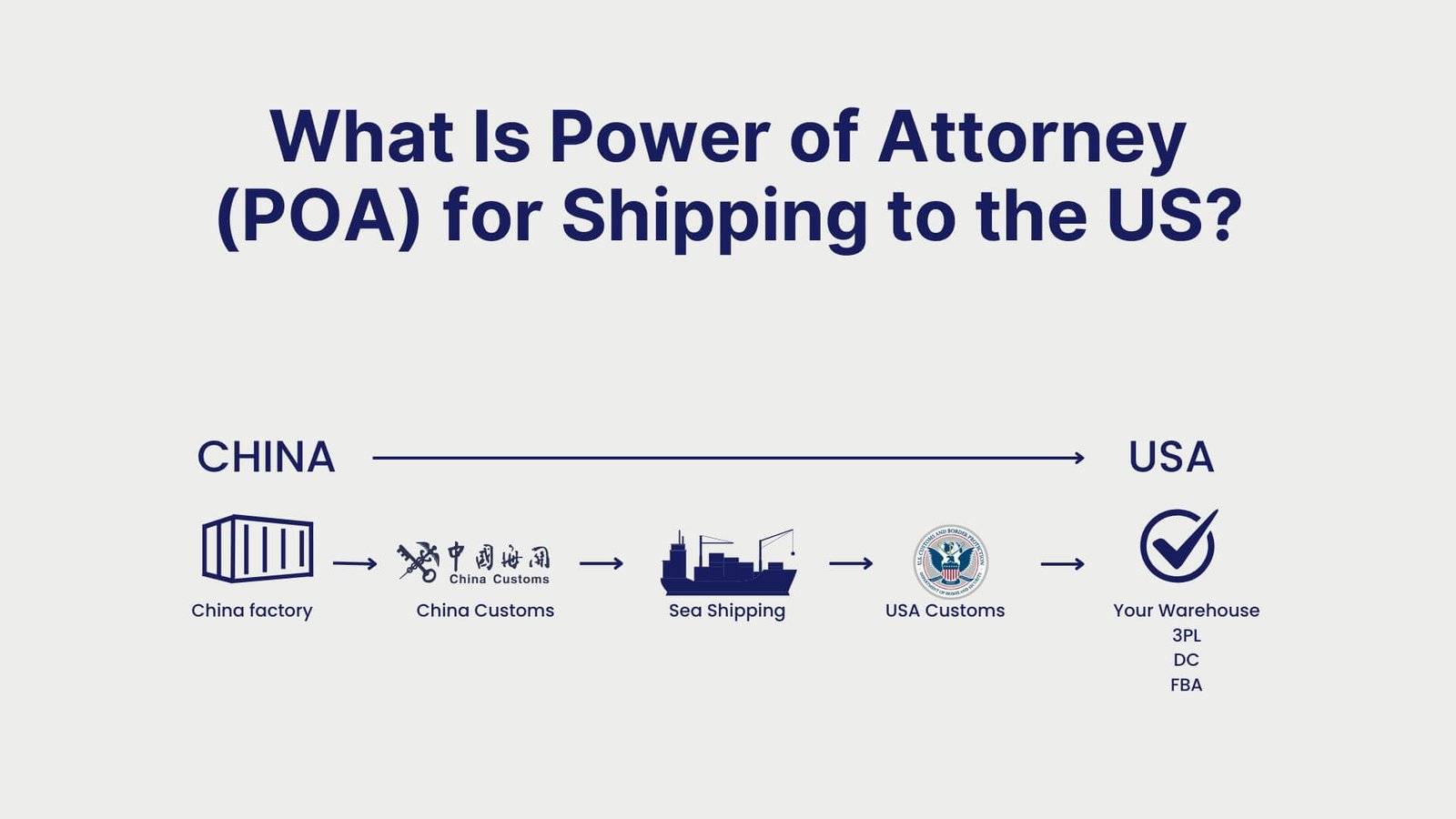
Your shipment is crossing the ocean, but a paperwork problem is waiting at the port. This single issue can stop your cargo cold. Let's fix it before it happens.
An Importer of Record (IOR)1 is the person or company legally responsible for an import. U.S. Customs and Border Protection (CBP)2 requires every IOR to be registered before cargo can be released. This ensures someone is accountable for all duties, taxes, and import laws.

I've spent years helping U.S. importers clear goods from China. I have seen firsthand how a simple IOR registration3 can make or break a shipment's timeline. Many importers think it's just another form, but it's much more. It's the legal key that unlocks the port gate for your products. If that key is wrong, your goods stay locked up, and the storage fees start piling up. Getting this right from the start is one of the most important things you can do to ensure a smooth import process. Let's walk through exactly how to do it correctly and quickly.
What an Importer of Record Is Under U.S. Law and Why CBP Requires Registration Before You Can Clear Cargo?
CBP has your cargo on hold. They tell you the "Importer of Record" is not valid. Now your delivery schedule is at risk, and you're confused about what this even means.
An Importer of Record is the party legally responsible for customs compliance4, duty payment, and recordkeeping under U.S. law. CBP requires IOR registration3 before releasing cargo to ensure accountability for every import.

Understanding the IOR's Role
The Importer of Record is not just a name on a shipping document. This person or company is the one CBP holds legally responsible for the entire import transaction. This means you are responsible for making sure the goods are valued correctly, the duties and taxes are paid, and all products meet U.S. laws and regulations. CBP calls this exercising "reasonable care5."
CBP's logic is simple. They need one single entity to contact if there's a problem. Who will they send the bill for duties to? Who will they penalize if the goods are not compliant? Without a registered IOR, there is no one for them to hold accountable. That is why they will not release your cargo until a valid, registered IOR is on file for your shipment. It's the first and most fundamental step in the customs clearance process.
Who Can Act as Importer of Record and Why Many Shipments Fail When This Role Is Chosen Incorrectly?
You listed a name on the paperwork, thinking it was correct. Now your shipment is stuck at the port, and demurrage fees6 are adding up fast. This happens when the IOR is wrong.
CBP allows U.S. residents, U.S. companies, or certain foreign entities with a U.S. presence to act as IORs. Shipments often fail when the wrong party is listed, documents do not match, or the IOR lacks a valid U.S. tax or assigned number.

Choosing the Right Party is Critical
Not just anyone can be the IOR. CBP has strict rules. The IOR must be a party that can be held legally accountable in the United States.
Here are the typical entities that can act as an IOR:
- A U.S. Resident or Citizen: An individual living in the U.S. can be the IOR using their Social Security Number (SSN).
- A U.S. Company: A corporation, LLC, or partnership based in the U.S. can be the IOR using its Employer Identification Number (EIN)7.
- A Foreign Entity (with conditions): A foreign company can sometimes act as IOR, but they must first obtain a Customs-Assigned Importer Number8 from CBP. This is not automatic and requires a specific application.
A common and costly mistake I see is when a foreign seller is listed as the IOR without having this special number.
I recently handled a case for a client importing an FCL of electronics from China to Los Angeles. The Chinese seller put their own company name as the IOR. They did not have a Customs-Assigned Number. When the container arrived, CBP rejected the entry immediately. The cargo was put on a customs hold for 10 days while we scrambled to register the actual U.S. buyer as the IOR. The client ended up paying thousands in demurrage fees6. This all could have been avoided by identifying the correct IOR from the start.
How CBP Form 51069 Works and Which Errors Cause IOR Registration Delays or Rejections?
You filled out the CBP Form 51069 and sent it in. But now you've gotten a rejection notice. Your container is just sitting at the port, and every day of delay costs more money.
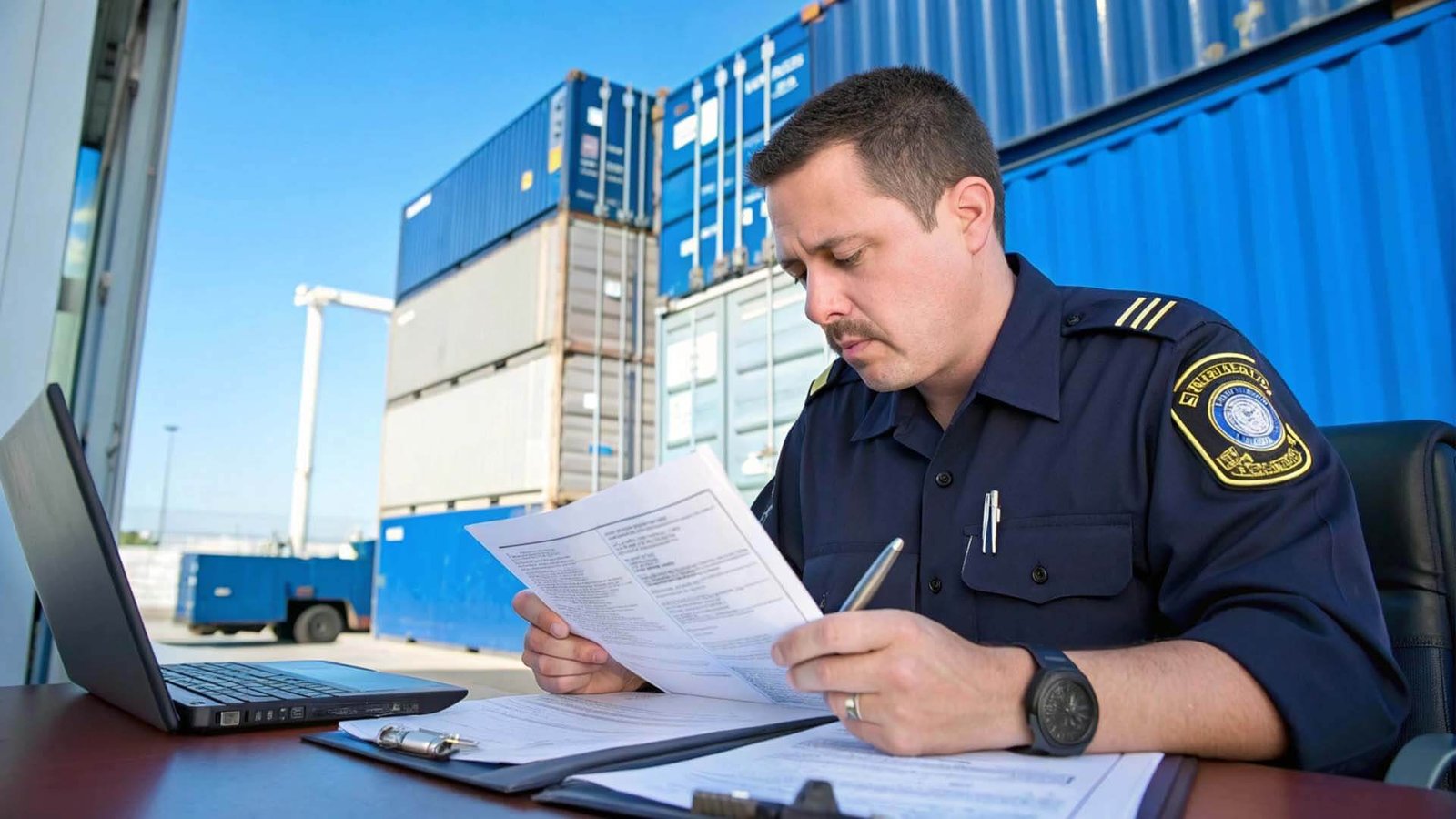
CBP Form 51069 is the official application used to register an importer's identity and tax information. Common mistakes like mismatched addresses, missing signatures, or incorrect tax numbers frequently cause delays or rejections.
Avoiding Simple, Costly Mistakes
Think of Form 5106 as your company's official ID card for U.S. Customs. If the information on your ID doesn't match your other records, CBP gets suspicious and puts everything on pause. The form itself is only one page, but small errors have big consequences.
These are the most common errors I have to fix for new importers:
- Mismatched Name and Address: The business name and address on Form 5106 must match exactly what is on file with the IRS for your EIN. Even a small difference like "Inc." vs "Incorporated" can trigger a rejection.
- Incorrect Tax ID Number: Using the wrong EIN or SSN, or having a typo in the number, is an automatic failure.
- Missing Signature: The form must be signed by an authorized officer of the company. An unsigned form is immediately rejected.
- Wrong "Type of Importer": You must correctly identify if you are an individual, partnership, or corporation.
I had a client shipping goods for Amazon FBA from China to New Jersey. The U.S. company owner was listed as the consignee and just assumed they were the IOR. They submitted an incomplete Form 5106 with a business address that didn't match their IRS records. CBP suspended the entry. By the time we fixed the form and got the IOR registered, they had missed their scheduled FBA delivery window, causing major disruptions to their sales plan.
What Documents and Numbers You Need to Register an IOR Fast Without Triggering Compliance Reviews?
You want your IOR registration3 to be approved today, not next week. But you know that one missing document or incorrect number can send your application into a black hole of CBP review.
Fast IOR registration3 requires a valid EIN for companies or SSN for individuals, a correctly completed CBP Form 51069, and perfect consistency across all business and shipping documents. This prevents red flags.
Your Checklist for a Smooth Registration
To get your IOR number quickly, you need to have everything prepared perfectly before you submit it. CBP's automated systems look for consistency. Any mismatch creates a flag that requires a human officer to review your file, which is what causes delays. Here is what you need.
Key Numbers
- EIN (Employer Identification Number): This is for any U.S. business. It's the most common number used for IOR registration3. Make sure you have the official IRS confirmation letter (CP 575) to verify the exact name and address.
- SSN (Social Security Number): This is for U.S. residents importing for personal use or as a sole proprietor.
- Customs-Assigned Importer Number8: This is only for foreign entities that have gone through the separate process of getting one from CBP.
Essential Documents
- Completed CBP Form 51069: This is the core application. Every box must be filled out accurately.
- Power of Attorney (POA)10: If you are using a customs broker11 like me to file on your behalf, we need a signed POA. This gives us the legal authority to represent you to CBP.
The most important rule is consistency. The importer name and address must be identical on the Form 5106, the commercial invoice12, the bill of lading13, and the IRS record associated with your EIN/SSN. Consistency proves legitimacy and is the secret to a fast, automated approval.
How Long IOR Registration Really Takes and What Determines Same-Day vs Multi-Week Approval?
You need your IOR number approved now because your ship is arriving soon. But you've heard horror stories from other importers about waiting weeks for CBP's approval. You need to know the real timeline.
IOR registration3 can be approved the same day if submitted perfectly by a broker. However, it can take several weeks if there are errors, if it's a new importer, or if CBP flags the application for a manual review.
Factors That Control Your Timeline
The speed of your IOR registration3 is not random. It depends entirely on the quality of your submission and your history with CBP. I've seen approvals come back in minutes, and I've seen them drag on for a month.
Factors for Same-Day Approval
- Electronic Submission by a Broker: Brokers use electronic systems that interface directly with CBP, which is much faster than fax or mail.
- Error-Free Form 5106: The data is clean, complete, and matches all other records.
- Existing Importer History: If your EIN is already in CBP's system from a previous import, and nothing has changed, approval is often instant.
- Perfect EIN Match: The name and address on the form perfectly match the IRS database.
Triggers for Multi-Week Delays
- Any Data Mismatch: A different address or a slightly different company name than what the IRS has on file will stop the process.
- First-Time Importer: If your EIN has never been used for an import before, CBP may take extra time to verify your business.
- Manual Review: Your application can be randomly selected for a manual compliance review14, or flagged due to the type of goods you are importing. This will always add days or weeks to the process.
The only way to aim for same-day approval is to ensure your submission is flawless. This is why working with an experienced broker who can pre-verify your information is so valuable.
How U.S. Importers Use Customs Brokers to Register an IOR Correctly and Avoid Clearance Disruptions?
You're looking at Form 5106 and feeling nervous. You know that one small mistake could cost you thousands in port fees. There has to be a safer way to handle this.
Experienced customs broker11s pre-check all IOR data, submit CBP Form 51069 electronically and correctly the first time, and manage the process before cargo arrives. This prevents holds, exams, and demurrage charges.
Your Safest Path to Fast Clearance
Think of a customs broker11 as your professional guide through CBP's complex rules. Instead of you trying to navigate the process alone, we handle it for you. We've submitted thousands of these forms, and we know exactly what CBP looks for.
Here is how we ensure a smooth IOR registration3 for our clients:
- We Verify Your Information First: Before submitting anything, we ask for your EIN documentation and verify your company details to ensure they match public records.
- We Prepare and Submit Electronically: We complete the Form 5106 on your behalf and file it directly into CBP's system for the fastest possible processing.
- We Monitor and Resolve Issues: We track the submission status and, if CBP has any questions, we answer them immediately.
- We Register Before Your Ship Sails: The best strategy is to get your IOR registered while your goods are still in transit from China. This way, everything is approved and ready long before your container hits the U.S. port.
I had a client importing consumer goods on DDP terms15 to their U.S. warehouse. We registered their new company as the IOR before the vessel even left the port of Shanghai. The Form 5106 was approved the same day. When the cargo arrived in the USA, the entry was filed and cleared cleanly with zero delays. This is the predictable, stress-free outcome we aim for on every shipment.
IOR vs. Consignee vs. EOR: A Quick Comparison
Many importers confuse these roles, leading to problems. Here is a simple breakdown:
| Role | Legal Responsibility | CBP Filing Authority | Typical Use Case | Risk Level |
|---|---|---|---|---|
| Importer of Record (IOR)1 | Full compliance & duty liability | ✅ Yes | U.S. importers | 🟢 Low |
| Consignee | Receives goods only | ❌ No | Domestic delivery party | 🔴 High |
| Exporter of Record (EOR)16 | Export compliance only | ❌ No (for imports) | Origin country seller | 🔴 High |
| Broker-Assisted IOR | Managed compliance | ✅ Yes | DDP / First-time importers | 🟢 Lowest |
Conclusion
IOR registration3 is not just paperwork; it is a critical legal requirement. Getting it wrong causes expensive delays. Working with a broker ensures a fast, correct setup and keeps your cargo moving.
Understanding the IOR's role is crucial for ensuring compliance and smooth cargo clearance. ↩
Knowing CBP's requirements helps avoid delays and ensures legal compliance for imports. ↩
Proper registration is essential to prevent cargo holds and ensure timely delivery. ↩
Compliance with customs regulations is vital to avoid penalties and ensure smooth operations. ↩
Exercising reasonable care ensures compliance and prevents legal issues during importation. ↩
Avoiding demurrage fees saves money and prevents unnecessary delays in cargo clearance. ↩
An EIN is crucial for U.S. companies to register as IORs and ensure compliance with CBP. ↩
Obtaining this number is essential for foreign entities to act as IORs and clear shipments. ↩
Correctly completing Form 5106 is crucial to avoid registration delays and rejections. ↩
A POA allows brokers to legally represent importers, ensuring smooth and accurate registration. ↩
Brokers provide expertise and ensure accurate submissions, preventing costly errors. ↩
A correct commercial invoice is essential for compliance and smooth cargo processing. ↩
The bill of lading is a key document for tracking and verifying shipments during importation. ↩
Understanding triggers for manual reviews helps avoid delays and ensures faster approval. ↩
Understanding DDP terms helps importers manage costs and responsibilities effectively. ↩
Knowing the EOR's role helps importers understand export compliance and responsibilities. ↩