Are you confused about who does what in your supply chain? Choosing the wrong partner can lead to costly delays and fines. You need clarity to protect your imports.
A customs broker1 is a licensed professional who handles the legal side of importing, ensuring your goods comply with U.S. Customs (CBP) rules2. A freight forwarder3 is a logistics expert who arranges the physical transportation of your cargo. They have distinct, separate roles that can create risk.
I've seen countless U.S. importers get stuck between their broker and their forwarder. One blames the other for a delay, and your container just sits at the port racking up fees. Understanding who is responsible for what is the first step to taking back control of your supply chain. Let's break down exactly what each one does, where the risks are, and how you can build a more secure import process from China to the USA.
What a Customs Broker Is Legally Responsible for—and What They Can and Cannot Do for Your Import?
Your import shipment is facing complex U.S. laws. A single mistake in the paperwork can trigger a customs hold4. You need someone legally authorized to handle this for you.
A customs broker1 is legally authorized to file entries with U.S. Customs and Border Protection, classify goods, calculate duties, and ensure compliance with U.S. import laws. But they do not control freight movement, carrier performance, or overseas logistics.
A licensed customs broker1 is your legal agent in the eyes of U.S. Customs. Their primary job is to protect you from compliance failures. I spend a lot of my time on this. We classify your products using the correct Harmonized Tariff Schedule (HTS) codes5. This directly impacts how much duty you pay. Getting it wrong is a very expensive mistake. We also manage all the required paperwork, like the commercial invoice6, packing list, and Bill of Lading7, to prepare and submit the official customs entry. A broker is your shield against CBP penalties and audits. However, a broker's power stops at the border. If your container is stuck on a delayed vessel or there's no truck available at the port, that's not something a broker can fix. Their job is compliance, not logistics.
What a Freight Forwarder Controls in Your Shipment—and Where Their Responsibility Stops?
Your cargo needs to get from a factory in China to your warehouse in the USA. This journey is long and has many steps. You need an expert to manage this physical movement.
A freight forwarder3 manages transportation, routing, carriers, and delivery timing. But they do not assume legal responsibility for customs declarations, duty accuracy, or CBP compliance unless they are also a licensed customs broker1.
Think of a freight forwarder3 as your shipment's project manager. Their main role is to move your goods efficiently. We book space for your container on a cargo ship. We coordinate the trucking from the factory in China to the port. Then we manage the ocean transit. Once it arrives in the USA, we arrange for it to be picked up and delivered to your final destination. A good forwarder finds the best balance of cost, speed, and reliability for your route. But here is a critical point. A standard freight forwarder3 is not a customs expert. They are not licensed to file your customs entry. They are not legally responsible if your goods are misclassified or if you underpay duties. Their responsibility is to move the box, not to ensure what's inside the box is legally compliant.
Why Using Only a Freight Forwarder Can Still Leave You Exposed to Customs Holds, Penalties, and Delays?
You hired a forwarder to handle your DDP shipment8 from China. You thought everything was covered. But now you have a notice from CBP about an audit and potential penalties.
Importers relying only on a freight forwarder3 often face customs issues. This is because compliance, classification, and duty strategy are outside the forwarder’s legal authority. This leaves your business exposed to unmanaged CBP risks.
This happens more often than you think. A forwarder's goal is to move freight. To win your business, some may quote a low price that doesn't account for complex customs rules. They might not have the expertise to catch a classification error9 from your supplier. This creates a huge risk for you, the importer.
Case Study: The Forwarder-Only Failure
I had a new client, an electronics importer, come to me after a disaster. They used a forwarder-only for an FCL shipment from China to Los Angeles. The forwarder just moved the container. They did not verify the HTS code provided by the factory. The code was wrong. It also failed to account for the correct Section 301 duties10. The shipment got through, but months later, CBP flagged the entry during an audit. My new client was hit with a huge bill for retroactive duties plus significant penalties. The forwarder took no responsibility. They just moved the box.
When a Customs Broker Alone Is Not Enough to Protect Your End-to-End Supply Chain?
Your customs broker1 did a perfect job. Your shipment cleared CBP without any issues. But your container is still sitting at the port, and your customers are waiting for their products.
A customs broker1 can clear your goods but cannot control vessel delays, port congestion11, drayage failures12, or final delivery disruptions. These logistics issues can still wreck your inventory schedule and total landed cost.
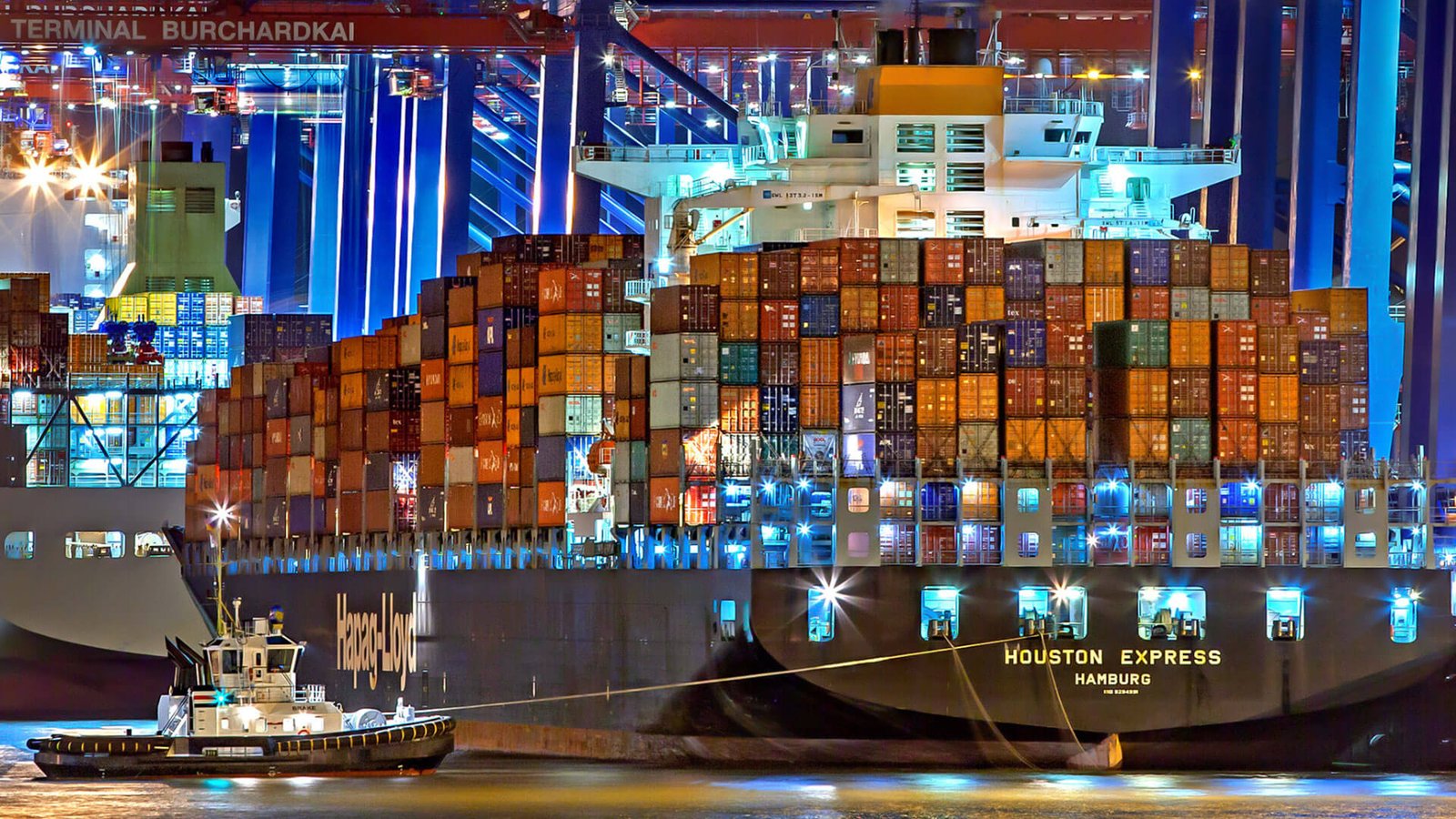
A broker's job is to get you a "green light" from customs. But what happens after that? The logistics chain is full of potential failures. I saw this happen to a furniture importer shipping to New Jersey.
Case Study: The Broker-Only Blind Spot
This company used a standalone customs broker1. The broker filed the entry on time, and the goods were cleared by CBP before the ship even arrived. It was a perfect customs transaction. The problem was, no one was managing the next step. The port was heavily congested. There was a shortage of truck drivers. Their container sat at the terminal for two weeks, accumulating demurrage fees13 every single day. By the time they finally got their container, they had missed their delivery window with a major retail partner. This resulted in huge chargeback fees and lost sales. The broker did their job, but the importer's business still suffered.
How Customs Brokers and Freight Forwarders Work Together in Real China → USA Import Scenarios?
You're tired of being the middleman between your vendors. You need your logistics and customs processes to work together smoothly. A communication gap between them can cause serious problems.
The most reliable import operations align freight movement and customs compliance under one coordinated strategy. This prevents gaps between transport execution and CBP requirements, leading to smoother, faster imports.

In a typical setup, you hire a forwarder and a broker separately. You have to hope they communicate well. The forwarder sends documents to the broker. The broker reviews them and files with customs. If the broker finds an error, they have to go back to the forwarder, who then goes back to the origin factory. This back-and-forth creates delays. A much better way is when these functions are integrated.
Case Study: The Integrated Model Success
We handle DDP shipment8s for a consumer goods importer. As an integrated broker-forwarder, we control the entire process. Before the container even leaves China, our customs team reviews the product information and confirms the HTS classification. We apply the right tariff strategy14 from day one. Our logistics team then routes the shipment for on-time delivery. Because we manage both sides, the customs entry is filed correctly and early. The container is pre-cleared by CBP. Our own team schedules the truck for pickup the moment the container is available. The result? Zero holds, zero penalties, and a predictable landed cost15 every time.
Which One You Actually Need Based on Your Incoterms16, Cargo Type, and Compliance Risk?
You need to make a smart choice for your business. Should you hire a broker, a forwarder, or a combined service? The answer depends on your specific situation and how much risk you can tolerate.
The right choice depends on who controls the shipment under your Incoterms16, how complex your cargo classification is, and whether your tariff exposure or regulatory scrutiny is high.

Let's make this simple. You need to look at your own import process. The Incoterms16 you use for your purchase are a big factor. If you buy EXW or FOB, you control the freight, so you definitely need a forwarder. If you buy DDP, the seller controls the freight, but you are still the Importer of Record17 and legally liable for customs compliance. This is a common point of confusion. The complexity of your products also matters. Simple goods are easier to classify. But if you import items with high tariffs, like those under Section 301, or regulated goods, the risk of a classification error9 is much higher.
Importer Decision Checklist
Ask yourself these questions:
- Do you import from China under DDP or other complex Incoterms16?
- Are tariffs, Section 301 duties10, or classification risks a major factor for your profit margins?
- Have you ever experienced customs hold4s, exams, or surprise fees?
- Do you need one single company to be accountable for both customs clearance and final delivery?
- Are you trying to scale your import volume and need predictable landed cost15s?
If you answered “yes” to two or more of these, an integrated broker-forwarder model18 is your safest and most efficient option.
Why Importers Using an Integrated Broker-Forwarder Model Gain Faster Clearance and Lower Total Landed Cost?
You want to reduce risk and save money. You are looking for a competitive advantage. The structure of your supply chain partnership19 can either create costs or eliminate them.
An integrated broker-forwarder model18 eliminates handoffs, aligns documentation with transport, and reduces delays, penalties, and duty overpayment. It manages the shipment as a single, compliance-controlled process20 from end to end.
The biggest problems in importing happen in the gaps between vendors. A gap between logistics and compliance is the most dangerous one. An integrated model closes this gap. There is no finger-pointing. There is one point of contact and one team responsible for the entire journey. This creates huge efficiencies. We can prepare for customs clearance while the vessel is still sailing. We can optimize duties from the start, not as an afterthought. This prevents overpayment and reduces audit risks. By controlling both freight and customs, we can steer your shipment around delays and ensure a smooth handoff from the port to the truck. This reduces fees like demurrage and guarantees a more predictable delivery schedule.
Broker vs. Forwarder vs. Integrated Model
| Function | Customs Broker | Freight Forwarder | Integrated Model |
|---|---|---|---|
| CBP Filing & Compliance | ✅ Yes | ❌ No | ✅ Yes |
| Freight Routing & Booking | ❌ No | ✅ Yes | ✅ Yes |
| Duty Optimization Strategy | ✅ Yes | ❌ No | ✅ Yes |
| End-to-End Delay Risk Control | ❌ Limited | ✅ Partial | ✅ Full |
| Single Point of Accountability | ❌ No | ❌ No | ✅ Yes |
| Best for DDP Imports | ❌ No | ❌ No | ✅ Yes |
Conclusion
Freight forwarders move your cargo. Customs brokers protect your legal compliance. An integrated model does both, protecting your entire business and your bottom line from start to finish.
Understanding the role of a customs broker is crucial for ensuring compliance with import laws and avoiding costly penalties. ↩
Familiarity with CBP rules is essential for importers to ensure their goods comply with U.S. regulations and avoid delays. ↩
Knowing the responsibilities of a freight forwarder helps in managing the logistics of transporting goods efficiently. ↩
Knowing how to handle customs holds can prevent delays and additional costs in the import process. ↩
Correct HTS classification impacts duty costs, making it vital for importers to understand and apply them accurately. ↩
A commercial invoice is crucial for customs clearance, detailing the transaction and ensuring compliance. ↩
The Bill of Lading is a key document in shipping, serving as a receipt and contract for the transport of goods. ↩
Understanding DDP shipments helps importers manage responsibilities and costs effectively in international trade. ↩
Preventing classification errors is crucial to avoid penalties and ensure accurate duty payments. ↩
Section 301 duties can significantly impact import costs, so understanding them is key for financial planning. ↩
Understanding port congestion helps in planning and mitigating delays in the supply chain. ↩
Drayage failures can disrupt delivery schedules, so knowing how to manage them is important for logistics. ↩
Avoiding demurrage fees is important for cost management in shipping and logistics. ↩
A well-planned tariff strategy can reduce costs and improve compliance in international trade. ↩
Predictable landed costs help in budgeting and financial planning for importers. ↩
Incoterms define responsibilities in international trade, crucial for managing risks and costs. ↩
The Importer of Record is legally responsible for compliance, making it vital to understand their role. ↩
An integrated model streamlines processes, reducing delays and costs in the supply chain. ↩
Strong supply chain partnerships enhance efficiency and reduce risks in logistics and compliance. ↩
A compliance-controlled process ensures adherence to regulations, reducing risks and penalties. ↩