Importing bottled water seems simple, but hidden rules cause costly delays. Your shipment could get stuck at the port, racking up fees while you wait for answers.
Yes, you can legally import bottled water into the U.S., but it is regulated as a food product. The Food and Drug Administration (FDA) oversees its safety, labeling, and facility registration. U.S. Customs and Border Protection (CBP) manages the physical entry and tariff collection.
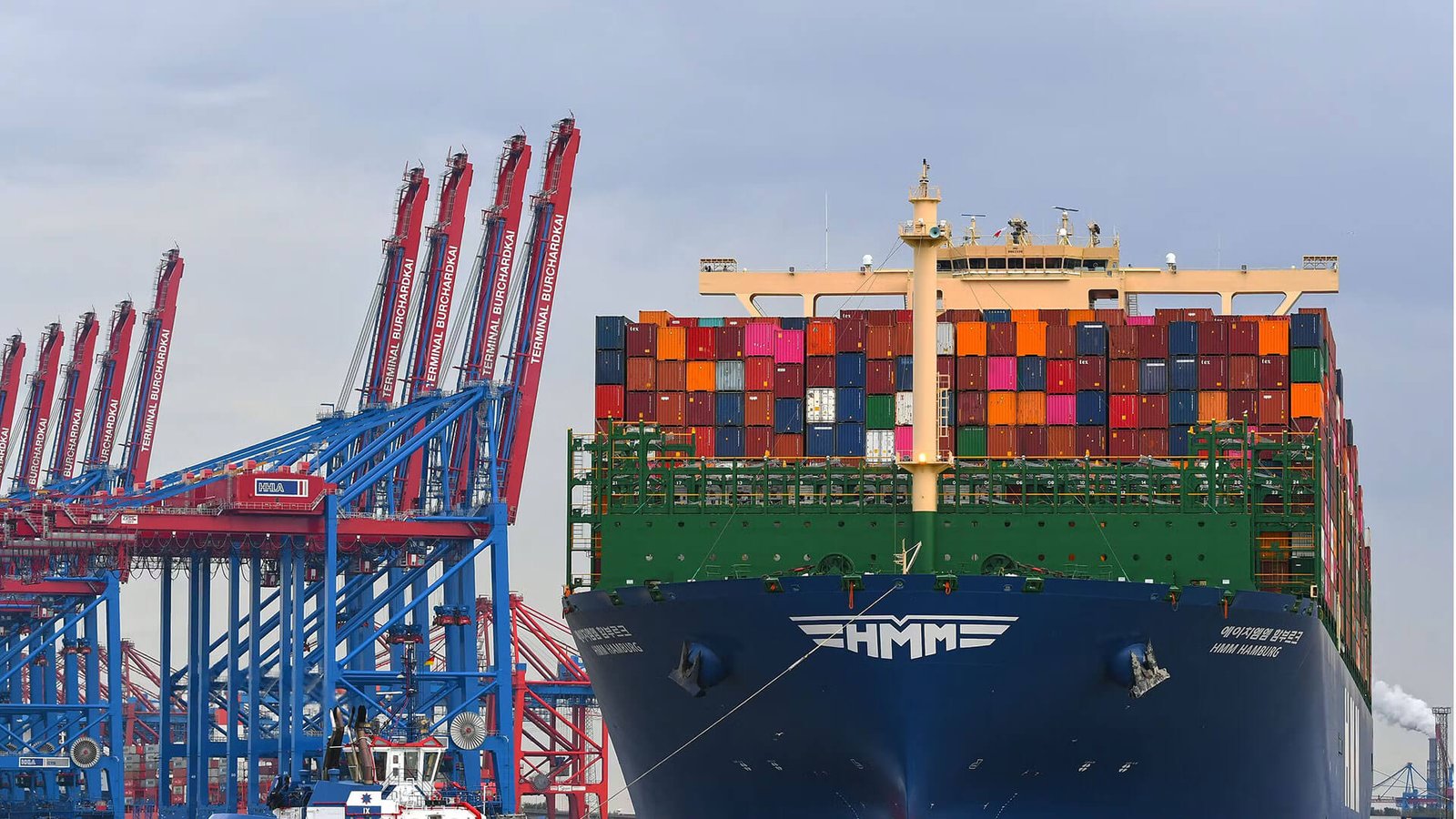
Getting bottled water into the U.S. looks like any other shipment on the surface. You find a supplier, book a container, and wait for it to arrive. But as a customs broker who handles FDA-regulated goods every day, I see where it goes wrong. The problems aren't with the shipping; they are with the paperwork, the labels, and understanding which government agency is in charge. A simple mistake can turn a profitable shipment into a financial loss. Let's break down the rules so you can import with confidence.
Is Importing Bottled Water Into the U.S. Legal and Which Agencies Regulate Bottled Water Imports?
You're wondering who makes the rules for bottled water. Getting this wrong means your shipment is stopped before it even starts. Let's clarify who you need to satisfy.
Yes, importing bottled water is legal. The FDA is the primary agency regulating it as a food product, focusing on safety and labeling. CBP handles the customs entry. The EPA's drinking water standards1 influence FDA rules for source claims but do not directly regulate bottled water imports.
The Roles of FDA, EPA, and CBP
Many importers I talk to are confused about who is in charge. They often hear about EPA rules for tap water and assume they apply to bottled water. This is a critical mistake. Here is how the responsibilities are divided.
-
The Food and Drug Administration (FDA): The FDA is the main regulator. It treats bottled water as a packaged food. This means your foreign supplier's facility must be registered with the FDA. Your product label must meet the FDA's strict food labeling requirements. The FDA has the power to inspect, test, and refuse your shipment if it doesn't comply. Most import holds for bottled water come directly from the FDA.
-
U.S. Customs and Border Protection (CBP): CBP is the gatekeeper at the port. Their job is to enforce all import laws, including those from the FDA. They check your customs paperwork, like the commercial invoice and bill of lading. They also collect any duties owed. If the FDA places a hold on your shipment, CBP is the agency that physically prevents it from leaving the port.
-
The Environmental Protection Agency (EPA): The EPA sets standards for public drinking water systems (tap water). It does not directly regulate bottled water. However, the FDA's own standards of quality for bottled water are based on the EPA's standards. If you claim your product is "spring water," the FDA will use definitions and standards that align with EPA principles to verify that claim. So, while you don't report to the EPA, its rules indirectly affect how your product must be labeled and sourced.
What FDA, EPA, and Customs Requirements Apply When Importing Bottled Water?
You have a shipment ready, but the list of required documents is confusing. Missing just one piece of paper can stop your entire container. Here is what you absolutely need.
Importing bottled water requires your foreign supplier to have a valid FDA facility registration2. You must also file FDA Prior Notice3 before arrival, create a compliant label, and prepare an accurate commercial invoice with the correct HS code for customs. The Importer of Record is ultimately responsible.
Your Compliance Checklist
To get your bottled water cleared, you need to satisfy both the FDA and CBP. Each has specific requirements that must be met before your cargo can be released. I've seen countless shipments get delayed because an importer missed one of these simple steps. This is your core checklist.
-
FDA Food Facility Registration: The overseas factory where the water is bottled must have an active registration with the FDA. This registration must be renewed every two years. Without a valid registration number, your shipment will be automatically refused entry. We always verify this before we even start the shipping process.
-
FDA Prior Notice3: You must electronically file a "Prior Notice of Imported Food" with the FDA before your shipment arrives at the U.S. port. This tells the FDA what the product is, where it's from, and when it will arrive. Filing late or with incorrect information is a guaranteed way to get your shipment held for inspection.
-
Commercial Invoice & HS Classification4: Your commercial invoice must be detailed and accurate. It needs to list the seller, buyer, product description, quantity, and value. You also need the correct Harmonized System (HS) code. For most bottled water, this is
2201.10.00. Using the wrong code can lead to delays and incorrect duty payments. -
Importer of Record (IOR)5: You need a U.S.-based entity to act as the Importer of Record. This party is legally responsible for the shipment's compliance. The IOR must have a U.S. tax ID number (EIN) or social security number if an individual. If you don't have a U.S. presence, you need a partner to act as your IOR.
Why Bottled Water Shipments Get Held, Tested, or Rejected at U.S. Ports?
Your container of bottled water is stuck at the port. Every day it sits there, storage fees are piling up, costing you money. Understanding why holds happen is the key to preventing them.
Shipments of bottled water are commonly held due to simple, avoidable errors. The top reasons are incorrect labeling, especially false source claims like "spring water," missing or inaccurate FDA Prior Notice3 filings, and random FDA compliance sampling6. These holds can lead to expensive testing and delays.

Common Triggers for FDA Holds
From my experience clearing these shipments, the holds almost always fall into a few categories. The frustrating part for importers like Mark is that these are usually preventable.
-
Labeling Errors and Source Misrepresentation: The most common issue is the label. If your label says "Natural Spring Water," but you cannot prove the water came from a protected, underground spring, the FDA will flag it. They will likely pull a sample for testing to verify its composition. The same goes for claims about mineral content or pH levels. If you make a claim, you must be able to prove it.
-
Random FDA Exams: Sometimes, it's just bad luck. The FDA's system automatically flags a certain percentage of all food imports for review. This could be a simple document check or a full-blown physical exam where agents open your container and take samples for lab analysis. While you can't prevent a random exam, having all your paperwork in perfect order makes the process much faster.
-
The High Cost of Weight: Bottled water is heavy and dense. This means a 40-foot container is packed to its weight limit. When a shipment is held, it gets moved to a customs-bonded warehouse. Storage fees, known as demurrage, are charged daily. For heavy cargo, these fees are high. A one-week delay can easily add thousands of dollars to your costs, wiping out your profit margin.
Case Study 1 – HOLD
A client tried to import a full container of "premium spring water" from the EU to New York. The label prominently featured mountains and claimed it was pure spring water. However, the FDA paperwork did not include geological reports or source verification. The FDA placed the shipment on hold for "labeling review" and ordered a lab sample. The test revealed the water was simply purified municipal water. The shipment sat in storage for three weeks, accumulating over $4,000 in demurrage fees7. Ultimately, the importer had to pay to have every bottle re-labeled before it could be released, a costly and time-consuming lesson.
How Labeling, Source Disclosure, and Water Type Affect Bottled Water Import Approval?
Your product's label looks professional, but is it compliant? A simple marketing claim can trigger a full FDA review and potential rejection. Knowing what the FDA checks is crucial.
The FDA scrutinizes bottled water labels for the accuracy of three key things: the water's source (e.g., spring, artesian), any treatment methods used (e.g., purified, distilled), and its composition (e.g., mineral water). Inaccurate claims are a primary reason for import holds and refusals.
What Your Label Must Get Right
Your label is not just a marketing tool; it's a legal document in the eyes of the FDA. When we review labels for clients, we look for the same things an FDA agent would. Getting this right is the single most important step to avoid delays.
-
Water Type Definitions: The FDA has strict definitions. You can't just call your product what you want.
- Spring Water: Must be collected from an underground source and flow naturally to the surface. You need documentation to prove this.
- Purified Water: Has been treated by distillation, deionization, or reverse osmosis. The label must state the treatment method.
- Mineral Water: Must naturally contain at least 250 parts per million (ppm) of total dissolved solids (TDS). The source must be protected.
-
Mandatory Label Elements: Every food label, including bottled water, needs a few basic things: the statement of identity (e.g., "Purified Water"), the net quantity of contents, and the name and address of the manufacturer, packer, or distributor. All information must be in English.
-
Marketing Claims: This is where many importers get into trouble. Claims like "Alkaline Water," "pH 9.5+," or "Enhanced with Electrolytes" invite extra FDA scrutiny. The FDA will want to see data that supports these claims. If you can't provide it, your shipment will be held.
Case Study 2 – HOLD
An Amazon seller was importing their first container of purified water from Asia to the Port of Long Beach. They filed the FDA Prior Notice3 themselves but entered the wrong arrival time. The label also failed to disclose the treatment method (reverse osmosis). The combination of a faulty Prior Notice and a non-compliant label triggered an immediate FDA hold. The container was held for ten days while we worked with the FDA to correct the filing and provide information on the treatment process. The delay caused the importer to miss their Amazon launch window and incurred significant storage fees.
How U.S. Importers Can Structure Bottled Water Shipments to Avoid Delays, Recalls, and Compliance Failures?
You want a smooth, repeatable import process. But one small mistake in your shipping structure can derail everything. Let's build a process that protects you from delays and unexpected costs.
The safest way to import bottled water is to have a U.S. customs broker manage the entry. This includes pre-vetting your labels and supplier's FDA registration, then pre-filing all documents with Customs and the FDA before the ship arrives. This proactive approach prevents most holds.

Building a Bulletproof Import Process
As a forwarder and customs broker, my goal is to make your shipment "boring" for regulators. A boring shipment is one that is so compliant it sails right through the port. This is especially critical for heavy, low-margin cargo like bottled water, where delays are financially devastating.
-
Broker-Led Pre-Clearance: The best strategy is to transmit all your import data to CBP and FDA up to five days before the vessel arrives. This is called pre-filing. It gives the agencies time to review your documents. If there's an issue, we have time to fix it before your container is even unloaded. This single step eliminates 90% of potential holds.
-
DDP vs. FOB Shipping8: For many U.S. importers, using a Delivered Duty Paid (DDP) service is the simplest solution. With DDP, the seller (or their logistics partner, like us) handles everything from the factory in China or Europe to your door in the U.S., including customs clearance. This puts the compliance burden on an experienced party and gives you a single, all-inclusive price.
-
Managing Demurrage Risk: The risk of demurrage (port storage fees) is your biggest financial threat. Fast clearance is the only solution. By having a broker manage the entry and pre-file the documents, you give yourself the best chance of getting a "same-day release." The container is cleared before it's even available for pickup, completely avoiding storage fees.
Case Study 3 – RELEASE
We managed a DDP shipment of purified bottled water for a U.S. distributor from a supplier in the EU to Houston. Before the container was even loaded, we verified the supplier's FDA registration and reviewed the product label for compliance. Five days before the vessel arrived, we electronically filed the entry with CBP and the Prior Notice with the FDA. The system returned an immediate "May Proceed" from the FDA. The shipment was fully released by customs the morning it was discharged from the vessel. The truck picked it up the same afternoon, with zero port storage fees incurred.
Bottled Water Import Compliance Checklist (FDA + EPA + CBP)
| Requirement | FDA | EPA | CBP | Common Failure |
|---|---|---|---|---|
| Food Facility Registration | ✅ | — | — | Missing / expired |
| FDA Prior Notice3 | ✅ | — | — | Late / incorrect |
| Label Accuracy | ✅ | — | — | Wrong source claims |
| Water Source Disclosure | ✅ | ⚠️ | — | Misrepresentation |
| Commercial Invoice & HS Code | — | — | ✅ | Incorrect details |
| Importer of Record | — | — | ✅ | No EIN / wrong party |
“Will My Bottled Water Be Held?” Risk Matrix
| Risk Factor | Low Risk | Medium Risk | High Risk |
|---|---|---|---|
| Country of Origin | EU | Asia | High-risk / unknown |
| Water Type | Purified | Mineral | Spring (unverified) |
| Label Review | Pre-approved | New label | Non-compliant |
| FDA Registration | Verified | New | Missing |
| Prior Notice | Correct | Late | Incorrect |
| Clearance Model | Broker-led | Seller-managed | No broker |
Conclusion
Importing bottled water fails on compliance, not logistics. Your success depends on getting the FDA paperwork and labels right. A broker-led clearance process turns this high-risk cargo into a repeatable success.
EPA standards indirectly affect bottled water labeling, making it important to understand their impact on FDA regulations. ↩
Understanding FDA facility registration is crucial for ensuring your bottled water shipment complies with U.S. regulations and avoids costly delays. ↩
Filing FDA Prior Notice correctly is essential to prevent your bottled water shipment from being held at U.S. ports, saving you time and money. ↩
A detailed commercial invoice ensures smooth customs clearance for your bottled water, avoiding delays and incorrect duty payments. ↩
The Importer of Record is legally responsible for compliance, making it vital to understand their role in importing bottled water. ↩
FDA compliance sampling can lead to delays; knowing how it works helps you prepare and minimize risks. ↩
Avoiding demurrage fees is crucial for maintaining profit margins, especially for heavy shipments like bottled water. ↩
Choosing the right shipping method, DDP or FOB, can streamline your import process and reduce compliance burdens. ↩