Are you trying to import high-value saffron1 but worried about customs delays? Getting stuck at the border can ruin your profits. The right process makes it simple and predictable.
Yes, importing saffron into the U.S. is legal, but it is a highly regulated food product. To avoid delays, you must meet all U.S. Customs (CBP)2 and Food and Drug Administration (FDA) rules3. This includes correct documentation4, accurate origin declaration5, and proper FDA pre-filing6.
I've helped many importers bring saffron into the U.S. It's a high-value, low-weight product that gets a lot of attention at the border. The key isn't just finding a good supplier; it's about managing the import process perfectly. If you want to protect your investment and keep your business running smoothly, you need to understand exactly what the FDA and CBP are looking for. Let's break down the process step-by-step.
Is Importing Saffron Into the U.S. Legal and What Regulations Govern Saffron Imports?
You hear that saffron is a sensitive product to import. This uncertainty can make you hesitant to even start. But understanding the rules turns a risky process into a manageable one.
Yes, importing saffron is completely legal. It is regulated by the FDA as a food product and by U.S. Customs for its origin and value. Your shipment must satisfy the rules of both agencies. The country of origin, especially Iran, adds extra checks to the process.
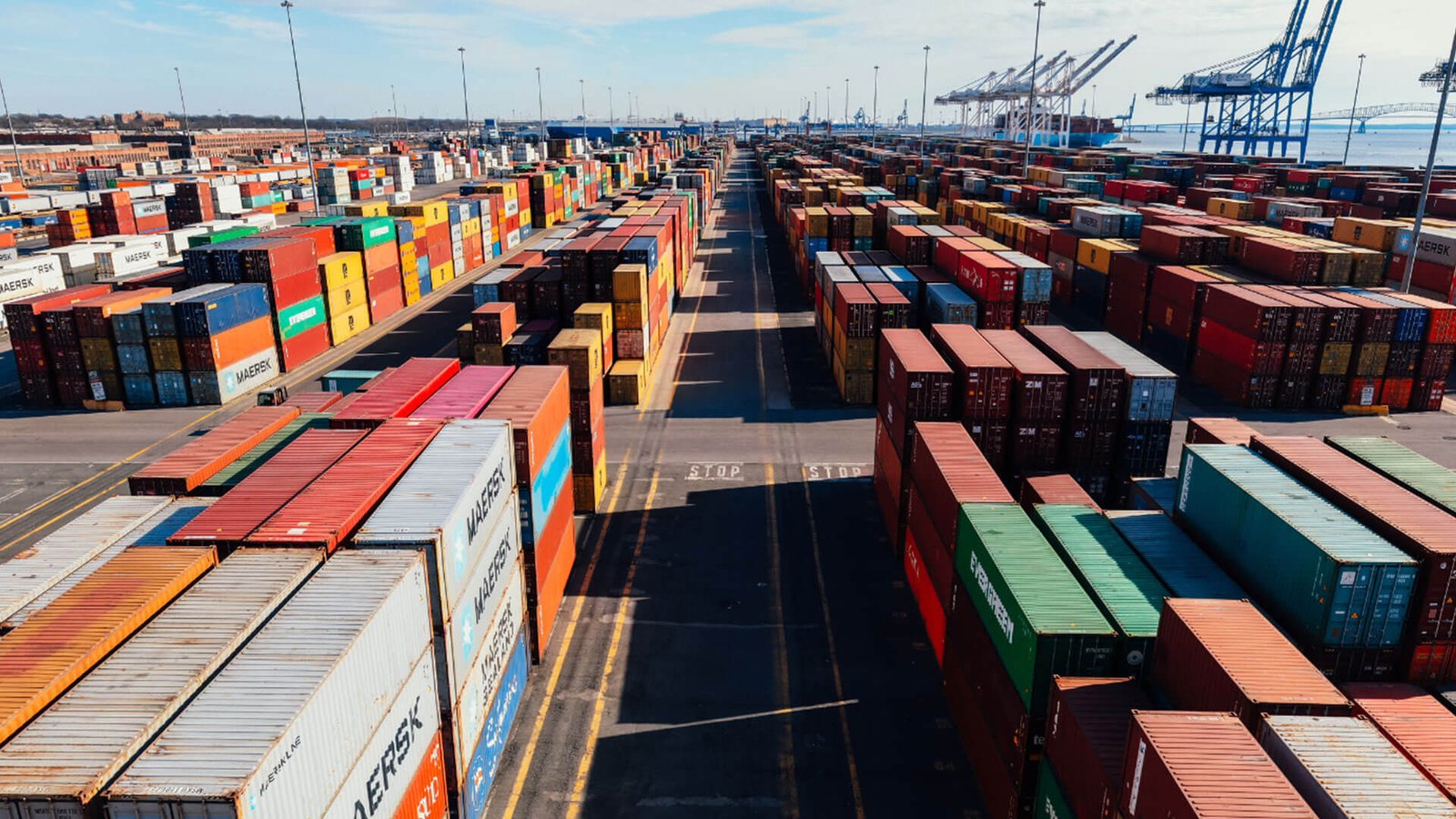
I often get asked if saffron is allowed into the U.S. The answer is a clear yes, but it's not as simple as shipping a box and hoping for the best. You need to think about two government agencies, not just one.
Saffron's Dual Regulation: FDA and CBP
The FDA sees saffron as a food and a spice. This means it falls under the Food, Drug, and Cosmetic Act. The FDA's main job is to make sure the saffron is safe to eat and properly labeled. They aren't concerned with how much you paid for it, but they are very concerned about who made it and if their facility is registered.
At the same time, U.S. Customs and Border Protection (CBP) is also involved. CBP cares about the shipment's value (for collecting duties), its country of origin, and whether it poses a security risk. For saffron, the country of origin is a huge factor. Saffron from Iran, a major producer, is checked very carefully due to U.S. sanctions. Just because saffron is legal to sell in a U.S. store doesn't mean it's easy to import. The journey from the farm to your warehouse is full of compliance checkpoints7.
What Licenses, FDA Requirements, and Import Documents Are Required to Clear Saffron Without Delays?
You're ready to arrange your first saffron shipment. The thought of missing one small document can be stressful, as it could lead to expensive delays. A simple checklist makes this easy.
You don't need a special license to import saffron. However, your foreign supplier must have a valid FDA Food Facility Registration8. You must also file FDA Prior Notice9 before shipping and provide a commercial invoice10, packing list, and a clear country-of-origin declaration.
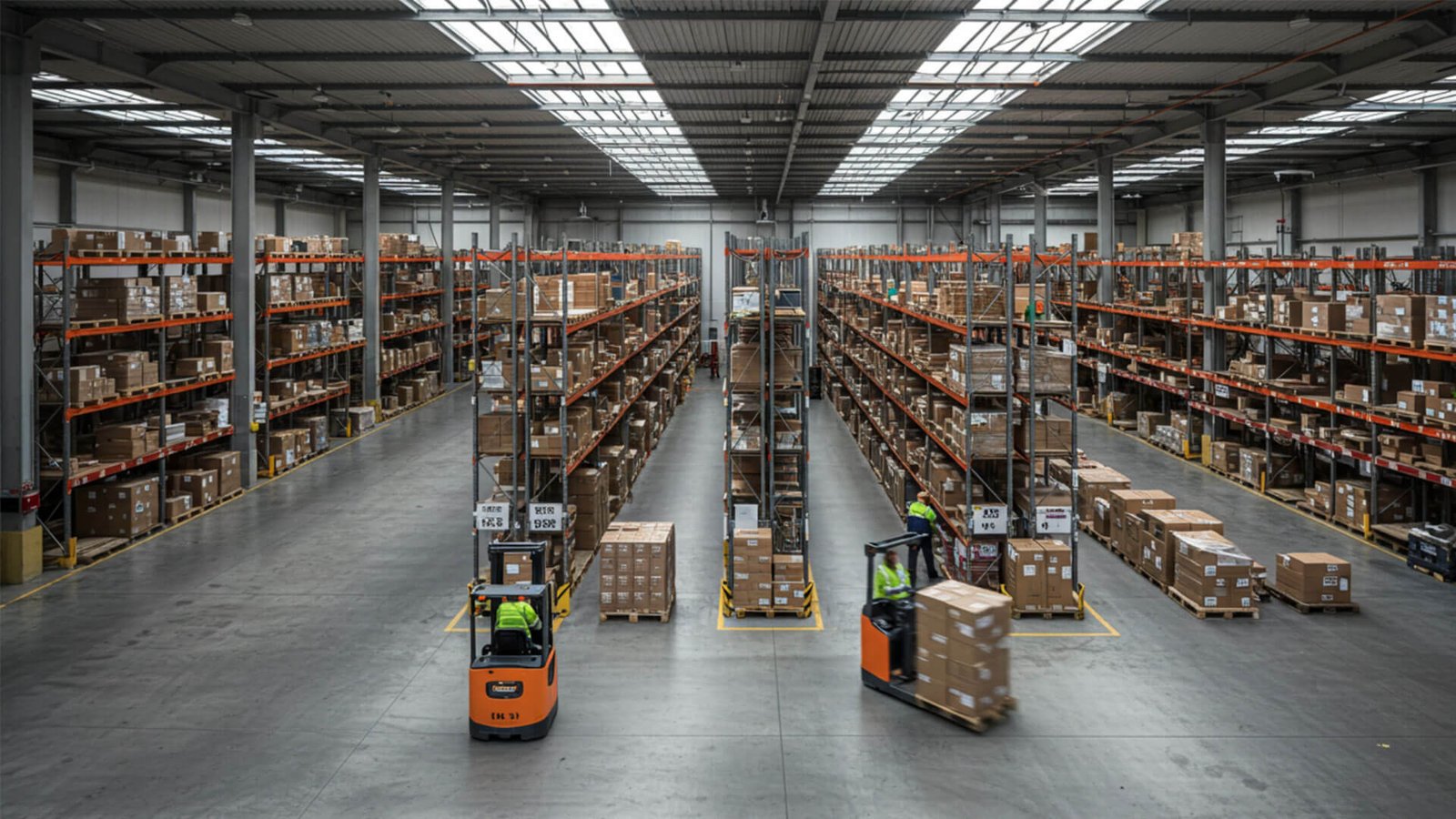
Paperwork is everything when importing saffron. I've seen shipments sail through customs and others get stuck for weeks, and the difference is always in the preparation. Here are the non-negotiable items you need to have in order.
Saffron Import Compliance Checklist (FDA + CBP)
This table shows the key requirements and where things often go wrong.
| Requirement | FDA | CBP | Common Failure |
|---|---|---|---|
| Food Facility Registration8 | ✅ | — | Missing or expired registration |
| FDA Prior Notice9 | ✅ | — | Filed late, incomplete, or with errors |
| Commercial Invoice | — | ✅ | Value is wrong or origin is not listed |
| Country of Origin Declaration11 | — | ✅ | Iran origin is hidden or not disclosed |
| Importer of Record12 | — | ✅ | No valid EIN or using the wrong party |
| Labeling Accuracy13 | ✅ | — | Ingredient list doesn't match product |
Your foreign manufacturer or processor must have a current Food Facility Registration8 (FFR) with the FDA. You, or your customs broker14, must file Prior Notice (PN) with the FDA before the shipment even leaves the origin country. For customs, you need a detailed commercial invoice10 that shows the true value, a packing list, and a bill of lading or air waybill. Most importantly, you must declare the correct country of origin. Hiding the origin is a fast track to seizure. Finally, you, the U.S. importer, must be the official Importer of Record12 (IOR) with a valid tax ID number.
Why Saffron Shipments Get Held at U.S. Customs and FDA and How Importers Prevent Seizures?
You've heard horror stories of saffron getting stuck at the border for weeks. These holds can destroy your profit margins and ruin your launch schedule. Knowing the red flags helps you avoid them.
Most saffron delays are from FDA compliance issues15, not customs duties. Common reasons for holds include incorrect FDA Prior Notice9, labeling errors, or questions about the country of origin. Proactive documentation checks by a good customs broker14 are the best way to prevent holds.
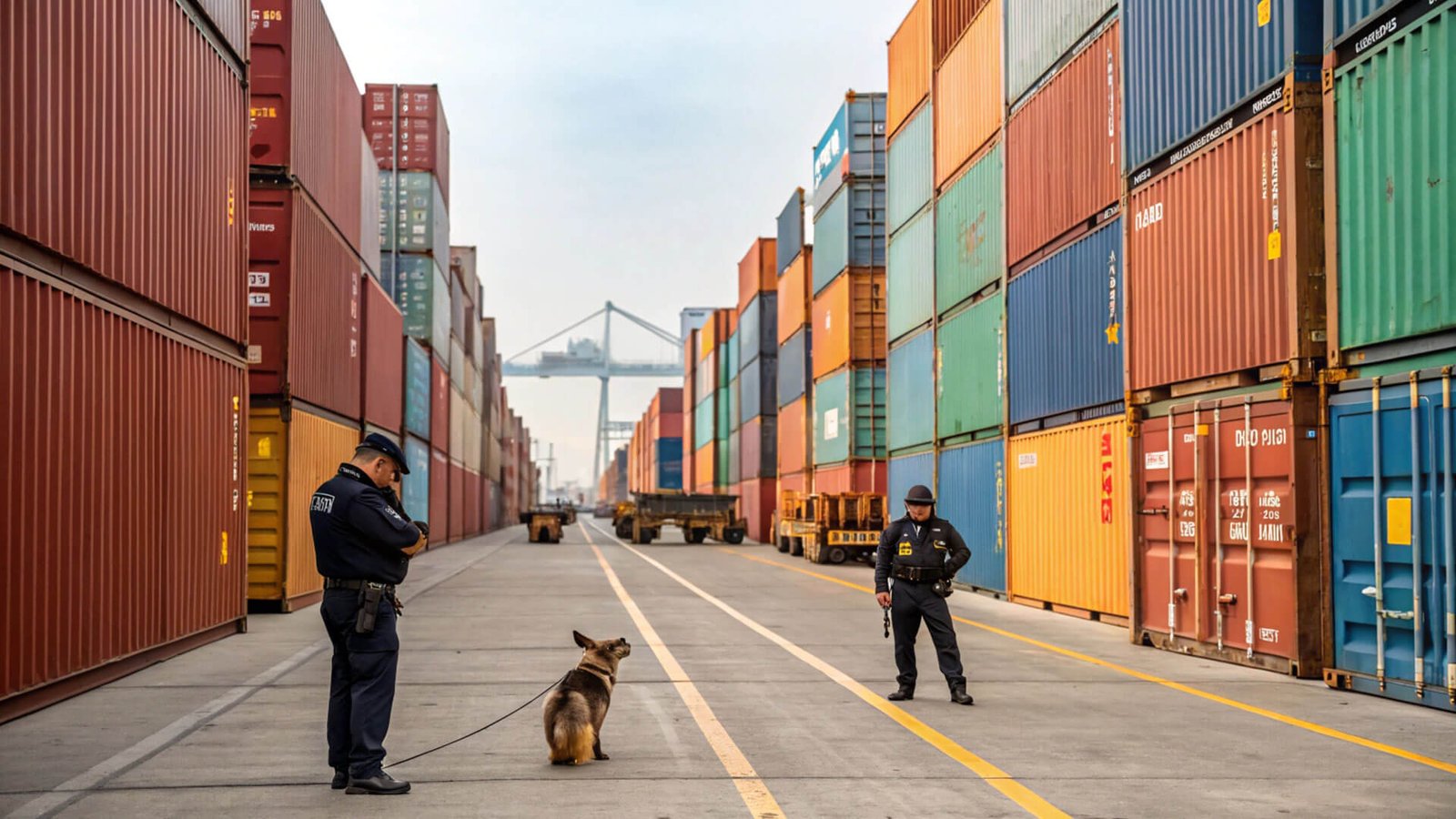
In my experience, the FDA causes more saffron holds than CBP. An FDA hold can be for a simple document review or a full physical exam. Here are the most common reasons I see shipments get stopped and how we've helped clients overcome them.
Real-World Hold vs. Release Scenarios
Case Study 1 – HOLD: Iran-Origin Saffron via EU
An importer bought saffron that originated in Iran but was shipped from a supplier in the European Union. The paperwork listed the EU as the origin, but the FDA's system flagged the shipment for potential transshipment. The documents did not include a clear declaration of the saffron's true origin farm. The FDA placed an immediate hold for "origin verification." The shipment sat in a bonded warehouse for three weeks, racking up storage fees, while the importer scrambled to get the right paperwork from the Iranian and EU suppliers. The shipment was eventually released, but the profit was eaten by fees and the delay caused a stockout.
Case Study 2 – HOLD: China-Exported Saffron via Air Freight
A new Amazon seller imported saffron sourced from a trading company in China. The seller's freight forwarder filed the FDA Prior Notice9 but used the trading company's information instead of the actual food processor's registration. The product label also listed ingredients that were slightly different from what was on the commercial invoice10. This mismatch triggered an FDA hold for document review and clarification. It took over a week to correct the filing and prove the product's composition, causing the seller to miss their Amazon Prime Day delivery window and lose sales.
Case Study 3 – RELEASE: EU-Packaged Saffron via DDP Air
A U.S. spice brand worked with us to import saffron packaged in Spain. Before the shipment left, we verified the Spanish packer's FDA registration was active. We collected all documents, including the commercial invoice10 and origin certificate, and pre-filed them with both CBP and the FDA two days before the flight landed. Because all the information was correct and filed early, the FDA system gave it an automated "MAY PROCEED" status. The shipment was released by customs on the same day it arrived, with no delays or extra fees. This is the result of a broker-controlled process.
How U.S. Importers Can Structure Saffron Shipments From Origin to Delivery to Avoid Compliance and Timing Risks?
You want a smooth and predictable supply chain for your saffron. A poor shipping strategy can create risk and uncertainty at every step. The right structure gives you control and peace of mind.
The safest way to import saffron is with a broker-led clearance model16. This means your U.S. customs broker14 manages all FDA and CBP filings before the shipment arrives. This, plus compliant sourcing and the right shipping method, removes most risks of delays.

How you structure your shipment is just as important as the paperwork you file. You can choose a path that is high-risk or one that is low-risk. Here is what I advise my clients.
“Will My Saffron Shipment Be Held?” Risk Matrix
This matrix helps you see how different factors increase or decrease your risk.
| Risk Factor | Low Risk | Medium Risk | High Risk |
|---|---|---|---|
| Country of Origin | EU | China | Iran |
| FDA Registration | Verified by Broker | New / Unverified | Missing / Expired |
| Prior Notice | Filed Correctly & Early | Filed Late | Incorrect / Not Filed |
| Shipment Value | Low (Under $2,500) | Medium | High (Over $10,000) |
| Packaging & Labeling | Fully Compliant | Minor Wording Issues | Incorrect / Misleading |
| Clearance Model | Broker-Led | Seller-Managed | No Broker / Self-Filed |
To stay in the low-risk column, you should always use a broker-led clearance model16. This means you hire the U.S. customs broker14, not your supplier. This gives you control over the filing. I strongly advise against using DDP (Delivered Duty Paid) terms17 for saffron. While DDP sounds easy because the seller handles everything, it means their agent files the customs entry. That agent works for the seller, not you. For a sensitive product like saffron, you need an expert on your side to protect your interests. Choosing air freight18 over ocean freight is also common for saffron due to its high value and low weight, which helps reduce transit time and potential for damage.
Conclusion
Saffron imports fail because of bad paperwork, not a bad product. FDA compliance is more important than freight speed. The safest path is broker-controlled clearance19 with verified FDA filings every time.
Understanding the benefits of high-value saffron can help you make informed decisions about its import and potential profit margins. ↩
Knowing CBP regulations ensures compliance and smooth importation of saffron, avoiding potential legal issues and delays. ↩
Understanding FDA rules is crucial for ensuring that your saffron imports meet safety and labeling standards. ↩
Having the correct documentation is essential to avoid delays and ensure a smooth import process for saffron. ↩
An accurate origin declaration helps prevent legal issues and ensures compliance with U.S. import regulations. ↩
FDA pre-filing is crucial for ensuring that your saffron shipment is processed quickly and without issues at the border. ↩
Knowing the compliance checkpoints helps in preparing documentation to ensure a smooth import process. ↩
Understanding Food Facility Registration helps ensure that your supplier is compliant, reducing the risk of import delays. ↩
Filing an FDA Prior Notice correctly is essential to avoid shipment holds and ensure timely delivery of saffron. ↩
A detailed commercial invoice is necessary for customs clearance and to avoid potential shipment delays. ↩
Correctly declaring the country of origin is vital to comply with U.S. regulations and avoid shipment seizures. ↩
Understanding the Importer of Record's responsibilities ensures compliance and smooth processing of saffron shipments. ↩
Accurate labeling ensures compliance with FDA regulations and prevents shipment holds due to discrepancies. ↩
A customs broker can help navigate complex regulations, ensuring a smooth import process for saffron. ↩
Knowing common FDA compliance issues helps in preparing documentation to avoid shipment holds and delays. ↩
A broker-led clearance model ensures expert handling of all regulatory filings, reducing the risk of delays. ↩
Understanding the risks of DDP terms helps in choosing the best shipping strategy for saffron imports. ↩
Air freight is often preferred for saffron due to its high value and low weight, ensuring faster and safer delivery. ↩
Broker-controlled clearance ensures all regulatory requirements are met, reducing the risk of shipment delays. ↩