Are your Amazon FBA shipments1 getting stuck at customs? The problem might be your Importer of Record (IOR)2 or Exporter of Record (EOR)3. This is a common but fixable issue.
The Importer of Record (IOR)2 is the entity legally responsible for customs duties and compliance4 in the US. The Exporter of Record (EOR)3 handles export declarations from the origin country. They are separate roles, and getting them wrong causes major Amazon import delays5 and rejections.
I see this confusion all the time with my clients. An Amazon seller like Mark, who is focused on growing his business, often thinks shipping is just about moving a box from point A to point B. But for international imports, especially to an Amazon FBA warehouse, it's really about legal responsibility6. If you don't get the IOR and EOR right from the start, your goods might not even make it to the warehouse. Let's break down exactly what these roles mean for you and your business.
What do IOR and EOR mean for Amazon imports, and why are they not the same role?
Confused about who is legally responsible for your imports? Misunderstanding the difference between an IOR and EOR can lead to seized goods and big fines. Let's clarify their distinct roles.
The Importer of Record (IOR)2 is the US entity legally liable for customs clearance7, duties, and compliance. The Exporter of Record (EOR)3 is the entity in the origin country, like China, responsible for lawful export declarations. They are not interchangeable; one handles import, the other export.
Many sellers I talk to believe these roles are just paperwork. This is a very costly mistake. The IOR has the legal burden in the United States, while the EOR has the legal burden in the origin country. I've seen sellers list their freight forwarder8 as the IOR, but the forwarder is only handling the logistics of moving the freight. They are not taking on the legal risk or financial liability for your goods with U.S. Customs. This confusion comes from the false idea that "shipping" covers everything. It does not. You must have a designated, legally responsible party for both the export and the import ends of the shipment. Let's look at the core difference.
Legal vs. Logistics Responsibility
- Legal Responsibility (IOR/EOR): This involves answering to government agencies like U.S. Customs and Border Protection (CBP). It includes paying duties, ensuring product safety, and facing penalties for any errors. This is the most important part.
- Logistics Responsibility (Freight Forwarder): This is the physical movement of your goods. It includes booking container space, trucking, and managing transit from the port in China to the port in the USA. Your forwarder is your service provider, not your legal representative for customs liability.
Who should be the Importer of Record for Amazon FBA shipments1, and why is Amazon usually not the one?
Are you thinking about listing Amazon as your Importer of Record? This is a common mistake that guarantees your shipment will be rejected. Amazon protects itself, and you need to know how.
Amazon states in its Seller Central policies that it will not act as the Importer of Record for third-party sellers. The seller or their designated agent must be the IOR. Listing Amazon as the IOR will cause an automatic customs rejection9 and FBA delivery failure.
This is one of the most critical rules for anyone importing to an FBA warehouse. Amazon's business is fulfillment and e-commerce, not international customs liability. They will not put their name on your customs documents or pay your import duties. When a shipment arrives at a US port with "Amazon" listed as the IOR, CBP will stop it immediately. Why? Because there is no valid importer to take responsibility. For my US-based clients, their own company (with an EIN) should always be the IOR. For my non-US clients, they must either register a US entity or use a third-party IOR service10. Without a valid IOR, your shipment is legally an orphan at the border. I created this simple checklist to help my clients figure this out before they ship.
Who Should Be Your Amazon IOR? Decision Checklist
| Question | If No → Risk |
|---|---|
| Do you have a U.S. entity with an EIN? | You will need a third-party IOR service10. |
| Does your IOR understand Amazon FBA rules? | There is a high risk of delivery rejection. |
| Is the IOR listed correctly on the customs entry? | This will cause a guaranteed customs clearance7 failure. |
| Is your EOR aligned with your export documents? | You risk export delays from China. |
| Is your DDP structured with broker-controlled entry? | You may have hidden legal liability. |
| Are duties and taxes billed to you transparently? | You risk surprise costs and lost profit. |
| Has this structure worked for past FBA shipments? | You should test a small shipment before scaling up. |
When is an Exporter of Record required, and how does EOR impact compliance for China to USA Amazon shipments?
Is your supplier in China handling the export paperwork correctly? An EOR error can stop your shipment before it even leaves the port. This is a hidden point of failure for many importers.
An Exporter of Record (EOR)3 is always required for a lawful export from China. This entity must be properly licensed, and their information must match all commercial documents. Mismatches between the EOR and the supplier on your invoice often trigger customs exams and delays11.
The EOR is the party legally responsible for ensuring the goods can be exported from the origin country. In China, this is a formal process, and the EOR must have the correct export licenses12. I often see problems arise when an Amazon seller works with a factory that doesn't have its own export license. The factory then uses a separate trading company to act as the EOR. If the name on the commercial invoice13 (the factory) and the name on the export declaration (the trading company) do not match, it raises a red flag for both China Customs and US Customs. This simple mismatch suggests something is being hidden. It can lead to inspections, documentation requests, and delays, which cause you to miss your Amazon delivery appointment. The EOR must be the same entity that issued your commercial invoice13 to ensure a smooth, compliant export process.
What are common Amazon import failures caused by an incorrect IOR or EOR setup?
Are your FBA shipments stuck in transit, costing you money every single day? These failures are almost always caused by simple, fixable errors in your IOR or EOR setup from the very beginning.
The most common Amazon import failures are customs holds, FBA delivery appointment rejections, and stranded inventory at the port. These happen when there is no valid IOR, when Amazon is incorrectly listed as the IOR, or when EOR documents from China do not match the commercial paperwork.
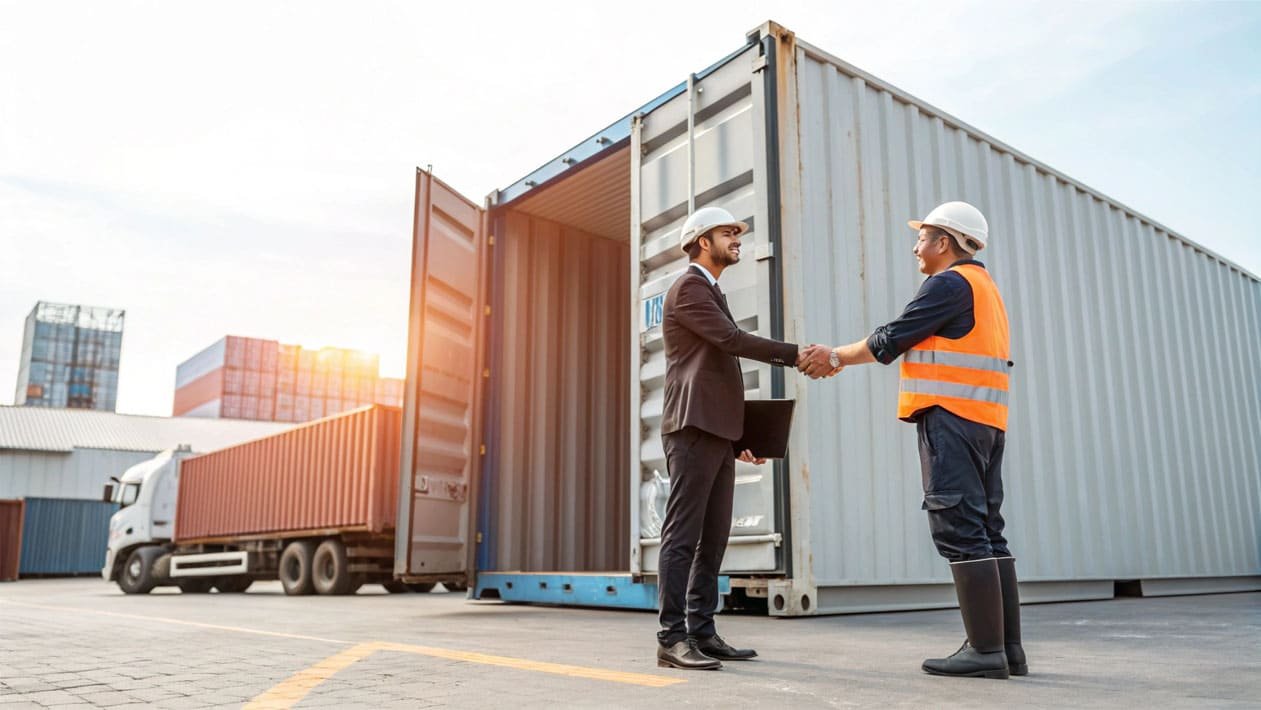
These failures are not random. They follow a very predictable pattern, and I've seen it happen to many new importers who try to manage this process alone.
Case Study 1: The Non-U.S. Seller Failure
A new seller I helped from the UK was shipping goods from China to an Amazon FBA warehouse in Los Angeles. They assumed Amazon would handle the import process and listed "Amazon" as the IOR on the shipping documents. The shipment arrived at the Port of Long Beach, and CBP immediately put it on hold. There was no valid importer number (like an EIN or SSN) on the entry form. As expected, Amazon refused the delivery appointment because the goods were not cleared. The result? The seller's container sat at a bonded warehouse, racking up daily storage fees. They lost weeks of sales and had to pay thousands in extra fees to fix the paperwork and find a last-minute IOR.
Case Study 2: The EOR Mismatch Failure
Another client was importing electronics from China to New Jersey. Their factory didn't have an export license, so they used a separate trading company as the EOR. However, the commercial invoice13 listed the factory's name. US Customs flagged this mismatch between the export declaration and the invoice. This triggered an exam, delaying clearance by over two weeks. By the time the goods were finally released, they had missed their original FBA inbound appointment and had to wait for a new slot, pushing their inventory replenishment back by a month.
How do IOR and EOR choices affect duties, taxes, customs clearance7, and Amazon delivery acceptance14?
Are you worried about surprise duty bills or customs penalties15? Your choice of IOR directly determines who pays and who is held accountable. An incorrect choice can destroy your profit margins.
The Importer of Record (IOR)2 is the entity CBP bills for all duties and taxes. This entity must also have a customs bond16. An incorrect IOR leads to clearance failure. An incorrect EOR creates documentation conflicts. Both can cause Amazon to reject the final delivery.
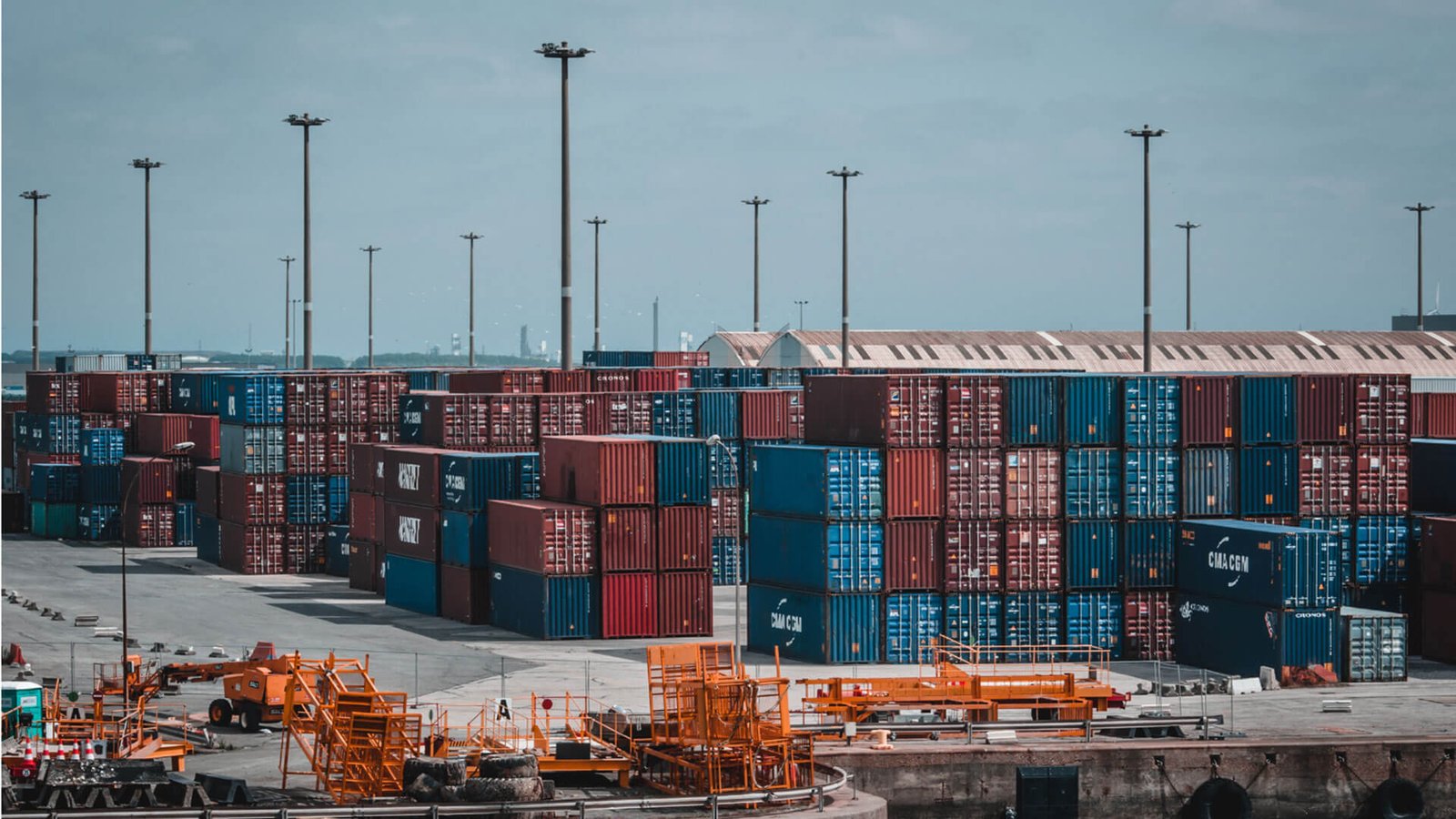
Your IOR and EOR choices have direct financial and logistical consequences. The IOR is not just a name on a form; it is the financial and legal anchor for the entire import transaction. CBP needs to know who to hold responsible for the money and the compliance. This is why a customs bond16, which acts like an insurance policy for the government, is required and must be tied directly to the IOR. If the IOR is invalid, there is no bond and no clearance. Similarly, Amazon has very strict compliance rules for its fulfillment centers. They will not accept any deliveries that have not been fully cleared by customs and are not scheduled correctly. This table breaks down the key responsibilities.
IOR vs. EOR vs. Amazon Comparison
| Role | Responsibility | Legal Liability | Common Mistake |
|---|---|---|---|
| Importer of Record (IOR)2 | U.S. customs clearance7, entry filing. | Pays all duties, taxes, and penalties. | Assuming Amazon will act as IOR. |
| Exporter of Record (EOR)3 | Origin country export filing, licensing. | Accuracy of export declaration in China. | Mismatch between factory and EOR. |
| Amazon | Marketplace and fulfillment center. | None for customs clearance7 or duties. | Assuming Amazon handles import logistics. |
How can Amazon sellers structure IOR and EOR correctly using broker-controlled clearance and DDP?
Do you want a reliable, repeatable import process for your Amazon FBA business? A common shipping term, DDP, is often used incorrectly and creates massive risk. There is a much safer way.
The best structure uses a customs broker17 to control the entry. The seller acts as their own IOR if they have a US entity. If not, they use a verified third-party IOR service10. This is combined with a DDP (Delivered Duty Paid) shipping agreement where costs are covered, but the seller maintains legal control.
Many sellers love DDP (Delivered Duty Paid) shipping because it seems simple. One price covers everything. But what I call "risky DDP" is when your supplier in China handles everything, including choosing the IOR. They often use a questionable, unrelated third party in the US as the IOR, leaving you with no control or visibility. This can lead to serious compliance issues that you are not even aware of until it's too late.
The correct way to do this is what I call "broker-controlled DDP18." You still get a single, all-in price for the shipment. But your own US customs broker17—a company you hire and trust—manages the customs entry. You, or a verified third-party IOR that you have approved, are listed as the Importer of Record. This gives you full legal control and transparency over your own shipment.
Case Study 3: The Broker-Controlled Success
A growing consumer goods brand I work with ships from China to the Amazon FBA warehouse in Houston. We set them up as their own IOR using their US-based LLC. We also verified that their Chinese supplier was the correct EOR on all documents. Using a controlled DDP model, they paid one fee, but my team acted as their customs broker17. We filed the customs entry under their IOR number. Duties were billed transparently to them. The shipment cleared smoothly, and Amazon accepted the delivery on schedule. This is a scalable, compliant structure that prevents 99% of problems.
Conclusion
Amazon imports fail on structure, not on shipping speed. Getting the IOR and EOR right is critical. A broker-verified IOR and compliant DDP structure is the safest path to success.
Understanding common issues with Amazon FBA shipments can help you avoid delays and ensure smooth delivery to your warehouse. ↩
Learn about the critical role of an IOR in ensuring compliance and avoiding customs delays for your international shipments. ↩
Discover the importance of an EOR in managing export declarations and preventing shipment delays from the origin country. ↩
Explore how customs duties and compliance impact your shipping process and what you need to do to stay compliant. ↩
Find out the common causes of Amazon import delays and learn strategies to prevent them for timely deliveries. ↩
Understand the significance of legal responsibility in shipping and how it affects your business operations. ↩
Gain insights into the customs clearance process to ensure your shipments pass through customs smoothly and efficiently. ↩
Learn about the logistics responsibilities of a freight forwarder and how they differ from legal responsibilities in shipping. ↩
Identify the reasons behind customs rejections and learn how to prevent them to avoid costly delays and fees. ↩
Explore the benefits of using a third-party IOR service, especially for non-US sellers, to ensure compliance and smooth customs clearance. ↩
Identify the factors that lead to customs exams and delays, and learn how to avoid them for timely shipment clearance. ↩
Understand the necessity of export licenses for legal exports from China and how they affect your shipment's compliance. ↩
Learn about the importance of a commercial invoice in shipping and how it affects customs clearance and compliance. ↩
Learn about the criteria for Amazon delivery acceptance to ensure your shipments are accepted without issues. ↩
Understand the implications of customs penalties and how to prevent them by ensuring compliance with shipping regulations. ↩
Discover the purpose of a customs bond in international shipping and how it ensures compliance with customs regulations. ↩
Discover how a customs broker can assist in managing customs entries and ensuring compliance for smooth shipment clearance. ↩
Learn how broker-controlled DDP offers a safer, more compliant shipping process by maintaining legal control over your shipments. ↩