Shipping oversized cargo1 from China is complex. A wrong choice can lead to huge delays and unexpected costs. I'll help you understand when breakbulk is your best option.
Breakbulk cargo is any type of good that is loaded individually, not in a shipping container or in bulk. It is used for items that are too large, heavy, or irregularly shaped for standard containers, like machinery, vehicles, or large steel beams.

I've seen many U.S. importers struggle with this decision. They see the efficiency of container shipping2 and wonder if breakbulk is a step backward. The truth is, breakbulk shipping is a highly specialized solution for specific problems. When your cargo simply won't fit, it's not a downgrade—it's the only way forward. But making this choice without understanding the full picture can be a costly mistake. Let's break down what you need to know to get it right.
What Breakbulk Cargo Is and How It Differs From Containerized and Bulk Cargo?
Confused by all the shipping terms3? This confusion often leads to expensive mistakes and project delays. I will explain the key differences in simple terms.
Breakbulk cargo consists of individual items, like machinery. Containerized cargo is packed in standard boxes. Bulk cargo is loose material, like grain or iron ore, that is poured directly into a ship's hold. Each method serves a very different purpose.
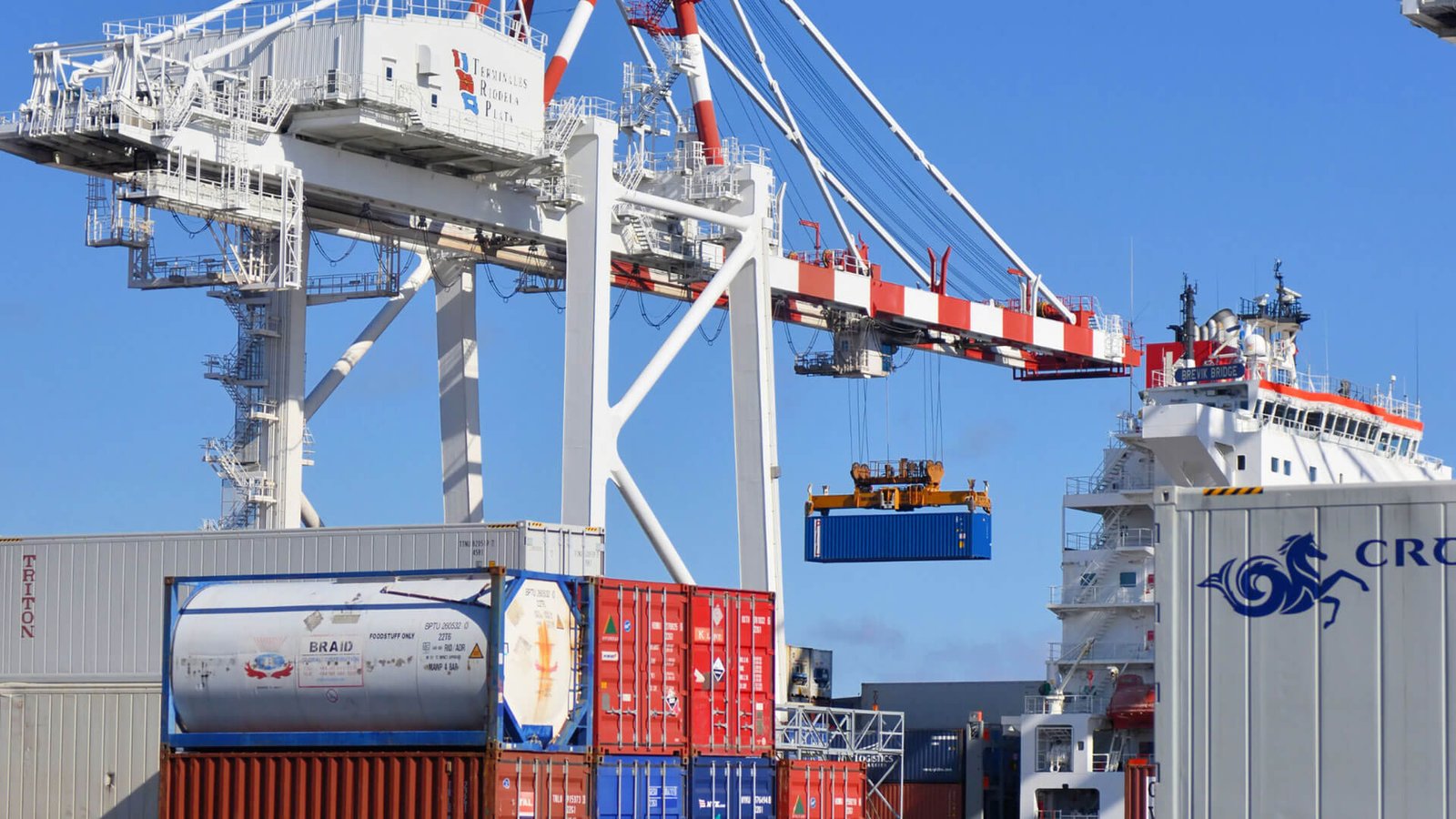
In a world dominated by containers, many of my clients are surprised that breakbulk still exists. But it's essential. Think of it this way: containerization standardized shipping for most goods, but it can't handle everything. Breakbulk fills that gap. It's for the items that are too heavy, too long, or too wide for a 40-foot container. A common mistake I see is importers trying to force their cargo into a container solution, like a flat rack, when breakbulk would have been safer and, in the end, more efficient. Understanding the fundamental differences is the first step in avoiding these costly errors. It's not about which method is "better," but which is right for your specific cargo.
Breakbulk vs Container vs Bulk Comparison
| Factor | Breakbulk | Containerized | Bulk |
|---|---|---|---|
| Cargo Type | Oversized / heavy equipment, machinery | Standardized consumer & industrial goods | Loose commodities (grain, ore, liquids) |
| Packaging | Shipped as individual pieces or crated | Palletized or boxed inside a container | Loaded loose with no packaging |
| Handling | Specialized crane / heavy lift | Standard forklift / ship-to-shore crane | Conveyors, pumps, or grabbers |
| Cost Predictability | Medium–Low | High | Medium |
| Damage Risk | Higher | Lower | Medium |
| Transit Time | Variable and often longer | Highly predictable | Variable |
| Best For | Project cargo, machinery, vehicles | Most manufactured goods | Raw materials |
When Is Breakbulk Cargo Used and Which Types of Shipments Require It Instead of Containers?
Does your cargo really need breakbulk shipping? Guessing wrong on this can mean your shipment gets rejected at the port, causing major delays and fees. Let's define the exact situations.
Breakbulk is required when cargo dimensions4 or weight exceed the limits of a standard or specialized container. This includes oversized machinery, long steel pipes, construction vehicles, and heavy equipment that would break the floor of a container.
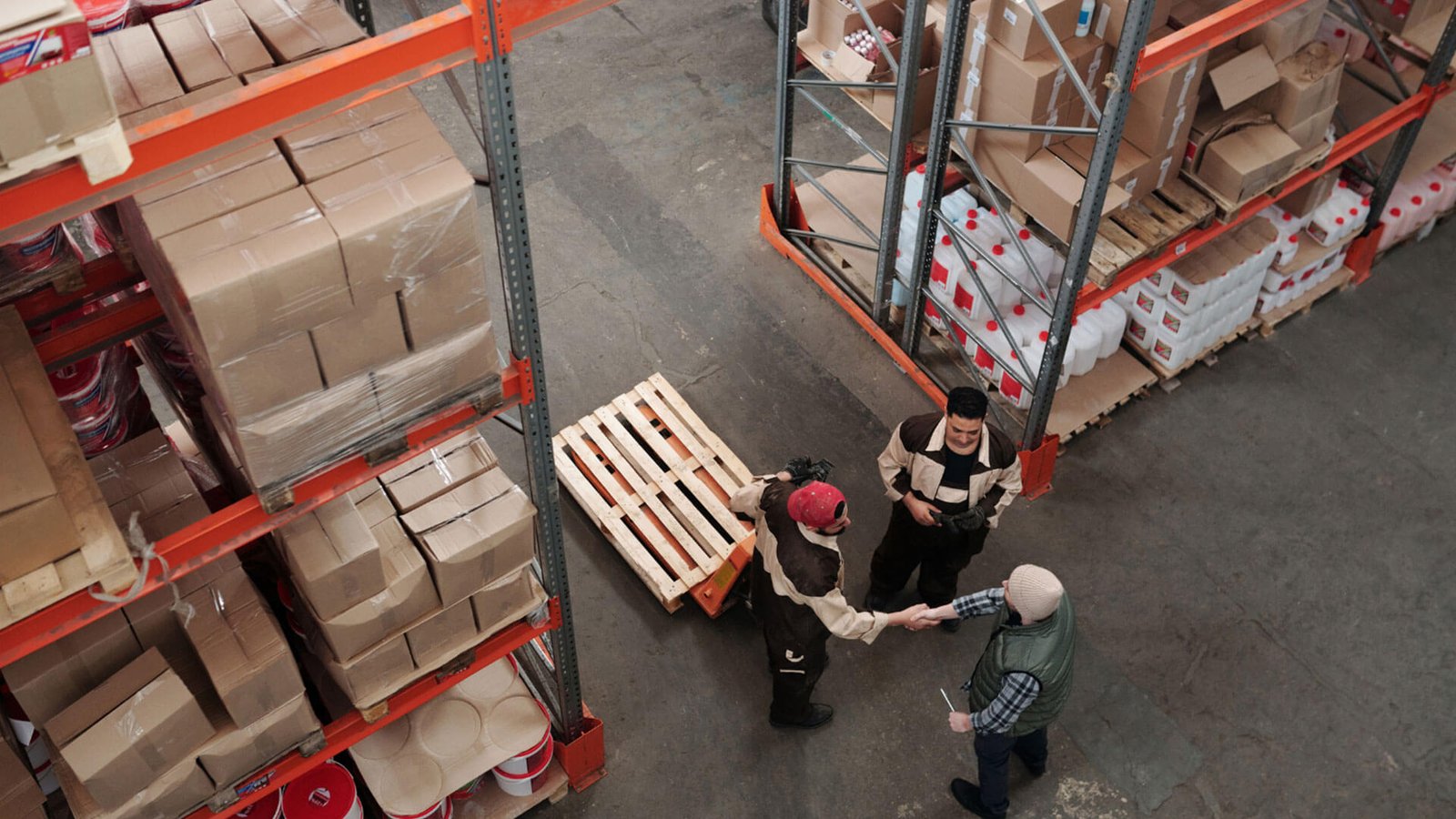
I work with importers shipping all kinds of large items from China to the USA. The decision to use breakbulk usually comes down to simple physics. A standard 40-foot container has strict limits on internal dimensions and floor weight capacity. If you have a single piece of factory machinery that's too tall, too wide, or too heavy, a container is not an option. Some clients ask about using special equipment like flat rack or open-top containers. These are great for certain items, but they also have limits. If the cargo overhangs too much or is too heavy even for a reinforced flat rack, breakbulk becomes the only viable method. This is for true project cargo5—items that need a custom shipping plan6 from start to finish.
Case Study 1 – The High Cost of a Bad Guess
A client once tried to ship a large industrial press from China to Los Angeles. They declared dimensions that suggested it might fit on a flat rack. However, the actual cargo was slightly larger. When it arrived at the port, the terminal rejected it for the container vessel. The port in China lacked the specific heavy-lift crane7 needed for the next breakbulk vessel. The cargo had to be moved to another port, causing a three-week delay and thousands in extra handling and storage fees. This is a classic example of how a small miscalculation creates a huge problem.
How Breakbulk Cargo Is Handled, Loaded, and Secured During Ocean Transport?
Are you worried about your expensive machinery getting damaged at sea? Improper handling is the number one cause of damage in breakbulk shipping. Let's look at how it's done correctly.
Breakbulk cargo is individually lifted onto the vessel by specialized cranes. It is then carefully positioned and secured using heavy-duty chains, straps, and braces. The choice of port is critical, as not all facilities have the required equipment or experience.

Handling breakbulk cargo8 is more of an art than a science. Unlike a container, which is a standard steel box, each piece of breakbulk is unique. At the port, a detailed loading plan is created. Specialized shore cranes or the ship's own cranes lift the cargo. Once on board, it's not just placed on the deck. It is carefully positioned to maintain the ship's balance. The real skill is in the securing, or "lashing." The port crew uses a combination of heavy chains, steel cables, and turnbuckles to lock the cargo in place so it cannot shift during rough seas. The wrong lashing or a poor choice of port can lead to disaster. I always vet the capabilities of both the origin and destination ports before a single piece of cargo is moved.
Case Study 2 – When Poor Lashing Leads to Damage
An importer shipped large steel components from China to Houston. To save money, they opted for a carrier known for low rates, not for its breakbulk expertise. The crew used inadequate lashing methods9 for the weight and shape of the steel. During the voyage, the cargo shifted, causing significant damage to the components and the vessel. The result was a lengthy insurance claim10, expensive repairs, and a project timeline11 that was completely disrupted. This failure could have been avoided by choosing a carrier with proven experience in securing heavy steel.
What the Cost, Risk, and Transit Time Tradeoffs Are When Shipping Breakbulk Cargo?
Is breakbulk shipping just too expensive and risky? The hidden costs and unpredictable timelines can destroy your project budget if you aren't prepared. Let's review the real tradeoffs you're making.
Breakbulk often has higher port fees12 and longer, less predictable transit times13 than container shipping2. The risk of damage is also higher without expert handling. However, it is sometimes the only possible option, making the tradeoffs necessary.

When importers compare breakbulk to containers, they often get sticker shock. The ocean freight itself might seem competitive, but the total cost is much higher. Why? Because you're paying for specialized services. This includes heavy-lift crane7 fees, manual lashing labor, and higher port charges. The process is also slower. Loading and unloading can take days, not hours, making transit times13 variable. This increases the risk of damage, as the cargo is exposed to the elements and handled multiple times. So, why would anyone choose it? Because the alternative is not being able to ship your cargo at all. The key is to manage these tradeoffs with expert planning, not to avoid them.
Case Study 3 – Success Through Proactive Planning
We handled a shipment of large construction equipment from China to Savannah. Before the cargo even left the factory, our project team reviewed the technical drawings. We selected a vessel and a China port with a proven track record in handling this exact type of machinery. We pre-cleared U.S. Customs14 while the vessel was at sea. The equipment was loaded and secured under the supervision of our local agent. It arrived in Savannah, was discharged without incident, and delivered to the job site on schedule. There was no damage and no budget overruns because every step was planned and verified in advance.
How U.S. Importers Can Decide Whether Breakbulk or Container Shipping Is the Better Option?
Are you stuck deciding between breakbulk and a specialized container? Making the wrong choice can stall your project and lead to massive costs. I will give you a clear framework to make the right decision.
To decide, you must compare the total landed cost15, not just the freight rate. Evaluate the physical feasibility at every step, including inland delivery16. Most importantly, have a project cargo5 specialist review your shipment specifications.
The decision is more than just "Will it fit?". For example, a flat rack container17 might seem cheaper than breakbulk, but what about the extra fees for over-width cargo? What about the inland delivery16? A shipment that is legal to move on the ocean might be impossible to move on U.S. highways without special permits and escort vehicles18, which adds huge costs. This is where a holistic view is critical. You must consider the entire journey, from the factory door in China to the project site in the U.S. Coordinating U.S. Customs14 for non-standard cargo is also a challenge that requires expertise. My advice is always the same: don't make the decision alone. A small upfront investment in expert planning saves you from enormous downstream costs.
“Should You Use Breakbulk?” Importer Decision Checklist19
| Question | If Yes → Breakbulk Is a Strong Possibility |
|---|---|
| Does your cargo exceed standard container size or weight limits? | Required |
| Is the cargo an irregular shape that cannot be stacked or loaded efficiently? | High likelihood |
| Have you confirmed that flat racks or open-top containers cannot be used? | If no, then breakbulk is necessary |
| Does the destination port have a history of handling breakbulk cargo8 well? | If no, there is a high risk |
| Is inland delivery16 from the port to the final site feasible for such a large piece? | If no, you must rethink the logistics |
| Is your project timeline11 flexible enough to handle potential delays? | Breakbulk is often slower |
| Has a project cargo5 specialist reviewed your shipment's technical details? | If no, this is a high-risk shipment |
Conclusion
Breakbulk shipping should be a deliberate choice based on expert planning, not a last resort. With the right partner, it is a reliable solution. Without one, it can become your most expensive mistake.
Understanding the complexities of shipping oversized cargo can help you avoid delays and unexpected costs. ↩
Explore the differences between container and breakbulk shipping to make informed decisions for your cargo. ↩
Familiarize yourself with essential shipping terms to prevent costly mistakes and project delays. ↩
Understanding cargo dimensions is crucial for selecting the appropriate shipping method and avoiding rejections. ↩
Explore the concept of project cargo to understand its unique shipping requirements and planning needs. ↩
A custom shipping plan ensures that oversized cargo is transported safely and efficiently. ↩
Discover the role of heavy-lift cranes in safely handling and loading breakbulk cargo. ↩
Learn about breakbulk cargo to determine if it's the right shipping method for your oversized items. ↩
Proper lashing methods are vital to prevent damage during transport, ensuring cargo safety. ↩
Learn how to manage insurance claims effectively if your breakbulk cargo is damaged during transit. ↩
Understanding the impact of breakbulk shipping on project timelines helps in effective planning. ↩
Understanding port fees can help you budget effectively for breakbulk shipping expenses. ↩
Learn why breakbulk shipping transit times can be unpredictable and how to plan accordingly. ↩
Proper coordination with U.S. Customs is essential for the smooth entry of non-standard cargo. ↩
Calculating the total landed cost helps in making informed decisions about shipping methods and budgeting. ↩
Understanding inland delivery challenges ensures smooth transportation from port to final destination. ↩
Learn about flat rack container limitations to decide if breakbulk is a better option for your cargo. ↩
Learn when escort vehicles are necessary to comply with regulations for transporting oversized cargo. ↩
The Importer Decision Checklist aids in evaluating whether breakbulk shipping is the right choice for your cargo. ↩