Tired of surprise fees destroying your import budget? These hidden charges can turn a profitable shipment into a loss, leaving you wondering what went wrong with your landed cost1.
A deferment fee2 is a charge for delaying payment on freight, duties, or other costs. It lets cargo move forward while payment is postponed, but it often includes an administrative or financing cost3.
I've seen many importers get hit with these fees. They think they are getting a good deal by pushing a payment down the road, but they don't realize it comes with a price tag. This fee isn't a penalty for doing something wrong, like demurrage. It's a charge for a service: the service of using someone else's money for a while. Understanding how this works is the first step to taking control of your shipping costs and protecting your profit margins. Let's break it down so you never get caught by surprise again.
What a Deferment Fee Means in Freight Shipping and Why It Exists in the First Place?
Ever wondered why you'd be charged for paying later? It seems counterintuitive, but carriers and brokers take on risk when they let your cargo move without immediate payment.
A deferment fee2 is a charge applied when payment for freight, duties, or related costs is delayed beyond the standard billing period, allowing cargo to move while payment is postponed, often with added administrative or financing cost3.
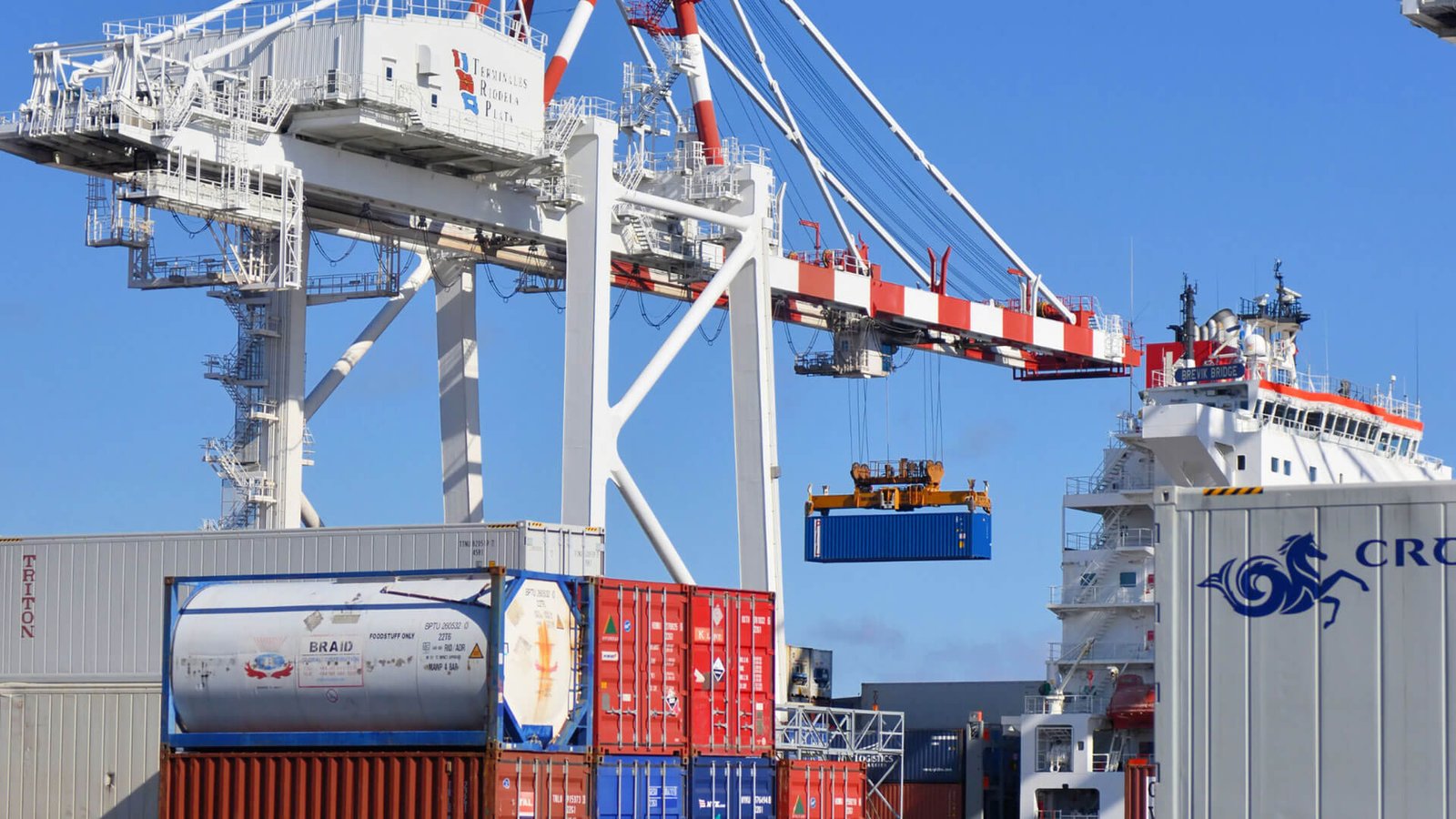
Think of it like this: when a carrier moves your container or a broker pays your customs duties upfront, they are extending you a short-term loan. The deferment fee2 is the interest or service charge on that loan. It covers the provider's administrative work to track the delayed payment and the financial risk they take. I once had a client, a small electronics importer, who was thrilled his carrier offered "deferred payment." He didn't realize that "deferred" meant "financed." The fee wasn't huge on one shipment, but over a year, it added up to thousands of dollars he hadn't budgeted for. These fees exist because money has a time value. The company waiting for your payment could be using that cash for its own operations. So, they charge a fee to compensate for the delay. It’s a standard business practice, but it's often buried in the fine print.
When Deferment Fees Are Triggered During Importing—And Why Many Importers Are Caught by Surprise?
These fees often appear out of nowhere on your invoice. The main reason is a simple misunderstanding of payment terms, which is easy to do in the complex world of shipping.
Deferment fees are commonly triggered when importers delay duty payment, rely on carrier credit terms4, or use deferred billing arrangements without fully understanding the added cost or conditions.
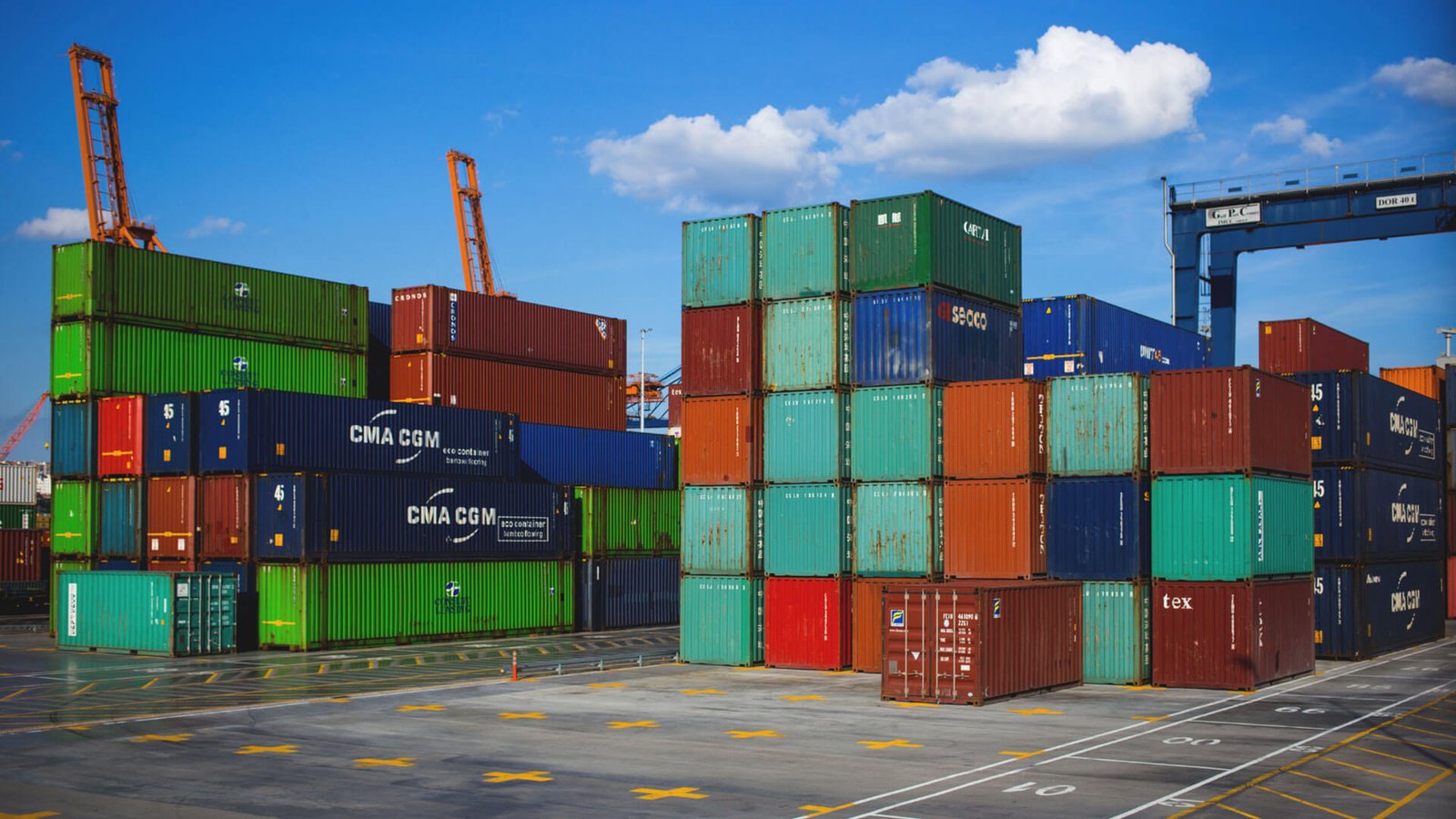
The biggest surprise for importers is that they often trigger the fee themselves without knowing it. Let me share a couple of real-world examples I've handled.
Case Study 1: The Duty Deferment Shock A client importing consumer goods from China to Los Angeles decided to use a duty deferment account5. This allowed his goods to clear customs quickly while the duty payment was postponed. He thought it was just a timing convenience. But his broker charged a deferment fee2 for managing the account and fronting the duty payment to customs. This fee wasn't in his original cost forecast, and his landed cost1 for that shipment was suddenly 3% higher than planned.
Case Study 2: The Carrier Credit Trap Another client, a retail business, was offered deferred freight billing by a major carrier for a shipment to New Jersey. It sounded great for their cash flow6. They accepted the offer without asking for a fee breakdown. When the final invoice arrived, it included multiple "deferment charges." The carrier had applied a fee for every week the payment was outstanding. This directly compressed their margins on that batch of products.
How Deferment Fees Differ from Duties, Demurrage, Detention, and Other Common Import Charges?
It's easy to lump all extra shipping charges together. But knowing the difference is key, because some are avoidable and some are not. Deferment fees are almost always avoidable.
Unlike duties or port penalties, deferment fee2s are financing or administrative charges tied to delayed payment. They are not connected to physical cargo delays or customs violations.
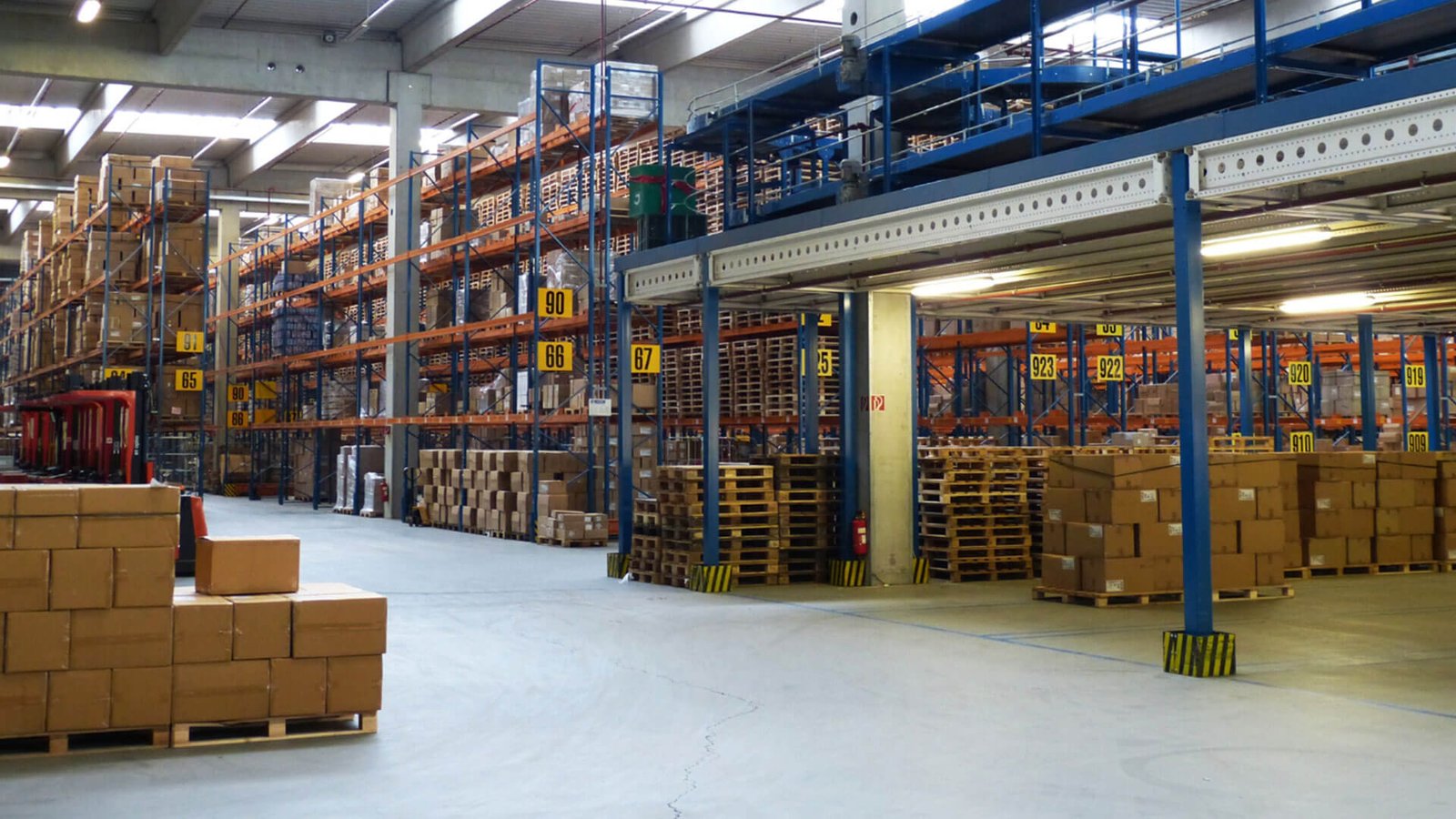
I spend a lot of time explaining these differences to my clients. A deferment fee2 is about payment timing7. The other charges are about physical timing or government taxes. Duties are taxes you must pay. Demurrage and detention are penalties for not moving your container or equipment fast enough. A deferment fee2 is simply a cost for paying late. It’s a financing tool, not a penalty. Confusing them can cause you to focus on the wrong problem. You might rush to get a container out of port to avoid demurrage, but you completely miss the deferment fee2 that was ticking away because you hadn't arranged payment for the duties yet. Understanding what triggers each charge helps you prioritize your actions and control your costs.
Here is a simple table to help you keep them straight:
| Charge Type | Trigger | What It Covers | Avoidable With Planning |
|---|---|---|---|
| Deferment Fee | Delayed payment | Financing/admin cost | ✅ Yes |
| Import Duty | Customs requirement | Taxes on goods | ❌ No |
| Demurrage | Port delay (container) | Terminal storage | ✅ Often |
| Detention | Equipment delay (container) | Equipment use | ✅ Often |
| Storage | Warehouse delay | Space usage | ✅ Often |
Who Pays the Deferment Fee Under Different Shipping Arrangements and Incoterms?
Knowing who is responsible for costs is one of the most important parts of international trade. When it comes to deferment fee2s, the answer usually points back to the importer.
Responsibility for deferment fee2s depends on Incoterms and payment structure. Importers typically bear the cost unless DDP or prepaid terms explicitly cover deferred charges.
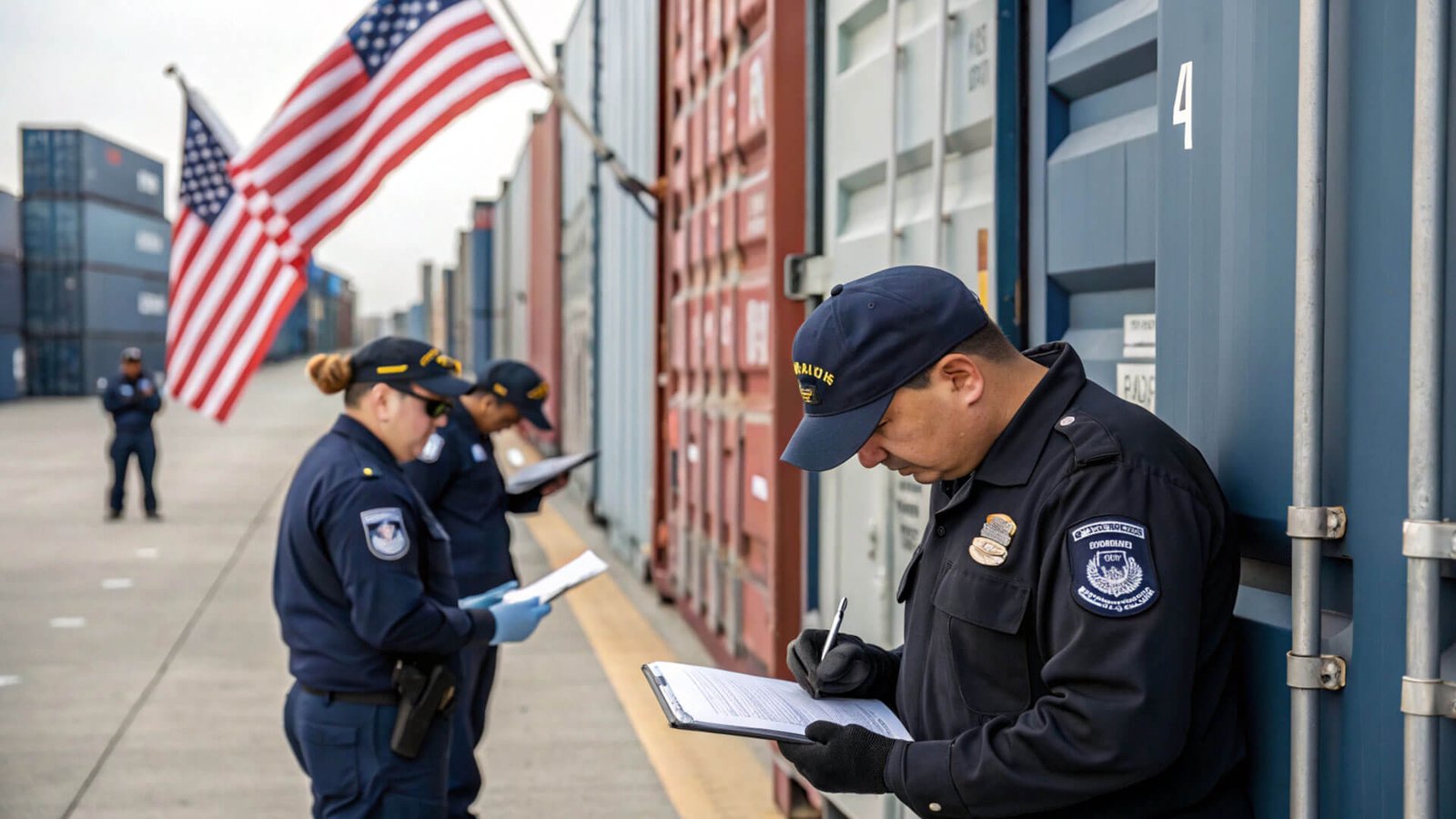
The Incoterm you choose with your supplier has a huge impact here. If you are buying goods under EXW (Ex Works)8 or FOB (Free on Board)9 terms, you, the importer, are responsible for the main freight journey and customs clearance. In this scenario, any decision to defer payment for freight or duties is your decision. Therefore, you are the one who has to pay any resulting deferment fee2s. Most importers, like my client Mark, use these terms and are therefore on the hook. This is the most common situation.
However, if you arrange a shipment under DDP (Delivered Duty Paid)10 terms, the seller is responsible for all costs until the goods are delivered to your door, including transport and customs duties. In a true DDP shipment, the seller's freight forwarder11 handles all payments. This means there should be no deferment fee2s for you to worry about, as all costs are bundled into the DDP price. But be careful. Some suppliers might offer "DDP" but then use a payment structure that still results in deferment fee2s passed on to you. Always clarify this upfront.
How Deferment Fees Affect Importer Cash Flow, Credit Risk, and Total Landed Cost?
A small fee might not seem like a big deal. But when you're importing regularly, these small fees can quietly eat away at your business's financial health.
While deferment can ease short-term cash flow6, associated fees increase total landed cost12t](https://www.freightos.com/glossary/what-is-a-deferment-fee/)%%%FOOTNOTE_REF_1%%%. They can also quietly erode margins if not planned into your product pricing.

The main appeal of deferment is cash flow6. Not having to pay thousands of dollars in duties or freight charges immediately can be a big help, especially for smaller businesses. It frees up capital for other needs. However, this is a trade-off. That short-term flexibility comes at a cost—the deferment fee2. This fee directly increases your total landed cost12t](https://www.freightos.com/glossary/what-is-a-deferment-fee/)%%%FOOTNOTE_REF_1%%%, which is the full cost of getting a product from the factory to your warehouse. If you haven't accounted for this fee in your pricing, it comes straight out of your profit margin.
I've seen it happen time and again. An importer calculates their margin based on the product cost, shipping quote, and estimated duties. They get a surprise deferment fee2 on the final bill. Suddenly, a product they thought was 40% margin is now 37%. It doesn't sound like much, but multiply that across thousands of units and it becomes a significant financial hit. It's a hidden cost that makes your financial forecasting less accurate and your business less predictable.
Common Deferment Fee Scenarios in China → USA Shipping and How They Can Be Avoided?
Shipping from China to the USA has its own specific challenges. Deferment fees often pop up in a few common situations, but the good news is they are all manageable with some planning.
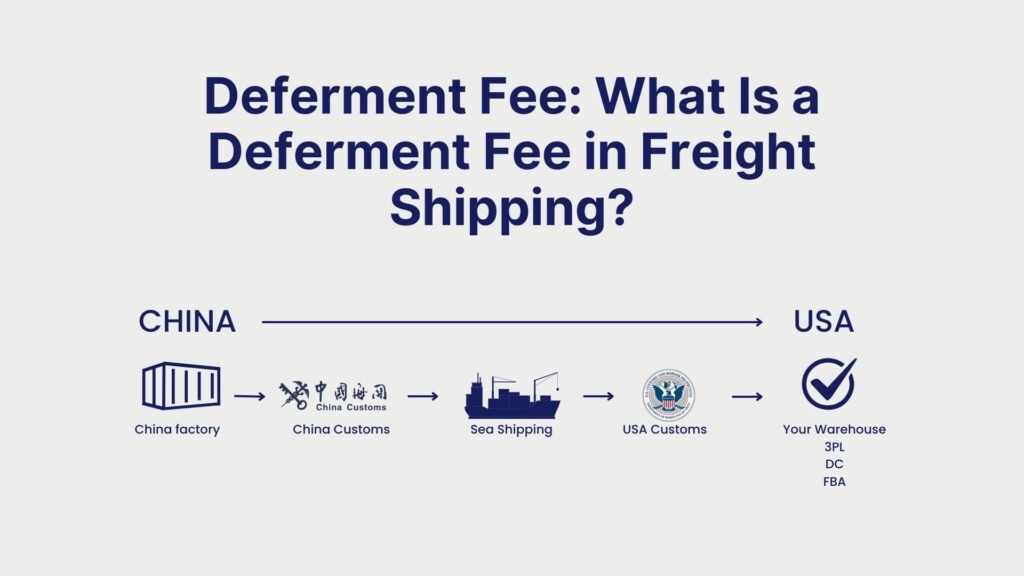
Most deferment fee2s in China → USA shipping13 stem from duty deferment account5s or carrier credit terms4. Misaligned billing setups can also cause them, but they can be avoided with upfront payment planning.

The key to avoiding these fees is to spot the potential triggers before you ship. I always walk my clients through a simple checklist to see if a shipment is at risk.
"Will This Shipment Trigger a Deferment Fee?" Checklist:
- Are duties or freight not being paid upfront?
- Are you using carrier or broker credit terms?
- Is the payment timing7 unclear or delayed?
- Is the shipment non-DDP with multiple payers?
- Have deferment fee2s been explicitly disclosed?
If you answer "yes" to any of these, you need to investigate further. The best avoidance strategy I've seen in practice is simply structuring the shipment correctly from the start. Let's look at a success story.
Case Study 3: The Avoided Fee A client shipping goods from China to their USA warehouse used our DDP service. Under this arrangement, all freight charges and customs duties were calculated and paid upfront as part of a single, all-inclusive price. There was no deferred billing. There was no separate duty payment to worry about. The result? They had clear cost visibility before the shipment even left China. There were zero deferment fee2s, and their cash flow6 was stable and predictable.
How Importers Use Proper Payment Setup, Customs Brokerage, and DDP Planning to Minimize Deferment Fees?
You don't have to be a victim of surprise fees. With the right strategy and the right partners, you can completely eliminate deferment fee2s from your import process.
Importers who align payment terms with customs brokerage14 and DDP planning15 eliminate unexpected deferment fee2s. This helps them keep their cash flow6 predictable and their costs under control.

The solution is all about proactive planning16. First, work with a customs broker who is transparent about all costs. A good broker will help you set up a payment method for duties, like a direct ACH debit17 from your account to Customs and Border Protection (CBP). This avoids the need for the broker to front the money, which eliminates the trigger for a duty deferment fee2. Second, clarify all payment terms with your freight carrier. If you prepay the freight or pay immediately upon invoicing, there is no reason for a deferment fee2.
For ultimate peace of mind, consider using a DDP (Delivered Duty Paid)10 shipping service. As your DDP provider, my team and I handle everything. We structure the entire process so that all costs are calculated and paid upfront. You get one clear invoice with no surprises. This approach turns deferment fee2s from a risk into a non-issue. It's about shifting from a reactive mindset, where you're just dealing with bills as they come, to a proactive one where you control the costs from the very beginning.
Conclusion
Deferment fees are not unavoidable shipping costs; they are signs of a planning gap. By structuring your payments correctly and working with a transparent partner18, you can protect your margins.
Knowing how deferment fees influence landed cost is crucial for accurate budgeting and maintaining profitability in international trade. ↩
Understanding deferment fees can help you manage shipping costs and avoid unexpected charges that impact your profit margins. ↩
Exploring the reasons behind these costs can help you understand the full scope of deferment fees and plan accordingly. ↩
Learning about carrier credit terms can prevent unexpected deferment fees and help you manage your shipping expenses effectively. ↩
Understanding duty deferment accounts can help you avoid surprise fees and manage your import costs more efficiently. ↩
Understanding the impact on cash flow can help you make informed decisions about payment terms and shipping arrangements. ↩
Exploring payment timing can help you structure your shipping arrangements to minimize deferment fees. ↩
Knowing EXW terms can clarify your responsibilities in shipping, including potential deferment fees. ↩
Understanding FOB terms can help you identify who is responsible for deferment fees in your shipping arrangements. ↩
Exploring DDP terms can show you how to avoid deferment fees and simplify your shipping process. ↩
Collaborating with a freight forwarder can provide strategic planning to eliminate deferment fees. ↩
Knowing how deferment fees affect total landed cost can help you budget accurately and protect your profit margins. ↩
Understanding these scenarios can help you plan your shipments better and avoid unexpected fees. ↩
Working with a customs broker can provide transparency and help you avoid unexpected deferment fees. ↩
DDP planning can streamline your shipping process and prevent deferment fees, ensuring predictable costs. ↩
Proactive planning allows you to control costs from the start, avoiding deferment fees and protecting your margins. ↩
Using ACH debit for duty payments can eliminate deferment fees and simplify your import process. ↩
A transparent partner can help you understand all costs upfront, preventing unexpected deferment fees. ↩