The logistics landscape is complex. Importers need practical tools to reduce costs and improve execution1. This guide highlights the best logistics books that deliver real value to U.S. importers.
The best logistics books can transform your operations, helping you cut costs and boost efficiency while navigating the challenges of global trade.

The right resources can make a big difference. Many importers struggle to find reliable logistics partners, and that’s where knowledge becomes power. Books can provide insights that lead to better decisions, cost savings, and smoother operations.
Which Logistics and Supply Chain Books Actually Help Importers Reduce Costs and Improve Execution?
The logistics field is full of books, but not all are created equal. I’ve found some that genuinely help importers like yourself reduce costs and enhance execution.
For any importer, understanding how to eliminate bottlenecks2 is crucial. "The Goal" is a must-read because it teaches how bottlenecks drive costs and delays—directly applicable to ports, warehouses, and last-mile constraints.

Another solid choice is "Lean Supply Chain and Logistics Management3." It highlights where waste hides in transport, storage, and handoffs that inflate landed costs. Grasping these concepts is vital for cost control.
Understanding these principles helps you implement cost-saving measures effectively. By focusing on execution and identifying waste, you can directly impact your logistics costs.
Best Supply Chain Books for Understanding Freight, Transportation, and Global Trade Operations?
Freight and transportation are the backbone of global trade. To navigate this complex environment, certain books stand out.
"Global Logistics and Distribution Planning4" clarifies how decisions about ocean, air, and inland transport impact cost, lead time, and service. This book is excellent for importers looking to optimize their logistics strategy.

Additionally, "Logistics & Supply Chain Management5" provides a strong foundation for understanding how freight fits into end-to-end supply chains. It’s a great resource for those entering the logistics field.
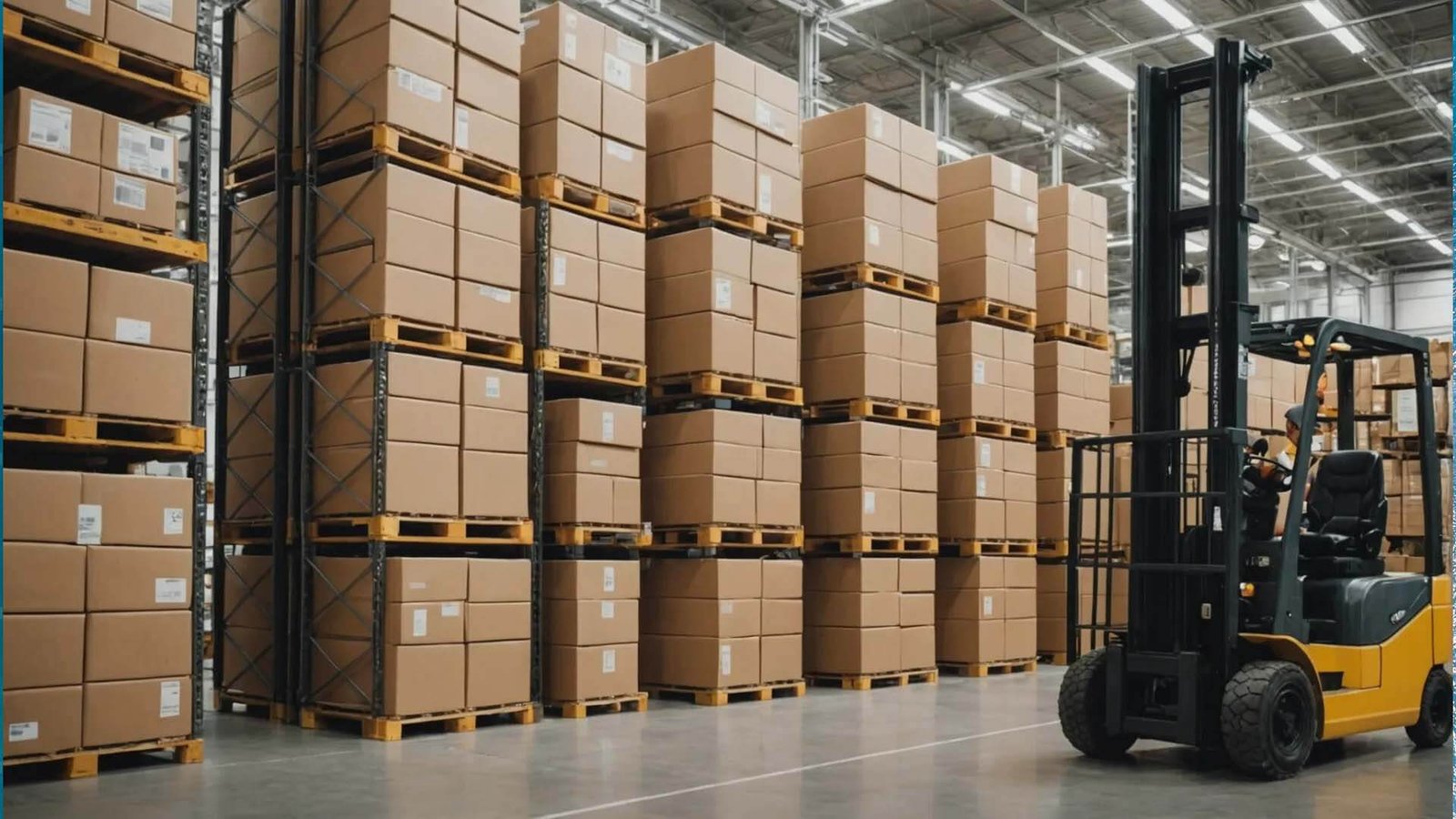
These books equip you with the knowledge needed to make informed decisions about shipping and logistics, ultimately leading to better performance in global trade operations.
Which Books Teach Importers How to Manage Risk, Disruptions, and Uncertainty in Global Supply Chains?
In today's dynamic market, managing risk and disruptions is critical for importers. The right books can guide you through these challenges.
"The Resilient Enterprise6" explains why disruptions are inevitable and how importers should design buffers, redundancy, and response plans. This book prepares you for the unexpected.
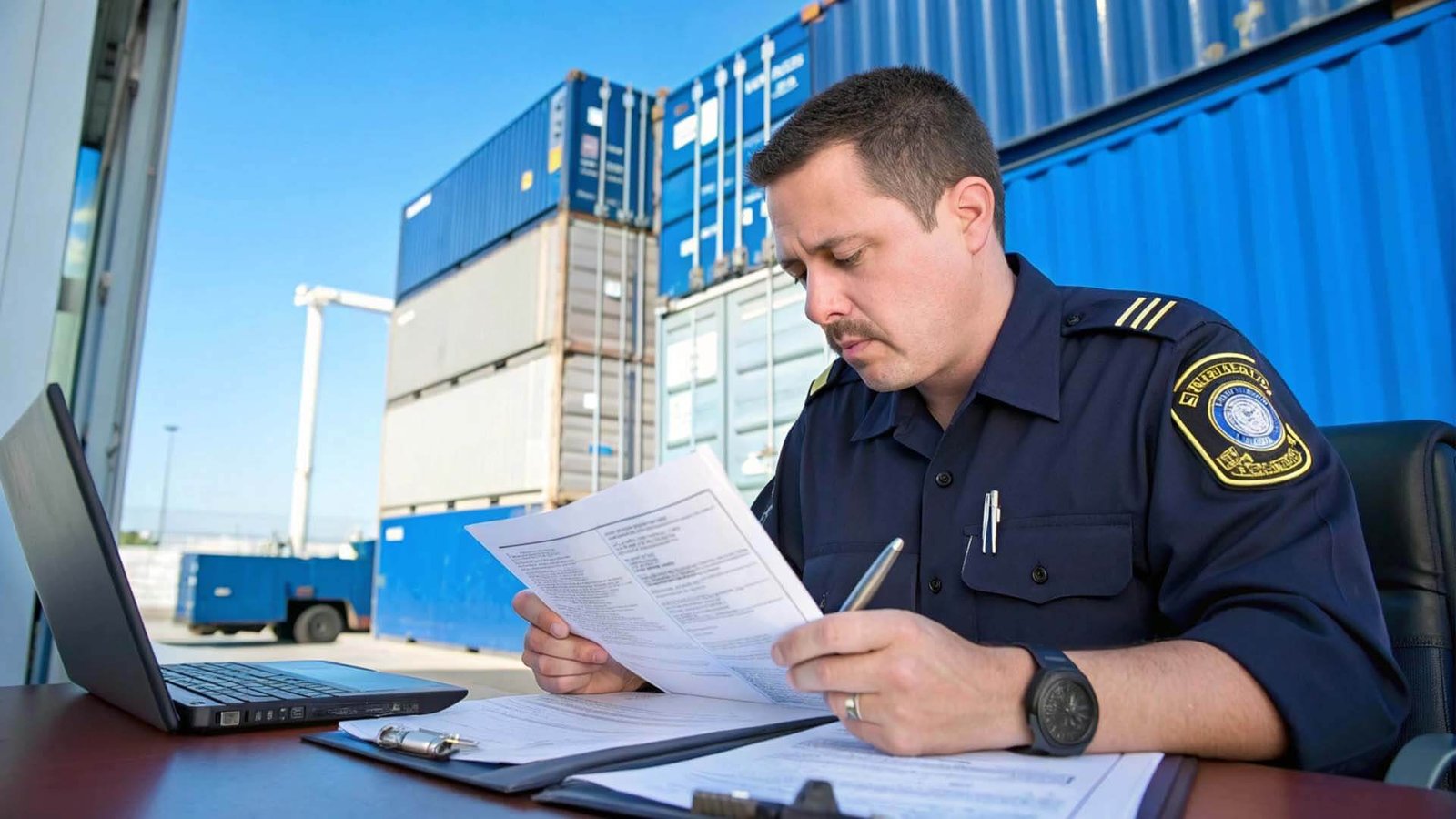
Another important read is "Supply Chain Risk Management7." This book offers practical frameworks for identifying and prioritizing import risk across suppliers, lanes, and compliance. Understanding these risks is essential for effective supply chain management.
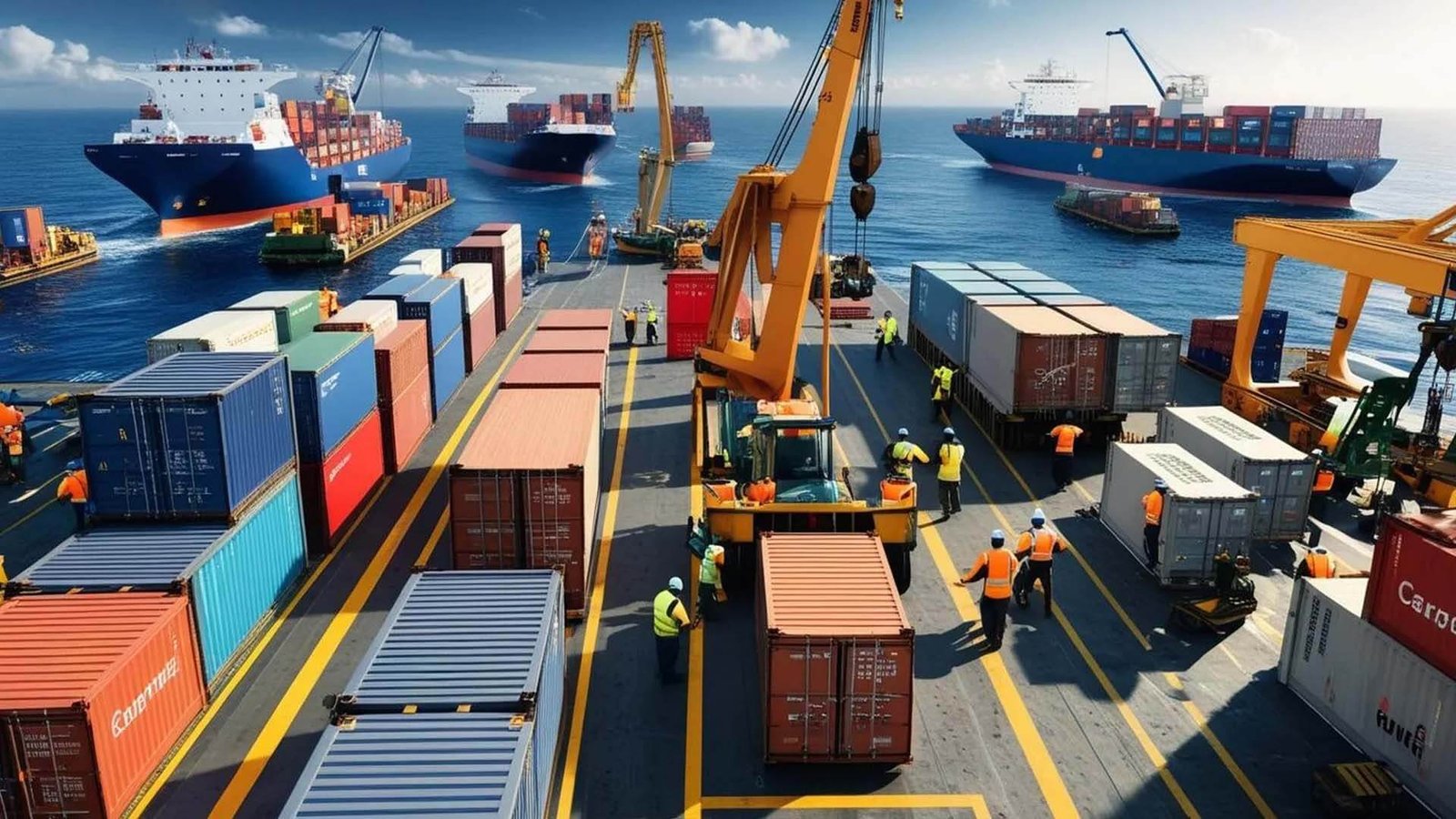
By applying the insights from these books, you can create a more resilient supply chain that mitigates risks and adapts to disruptions.
Best Logistics Books for Inventory Planning, Demand Forecasting, and Cash Flow Control?
Inventory management is crucial for importers looking to maintain service levels while controlling costs. The following books provide valuable insights.
"Inventory Management Explained8" breaks down the inventory math importers need to balance stockouts vs. over-ordering tied to long transit times. Mastering these concepts is vital for effective inventory control.

"Demand Driven Material Requirements Planning (DDMRP)9" is also worth reading. It is particularly useful for importers dealing with volatile demand and long international lead times. This book emphasizes the importance of flexibility in planning.

These resources will help you refine your inventory strategies, ensuring you manage cash flow and service levels effectively.
Which Supply Chain Books Are Most Useful for Leaders Making Strategic Import and Network Decisions?
For leaders in logistics, strategic decision-making is key. The following books offer insights that can help shape your approach.
"Supply Chain Management Strategy10" assists leadership in aligning sourcing, transportation, and distribution strategy with business goals. This book is essential for leaders seeking to integrate logistics with their overall strategy.

"The New (Ab)Normal11" explains why global trade volatility is permanent and how leaders must adapt import strategies accordingly. This perspective is crucial in today’s fast-paced logistics environment.

These books prepare leaders to make informed strategic decisions that will guide their organizations through complex logistics challenges.
How Importers Should Choose Logistics Books Based on Their Role, Experience Level, and Business Goals?
Selecting the right logistics book can be daunting. It’s important to choose based on your role, experience level, and specific business goals.
The best logistics book depends on an importer’s role and objectives. Operators benefit from execution and cost-control frameworks, while leaders need strategy and risk perspectives. Choosing books aligned to daily decisions—not theory—helps importers translate learning into measurable improvements across freight, inventory, and service performance.
📊 Which Logistics Book to Read Based on Your Importer Role
| Role | Recommended Books | Reason |
|---|---|---|
| Founder / Business Owner | The Goal, The New (Ab)Normal11 | Learn constraint management12 and long-term resilience thinking13. |
| Supply Chain / Logistics Manager | Logistics & Supply Chain Management5, Global Logistics and Distribution Planning4 | Build strong end-to-end freight and operations understanding. |
| Procurement or Sourcing Lead | Supply Chain Risk Management7, The Resilient Enterprise6 | Reduce supplier, lane, and disruption exposure. |
| Inventory / Planning Manager | Inventory Management Explained8, DDMRP | Control cash flow and service levels under long lead times. |
| Executive / Strategy Leader | Supply Chain Management Strategy10, The New (Ab)Normal11 | Align import strategy with growth, risk, and cost objectives. |
Conclusion
Understanding and applying the insights from these logistics books can significantly enhance your operations and strategic decision-making. Choose wisely to meet your specific needs.
Exploring this link will provide insights into how specific logistics books can enhance operational efficiency and cost-effectiveness for importers. ↩
Understanding how to eliminate bottlenecks is crucial for improving efficiency and reducing delays in logistics operations. ↩
This book offers valuable insights into identifying and eliminating waste in logistics, which is essential for cost control. ↩
This book provides strategies for optimizing transport decisions, crucial for reducing costs and improving service in global trade. ↩
This book is essential for understanding the integration of freight into supply chains, beneficial for newcomers to logistics. ↩
This book offers strategies for designing resilient supply chains, crucial for managing unexpected disruptions. ↩
This book provides practical frameworks for identifying and managing risks, essential for effective supply chain management. ↩
This book breaks down essential inventory management strategies, helping importers balance stock levels and control costs. ↩
This book emphasizes flexibility in planning, crucial for importers dealing with unpredictable demand and long transit times. ↩
This book is vital for leaders looking to integrate logistics strategies with overall business objectives. ↩
This book provides insights into adapting import strategies to permanent global trade volatility, essential for strategic planning. ↩
Understanding constraint management is key to improving efficiency and reducing costs in logistics operations. ↩
Adopting long-term resilience thinking helps prepare logistics operations for future challenges and disruptions. ↩