Shipping goods from China to the U.S. can be complex. Many importers face challenges in choosing the right shipping method that balances speed and cost. Understanding your options can save time and money.
Shipping from China to the U.S. is typically done via express courier1, air freight2, ocean LCL, or ocean FCL3. Each option trades speed for cost differently. Express and air are fastest but expensive, while ocean freight is slower but far cheaper for larger volumes, making mode selection a strategic cost decision.
Choosing the right shipping method can be overwhelming. Many factors come into play, and the wrong choice can lead to unnecessary costs and delays. Let’s explore the main shipping methods and their respective pros and cons.
What Are the Main Shipping Methods From China to the U.S. and How Do Speed and Cost Really Compare?
The shipping methods from China to the U.S. vary widely in terms of speed and cost. Express couriers like FedEx and DHL offer the quickest deliveries but at a premium price. Air freight, while faster than ocean freight, is also costly and better suited for mid-sized shipments. Ocean freight, either LCL (Less than Container Load) or FCL (Full Container Load), is significantly cheaper for bulk shipments but comes with longer transit time4s.
To illustrate this, I often refer to a simple comparison:
| Shipping Method | Transit Time | Cost Level | Best For | Key Risk |
|---|---|---|---|---|
| Express Courier | 3–7 days | Very high | Small, urgent shipments | High per-unit cost |
| Air Freight | 5–10 days | High | Time-sensitive mid-size cargo | Volume-based pricing surprises |
| Ocean LCL | 25–40 days | Medium | Smaller volumes | Consolidation delays |
| Ocean FCL | 25–40 days | Lowest per unit | Large, heavy, or bulky cargo | Longer lead times |
When deciding, consider the urgency of your shipment, its size, and the overall costs involved.
When Air Freight, Express Courier, or Ocean Freight Is the Fastest and Cheapest Choice for Importers
Each shipping method serves different needs. Express courier services deliver the fastest but are best for small, urgent shipments. On the other hand, air freight2 provides speed for mid-sized cargo without breaking the bank. However, for large or bulky shipments that are not time-sensitive, ocean freight is the most economical option.
Knowing when to use each method is crucial. For example, if I have a critical shipment of medical supplies, I would opt for an express courier1. Conversely, if I am importing electronics in bulk, I would likely choose ocean freight.

Importers should weigh the factors of urgency, shipment size, and inventory impact when choosing the shipping method. It's not just about the fastest option but also the most cost-effective one given the circumstances.
What Factors Actually Determine Shipping Cost and Transit Time From China to the U.S.
Many factors affect shipping costs and transit time4s from China to the U.S. Cargo weight and volume play significant roles. Importers often think weight is the primary cost driver, but volume can have a more substantial impact, especially for air freight2.
Other factors include the chosen transport mode, ports of origin and destination, fuel surcharges, and seasonal demand. Customs processing times also significantly affect transit time4.
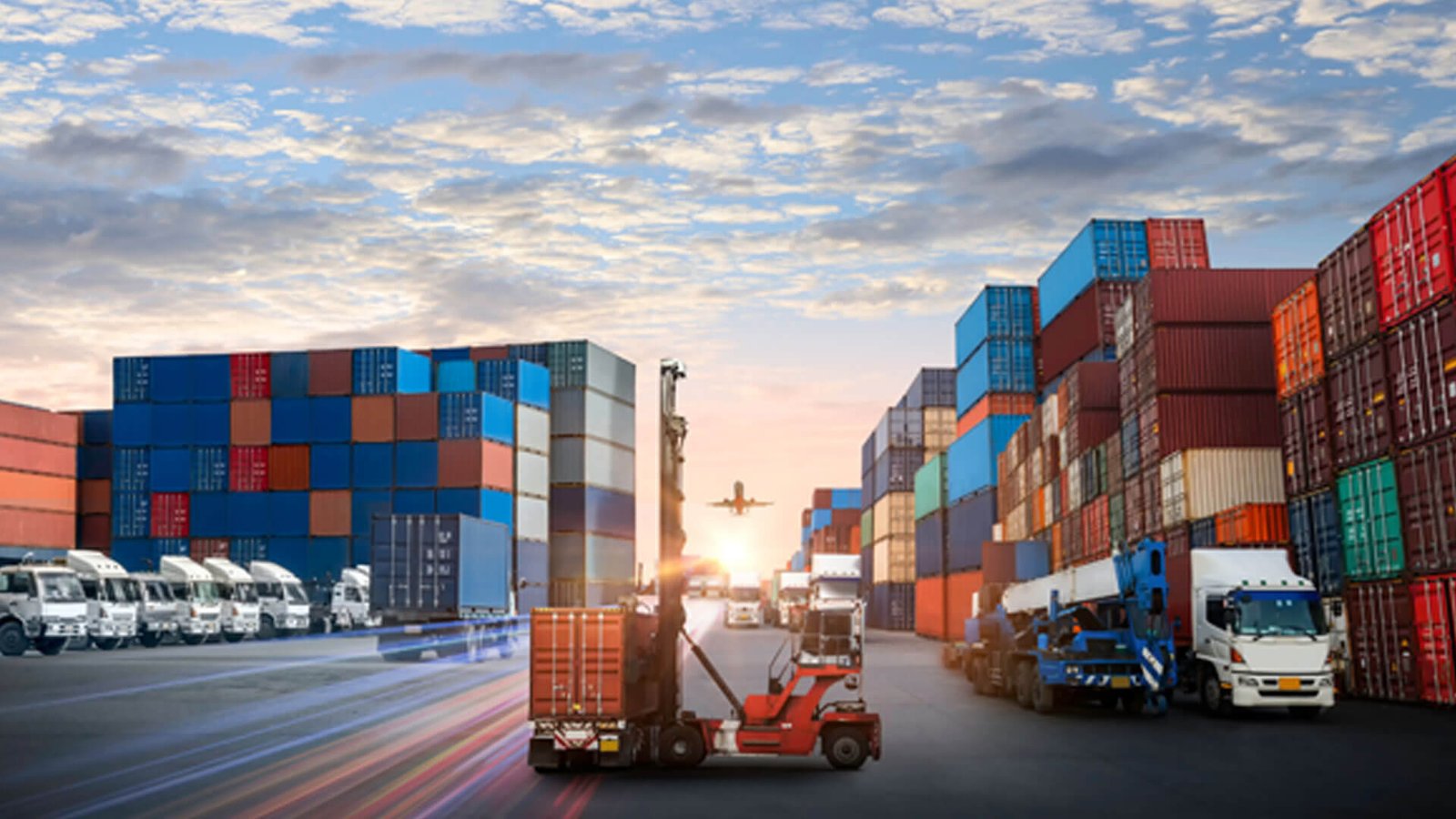
When calculating shipping fees, it’s essential to provide accurate data about your cargo. This will help avoid unexpected costs down the line.
| Factor | Impact on Cost | Impact on Time |
|---|---|---|
| Cargo Weight | Direct correlation | Minimal |
| Cargo Volume | Major influence | Significant |
| Transport Mode | Varies | Varies |
| Origin/Destination Ports | Varies | Varies |
| Customs Processing | Minor | Major |
Overall, understanding these elements makes it easier to predict costs and timelines accurately.
What Hidden Fees, Duties, and Delays Make “Cheap” China-to-U.S. Shipping Expensive in Reality
While the initial freight rates may seem low, hidden fees5 can quickly escalate costs. Duties, customs fees, port charges, and last-mile delivery costs can all add to the total landed cost6. For instance, a low freight rate might not include customs duties, which can significantly impact your budget.
Delays caused by missing documentation or customs inspections can lead to additional storage and demurrage fees. It’s crucial to factor these potential costs into your shipping strategy7.
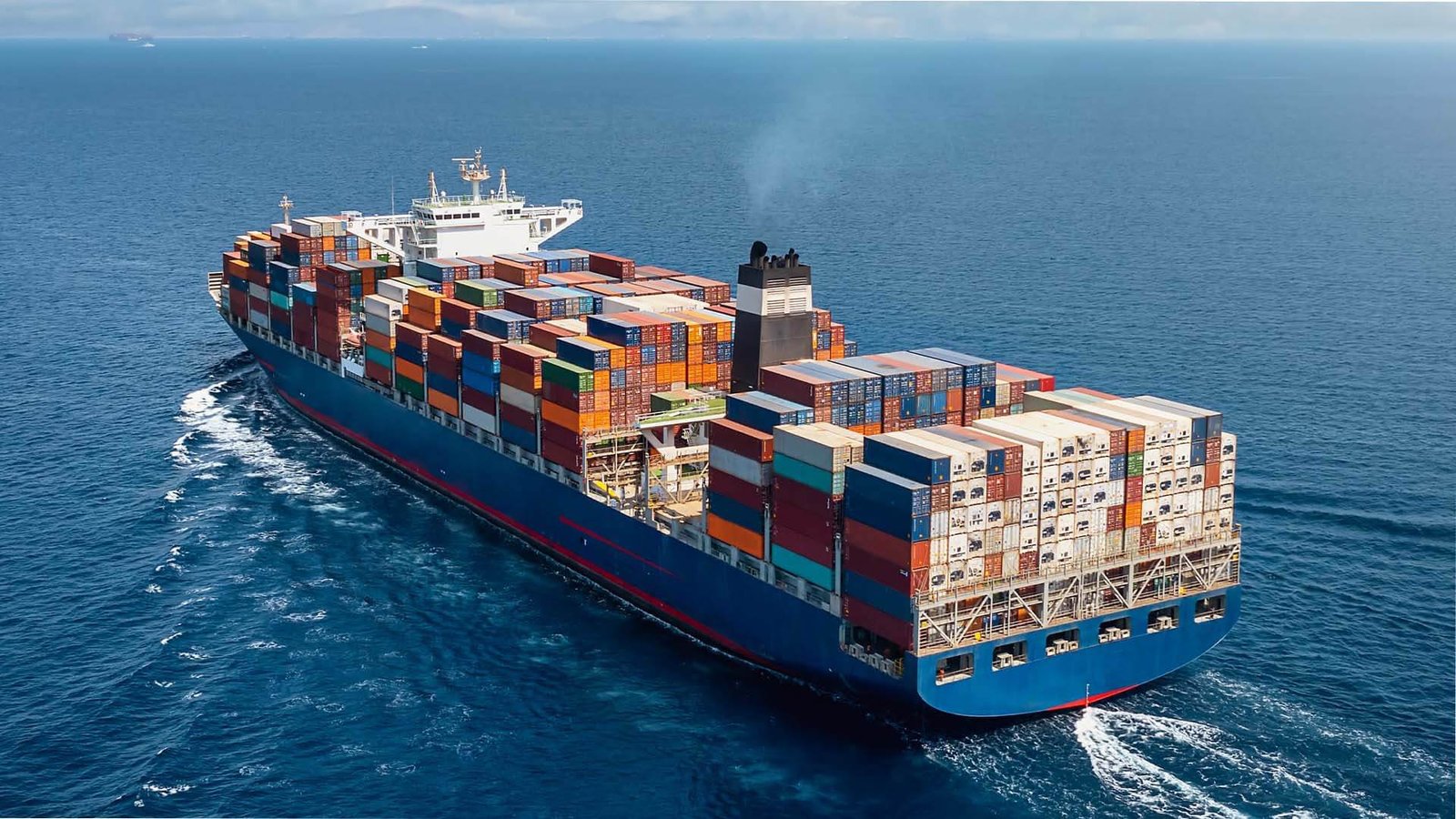
To avoid surprises, always calculate the total landed cost6 instead of focusing solely on the base freight rate. This will give you a clearer picture of what shipping option is genuinely cost-effective.
How Importers Can Balance Speed, Cost, and Reliability With the Right Shipping Strategy
To develop an effective shipping strategy7, importers must balance urgency, shipment size, and budget. This often means using a combination of shipping methods rather than relying on a single fastest or cheapest option.
For example, I recommend mixing air and ocean freight based on inventory needs and cash flow. This approach allows for flexibility and can help mitigate risks associated with relying on one method.

Ultimately, a well-planned shipping strategy7 will help maintain inventory flow and manage costs effectively.
Conclusion
Choosing the right shipping method from China to the U.S. requires careful consideration of speed, cost, and reliability to ensure successful imports.
Express courier services offer the fastest delivery times, ideal for urgent shipments, but come with higher costs. Learn more about their advantages. ↩
Air freight is a faster option than ocean freight and is suitable for mid-sized shipments. Discover how it balances speed and cost. ↩
Ocean FCL offers the lowest per-unit cost for large shipments, making it ideal for bulky cargo. Learn why it's a strategic choice. ↩
Understanding transit times helps in planning shipments effectively. Explore how different methods impact delivery schedules. ↩
Hidden fees can inflate shipping costs unexpectedly. Find out what charges to watch for to avoid surprises. ↩
Calculating the total landed cost provides a complete picture of shipping expenses. Learn how to account for all costs. ↩
A well-planned shipping strategy balances speed, cost, and reliability. Discover how to create one for successful imports. ↩