Customs brokerage can be confusing. Many importers wonder how much a customs broker really does beyond just submitting paperwork.
A customs broker does far more than submit entry forms. Brokers interpret regulations1, classify goods2, calculate duties3, validate documents4, and manage communication with customs authorities5. For importers, brokers act as compliance operators6 who reduce errors, delays, and penalties7 while keeping shipments moving through the clearance process.
Navigating customs regulations can be a headache. I know this firsthand. I have seen numerous importers struggle with the complexities of importing goods. Understanding what a customs broker does is crucial for anyone looking to simplify the process.
What a Customs Broker Does in the U.S. Import Process Beyond Filing Entry Paperwork?
Customs brokers play a vital role in the U.S. import process. They are not just paper pushers. Their expertise helps ensure that shipments clear customs efficiently. They handle various tasks throughout the import process. This includes interpreting regulations, classifying goods, and calculating duties. Each action they take is aimed at minimizing delays and avoiding penalties.
Customs brokers support imports across the full lifecycle: preparing data before arrival, filing entries and paying duties at entry, and managing corrections or audits after release. This end-to-end involvement helps importers avoid last-minute issues and ensures compliance continues beyond cargo delivery.
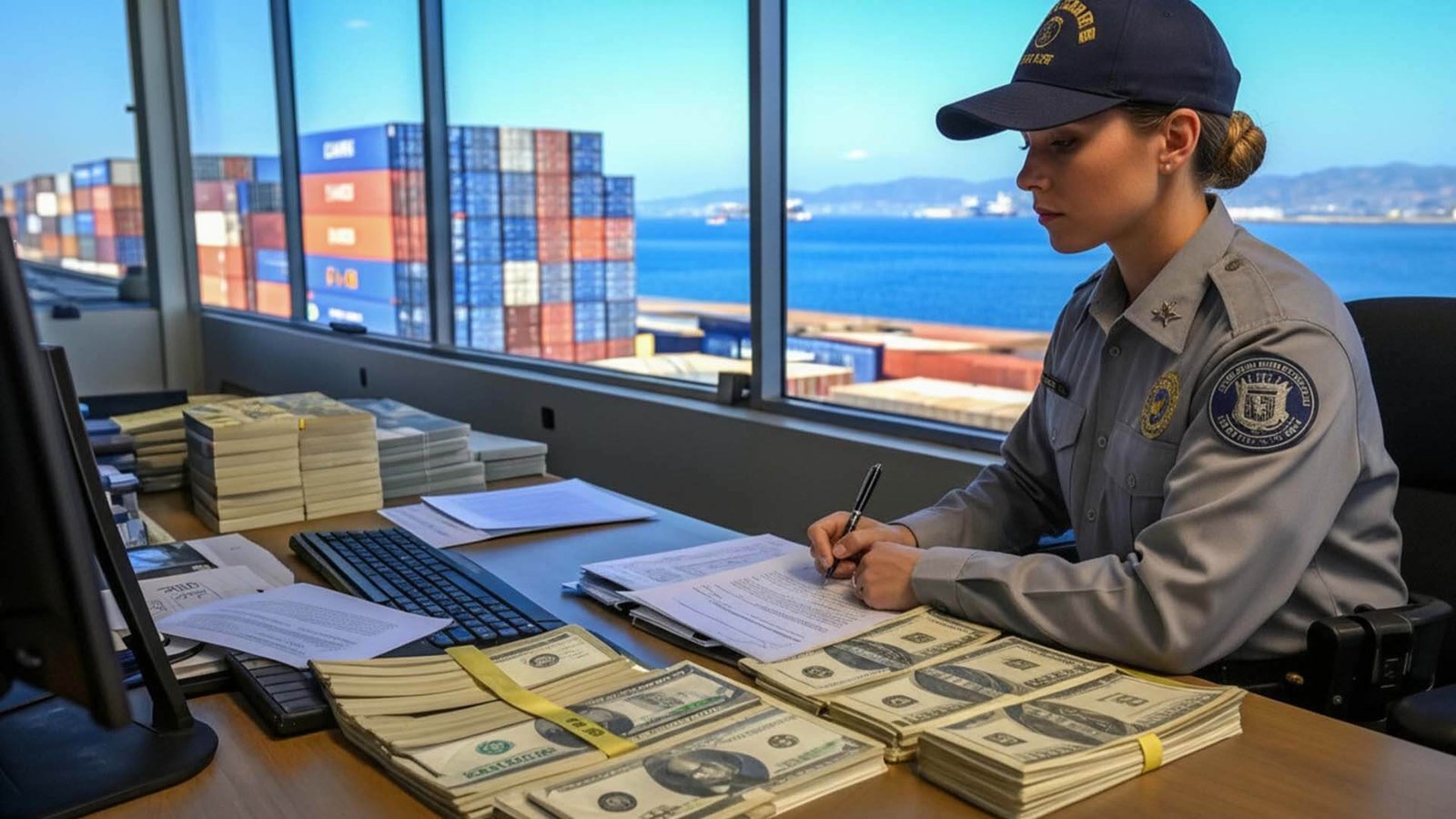
Customs brokers are your first line of defense against customs complexities. They ensure that every detail is in order before your goods even arrive. For example, they prepare and submit documents, manage communications, and ensure compliance with U.S. Customs and Border Protection (CBP). This proactive approach saves importers unnecessary headaches down the line.
How Customs Brokers Represent Importers to CBP and Manage Legal Compliance on Their Behalf?
When you hire a customs broker, they represent you before CBP. This relationship is built on a Power of Attorney8 that allows the broker to act on your behalf. They transmit data to CBP9, respond to inquiries, and interpret regulations1 correctly. They ensure that all aspects of your shipment comply with legal requirements.
Licensed customs brokers represent importers before U.S. Customs and Border Protection under a Power of Attorney8. They transmit data, respond to CBP inquiries10, and apply regulations correctly. While brokers act on the importer’s behalf, legal responsibility for accuracy and compliance11 always remains with the importer.
It’s important to understand that while brokers handle a lot of tasks, the ultimate responsibility for compliance lies with the importer. They must provide accurate data about the products being imported. Any errors can lead to significant penalties or delays in the import process. This is why choosing a reliable customs broker is crucial.
What Tasks Customs Brokers Handle Before Arrival, At Entry, and After Cargo Release?
Customs brokers are involved at different stages of the import process. Before the cargo arrives, they prepare documents and verify that all necessary information is correct. Once the cargo arrives, they file entry documents and pay duties12. After cargo release, they may handle corrections or audits. This full spectrum of services ensures that importers stay compliant and prepared for any challenges.
Brokers are responsible for accurate filing and procedural execution, but importers retain ultimate liability for values, classifications, and compliance decisions. Even when a broker files entries, penalties and audits apply to the importer of record, making internal data accuracy and oversight essential.
Importers also benefit from the broker’s knowledge about the customs clearance process. Brokers understand the nuances of customs regulations. They can anticipate potential issues, allowing importers to focus more on their business rather than getting bogged down by compliance details. This proactive approach can make a significant difference in the timeliness of shipments.
Where a Customs Broker’s Responsibility Ends and the Importer’s Liability Begins?
Understanding the limits of a customs broker's responsibility is essential for every importer. Brokers manage the paperwork and ensure compliance, but they are not liable for the accuracy of the data provided. Importers must ensure that all information is correct. If there is an error in the data, the importer bears the consequences.
Brokers are responsible for accurate filing and procedural execution, but importers retain ultimate liability for values, classifications, and compliance decisions. Even when a broker files entries, penalties and audits apply to the importer of record, making internal data accuracy and oversight essential.
This distinction is critical. Many importers may think that hiring a broker absolves them of responsibility, but that is not the case. Importers must remain engaged and knowledgeable about their goods and the regulations surrounding them. This ensures that they minimize risks associated with non-compliance.
When Using a Customs Broker Saves Importers Time, Money, and Compliance Risk?
The benefits of using a customs broker are substantial. They not only ensure compliance but also save you time and money. Brokers can help minimize delays and avoid storage fees that arise from customs holds. By preventing errors in filing, brokers can help you avoid costly penalties that can arise from non-compliance.
Customs brokers deliver the most value when shipments are complex, regulated, or high-volume. By preventing errors, reducing holds, and accelerating clearance, brokers often save importers more in avoided delays, storage fees, and penalties than their service costs.
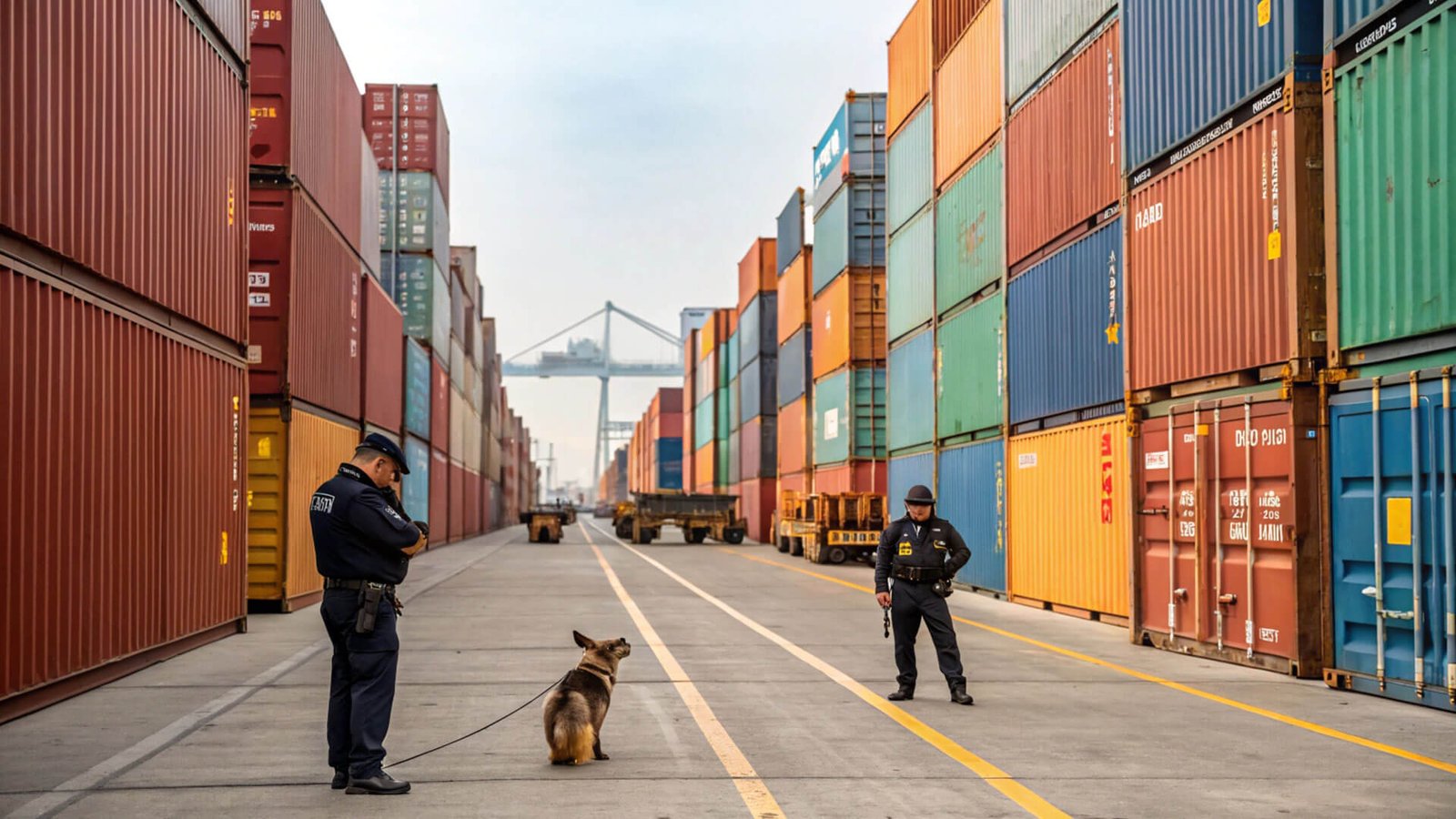
For example, I remember assisting an importer whose shipment faced a significant delay due to paperwork errors. After hiring a customs broker, they experienced smoother clearance processes and saw a marked reduction in delays. This not only saved them money but also helped maintain their relationships with suppliers and customers.
How Customs Brokers Coordinate With Freight Forwarders, Carriers, and Warehouses End to End?
Customs brokers do not work in isolation. They are at the center of a network that includes freight forwarders, carriers, and warehouses. Their coordination helps ensure that all logistics run smoothly. This interaction is vital for ensuring that clearance timing is in sync with delivery schedules.
Customs brokers operate at the center of the import ecosystem, coordinating with freight forwarders, carriers, and warehouses. This coordination ensures clearance timing aligns with drayage, storage, and final delivery, preventing costly disconnects between customs release and physical cargo movement.
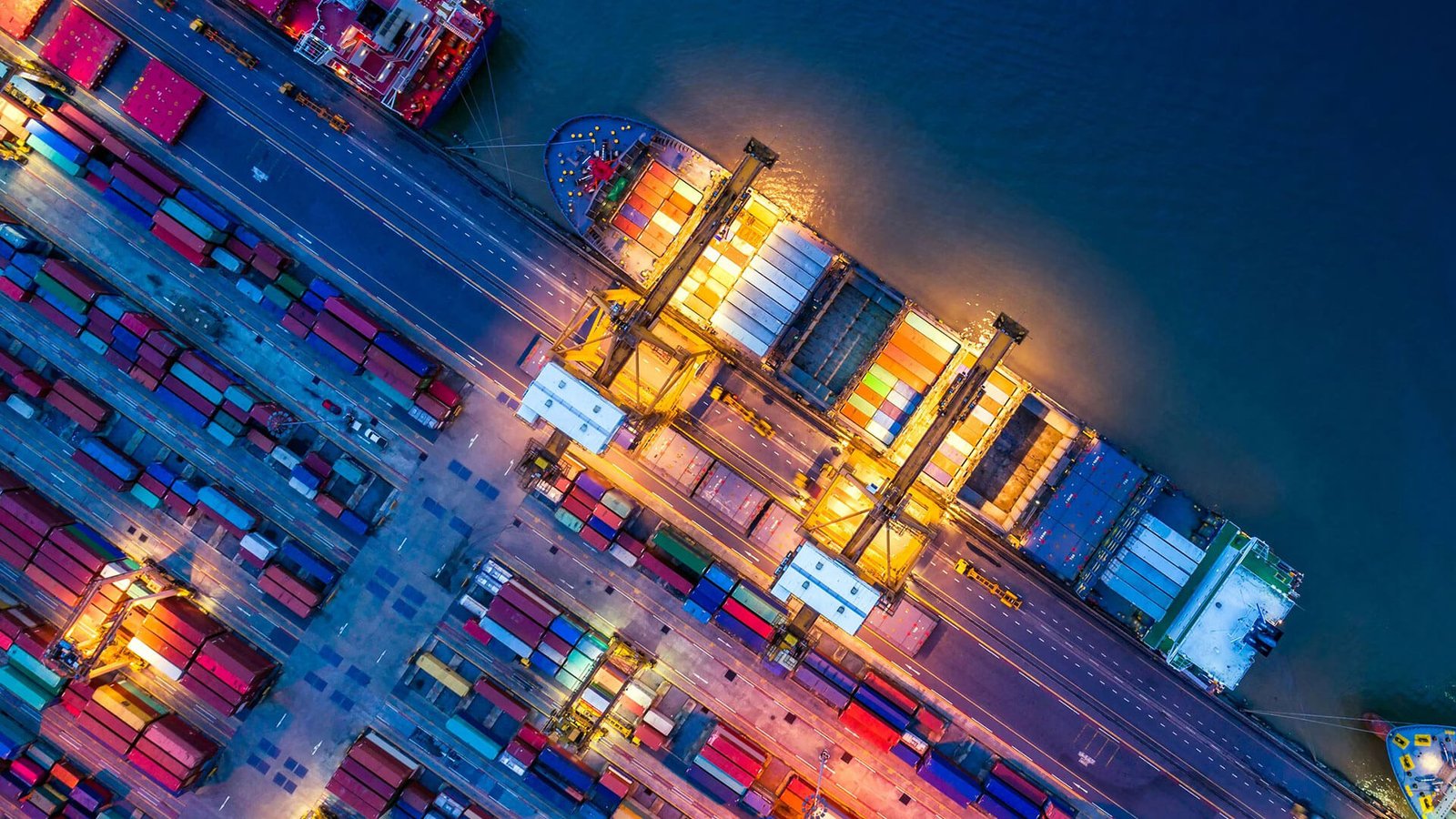
Without effective coordination, shipments can be delayed or misplaced. This is why choosing a customs broker with strong relationships within the logistics network is crucial. Their connections can facilitate faster resolutions to any challenges that may arise during the import process, ensuring a seamless flow of goods.
Conclusion
Understanding what a customs broker does is essential for importers looking to streamline the import process and manage compliance effectively.
Understanding how brokers interpret regulations can help importers ensure compliance and avoid costly mistakes. ↩
Learn why accurate classification of goods is crucial for determining duties and ensuring smooth customs clearance. ↩
Discover how brokers calculate duties to help importers budget accurately and avoid unexpected costs. ↩
Explore how document validation by brokers prevents errors and ensures compliance with customs requirements. ↩
Find out how effective communication with customs authorities can expedite the clearance process. ↩
Learn how compliance operators help reduce errors and penalties in the import process. ↩
Understand the strategies brokers use to minimize risks and ensure timely clearance of shipments. ↩
Discover the significance of granting a Power of Attorney to a customs broker for legal representation. ↩
Learn about the data transmission process to CBP and its importance in customs clearance. ↩
Find out how brokers handle inquiries from CBP to ensure compliance and avoid delays. ↩
Understand the importer's legal obligations and how brokers assist in maintaining compliance. ↩
Learn about the entry filing and duty payment process that brokers handle for importers. ↩