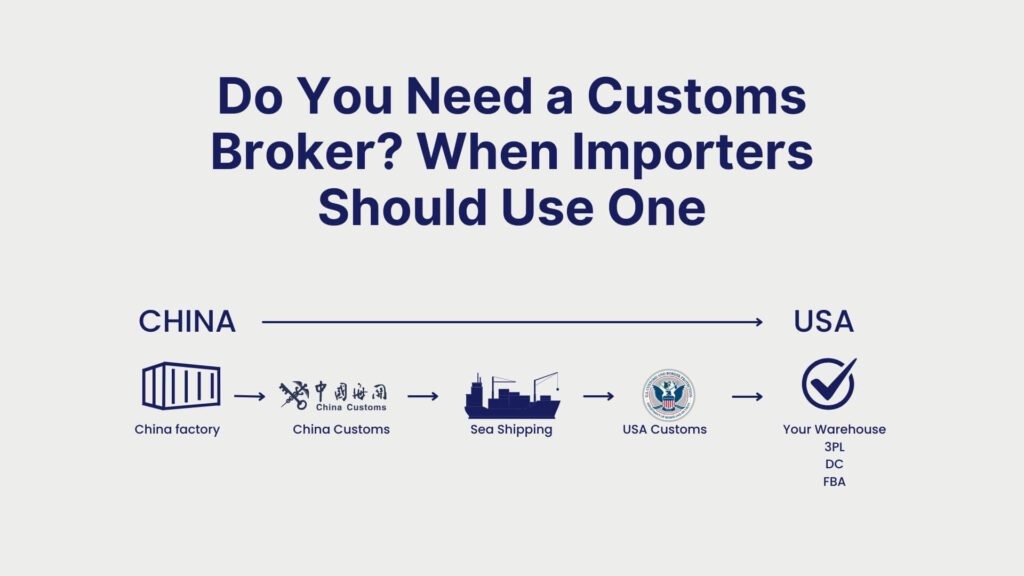
U.S. importers often face tough decisions about whether to hire a customs broker1 or go it alone. The stakes are high, and understanding your options is essential.
U.S. importers are not legally required to use a customs broker1 and may self-file entries2 with U.S. Customs and Border Protection. However, self-filing transfers all compliance, accuracy, and timing risk to the importer. Many businesses use brokers to reduce errors, delays, and penalties3—especially for commercial or complex shipments.
Navigating the world of customs can feel overwhelming. Should you hire a broker? Or can you handle it yourself? Let’s break it down step by step.
Are Customs Brokers Required for U.S. Imports or Can Importers File Entries Themselves?
Many importers wonder if hiring a customs broker1 is mandatory. It's a valid question. Under U.S. law, importers can file their own entries. However, this does not mean it’s the best choice. Self-filing requires deep knowledge of customs regulations and can be risky. I’ve seen businesses struggle with compliance, leading to costly penalties. That's why many importers opt for a broker to simplify the process and reduce their risk.
The reality is that while you can self-file, doing so places the burden of compliance and accuracy squarely on your shoulders, increasing the chances of mistakes.
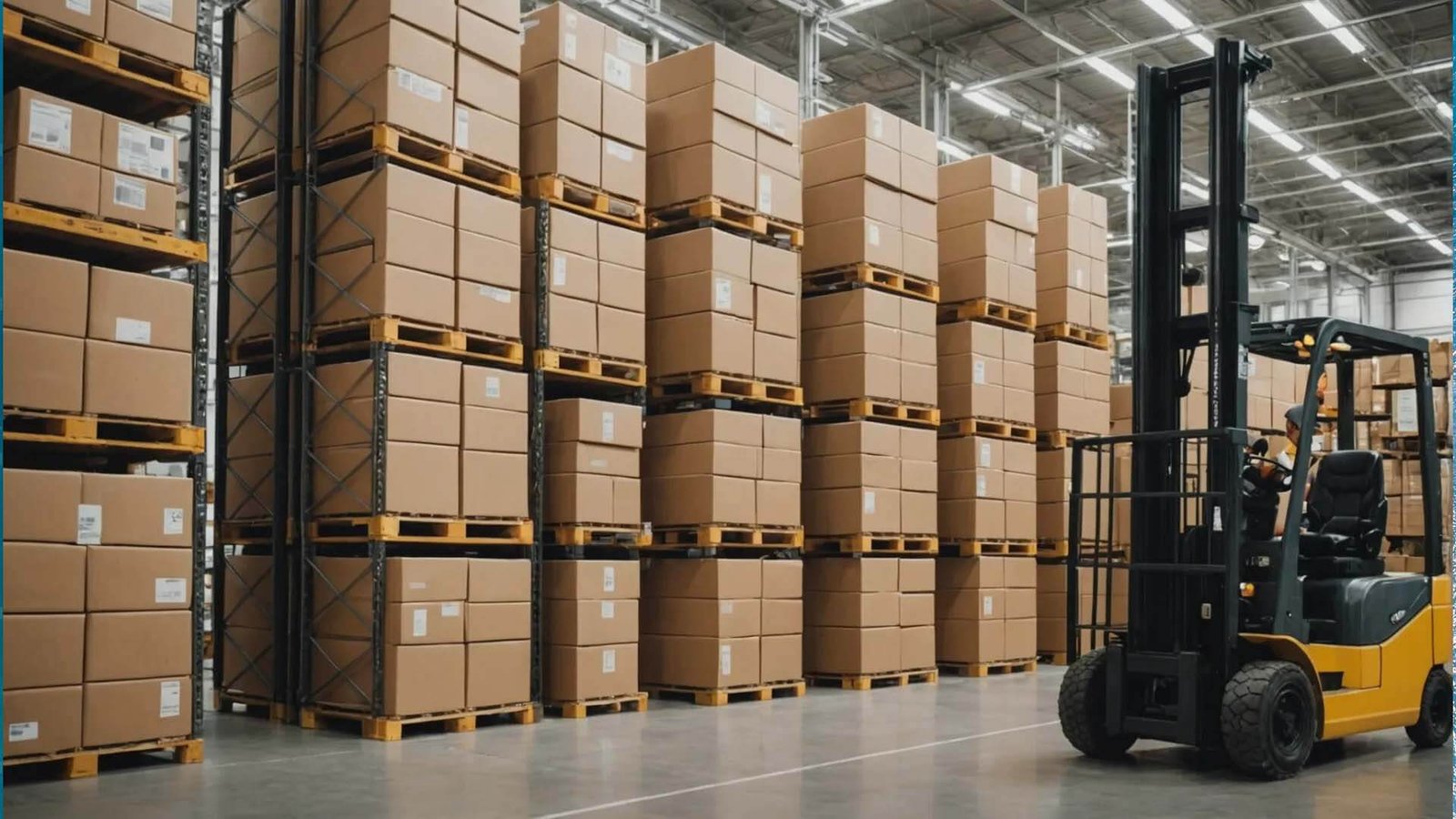
Self-filing may seem appealing, especially if saving costs is a priority. However, it’s important to recognize the potential pitfalls. If you’re not well-versed in customs regulations, the risks could outweigh the savings. Customs brokers bring expertise that can prevent costly errors that disrupt your supply chain.
What Customs Brokers Actually Do That Most Importers Underestimate.
I’ve learned that customs broker1s do much more than just paperwork. They play a crucial role in the import process. Their responsibilities include classifying goods4, calculating duties5, and managing communications with U.S. Customs and Border Protection6 (CBP). Many importers underestimate the value of a broker’s expertise.
Customs brokers do more than submit paperwork. They classify goods, calculate duties, validate documents, communicate with CBP, and manage exceptions such as holds or exams. For importers, brokers function as compliance operators and risk buffers, helping prevent costly mistakes that disrupt clearance and downstream delivery.

Understanding the full scope of what brokers offer is critical. They help ensure that you meet all regulatory requirements, which can be a complex and time-consuming task. When I first started working with a customs broker1, I was amazed at how much smoother my shipments became. The expertise they brought to the table helped avoid delays and unnecessary expenses.
When Using a Customs Broker Significantly Reduces Compliance and Financial Risk.
Using a customs broker1 can greatly mitigate risks associated with importing, especially for complex shipments. Brokers are particularly valuable when you're dealing with regulated products7 that have specific compliance requirements.
A customs broker1 provides the most value when shipments involve regulated products7, high value, unfamiliar suppliers, or tight delivery timelines8. In these cases, brokers reduce the likelihood of holds, penalties, storage charges, and audits—often saving importers more than the broker’s fee by avoiding downstream costs.
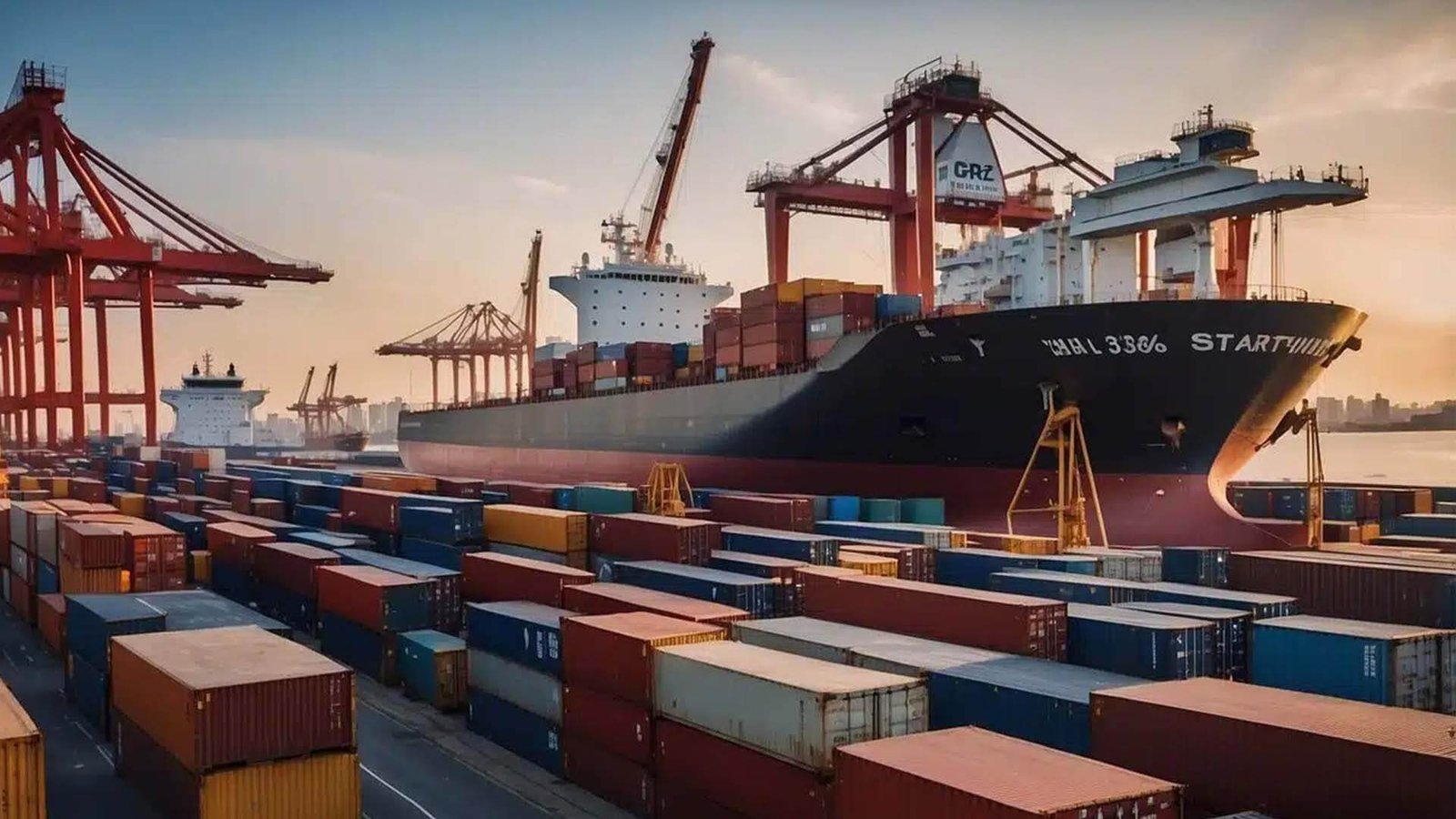
For example, I once worked on a project involving pharmaceuticals. The regulations were stringent, and any misstep could have led to severe penalties. Luckily, our customs broker1 navigated the complexities, ensuring compliance and saving us from potential financial losses. This experience reinforced my belief that the right broker is invaluable.
Which Types of Imports Almost Always Require a Customs Broker to Avoid Problems.
Certain imports almost always necessitate the involvement of a customs broker1. These typically include items that are heavily regulated, such as food, pharmaceuticals, and chemicals. The documentation and compliance requirements for these types of goods are intricate.
Imports involving food, pharmaceuticals, chemicals9, machinery, or government-regulated goods almost always benefit from a customs broker1. These shipments carry higher documentation, classification, and agency requirements, where small errors can cause delays or seizures. Brokers help navigate these complexities and coordinate approvals efficiently.
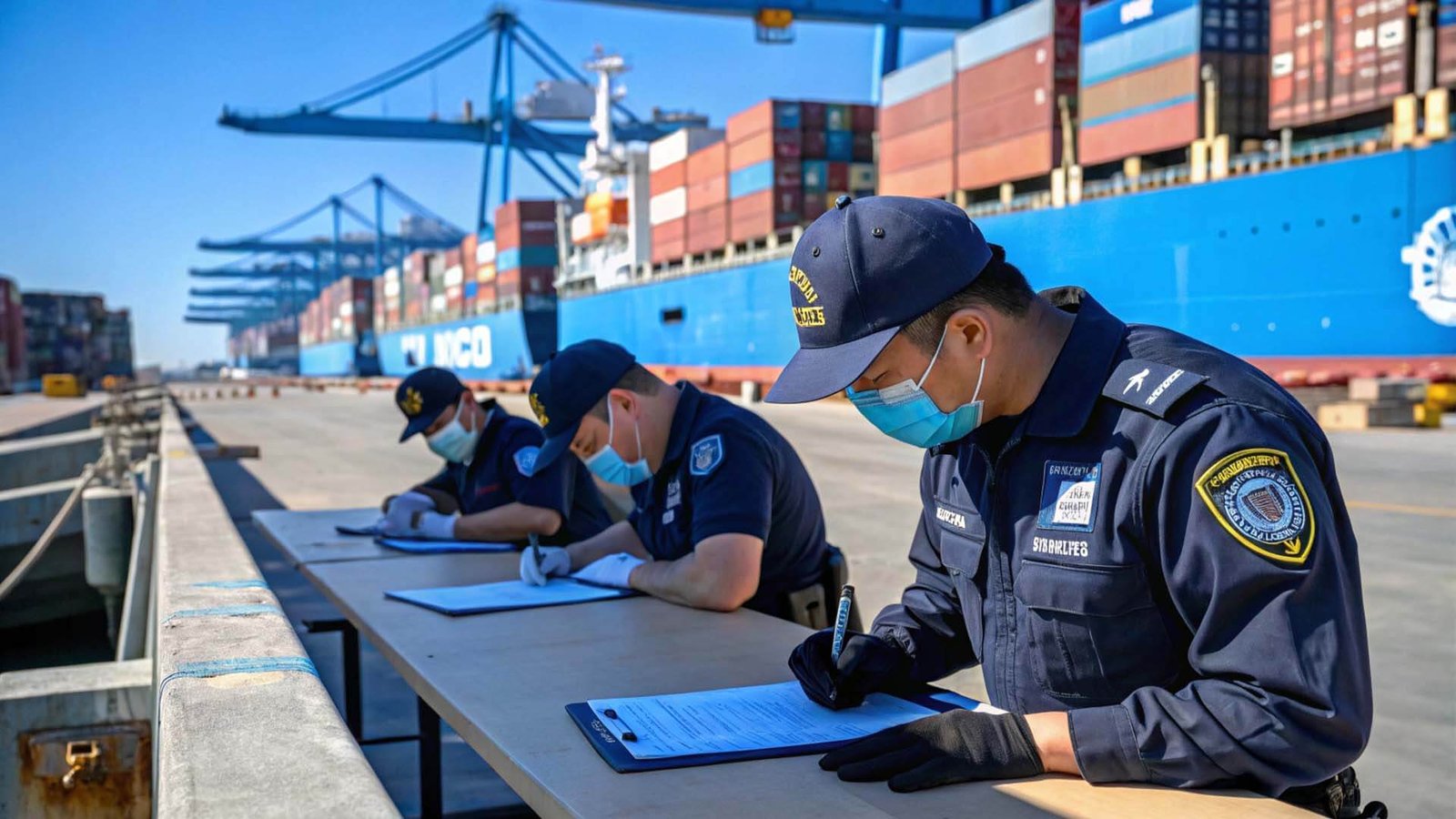
When I began importing machinery, I quickly learned that the paperwork involved was no joke. A slight mistake in classification could lead to significant delays or even fines. Having a customs broker1 on my side helped ensure everything was in order before the shipment arrived, which saved time and reduced stress.
When Self-Filing Makes Sense and What Importers Must Be Prepared to Handle.
While hiring a customs broker1 offers many benefits, there are scenarios where self-filing could be a viable option. Self-filing may work for importers who have simple, repetitive shipments and strong internal expertise.
Self-filing can work for importers with simple, repetitive shipments, strong internal expertise, and tolerance for risk. Importers must be prepared to manage classification, valuation, CBP communication10, and post-entry audits11 independently. Without this capability, self-filing often increases exposure rather than reducing costs.
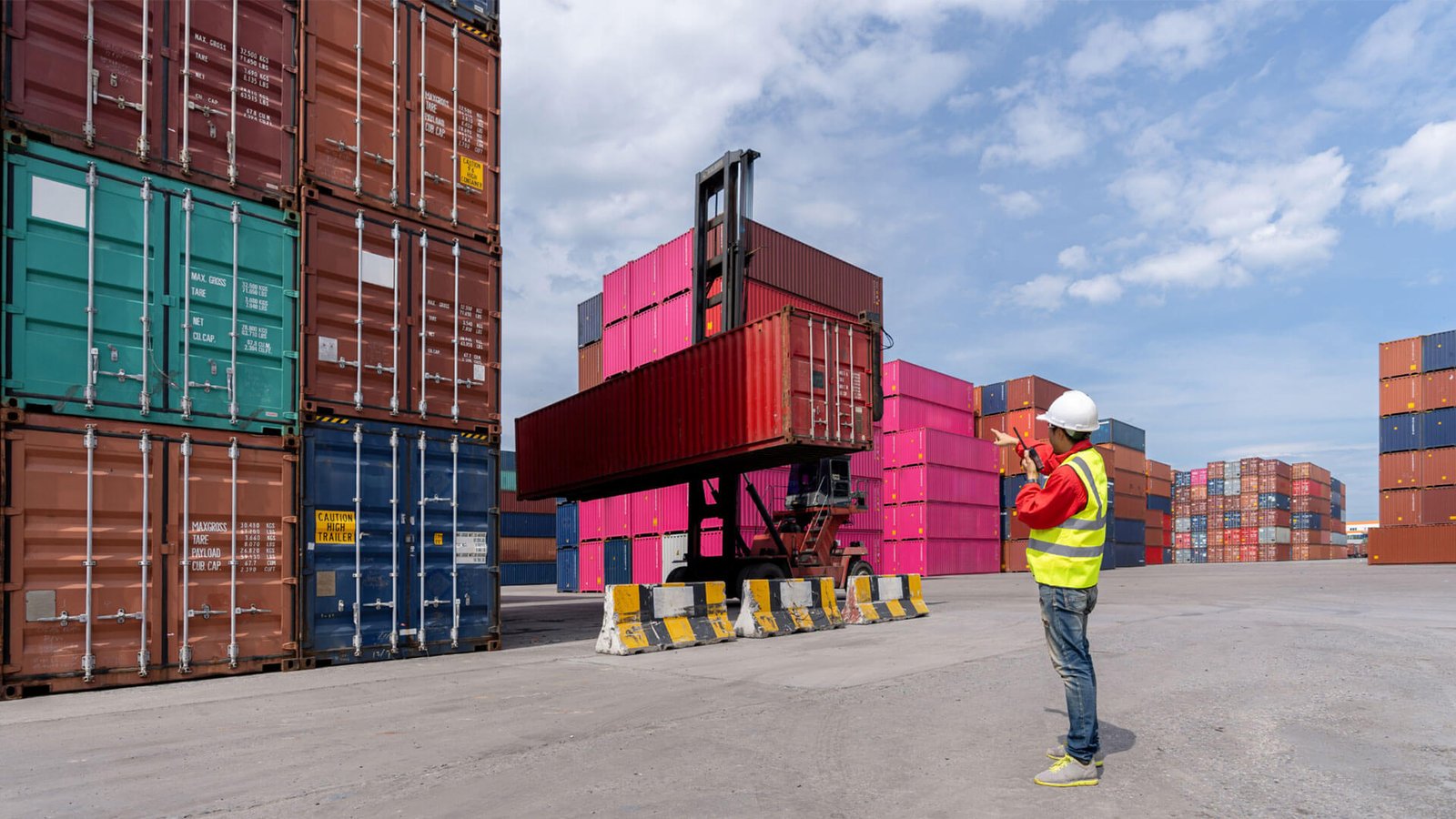
When I first entered the import business, I tried self-filing due to the simplicity of my shipments. However, I quickly realized that while it worked for me at first, any change in the shipment’s nature would have required a stronger understanding of customs regulations. It’s essential to assess your capabilities honestly before deciding to self-file.
How Importers Should Decide Whether a Customs Broker Is Worth the Cost.
Deciding to hire a customs broker1 is often a matter of calculating risk versus cost12. You should weigh the complexity of your shipments against your internal resources. If errors could disrupt your operations, a broker is usually worth the cost.
Importers should evaluate broker value based on shipment complexity, compliance risk, and internal resources—not just fees. If errors, delays, or audits would materially impact operations or cash flow, a broker is typically worth the cost. The decision is about risk transfer, not convenience.

I advise importers to consider their long-term goals. If you plan to grow your business, investing in a customs broker1 can pay off by reducing the risks associated with compliance and delays. Each situation is unique, but understanding the implications will help you make the best decision.
Conclusion
In summary, whether you need a customs broker1 depends on your specific circumstances. Assess your shipment complexity and compliance risks to make an informed decision.
Understanding the role of a customs broker can help you decide if their services are necessary for your import needs. ↩
Learn the process of self-filing entries to determine if it's a viable option for your business. ↩
Discover how customs brokers can minimize common import issues, saving time and money. ↩
Learn the significance of proper goods classification to avoid costly mistakes in importing. ↩
Understanding duty calculations can help you anticipate costs and manage your import budget effectively. ↩
Find out how brokers handle communications to ensure smooth import processes and compliance. ↩
Identify which products are regulated to understand the additional compliance requirements they entail. ↩
Explore how brokers can expedite the import process to meet critical delivery deadlines. ↩
Understand the complexities and regulations involved in importing these sensitive goods. ↩
Gain insight into the tasks you must manage if you choose to self-file your imports. ↩
Learn about post-entry audits to prepare for potential reviews and ensure compliance. ↩
Assessing risk versus cost can guide you in deciding whether a broker's services are worth the investment. ↩