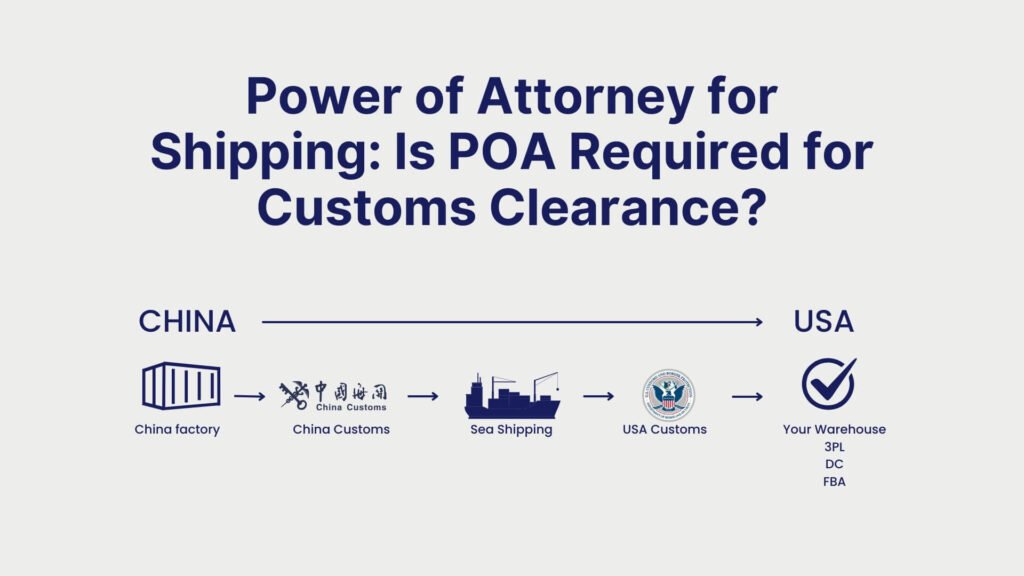
In the world of shipping, understanding the nuances of Power of Attorney (POA)1 is crucial. Many importers wonder whether a POA is necessary for customs clearance. This article will clarify that need and explain how it works.
In shipping, a Power of Attorney (POA)1 authorizes a third party—typically a customs broker2 or courier—to act on the importer’s behalf for customs transactions. It allows filings, communications, and duty payments with U.S. Customs and Border Protection3, while legal responsibility for compliance remains with the importer.
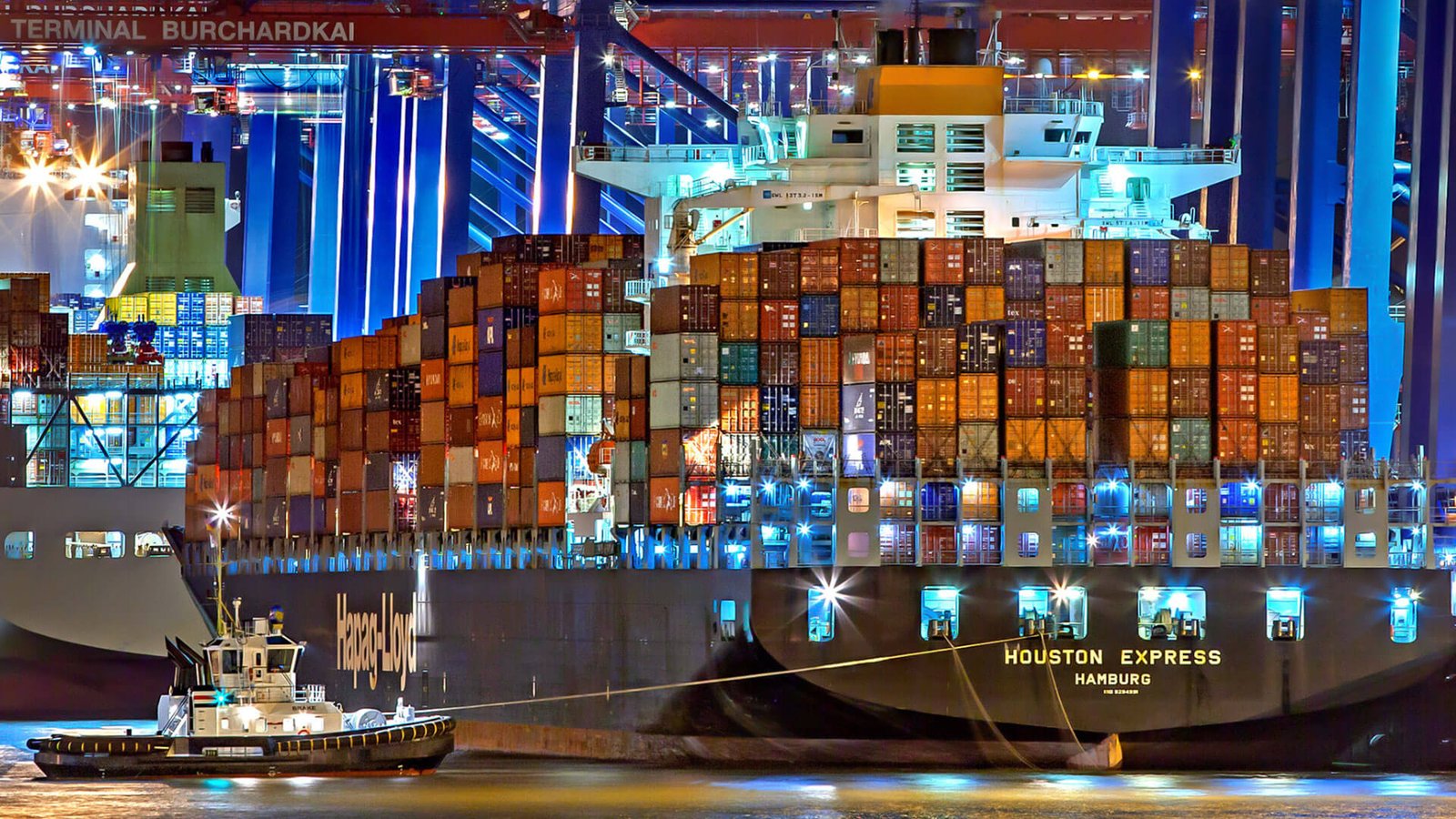
For many importers, the POA process can seem overwhelming. However, understanding it can streamline your shipping experience. Let’s explore the intricacies of POA and its implications for customs clearance.
What a Power of Attorney Means in Shipping and How It Works for U.S. Customs Clearance?
A Power of Attorney in shipping is a legal document. It allows an importer to designate a customs broker2 or courier as their agent. This agent can handle paperwork and communicate with U.S. Customs and Border Protection3 (CBP). This means the broker can file customs entries, pay duties, and respond to inquiries on the importer’s behalf.
The POA does not transfer ownership of the goods. Importers remain responsible for ensuring compliance with all customs regulations. This essential distinction is vital for importers to understand.
When you grant a POA, you enable your broker to act efficiently. Without it, the process can become lengthy and complicated. Importers who self-file may not need a POA, but most find it advantageous to work through a broker.

Understanding the role of POA can help you navigate customs clearance more effectively. Knowing when you need it—and what it entails—can save you time and money.
When a Power of Attorney Is Required for Customs Clearance and When It Is Not?
A POA is generally required when an importer wants a broker to clear goods on their behalf. This situation arises in most commercial scenarios. Brokers are accustomed to dealing with the complexities of customs regulations. Their expertise ensures smoother operations.
However, if an importer chooses to handle customs clearance themselves, they do not need a POA. This self-filing4 route can be challenging and is typically only recommended for experienced importers.
In practice, most businesses use brokers because they seek efficiency. Importers who want to minimize delays and avoid potential issues should consider granting a POA. It allows for timely communication with customs5, preventing unnecessary delays.

The decision to use a POA can significantly influence your shipping experience. Recognizing when it is necessary can enhance your import operations.
Who Uses the Power of Attorney and What Authority It Actually Grants to Brokers and Carriers?
Customs brokers and carriers utilize the POA to perform specific functions. This includes submitting entries, responding to inquiries from customs, and paying duties. However, it's important to note that the POA does not absolve the importer from liability.
Importers remain responsible for the accuracy of information provided to customs. This includes data classification and compliance with regulations. Even though you delegate authority, the ultimate responsibility for compliance lies with you.
Understanding the authority granted through a POA helps importers make informed decisions. It empowers brokers but does not absolve importers of their duties. This distinction is crucial in maintaining compliance and avoiding penalties.
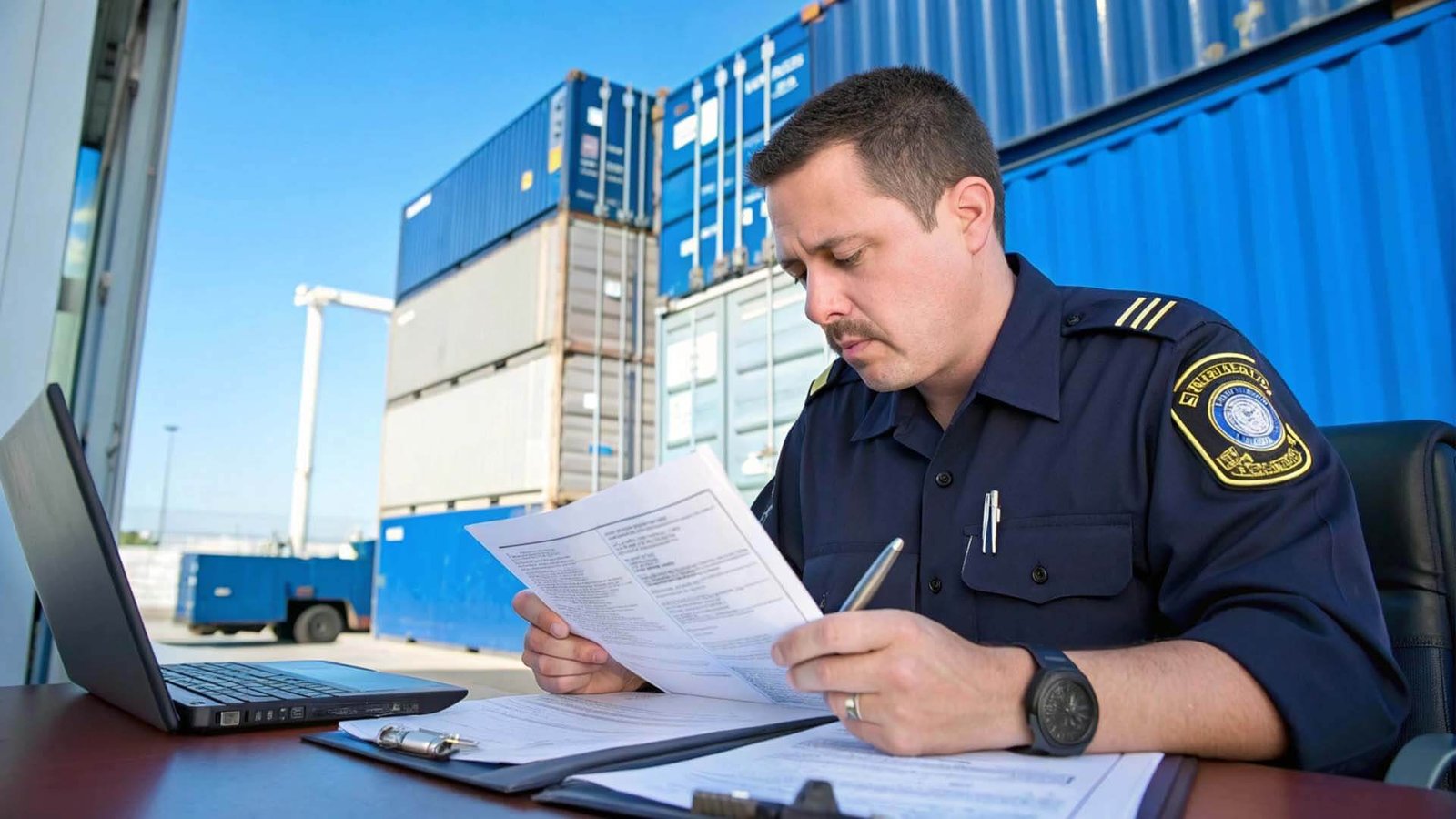
Recognizing who uses the POA and the authority it entails is critical for any importer. This knowledge will help you manage relationships with brokers effectively.
Why Couriers and Customs Brokers Ask for POA Before Clearing Shipments?
Couriers and customs broker2s request a POA to act legally on behalf of the importer. Without a POA, they cannot file necessary documents or pay duties, which can lead to delays. They need this authority before cargo arrives to ensure a smooth customs process.
If POA is not in place, any issues with customs can cause significant delays. This situation may result in additional storage fees or even missed delivery timelines. By executing the POA early in the shipping process, you help prevent such complications.
The transition to a POA is often initiated by the courier, such as FedEx or UPS. They understand the importance of having this document ready to facilitate quick clearance. Importers should be prepared to provide a POA to avoid potential pitfalls in their shipping operations.

By grasping why POAs are requested, importers can better prepare for their shipping needs. This understanding fosters a smoother relationship between importers and their brokers.
What Risks Importers Take When Granting a Power of Attorney for Shipping?
While granting a POA provides significant benefits, it also comes with risks. One main concern is that the POA can give broad authority to the broker6, which may not always align with the importer's objectives. If the POA is too general or outdated, it can lead to misuse or incorrect filings.
Importers must understand that they remain liable for any inaccuracies or non-compliance, regardless of who files the paperwork. This reality emphasizes the need for careful oversight of your customs broker2’s activities. Regular audits of their performance and compliance with your instructions are essential.
Additionally, relationships with brokers can change over time. Importers should consider revoking or updating the POA if circumstances shift. This vigilance helps ensure that your POA remains a tool for efficiency rather than a source of risk.
Recognizing the risks associated with POA can empower importers to take proactive measures. This understanding fosters better control over shipping processes and compliance.
How Importers Should Manage POA to Maintain Control Over Compliance and Liability?
To manage a POA effectively, importers should consider implementing several best practices. First, it is wise to use limited or shipment-specific POAs7. This approach allows you to retain more control over the authority granted. Regularly reviewing filings and maintaining a POA register8 can also enhance transparency.
Setting expiration dates for POA documents9 can help manage risk. This practice ensures that outdated authorities do not remain in effect. Importers should be diligent in ensuring that their customs broker2s adhere to documented compliance procedures.
By aligning POA authority with your internal controls10, you can mitigate risks. This strategy helps maintain visibility and accountability throughout the shipping process. Effective management of POA is key to protecting your business interests.
Taking control of your POA management practices ensures compliance and liability is maintained. Implementing these strategies can safeguard your shipping operations11.
Conclusion
Understanding the Power of Attorney in shipping is essential for importers. Knowing when it is required, its implications, and how to manage it can greatly enhance your customs clearance process.
Understanding POA is crucial for importers to streamline customs clearance and ensure compliance with regulations. ↩
Learn how customs brokers facilitate smoother operations by handling complex customs regulations on behalf of importers. ↩
Explore the role of U.S. Customs and Border Protection in ensuring compliance and facilitating international trade. ↩
Understand the challenges and benefits of self-filing for experienced importers who choose not to use a broker. ↩
Learn how effective communication can prevent delays and enhance the efficiency of the shipping process. ↩
Explore the potential risks and how to mitigate them when granting authority to a broker. ↩
Discover how these POAs can help importers retain control and reduce risks. ↩
Understand how maintaining a POA register can enhance transparency and accountability. ↩
Learn how expiration dates can prevent outdated authorities from remaining in effect and manage risk. ↩
Explore strategies to align POA authority with internal controls to mitigate risks and maintain accountability. ↩
Find out strategies to protect shipping operations through effective POA management and compliance practices. ↩