Fireworks can light up any celebration, but importing them from China involves navigating a complex landscape of regulations. It’s crucial to understand these requirements before starting an import venture.
To import fireworks into the U.S., multiple agencies oversee the process, each with specific regulations. Understanding these requirements will help you avoid costly delays and ensure compliance.

Different U.S. agencies regulate fireworks imports. The Bureau of Alcohol, Tobacco, Firearms and Explosives (ATF)1 controls the permits for explosives, while U.S. Customs and Border Protection (CBP)2 ensures that all entries are compliant with U.S. laws. The Department of Transportation (DOT) governs the transport of hazardous materials, including fireworks. Additionally, consumer fireworks may also fall under the safety oversight of the Consumer Product Safety Commission (CPSC). Knowing these regulations is the first step in ensuring a smooth import process.
Which U.S. Agencies Regulate the Import of Fireworks and What Each One Requires?
Importing fireworks from China calls for compliance with a myriad of U.S. regulations. Each agency plays a distinct role in regulating fireworks to ensure public safety.
The primary agencies involved in regulating fireworks imports include the ATF, CBP, and DOT. ATF requires an explosives permit, CBP manages customs clearance3, and DOT oversees hazardous materials transportation4.
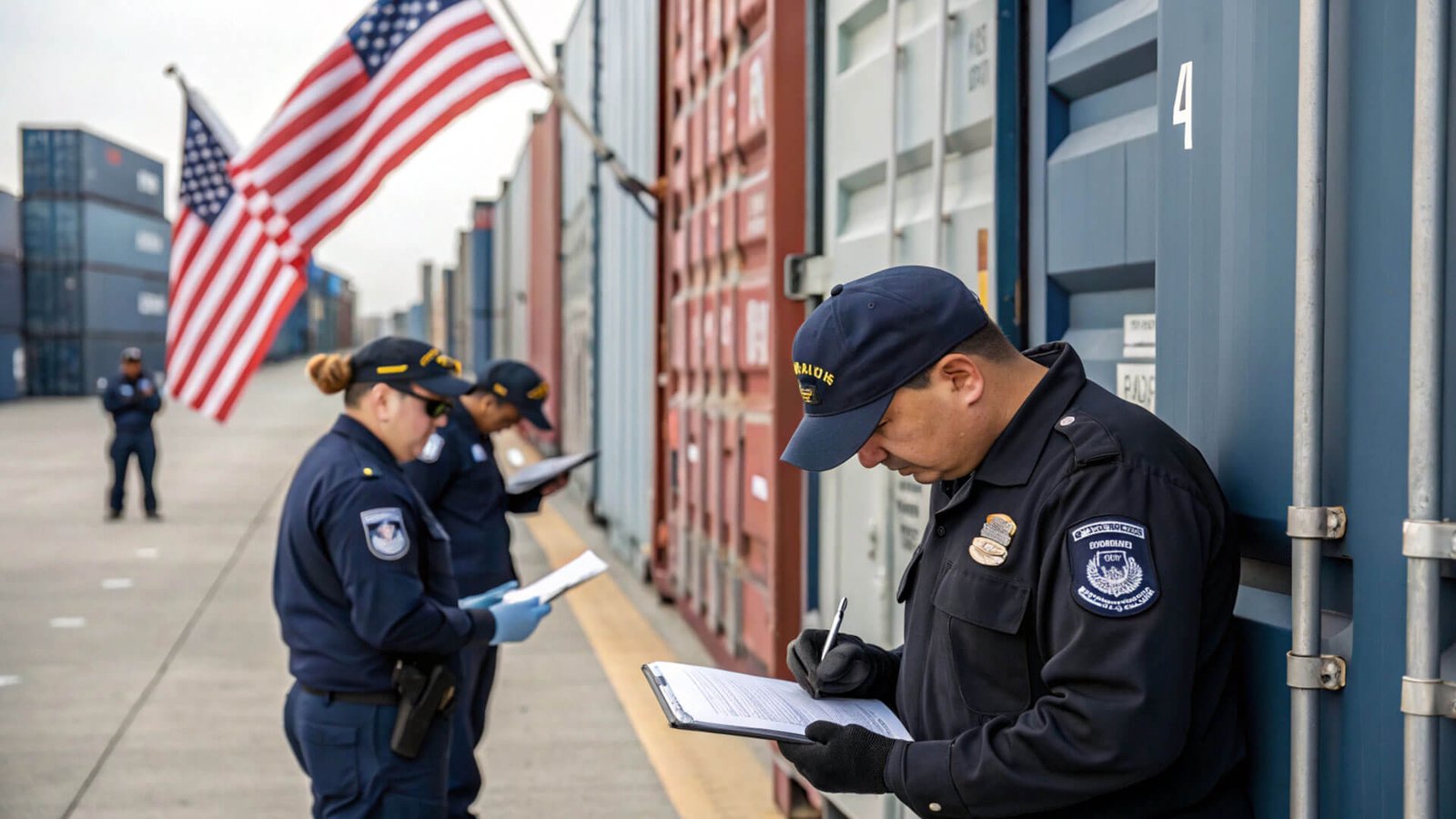
The ATF is primarily responsible for issuing import permits for explosives. If you're planning to import fireworks, you'll need to secure an ATF explosives import permit5 beforehand. This applies to almost all fireworks, especially display and professional-grade fireworks, which are considered higher-risk compared to consumer fireworks.
CBP plays a critical role in enforcing compliance at the borders. They will inspect your shipment to ensure it aligns with federal regulations and has the correct documentation. Inadequate documentation can lead to shipment seizures or delays. The DOT regulates how these hazardous materials are shipped, including specific labeling, packaging, and safety measures.
Navigating these agencies can be confusing, but understanding their individual requirements is essential for successful fireworks importation.
What Federal Licenses and Permits Are Mandatory to Import Fireworks From China?
Before you can import fireworks from China, certain federal licenses and permits6 are non-negotiable.
An ATF explosives import permit5 is mandatory for the majority of fireworks imports. Display fireworks require additional federal authorization, while consumer fireworks face fewer restrictions.

Acquiring an ATF explosives import permit5 is often the first step for any importer. The process involves submitting an application that outlines the specifics of your shipment, including quantities and types of fireworks. The ATF takes this seriously; arriving without the correct permits can result in your shipment being seized or forced to be re-exported back to China.
Display fireworks, usually used in professional shows, require even more scrutiny. Additional federal licenses may be needed, making it vital for importers to secure all necessary approvals before initiating shipments from China. Understanding the distinctions between fireworks types is critical, as each classification carries different licensing requirements.
Properly obtaining these federal permits ensures that your fireworks shipment complies with U.S. regulations and minimizes the risk of delays.
How Firework Classification (Consumer vs Display vs Explosive) Affects Import Approval
When importing fireworks, the classification significantly impacts the approval process.
Fireworks are categorized based on explosive content and intended use. Consumer fireworks face fewer restrictions, while display fireworks and professional pyrotechnics are treated as high-risk explosives.

The classification of fireworks into consumer, display, and explosive types changes how they can be imported. Consumer fireworks, which are typically less volatile, may have simpler approval processes and fewer restrictions. In contrast, display fireworks are often regarded as high-risk items and require substantial documentation and permits due to their potential hazards.
Misclassification of fireworks is a common mistake that can lead to denial of import. It’s essential to accurately identify whether your shipment falls under consumer, display, or explosive categories. Licensing, shipping rules, and inspections are all heavily influenced by this classification. If the documentation does not match the classification, CBP may deny your entry or impose unnecessary delays.
Making sure you clearly categorize your fireworks is vital for compliance and successful importation.
What Additional State and Local Permits May Be Required After Federal Clearance
Federal clearance is just the beginning of the journey; additional state and local permits7 may also be required.
While federal permits are essential, many states require their own permits, fire marshal authorization8, or storage licenses before fireworks can be sold or distributed.
Once you secure federal clearance, it is crucial to understand the regulations in your destination state. Many states impose additional requirements, which may include permits to sell fireworks, local fire marshal approval, and licenses for storage. Ignoring these state-level regulations can lead to significant delays or even legal consequences.
It's important to note that fireworks laws vary from state to state. Some states may restrict or outright ban certain types of fireworks. Therefore, as an importer, you must conduct thorough research to ensure compliance with local laws. Confirming these requirements in advance can save you from potential headaches post-clearance and ensure a smooth operation.
Understanding both federal and state regulations is crucial for a successful fireworks import business.
What Shipping, Hazmat, and Insurance Requirements Apply to Fireworks Imports
Fireworks are classified as hazardous materials, and importing them requires stringent compliance with safety regulations.
Fireworks imports require adherence to IMDG, vessel, and carrier-specific hazardous materials regulations. Proper packaging, labeling, documentation, and insurance are essential for compliance.

Shipping fireworks involves navigating a complex web of hazmat regulations. The International Maritime Dangerous Goods (IMDG) Code outlines specific rules for transporting hazardous materials by sea. This includes proper labeling, packaging, and documentation, which must be meticulously followed to prevent delays or rejections.
Additionally, many shipping carriers may require advance approval before accepting fireworks shipments. They may also have their own set of restrictions, so it’s crucial to clarify shipping policies beforehand. Importers need adequate insurance coverage, as transporting hazardous goods carries inherent risks. Failing to comply with hazmat shipping regulations can lead to significant legal and financial consequences.
Understanding these shipping and insurance requirements minimizes the risk associated with importing hazardous materials like fireworks.
What Common Compliance Mistakes Cause Fireworks Shipments to Be Delayed, Seized, or Denied Entry
Several common compliance mistakes can jeopardize your fireworks importation efforts.
Mistakes such as missing ATF permits, incorrect fireworks classification9, incomplete hazmat documentation10, or disregarding state-level restrictions can lead to significant issues.
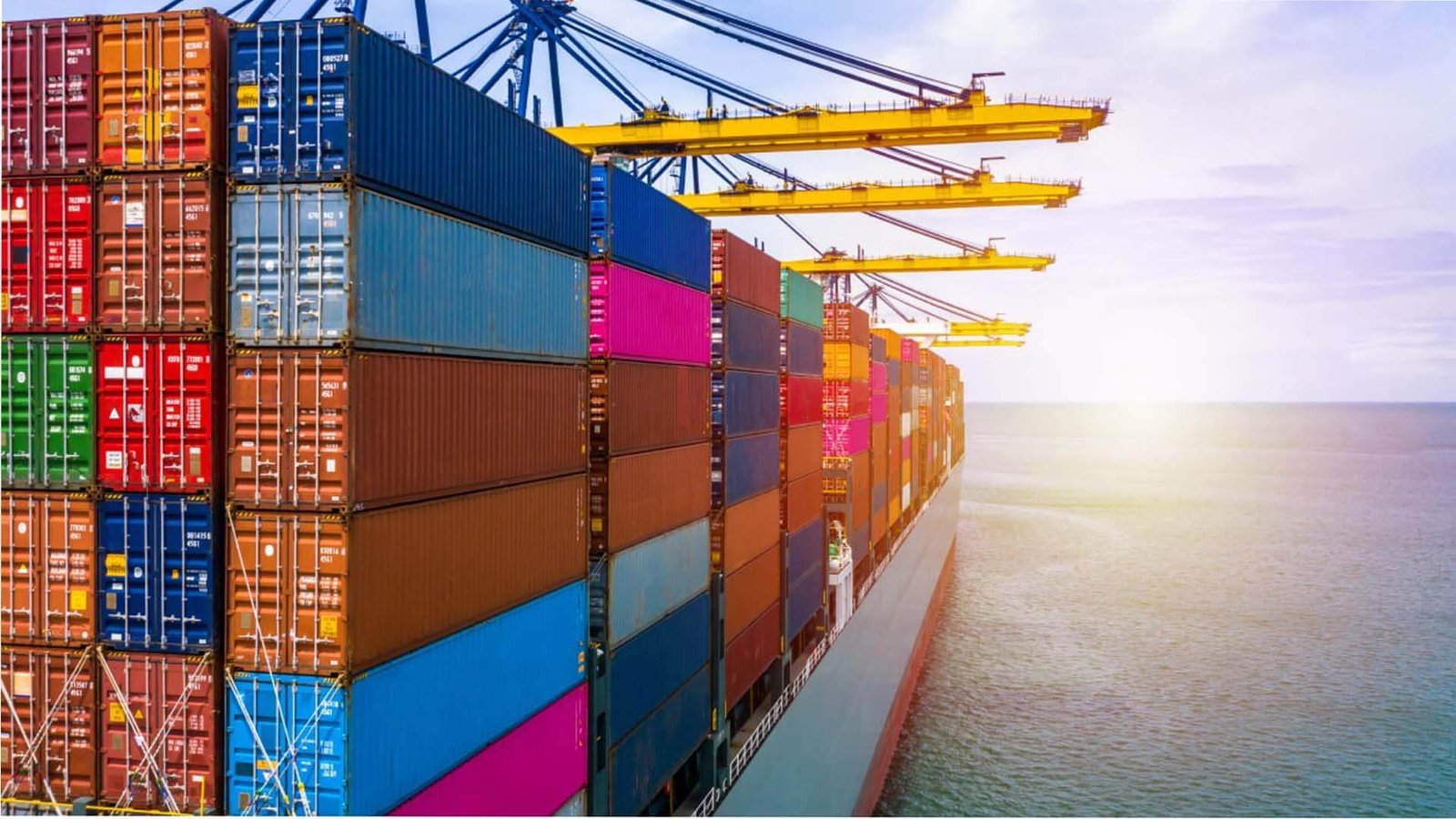
Common pitfalls include arriving at customs without the necessary ATF permits or misclassifying the type of fireworks being imported. Incomplete hazmat documentation10 is another frequent issue, as is not accounting for state-level regulations that differ from federal mandates.
Given that fireworks are considered high-risk cargo, customs enforcement has a low tolerance for errors. Any oversight can result in shipments being seized, denied entry, or ordered to be re-exported. These mistakes can also attract long-term scrutiny from customs officials, complicating future imports.
Staying informed and diligent about compliance can help avoid these all-too-common issues and ensure a smooth import process.
Conclusion
Navigating the requirements for importing fireworks from China requires understanding federal, state, and transport regulations to avoid costly mistakes.
Understanding the ATF's role is crucial for obtaining necessary permits and ensuring compliance with federal regulations when importing fireworks. ↩
Learn how CBP ensures compliance with U.S. laws at the border, which is vital for avoiding shipment delays or seizures. ↩
Understanding customs clearance helps ensure your fireworks shipment complies with federal regulations, avoiding costly delays. ↩
Complying with hazardous materials regulations is crucial for the safe and legal transport of fireworks. ↩
Securing an ATF permit is a critical step in legally importing fireworks, preventing legal issues and shipment delays. ↩
Federal licenses and permits are mandatory for legal importation, preventing legal and logistical issues. ↩
State and local permits are essential for legal distribution and sale of fireworks, preventing legal issues. ↩
Fire marshal authorization ensures compliance with safety standards, crucial for legal fireworks distribution. ↩
Knowing the classification impacts the approval process, affecting permits and compliance requirements. ↩
Proper hazmat documentation is crucial for legal compliance and avoiding shipment delays or rejections. ↩