The world of international shipping can be complex. Understanding the DAP Incoterm1 is crucial for importers to navigate their responsibilities and risks effectively.
DAP (Delivered at Place) means the seller delivers goods to an agreed destination, ready for unloading, but not cleared for import. Delivery occurs before customs clearance2, duties, and taxes. For U.S. importers, this means physical delivery may happen while compliance and cost responsibility still rests with the buyer.
When dealing with DAP, clarity about where the seller's obligations end and the buyer's begin is essential. If you're not careful, you might find yourself facing unexpected costs3 or risks upon delivery.
What DAP (Delivered at Place) Means Under Incoterms and Where Delivery Officially Occurs?
Understanding DAP can be tricky. DAP stands for Delivered at Place, meaning the seller is responsible for delivering the goods to a designated location. However, this does not include customs clearance2, duties, or taxes. The delivery occurs once the goods reach the specified place but before they are cleared for import into the U.S.
For importers, it’s vital to know that while the seller handles the international freight, the responsibility for customs clearance2 lies solely with you. This means being prepared to manage any compliance issues4 that arise at the destination.
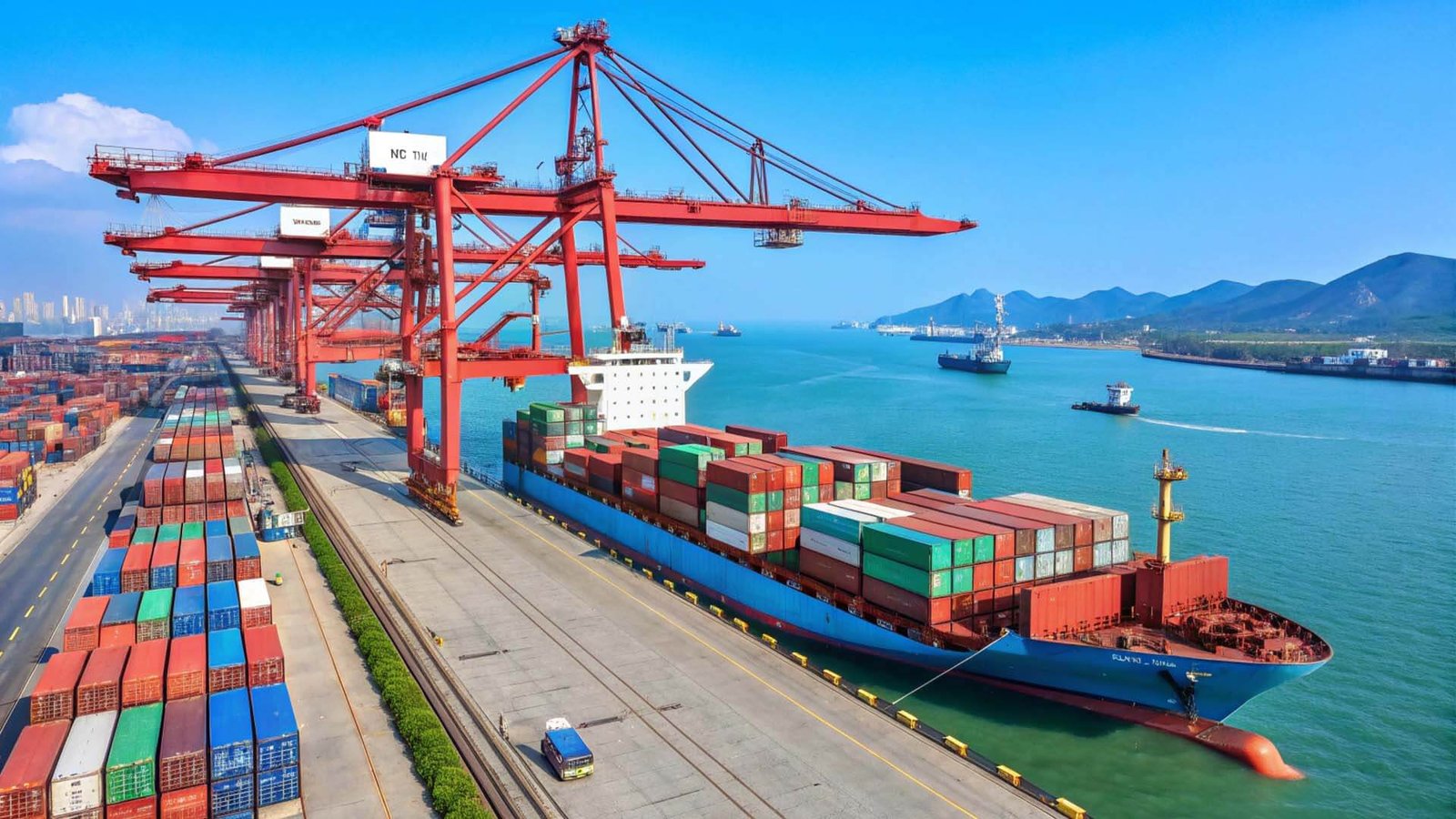
When the goods arrive, they are typically delivered to a location agreed upon in the contract. At this point, the seller has fulfilled their obligations, and the buyer takes on the responsibility for customs clearance2. This can lead to confusion or complications if the buyer is unaware of their duties.
Who Pays for Freight, Customs Clearance, Duties, and Taxes Under DAP Shipping?
Under DAP, the seller pays for the international freight to the agreed destination. However, the buyer is responsible for import customs clearance2, duties, taxes, and any related fees. This arrangement means U.S. importers must act as the Importer of Record5 or appoint a customs broker6.
It’s crucial for importers to understand their role. If not planned correctly, DAP can become a risky option. Failure to manage clearance can lead to unnecessary delays and additional costs.
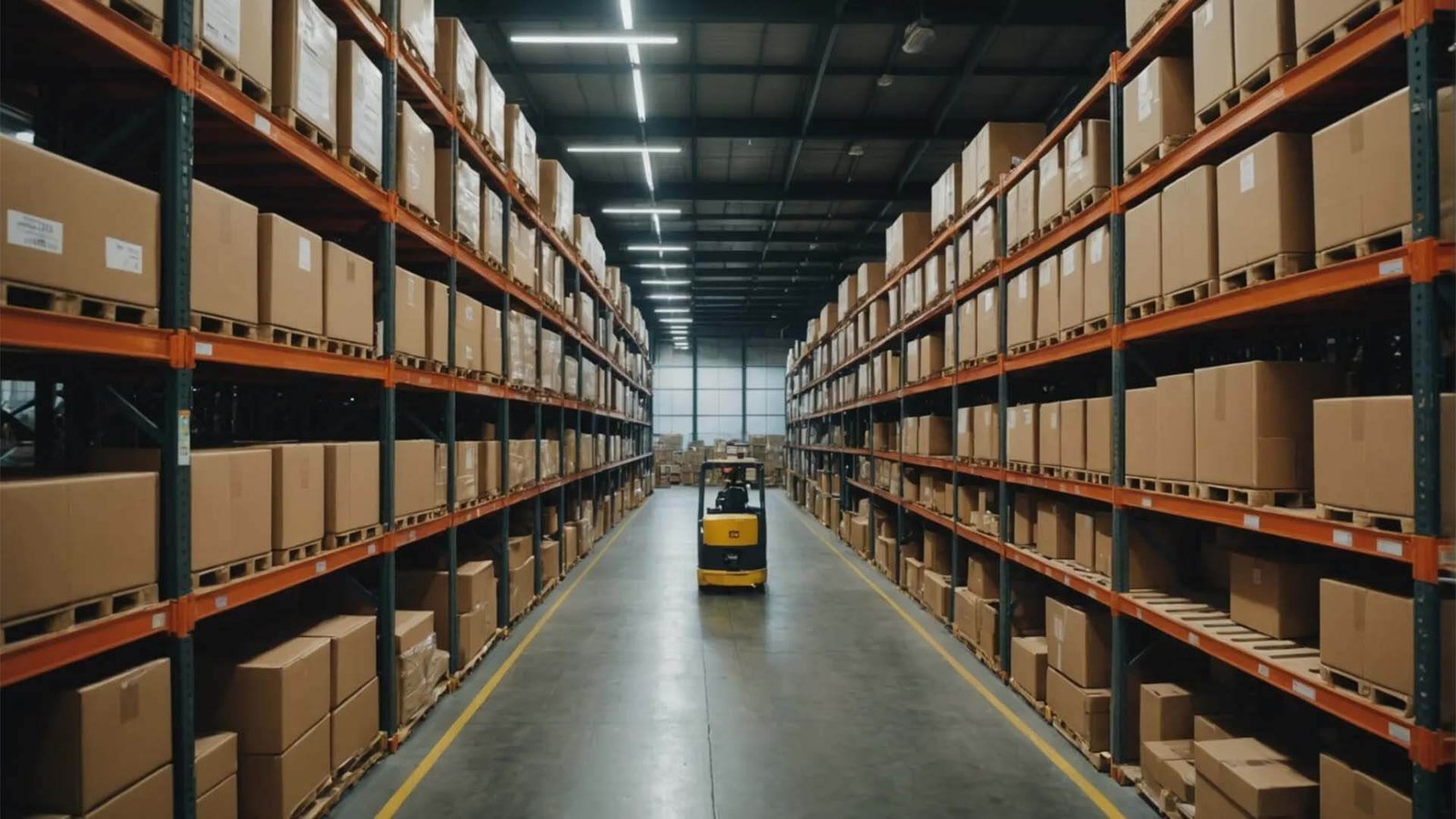
Importers need to be proactive in their customs planning. Having a reliable customs broker6 can significantly reduce the risks associated with unforeseen costs. Understanding who pays for what can help you avoid surprises at delivery.
Where Risk Transfers in DAP and Why Importers Still Carry Significant Exposure?
In DAP shipping, the risk transfers7 to the buyer when the goods are delivered to the specified location. However, this does not mean the buyer is free from risks. Importers still face potential exposure to customs delays, inspections, and last-mile delivery failures8.
Because clearance is controlled by the buyer, any errors in documentation or compliance can turn a “delivered” shipment into an expensive headache. It’s essential for importers to understand these risks to manage them effectively.

Risk management in DAP requires careful attention to detail. Understanding the compliance landscape is key to avoiding unforeseen issues that could delay delivery or increase costs. Importers must take ownership of their responsibilities to minimize exposure.
How DAP Differs From FOB and DDP in Terms of Control, Cost, and Responsibility?
When comparing DAP to FOB (Free On Board)9 and DDP (Delivered Duty Paid)10, it’s important to recognize the different levels of control and responsibility. FOB gives buyers control from the export stage, while DDP shifts almost all responsibilities to the seller.
DAP offers a middle ground, where the seller handles freight coordination11 but the buyer retains responsibility for customs compliance and associated costs. Understanding these differences can help importers choose the best Incoterm for their needs.

This comparative understanding helps importers assess their level of control and the associated costs effectively. DAP can be an efficient choice when customs clearance2 is well-managed, but it might expose buyers to significant risks without proper planning.
What Common Problems Importers Face With DAP Shipments at Arrival?
Importers often encounter several issues when dealing with DAP shipments. Common problems include unexpected duty bills, customs holds, unpaid demurrage fees12, and delivery failures.
The misalignment between sellers and buyers regarding freight and customs processes can lead to delays and additional costs. An understanding of these common pitfalls can help importers prepare better for potential challenges.
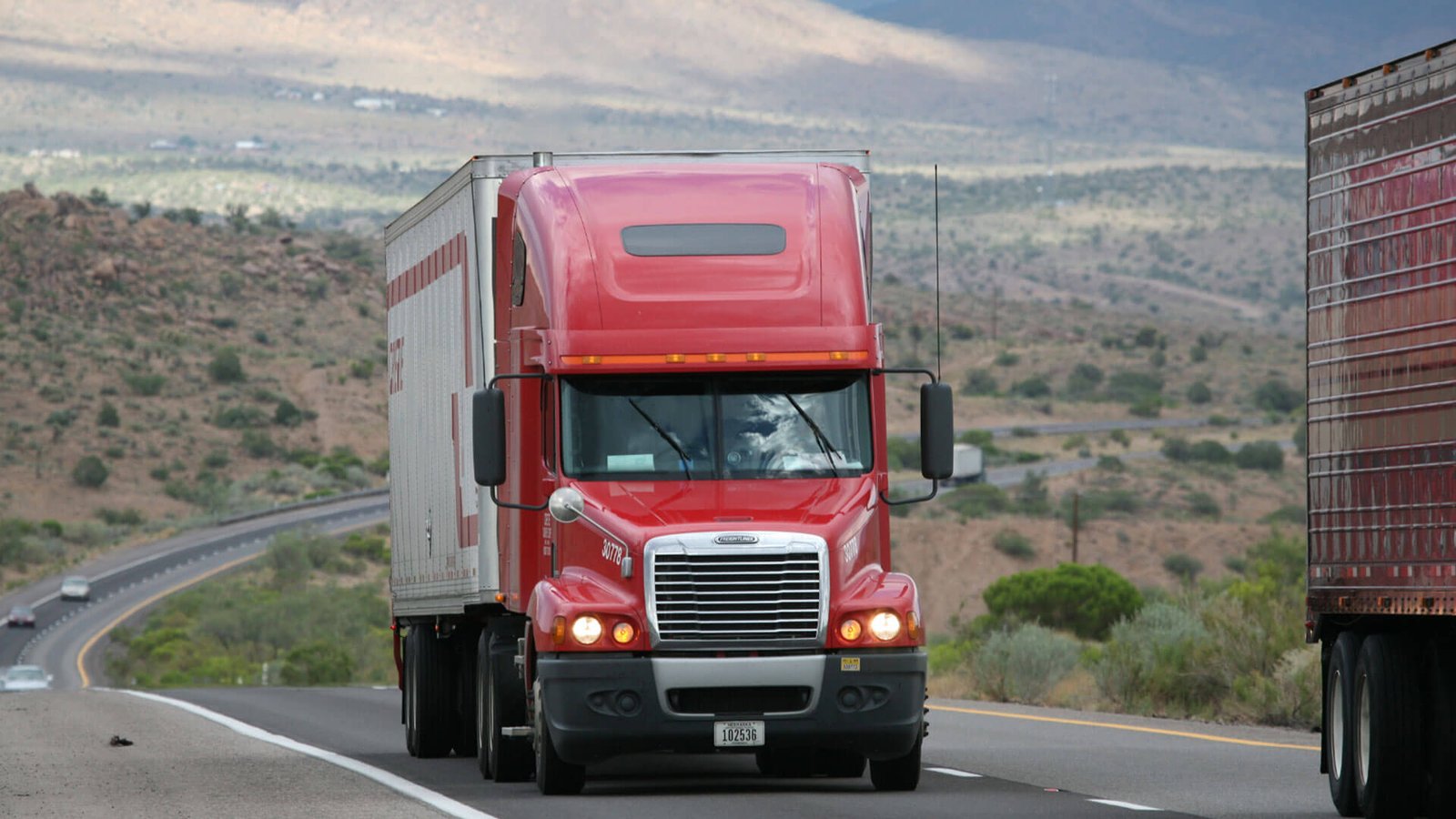
Awareness of these issues allows importers to take preventative measures. Strong communication and coordination with sellers and customs broker6s are critical in avoiding these common delivery challenges.
When DAP Is a Smart Choice for Importers—and When It Creates Hidden Costs?
DAP can be a smart choice for importers needing reduced freight coordination11 but with strong customs broker6age support in place. However, it can lead to hidden costs13 when clearance is unplanned or delivery points are ambiguous.
Importers should utilize DAP only when all responsibilities, costs, and timelines are well-defined in advance. This careful planning can help mitigate risks and ensure smoother delivery processes.
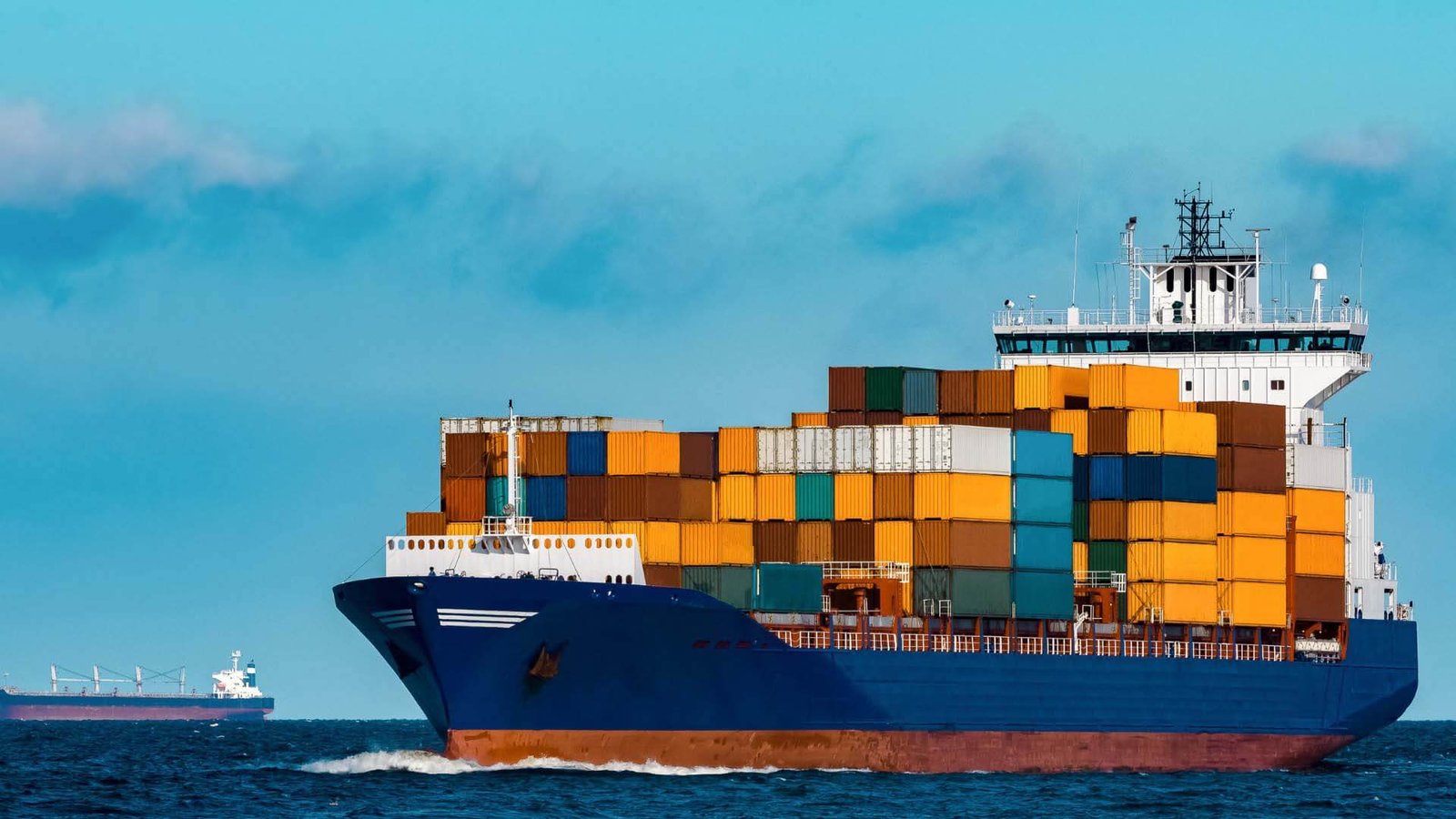
Using DAP effectively requires clear communication and a well-structured approach. Importers must ensure that all parties are on the same page regarding expectations and obligations to avoid unexpected costs3.
📊 DAP vs FOB vs DDP14 — Importer-Focused Comparison
| Incoterm | Freight paid by | Import clearance | Duties & taxes | Control level | Risk point |
|---|---|---|---|---|---|
| DAP (Delivered at Place) | Seller | Buyer | Buyer | Medium | Customs & last mile |
| FOB (Free On Board)9 | Buyer | Buyer | Buyer | High | From export port onward |
| DDP (Delivered Duty Paid)10 | Seller | Seller (or agent) | Seller | Low for buyer | Seller performance & compliance |
🔁 DAP Responsibility Flow (Importer Reality)
- Seller → Arranges export and international freight
- International Freight → Carrier selected by seller
- Customs Clearance → Buyer or buyer’s broker files entry, pays duties
- Final Delivery → Goods delivered to named place, unloading handled by buyer
Conclusion
Understanding DAP shipping is vital for importers to manage costs, risks, and responsibilities effectively in international trade.
Understanding DAP Incoterm is essential for importers to manage their responsibilities and risks effectively in international shipping. ↩
Customs clearance is a critical responsibility for importers under DAP, and understanding it can prevent costly delays and compliance issues. ↩
Identifying potential unexpected costs in DAP shipping can help importers plan better and avoid financial surprises. ↩
Being aware of compliance issues in DAP shipping can help importers avoid costly mistakes and ensure smooth delivery processes. ↩
Knowing the role of the Importer of Record helps importers manage their duties and avoid unexpected costs in DAP shipping. ↩
A reliable customs broker can significantly reduce risks and manage compliance issues, making them crucial for DAP shipping. ↩
Understanding when risk transfers to the buyer in DAP shipping helps importers prepare for potential exposure and manage risks effectively. ↩
Understanding last-mile delivery failures can help importers mitigate risks and ensure successful delivery of goods. ↩
Comparing FOB with DAP helps importers understand different levels of control and responsibility, aiding in choosing the best Incoterm. ↩
Understanding the differences between DDP and DAP can help importers decide which Incoterm best suits their needs and risk tolerance. ↩
Understanding freight coordination under DAP can help importers manage logistics and responsibilities effectively. ↩
Knowing about demurrage fees can help importers avoid additional costs and manage their shipping processes more efficiently. ↩
Being aware of hidden costs in DAP shipping can help importers plan better and avoid financial surprises. ↩
A comparative understanding of DAP, FOB, and DDP helps importers assess control, costs, and risks effectively. ↩