The first paragraph: Free Trade Agreement1s can be confusing. Yet, understanding how FTAs work can save you significant money on import duties2.
A Free Trade Agreement1 lowers import duties2 by allowing qualifying goods to enter the U.S. at reduced or zero tariff rates. These benefits apply only when products meet origin, classification, and documentation rules defined in the agreement, helping importers legally reduce customs duties and overall landed costs.
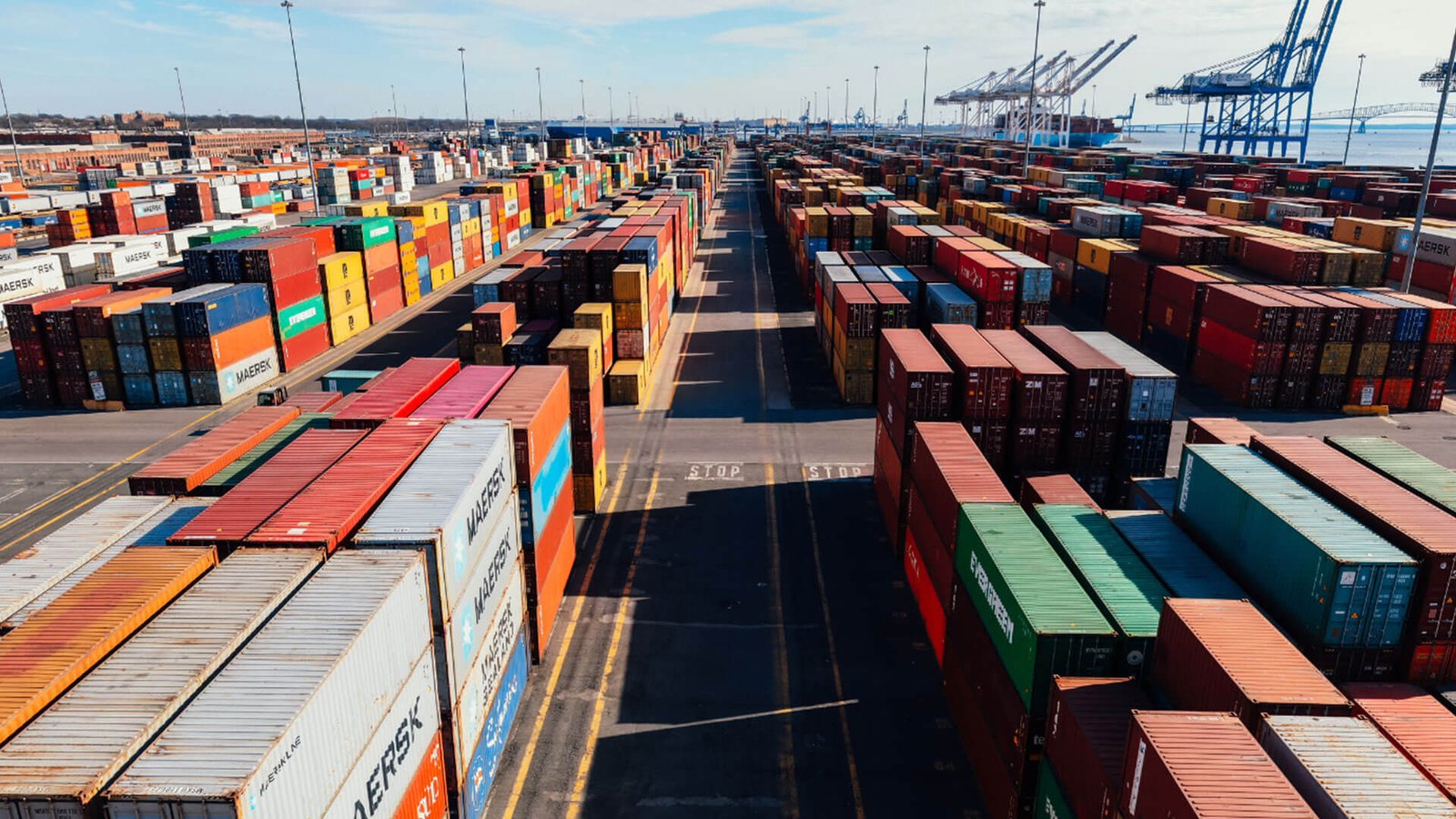
The paragraph that begins and ends with a paragraph that will keep the customer from reading further: Navigating FTAs can be tricky. Many importers fall short because they overlook critical details. Ignoring the rules can lead to higher costs and compliance headaches. You don’t want to be one of them, so let’s dig deeper into how FTAs lower import duties2.
U.S. importers only qualify for FTA duty savings if the product satisfies Rules of Origin, tariff shift3, or regional value content4 requirements?
The first paragraph: Many U.S. importers overlook the importance of Rules of Origin in FTAs. Not understanding these can lead to missed savings.
To qualify for FTA duty savings, U.S. importers must prove that goods meet Rules of Origin, such as tariff shift3, regional value content4, or wholly obtained5 criteria. Failure to meet these requirements disqualifies the shipment from preferential tariffs, even if trading between FTA member countries.

Based on the secondary headings, continue to extend and go deeper: The concept of Rules of Origin is essential for maximizing FTA benefits. These rules determine where a product is manufactured and whether it qualifies for lower tariffs. Importers need to understand various criteria such as tariff shift3 and regional value content4.
-
Tariff Shift Requirement: This means that a product must undergo a specific transformation to qualify for FTA benefits. For example, if a product is made from materials sourced from FTA countries, it must undergo a particular change in its tariff classification.
-
Regional Value Content: This criterion focuses on the percentage of a product's value that comes from within FTA member countries. Importers must calculate this accurately to prove eligibility.
-
Wholly Obtained: Some goods, like agricultural products, are considered "wholly obtained5" if they are entirely produced in a member country.
Understanding these rules is crucial. Mistakes in compliance can lead to disqualification from benefits and hefty penalties.
Incorrect origin claims, missing certificates, or supplier errors can trigger duty clawbacks6, penalties, and Customs audits7?
The first paragraph: Incorrect claims can spell disaster for U.S. importers. Knowing what can go wrong is crucial to avoiding issues.
Incorrect FTA claims expose importers to retroactive duty bills, monetary penalties, shipment delays, and Customs audits7. Even supplier-side errors can result in liability for the importer of record, making documentation accuracy and origin verification critical to avoiding costly compliance failures.
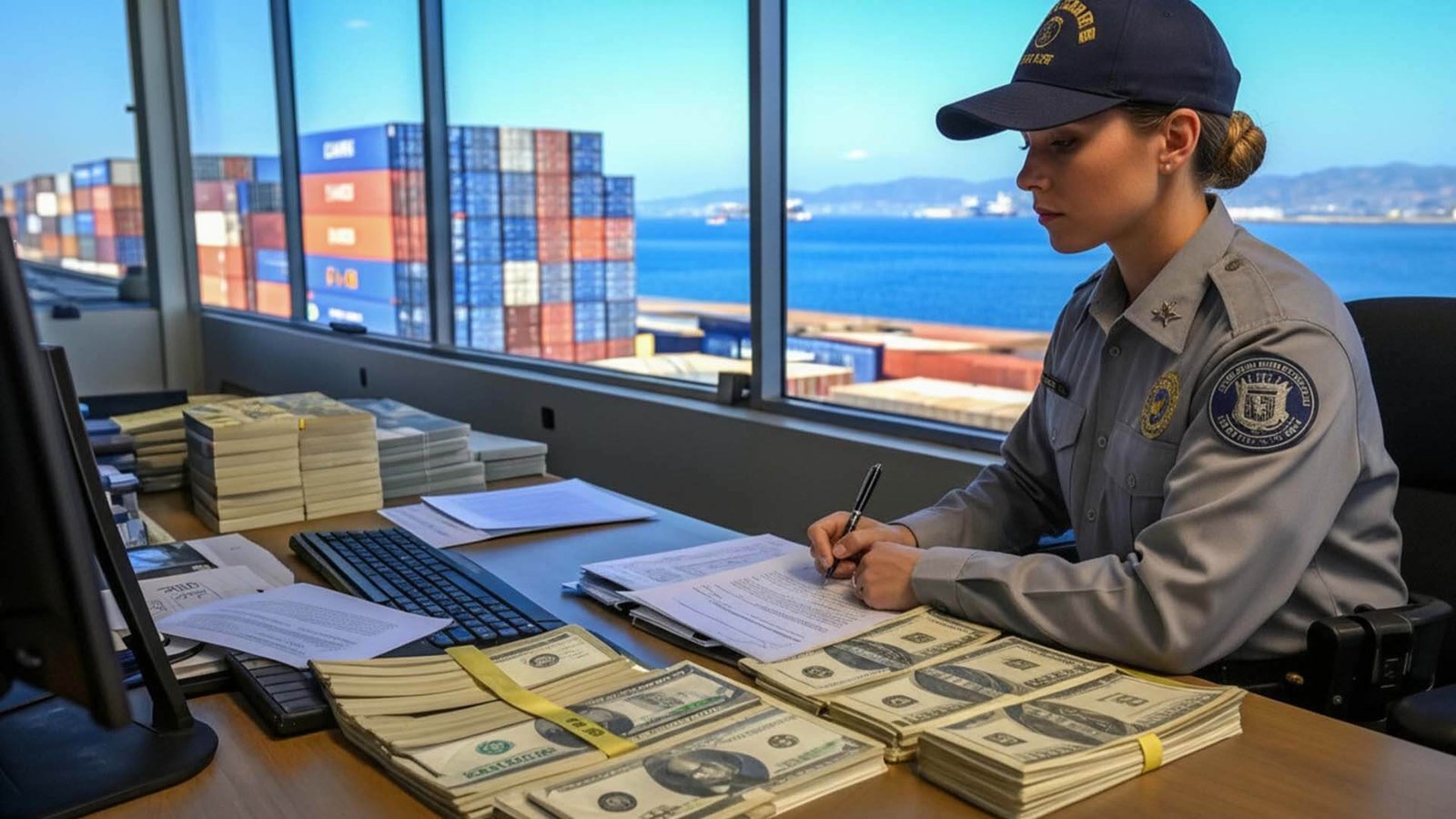
Based on the secondary headings, continue to extend and go deeper: When it comes to Customs compliance, accuracy is non-negotiable. An incorrect country of origin claim can lead to significant problems.
-
Duty Clawbacks: If Customs finds that an importer has incorrectly claimed FTA benefits, they can require the importer to pay back the duties previously saved. This retroactive penalty can be substantial.
-
Penalties: In addition to clawbacks, the importer may face monetary penalties for filing false claims. These can vary based on the severity of the error.
-
Customs Audits: The risk of an audit increases with incorrect claims. Customs may audit shipments that show discrepancies or flags in documentation.
To mitigate these risks, it’s essential to ensure that all documentation, including certificates of origin, is accurate and complete. Even minor errors can cascade into significant compliance headaches.
FTA duty benefits are claimed through proper documentation, Harmonized Tariff classification8, and entry filing with U.S. Customs?
The first paragraph: Claiming FTA benefits isn’t just paperwork; it requires precision and attention to detail.
Importers claim FTA duty benefits by correctly classifying goods under the Harmonized Tariff Schedule, securing valid origin documentation, and declaring the preference program during Customs entry filing9. Errors in HS codes or missing certificates often result in rejected claims or post-entry audits.
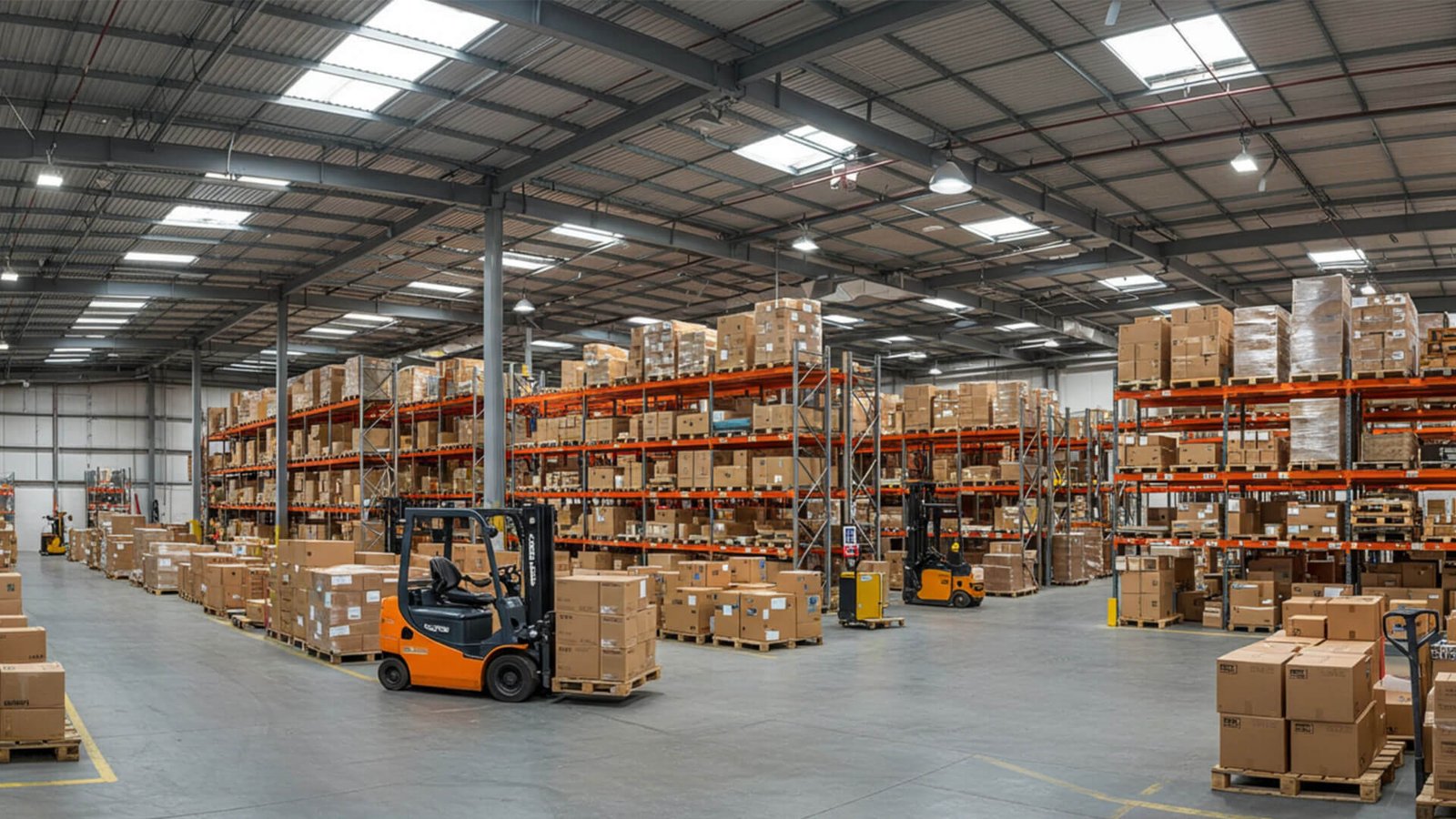
Based on the secondary headings, continue to extend and go deeper: Proper documentation is the backbone of claiming FTA benefits. Here’s a breakdown of the key steps:
-
Harmonized Tariff Classification: Importers must accurately classify goods. The Harmonized Tariff Schedule provides codes that determine duty rates and eligibility for FTAs. Mistakes in these classifications can lead to denied claims.
-
FTA Certificate of Origin10: This certificate proves that a product qualifies for FTA benefits. Importers need to procure this from their suppliers. It’s vital to ensure that this certificate is complete and aligns with U.S. Customs requirements.
-
Customs Entry Filing: When filing with Customs, importers must declare any preference programs they are utilizing. Proper entry filing ensures that the lower duties are applied at the point of entry.
Minor errors can have serious consequences. It pays to get it right from the start to avoid audits and penalties down the line.
FTAs reduce total landed cost11 only when sourcing, production, and shipping routes12 are aligned with the agreement’s structure?
The first paragraph: FTAs can be a game-changer, but only if you play by the rules and align your entire operation.
FTAs lower total landed cost11 only when sourcing, manufacturing, and logistics decisions support origin compliance. Importers may need to adjust suppliers, production locations13, or shipping routes12 to fully benefit from preferential tariffs, making FTA planning a strategic supply chain decision rather than a paperwork exercise.
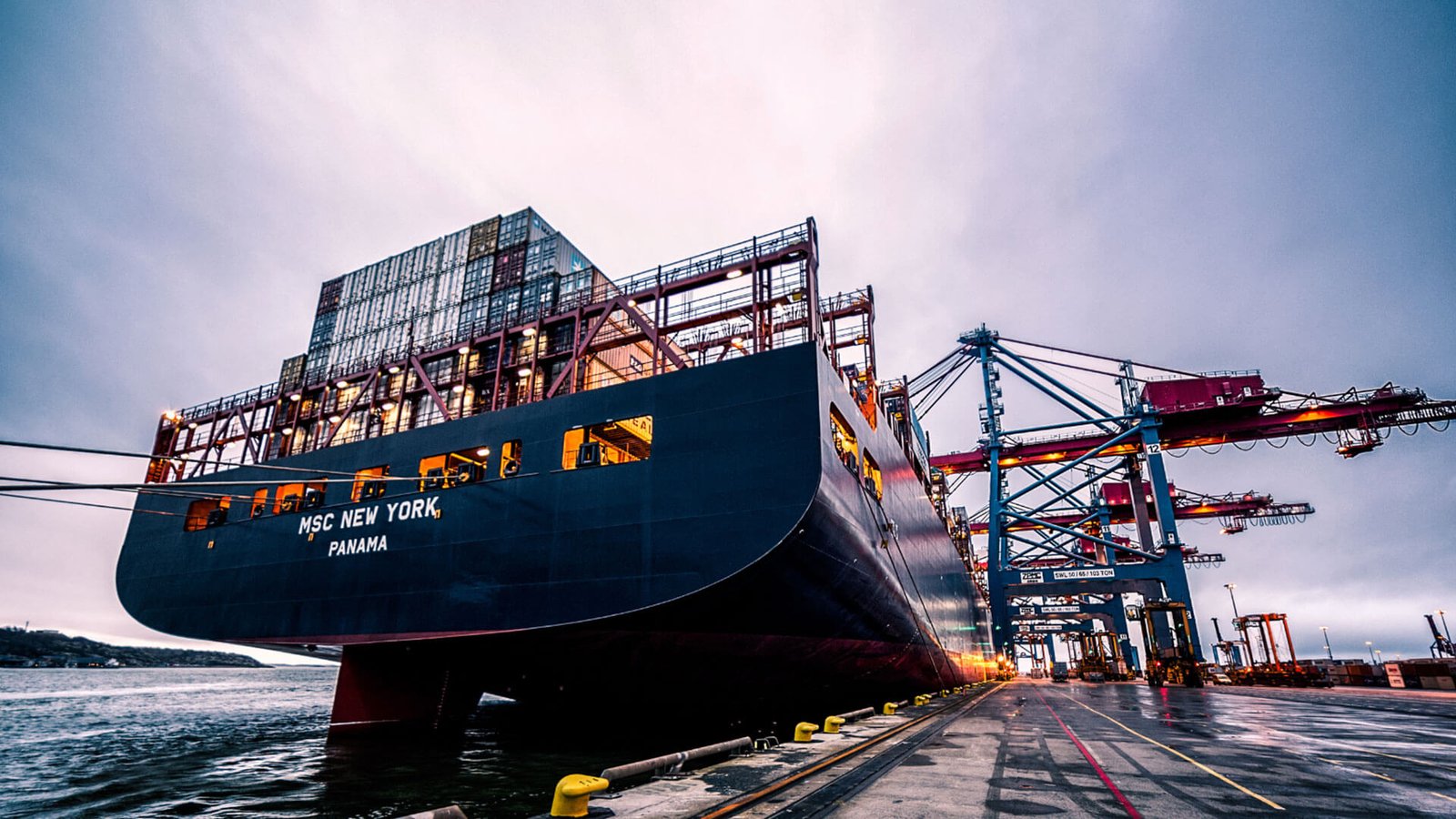
Based on the secondary headings, continue to extend and go deeper: To maximize FTA benefits, importers need to take a holistic approach to their supply chain. Here are some considerations:
-
Supplier Decisions: Choosing suppliers within FTA member countries can help meet the origin requirements. Importers may need to reevaluate their supplier network to align with FTA rules.
-
Production Locations: If possible, relocating production to an FTA member country can ensure compliance with the Rules of Origin. This strategic move can yield considerable savings.
-
Shipping Routes: Logistics must also align with the agreement's structure. Understanding how to optimize shipping routes12 can make a significant impact on the overall landed cost.
In short, simply qualifying for an FTA isn’t enough. Importers must align their entire operation with the FTA’s requirements to truly benefit from the duty savings.
Experienced freight forwarders14 and customs brokers15 help importers maximize FTA savings while minimizing compliance and audit risk?
The first paragraph: Navigating the complexities of FTAs is daunting. That’s where the experts come in.
Freight forwarders and licensed customs brokers15 help importers validate origin, manage documentation, file accurate entries, and respond to audits. Their expertise ensures FTA duty savings are captured correctly while reducing the risk of penalties, shipment delays, and costly post-entry corrections.
Based on the secondary headings, continue to extend and go deeper: For many importers, engaging with a customs broker or freight forwarder is not just beneficial; it's essential. Here’s how they can help:
-
Expertise in Documentation: Customs brokers understand the intricacies of required documentation. They ensure that all necessary paperwork is accurate and submitted on time.
-
Risk Management: Experienced brokers are skilled in identifying potential compliance risks. They help importers navigate these risks effectively to avoid audits and penalties.
-
Entry Filing: Filing accurate entries with U.S. Customs is crucial. Brokers ensure that all entries reflect the correct tariff classifications and FTA claims, minimizing the chance of errors.
In summary, leveraging the expertise of freight forwarders14 and customs brokers15 can safeguard your FTA benefits and streamline your import process.
Conclusion
Understanding FTAs is vital for U.S. importers. Proper compliance and documentation16 can lead to significant duty savings and lower costs.
Understanding Free Trade Agreements can help you save money on import duties by allowing qualifying goods to enter at reduced or zero tariff rates. ↩
Reducing import duties through FTAs can significantly lower your overall landed costs, making your business more competitive. ↩
Understanding tariff shift requirements can help you determine if your products qualify for FTA benefits, potentially saving on tariffs. ↩
Calculating regional value content accurately is essential for proving eligibility for FTA benefits and maximizing savings. ↩
Knowing if your goods are wholly obtained can simplify compliance with FTA rules and ensure you receive preferential tariffs. ↩
Avoiding duty clawbacks is vital as they can lead to substantial retroactive penalties, impacting your business financially. ↩
Understanding the risk of Customs audits can help you maintain compliance and avoid costly investigations and penalties. ↩
Accurate Harmonized Tariff classification is crucial for claiming FTA benefits and avoiding rejected claims or audits. ↩
Proper Customs entry filing ensures that your FTA claims are recognized, allowing you to benefit from reduced duties. ↩
Securing a valid FTA Certificate of Origin is essential for proving your product's eligibility for duty savings. ↩
Understanding how FTAs reduce total landed cost can help you make strategic supply chain decisions to maximize savings. ↩
Optimizing shipping routes according to FTA structures can reduce costs and improve compliance with origin requirements. ↩
Choosing the right production locations can help meet FTA requirements, leading to significant cost savings. ↩
Freight forwarders provide expertise in managing documentation and compliance, ensuring you capture FTA savings effectively. ↩
Customs brokers help navigate complex FTA requirements, reducing the risk of penalties and ensuring accurate entry filings. ↩
Proper compliance and documentation are key to unlocking FTA benefits, leading to significant duty savings and lower costs. ↩