The logistics world can be complex, and understanding in-bond shipments1 is crucial for U.S. importers looking to navigate duties and compliance efficiently.
An in-bond shipment allows imported cargo to move within the U.S. or to another country without paying duties, taxes, or fees at the first port of arrival. U.S. Customs and Border Protection2 permits this movement under a customs bond3 until the cargo reaches its final clearance destination.
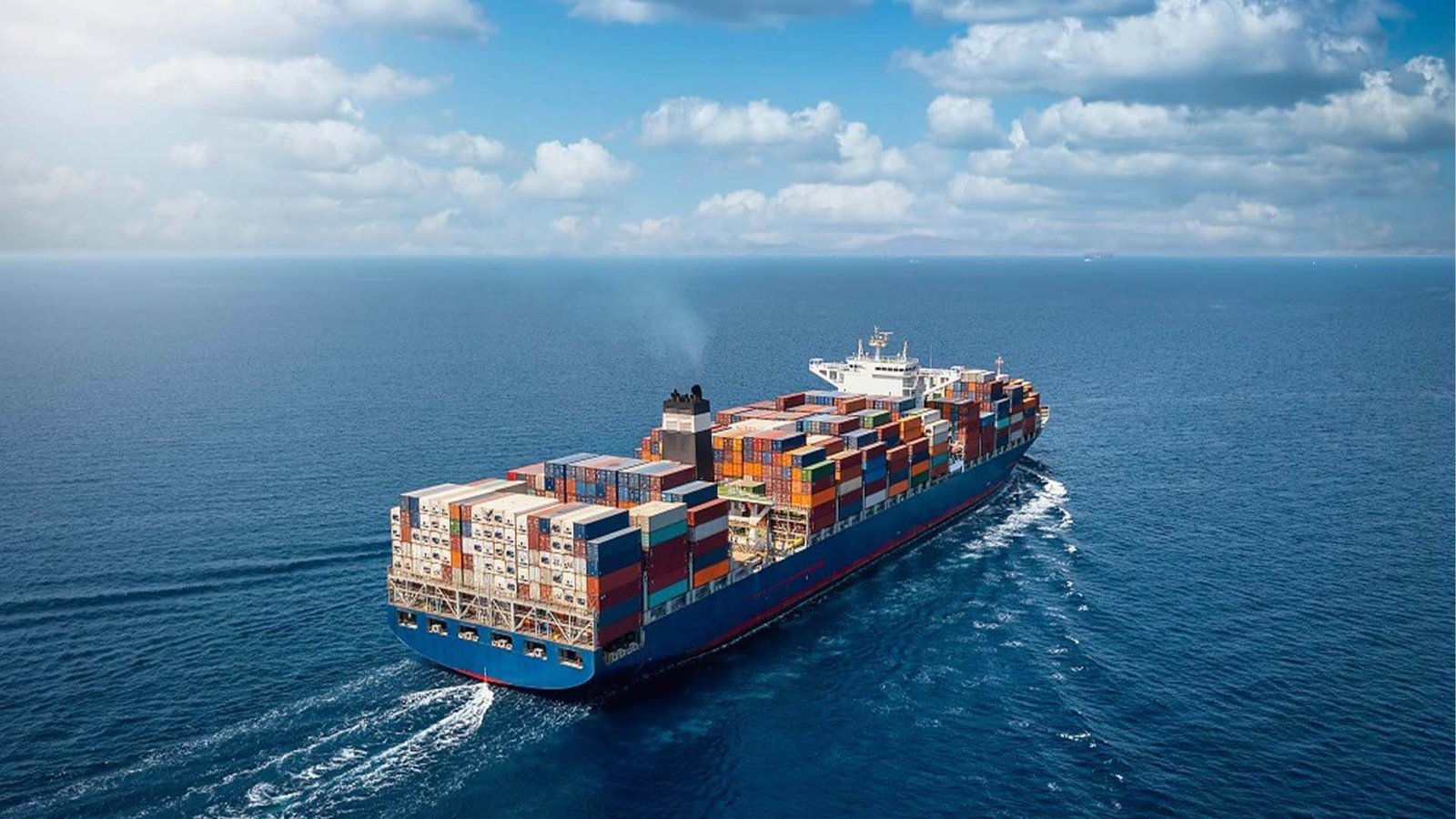
Navigating imports can feel overwhelming. In-bond shipments offer a unique solution, allowing cargo to move without upfront duties. Let’s explore why this strategy might be right for you.
What Is an In-Bond Shipment and How Does It Let Importers Move Cargo Without Paying Duties Upfront?
In-bond shipments allow importers to defer payment of duties at the first port of arrival. But what does that really mean?
When a shipment is classified as "in-bond," it signifies that it’s under the control of U.S. Customs and Border Protection2 (CBP). Importers can transport their goods while postponing duty payments until the cargo reaches its final destination. This can be particularly helpful for U.S. importers dealing with multiple distribution points4.
An example of this is when I helped a client who wanted to ship electronics from China to various U.S. hubs. Using an in-bond shipment allowed them to move their cargo without the immediate financial burden of duties. They could strategically decide where to clear customs based on better logistical and financial considerations.
In-bond shipments let you move goods without paying duties upfront. This flexibility is vital for managing cash flow and making strategic logistical choices.
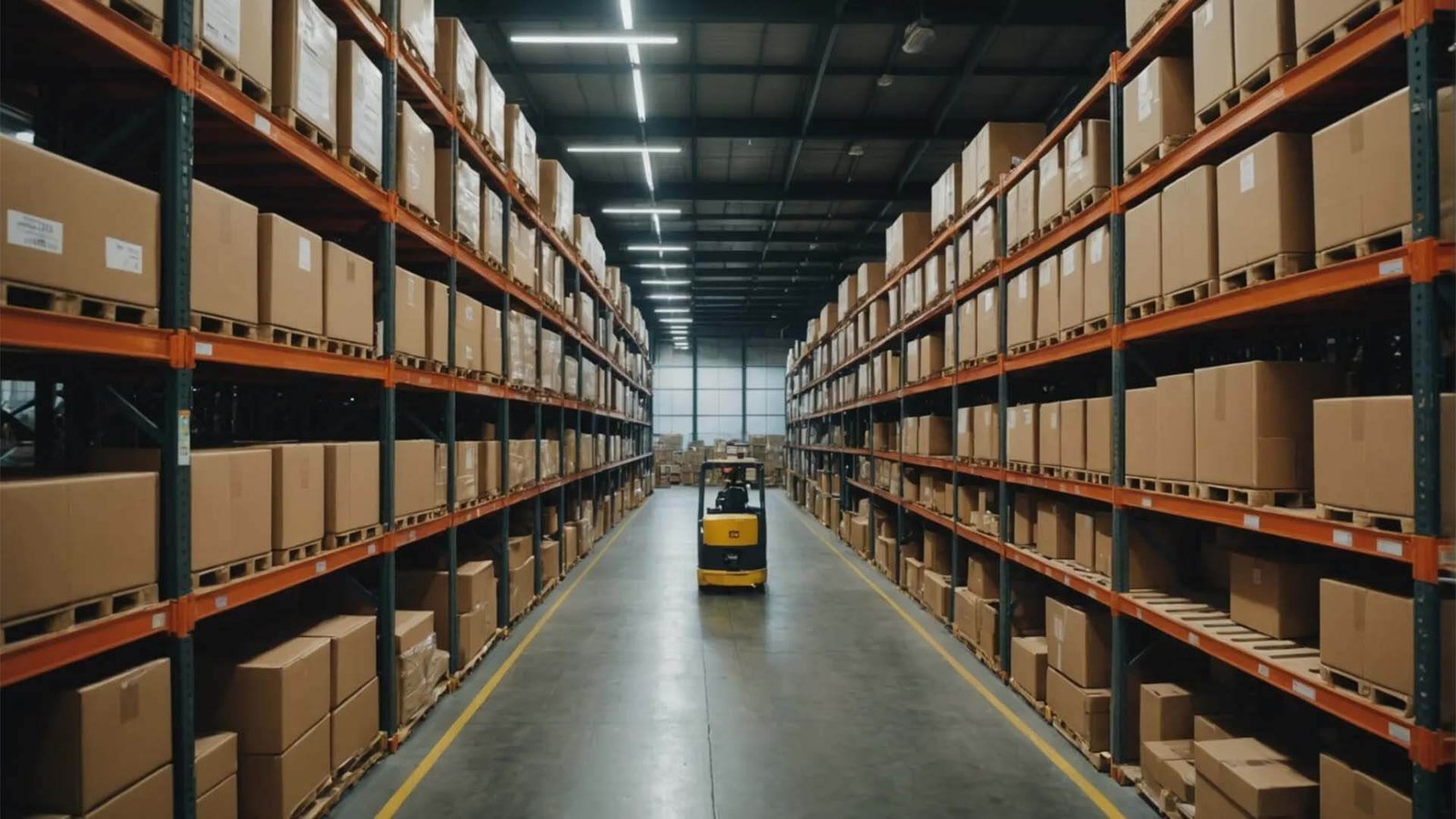
Understanding when to use in-bond shipments1 is crucial for optimizing your logistics strategy.
When Should a U.S. Importer Use an In-Bond Shipment Instead of Clearing Customs at First Port of Arrival?
Knowing when to opt for an in-bond shipment can save you time and money. There are specific scenarios where this choice becomes advantageous.
U.S. importers typically use in-bond shipments1 in situations where the first port of arrival is not the final destination. If there is a significant distance between the arrival port and the intended destination, or if the path to the final clearance point is congested, using in-bond shipments1 makes sense. This is especially true for goods that may need to move to an inland port or a foreign trade zone (FTZ)5.
For instance, I once worked with a client whose cargo arrived in Los Angeles but was destined for a warehouse in Chicago. By employing an in-bond shipment, they avoided immediate clearance at the port, reducing storage fees and giving them more time to plan their distribution.
In-bond shipments are best used when immediate clearance isn't efficient due to location or compliance risks. They are ideal for inland ports and multi-location strategies.

Let’s now delve into the various types of in-bond shipments1 available and which might fit your needs.
What Are the Different In-Bond Types (IT, T&E, IE) and Which One Fits Your Import Strategy?
Understanding the types of in-bond shipments1 is essential for compliance and operational efficiency.
The three main types of in-bond shipments1 include IT (Immediate Transportation), T&E (Transportation and Exportation), and IE (Immediate Exportation). Each serves a different purpose:
- IT is used when cargo is moving to another location within the U.S. before customs clearance.
- T&E allows cargo to be transported for export while staying under CBP control.
- IE is when goods are immediately sent out of the U.S. without entering the domestic market.
For example, a client I assisted had a shipment of luxury goods meant for re-export to Europe. They chose the T&E option, which allowed them to transport the goods without incurring duties while ensuring compliance with U.S. customs regulations.
Selecting the right in-bond type is crucial for aligning with your import strategy. IT, T&E, and IE each serve distinct purposes and require careful consideration.

Understanding how in-bond shipments1 can alleviate cash-flow pressures is vital for any importer.
How Do In-Bond Shipments Reduce Cash-Flow Pressure, Compliance Risk, and Port Congestion Costs?
In-bond shipments provide significant benefits, such as reduced cash-flow pressure and compliance risks.
By deferring duty payments, importers can navigate financial obligations more effectively. For instance, if your cargo isn’t ready for clearance due to missing documentation, in-bond status allows you to avoid unnecessary port storage fees. This flexibility is crucial in ensuring that importers can resolve issues like classification or valuation before having to pay duties.
I recall a situation where a client faced delays in product certification. Using an in-bond shipment helped them avoid immediate duty payments, allowing them the time necessary to secure the required documents without incurring additional costs.
In-bond shipments provide the ability to defer duties, avoid storage fees, and reduce compliance risks, allowing for more strategic decision-making.
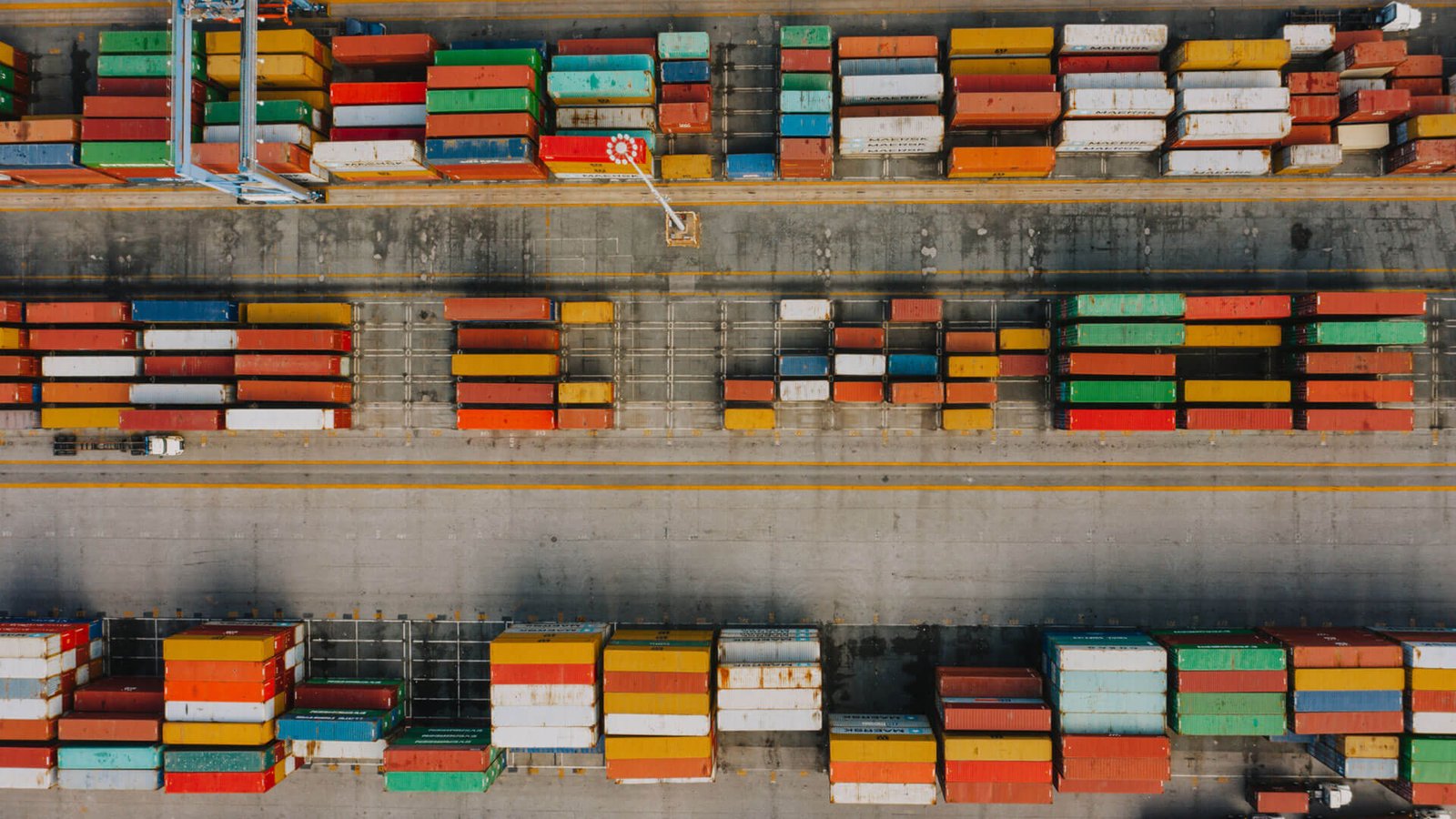
While in-bond shipments1 offer numerous benefits, it is also essential to consider the potential risks involved.
What Are the Common In-Bond Shipment Risks, Fees, and CBP Penalties—and How Can Importers Avoid Them?
In-bond shipments come with certain risks, including bond expiration6, incorrect reporting, and potential penalties from CBP.
If cargo is not properly closed, the importer may face significant penalties. Additionally, cargo must be tracked closely to ensure it reaches its final destination within the required time frame. To mitigate these risks, I recommend using experienced customs brokers7 who can help manage the complexities of in-bond processes and keep you informed of deadlines.
For instance, I had a client who neglected to track their in-bond shipment and ended up missing a crucial deadline. By employing a skilled broker in the future, they avoided penalties and ensured all paperwork was filed correctly.
Common risks include bond expiration6 and reporting errors. Experienced brokers can help you track deadlines and manage compliance effectively.
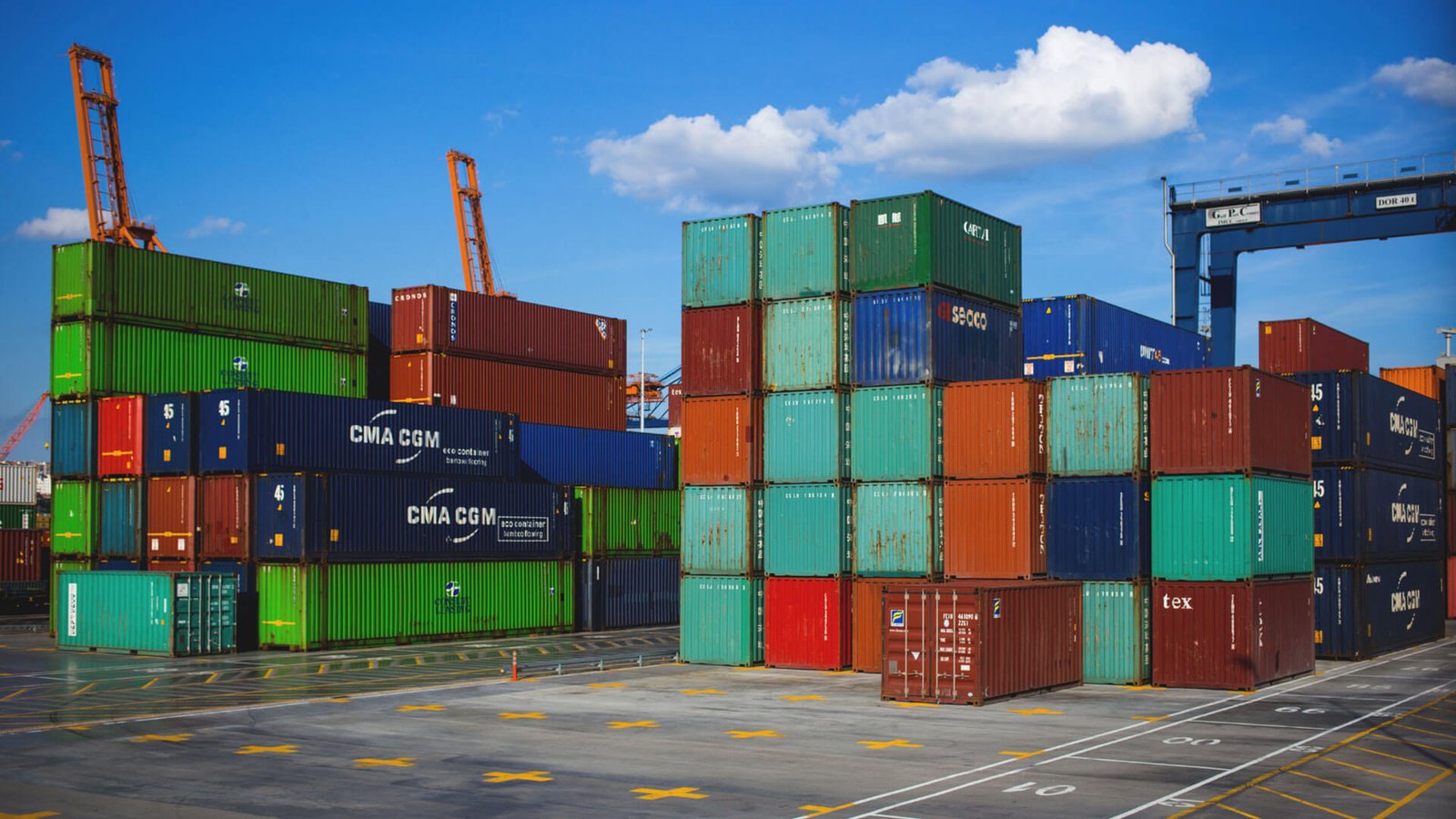
Finally, let’s look at how a freight forwarder8 and customs broker can manage in-bond shipments1 from arrival to final clearance.
How an End-to-End Freight Forwarder and Customs Broker Manages In-Bond Moves From Arrival to Final Clearance
An experienced freight forwarder8 and customs broker is indispensable for managing in-bond shipments1.
They coordinate in-bond filings, manage carrier transfers, and ensure the cargo moves under CBP control until final customs entry. This comprehensive approach not only ensures compliance with CBP rules but also minimizes delays, allowing importers to concentrate on inventory planning rather than customs risk management.
For example, after partnering with a freight forwarder8 for my clients, we monitored the entire in-bond process—from filing to final clearance. This proactive approach ensured that all documentation was handled accurately, reducing the likelihood of delays or fines.
An end-to-end logistics partner can streamline the in-bond process, ensuring compliance and allowing you to focus on your core business operations.
Conclusion
In-bond shipments provide a strategic option for U.S. importers to manage logistics while deferring duties and reducing risks.
Understanding in-bond shipments is essential for importers to manage logistics efficiently and defer duties, making it a crucial strategy for cost management. ↩
Knowing the role of U.S. Customs and Border Protection helps importers comply with regulations and avoid penalties during in-bond shipments. ↩
A customs bond is vital for securing the movement of goods under CBP control, ensuring compliance and financial security for importers. ↩
In-bond shipments allow importers to strategically manage logistics across various locations without immediate duty payments. ↩
Utilizing FTZs with in-bond shipments can optimize logistics and reduce costs, offering strategic advantages for importers. ↩
Avoiding bond expiration is crucial to prevent penalties and ensure the smooth movement of goods under CBP control. ↩
Customs brokers help navigate complex regulations, ensuring compliance and reducing the risk of errors in in-bond shipments. ↩
Freight forwarders streamline the in-bond process, ensuring compliance and minimizing delays, allowing importers to focus on core operations. ↩