Freight solutions can be confusing. You want to save money while ensuring your goods arrive on time. Understanding how to choose the right freight options simplifies the process.
A “freight solution1” is the combination of shipping mode, service level, and provider model2 that fits your shipment profile3. Importers4 should start with cargo type5, dimensions/weight, shipment volume, delivery deadline6, and Incoterms responsibility7. Matching these factors to the correct service avoids the most common problem: paying too much for speed—or losing money to delays.
Freight shipping is a crucial aspect of import operations. The right choice can save you time and money. Mapping your shipment profile3 to the correct mode and service level is the first step in achieving efficient logistics.
Define freight solution1s by mapping your shipment profile8 (cargo type5, volume, frequency, Incoterms, and delivery deadline6) to the right mode and service level?
Freight solutions encompass various elements of shipping that must align with your needs. It is vital to consider your cargo type5, volume, frequency, Incoterms, and delivery deadline6s when selecting a freight service. This approach ensures you choose the best option for your business.
A freight solution1 combines your shipment profile3 with the correct shipping mode and service level. Consider cargo type5, dimensions, weight, shipment volume, delivery deadline6, and Incoterms responsibilities. Mapping these factors helps avoid overpaying for speed or suffering from delays.
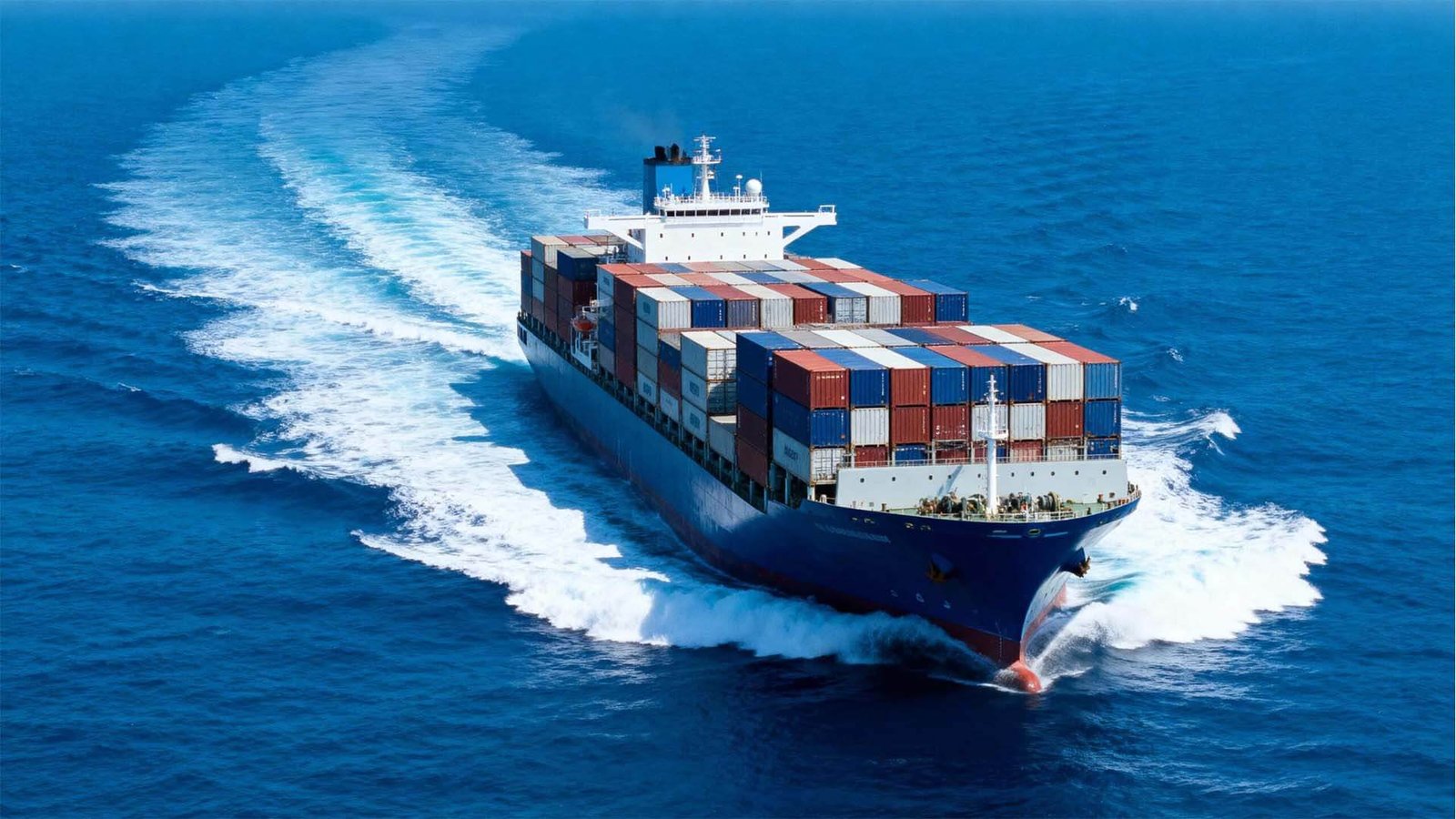
Understanding your specific requirements is essential. This profiling checklist can help you identify what you need for a successful shipment:
Importer Shipment Profile Checklist:
- Product type (hazmat? regulated?)
- Value per kg
- Cube utilization
- Lead time tolerance
- Shipment frequency
- Destination type (port/DC/FBA)
- Incoterms (FOB/EXW/DDP)
- Seasonality
| Shipment Profile | Best Mode | Best Service Level | Risk Note |
|---|---|---|---|
| Urgent replenishment | Air freight | Expedited | Higher cost, risk of stockout |
| High-value electronics | Ocean FCL | Standard | Requires careful handling |
| Bulky low-value goods | Ocean LCL | Standard | Cost-effective, longer transit |
| Stable repeat replenishment | Rail intermodal | Standard | Reliable, cost-efficient |
| Amazon FBA inbound | Truckload (FTL) | Expedited | Must meet strict delivery times |
Compare the main freight options importers use—ocean FCL/LCL, air freight, rail intermodal, and truckload/LTL—based on total landed cost9 and transit reliability10?
Choosing the right freight method affects your bottom line. Different modes offer a mix of cost, speed, and reliability.
Freight modes differ most in cost, speed, and variability. Ocean freight (FCL/LCL) is lowest cost but higher time variability; air is fastest but expensive; rail intermodal balances cost and sustainability for domestic lanes; truckload/LTL offers flexible inland coverage. Importers4 should choose based on total landed cost9, stockout risk, and transit reliability10.
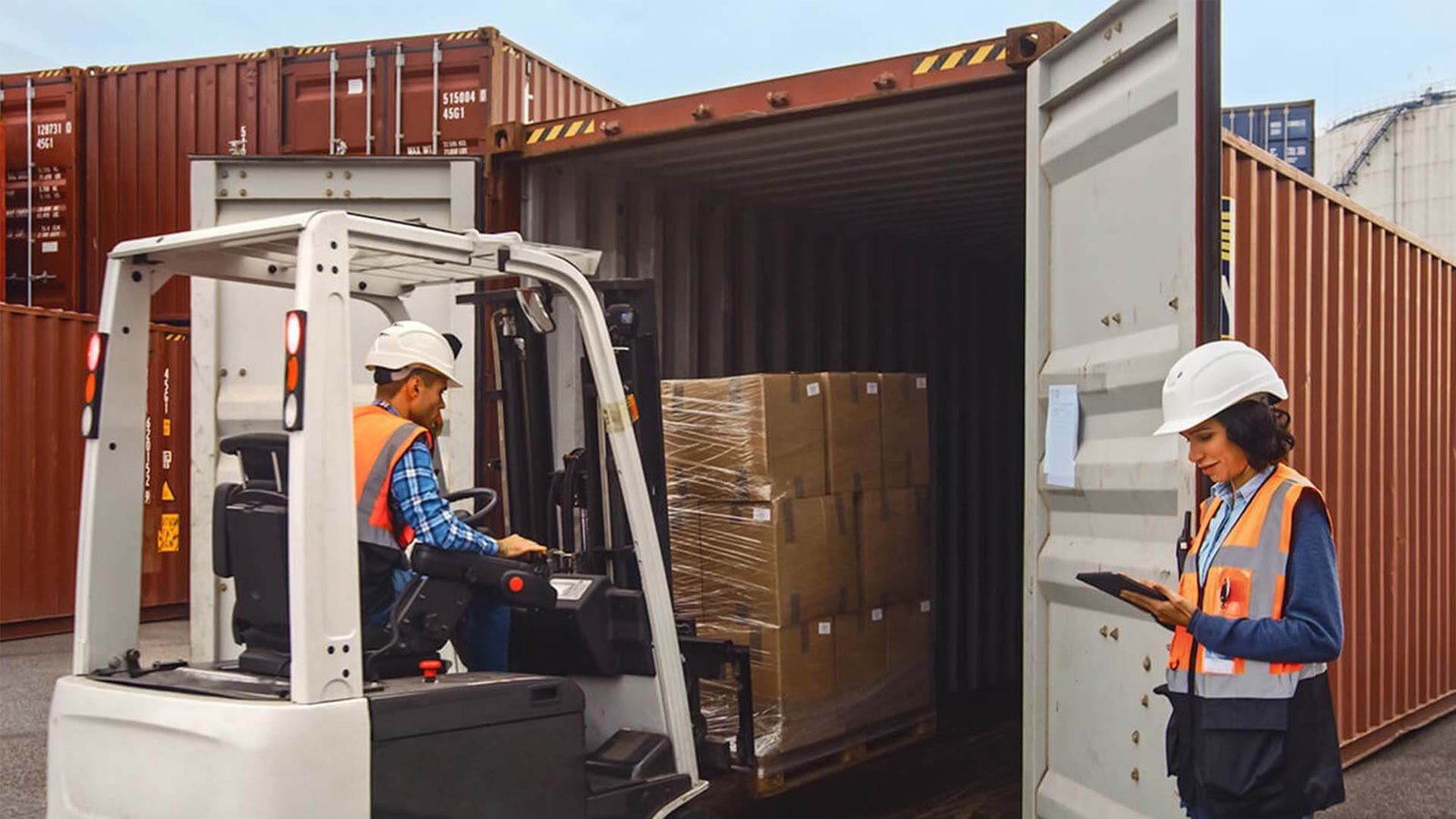
Understanding these options is key to making informed decisions.
| Mode | Best For | Cost Level | Transit Time | Reliability | Hidden Costs |
|---|---|---|---|---|---|
| Ocean FCL | Large, uniform shipments | Low | 20-40 days | Moderate | Port fees, delays |
| Ocean LCL | Small, varied shipments | Moderate | 25-50 days | Low | Consolidation fees |
| Air freight | Urgent shipments | High | 1-5 days | High | Airport fees |
| Rail Intermodal | Long domestic distances | Moderate | 5-15 days | Moderate | Terminal fees |
| Truckload (FTL) | Full truckloads | Moderate | 1-5 days | High | Detention fees |
| LTL / Parcel | Small shipments | Moderate | 2-7 days | Moderate | Accessorial charges |
Rule of Thumb:
- Air = Protect revenue / Avoid stockout
- LCL = Small volume + Flexible replenishment
- FCL = Stable volume + Lowest unit cost
- Rail/Intermodal = Inland cost reduction on long distances
- FTL/LTL = Execution speed after customs release
Choose the right provider model2 (freight forwarder11 vs carrier vs broker vs 3PL) and explain when each one is best for U.S. import operations?
Choosing the right provider model2 is crucial.
Selecting a provider model2 is as essential as choosing the mode. A freight forwarder11 manages international shipping, consolidation12, and documentation; a carrier moves cargo; a broker secures trucking capacity; and a 3PL manages warehousing and fulfillment. Importers4 should select based on shipment complexity, need for customs coordination, and how much control they want over routing and cost.
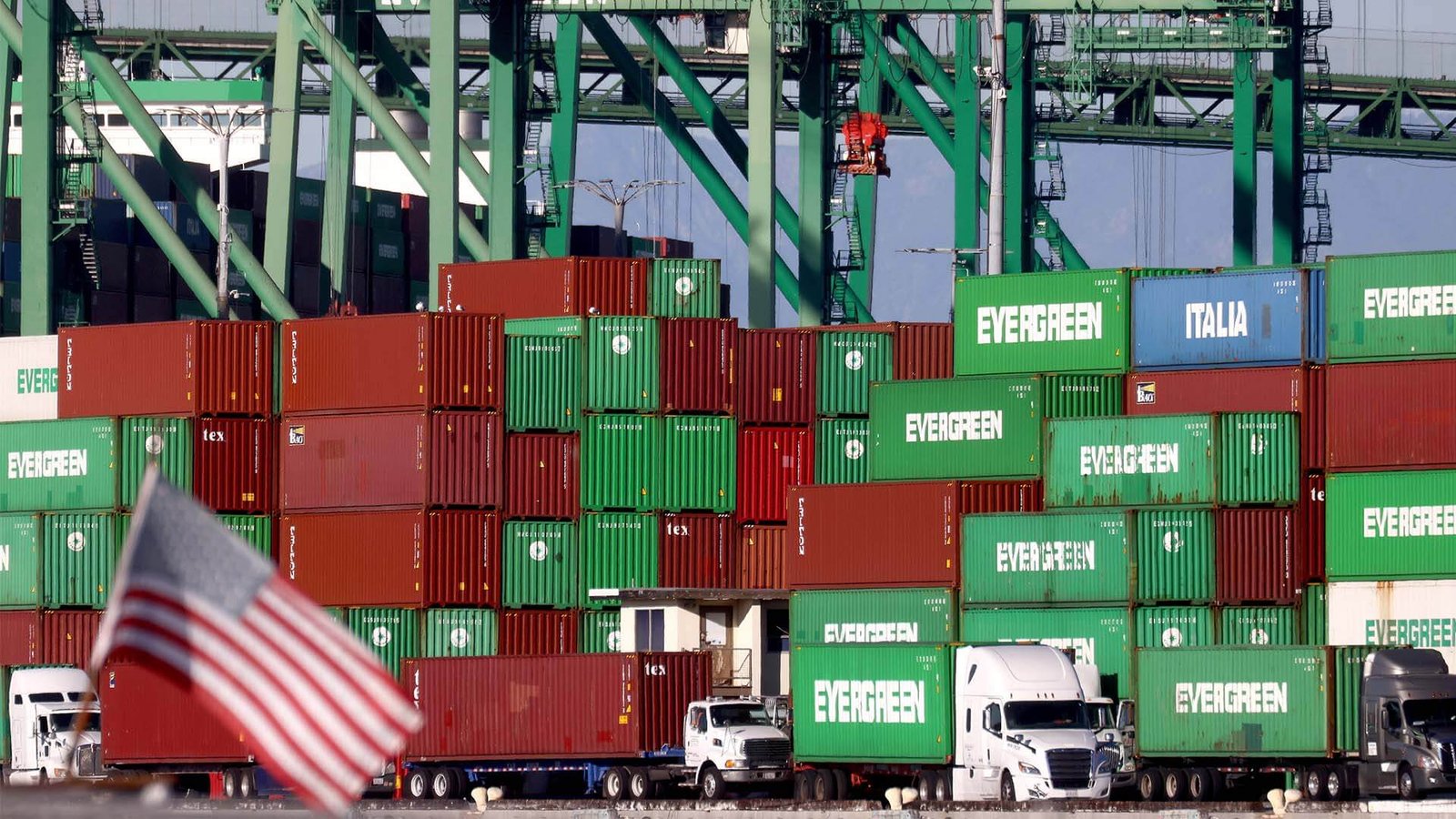
Understanding these roles can help streamline your operations.
| Provider Type | Best For | Pros | Cons | Importer Risk if Misused |
|---|---|---|---|---|
| Carrier | Direct shipping | Direct control | May lack flexibility | Higher shipping delays |
| Freight Forwarder | Complex international | Full service | Higher costs | Miscommunication issues |
| Broker | Trucking capacity | Cost-effective | Limited oversight | Capacity issues |
| 3PL | Fulfillment services | Scalability | Potentially less control | Increased handling errors |
| Managed Transportation | Comprehensive control | Integrated approach | Higher management overhead | Coordination failures |
Importer Reality
- Importers4 often need a combination of provider model2s for efficiency.
- The best model reduces handoff failures and improves accountability.
Show how to get better freight pricing without sacrificing performance by using rate benchmarking13, consolidation12, contract strategy, and accessorial fee control14?
Navigating freight pricing can be challenging.
The cheapest freight quote is rarely the lowest landed cost. Importers4 improve pricing by benchmarking lanes, consolidating shipments, using the right contract vs spot strategy, and controlling accessorial fees like detention, demurrage, chassis, redelivery, and storage. A pricing playbook focuses on predictable delivery and fewer exceptions—not just base rate discounts.

Here’s how to keep your costs in check:
Freight Pricing Control Checklist:
- Lane benchmarking
- Consolidation rules
- Min/max rate targets
- Contract allocation plan
- Surcharge monitoring
- Accessorial SOP
- Invoice audit process
- Monthly savings report
| Cost Type | Why It Happens | Prevention Control |
|---|---|---|
| Detention/Demurrage | Delays in pickup or delivery | Set clear pickup/delivery windows |
| Storage | Delays in customs or drayage | Maintain close communication |
| Chassis Fees | Extended use of a chassis | Plan drayage efficiently |
| Reweigh/Reclass | Misclassification or weight discrepancies | Train staff on accurate documentation |
| Exam Fees | Customs inspections | Ensure compliance with regulations |
| Re-delivery | Unsuccessful delivery attempts | Verify addresses before shipping |
| Accessorial Fees | Additional services requested by carriers | Negotiate terms upfront |
Build an end-to-end execution plan15 (supplier pickup → export → freight → U.S. customs → drayage → 3PL/DC → final delivery) with KPI tracking16 and exception management17?
Execution is crucial in freight operations.
A freight solution1 is only successful when executed end-to-end. Importers4 should map the workflow from supplier pickup through export documentation, main transport, customs release, drayage, and DC receiving. KPI tracking16 (OTD, dwell time, clearance time, accessorial rate) plus exception playbooks reduce late deliveries, fees, and customer disruptions.

Here’s a typical workflow for imports:
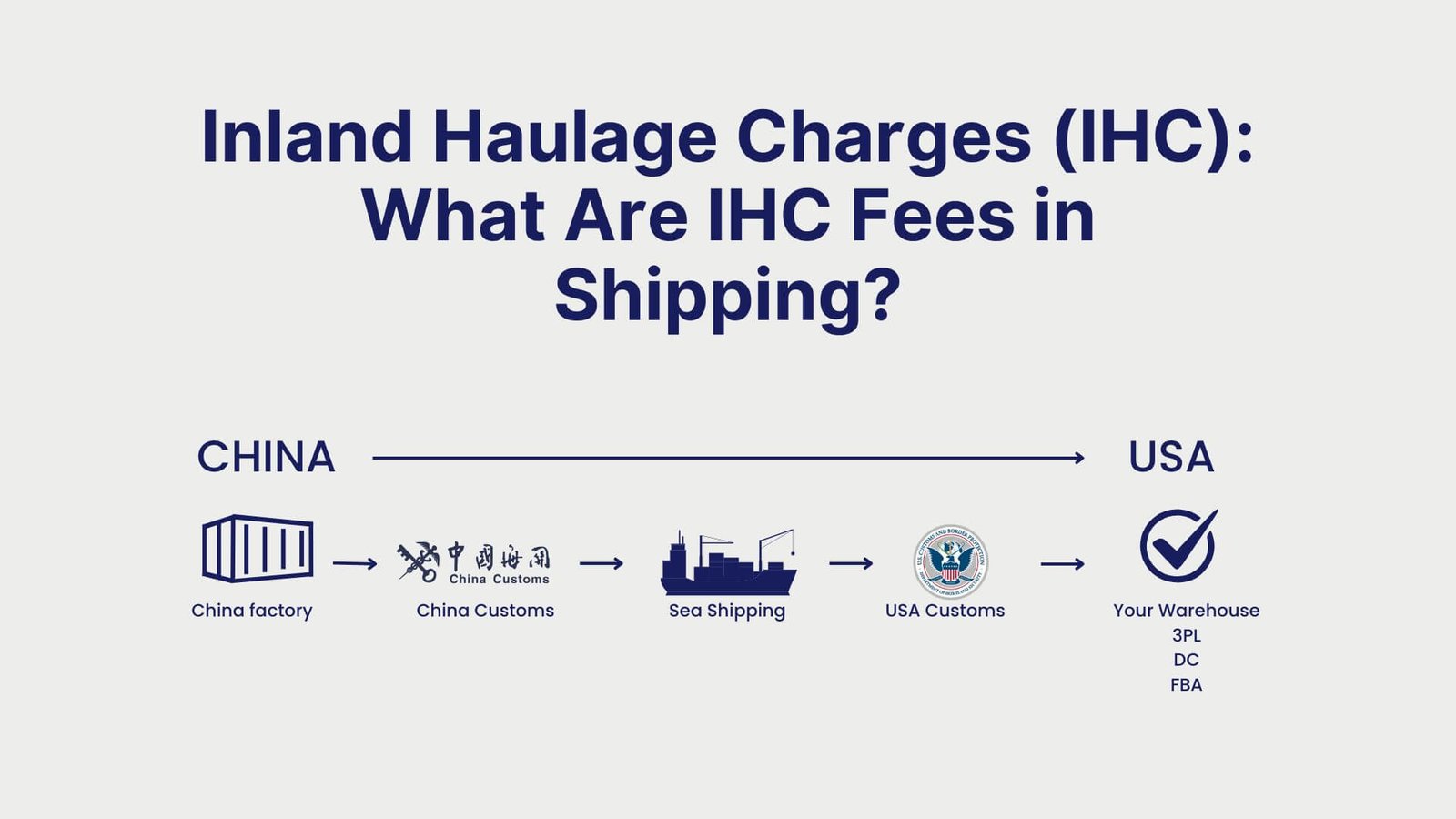
- Supplier → Pickup → Export Docs → Main Freight → U.S. Arrival → Customs Clearance → Drayage/Linehaul → 3PL/DC Receiving → Final Delivery
| KPI | Definition | Target | Corrective Action |
|---|---|---|---|
| On-time delivery (OTD) | Percentage of on-time shipments | 95% | Investigate delays, adjust processes |
| Transit variance | Difference from expected ETA | < 24h | Review routes, adjust carrier options |
| Port dwell time | Time spent at port | < 48h | Streamline documentation, improve planning |
| Customs clearance cycle time | Time taken for customs process | < 24h | Improve paperwork accuracy |
| Accessorial fee rate | Percentage of extra charges | < 5% | Monitor and audit invoices |
| Damage/claims rate | Percentage of damaged goods | < 1% | Train handling practices |
| Cost per CBM/kg/unit | Shipping cost efficiency | Competitive | Analyze shipping patterns, renegotiate rates |
Exception Management Playbook
- Delay alerts
- Priority SKUs flagged
- Alternate routing triggers
- Broker escalation
- Drayage appointment recovery
- Inventory reallocation
Conclusion
Understanding freight solution1s can be the key to optimizing your import operations. I invite you to request a shipment profile analysis18//www.fedex.com/shippingplus/en-us/guest)3 analysis, mode recommendation, landed-cost comparison, or end-to-end workflow with KPI dashboard setup. Let’s streamline your logistics and enhance efficiency.
Understanding freight solutions helps you choose the right shipping mode, service level, and provider model for your shipment profile. ↩
Choosing the right provider model, like freight forwarder or 3PL, can streamline operations and reduce costs. ↩
Creating a detailed shipment profile ensures you select the best freight options, avoiding unnecessary costs and delays. ↩
Importers need to consider factors like cargo type, volume, and delivery deadlines to select the best freight options. ↩
Knowing your cargo type is crucial for selecting the appropriate shipping mode and service level, ensuring cost-effectiveness and timely delivery. ↩
Managing delivery deadlines effectively can prevent costly delays and ensure your goods arrive on time. ↩
Understanding Incoterms responsibilities helps you manage costs and risks associated with international shipping agreements. ↩
Mapping your shipment profile to the correct freight mode ensures efficient logistics and cost savings. ↩
Calculating the total landed cost helps you understand the true cost of shipping, including hidden fees and risks. ↩
Ensuring transit reliability is crucial for maintaining supply chain efficiency and meeting delivery deadlines. ↩
A freight forwarder manages international shipping, offering full service and handling complex logistics. ↩
Consolidation can reduce shipping costs by combining smaller shipments into one, optimizing logistics. ↩
Rate benchmarking helps you compare prices and secure better freight rates without sacrificing performance. ↩
Controlling accessorial fees helps prevent unexpected costs and keeps your shipping budget in check. ↩
An end-to-end execution plan ensures smooth operations from supplier pickup to final delivery, reducing delays. ↩
Tracking KPIs like on-time delivery and transit variance helps improve shipping efficiency and performance. ↩
Exception management helps address unexpected issues in shipping, ensuring timely and cost-effective deliveries. ↩
A shipment profile analysis helps identify the best freight solutions, optimizing logistics and reducing costs. ↩