The logistics landscape can be complicated. Many U.S. importers1 face challenges when deciding to outsource logistics. This guide simplifies the process into six actionable steps.
Outsourcing logistics successfully involves defining what to outsource2, choosing the right model3, and establishing strong SLAs4. This guide outlines steps to help importers make informed decisions while controlling costs.

Effective outsourcing begins with understanding your logistics needs5. Without a clear picture, you risk missing the mark.
Define what to outsource (freight, customs broker6age, warehousing, fulfillment, returns) by auditing your current logistics pain points and true landed cost7?
Successful outsourcing starts with clarity: what functions you’re outsourcing and what “good” performance looks like. Importers should audit their current logistics workflow, identify the true drivers of landed cost, and quantify service failures (delays, stockouts, errors, accessorial fees). This prevents outsourcing the wrong function or solving the wrong problem.

To kickstart this process, consider the following table to audit your logistics:
| Area | Current state | Cost impact | Service impact | Fix priority |
|---|---|---|---|---|
| inbound freight | ||||
| customs clearance | ||||
| drayage | ||||
| warehousing | ||||
| fulfillment | ||||
| returns |
As you audit, use this “true landed cost7” checklist to guide your analysis:
- base freight
- port fees
- detention/demurrage
- exams
- drayage
- receiving delays
- rework labor
- chargebacks
- customer SLA penalties
Choose the right outsourcing model (3PL8 vs freight forwarder9 vs managed transportation/control tower10) based on shipment complexity and service requirements?
Not all outsourcing partners solve the same problem. A freight forwarder9 controls international shipping and documentation flow; a customs broker6 controls clearance; a 3PL8 runs warehousing and fulfillment; and a managed transportation/control tower10 governs execution across carriers and nodes. Importers should select the model based on complexity, volume, and the need for visibility and accountability.

Here’s a decision matrix to help you choose:
| Model | Best for | Pros | Cons | Importer risk |
|---|---|---|---|---|
| forwarder | Global shipping | Expertise in international trade | Limited control over end delivery | High if delays occur |
| broker | Customs clearance | Navigates regulations | Fees may add up | Medium |
| 3PL8 | Warehousing/fulfillment | Comprehensive service offerings | Less control over logistics | High if performance drops |
| managed transportation/control tower10 | Complex operations | Full visibility and control | Higher costs | Medium |
| hybrid (forwarder+broke+3PL8) | Varied needs | Best of all worlds | Complexity in management | High if not managed well |
Outsourcing fails when scope and SLAs are vague. Importers should define responsibilities, handoffs, cut-off times, escalation rules, and performance standards before signing. The SLA must include measurable KPI12s (OTIF, cycle time, accuracy) plus cost protections that prevent surprise charges like storage, rework, detention, and redelivery.

Here’s a framework for your SLA and KPI12:
| KPI12 | Definition | Target | Reporting cadence | Penalty / remedy |
|---|---|---|---|---|
| OTIF | On-time, in-full deliveries | 95% | Monthly | Fee reduction |
| inventory accuracy | Correct inventory levels | 98% | Monthly | Rework charge |
| order cycle time | Time from order to delivery | 3 days | Monthly | Fee reduction |
| claims/damage rate | Damage percentage | <1% | Monthly | Fee reduction |
| dock-to-stock time | Time from receiving to stocking | 24 hrs | Monthly | Fee reduction |
| customs clearance cycle time | Time from entry filing to clearance | 2 days | Monthly | Fee reduction |
| accessorial spend rate | Total accessorial charges | <5% | Monthly | Fee reduction |
To avoid hidden costs, add this protection table:
| Fee type | Why it happens | Contract control clause | Operational prevention |
|---|---|---|---|
| storage | Delays in pickup | Specify storage limits | Timely pick-up of shipments |
| rework/relabeling | Incorrect labeling | Define labeling standards | Provide proper labeling protocols |
| appointment failures | Missed delivery windows | Set penalties | Confirm appointments ahead |
| detention/demurrage (if managed) | Delays in return of equipment | Define timelines | Regular tracking of returns |
| project fees | Unexpected additional services | Limit project scope | Define project boundaries |
| minimum billing traps | Incurred minimum charges | Set explicit minimums | Clear communication of needs |
Run a structured vendor selection process13 (RFP scorecard14, site audits, systems capability, compliance history) instead of choosing the cheapest quote?
The lowest quote often becomes the highest total cost after errors, delays, and fees. Importers should run an RFP that evaluates operational fit: network coverage, service capability, systems integration, compliance history, capacity stability, and customer references. A scorecard approach ensures vendors are chosen for total performance—not pricing alone.

Here’s an RFP scorecard14 to guide your selection:
| Category | Weight % | Questions | Evidence required |
|---|---|---|---|
| operations capability | 30% | What is your capacity? | Performance metrics |
| network coverage | 25% | Where do you operate? | Service maps |
| systems/visibility (WMS/TMS/EDI/API) | 20% | What systems do you use? | System documentation |
| compliance + audit readiness | 15% | Have you passed audits? | Audit reports |
| cost transparency | 10% | Are all fees disclosed? | Fee schedule |
| scalability (peak season) | 10% | How do you handle spikes? | Historical data |
| customer support SLA | 15% | What is your support offer? | Support logs |
| references + site visit results | 10% | Can you provide references? | Contact lists |
For site audits, ensure you evaluate:
- dock workflow
- inventory controls
- labeling accuracy
- exception handling
- labor plan
- IT security
- KPI12 reporting examples
Execute a clean transition plan15 (data onboarding, SOPs, EDI/API integration, cutover timeline, exception playbooks) to avoid disruptions and delays?
Transition is where outsourcing projects fail. Importers should treat cutover like a controlled rollout: master data onboarding, SOP training, EDI/API testing, inventory reconciliation, and exception playbooks. A phased migration (pilot lanes/SKUs first) reduces risk while the provider proves performance before full-scale rollout.

Here’s a checklist for your transition:
| Task | Owner | Timeline | Completion proof |
|---|---|---|---|
| data onboarding (SKUs, carton dims, addresses) | |||
| SOP creation + training | |||
| EDI/API integration testing | |||
| inventory reconciliation and cycle count baseline | |||
| carrier onboarding and routing guide | |||
| pilot launch + KPI12 monitoring | |||
| full cutover |
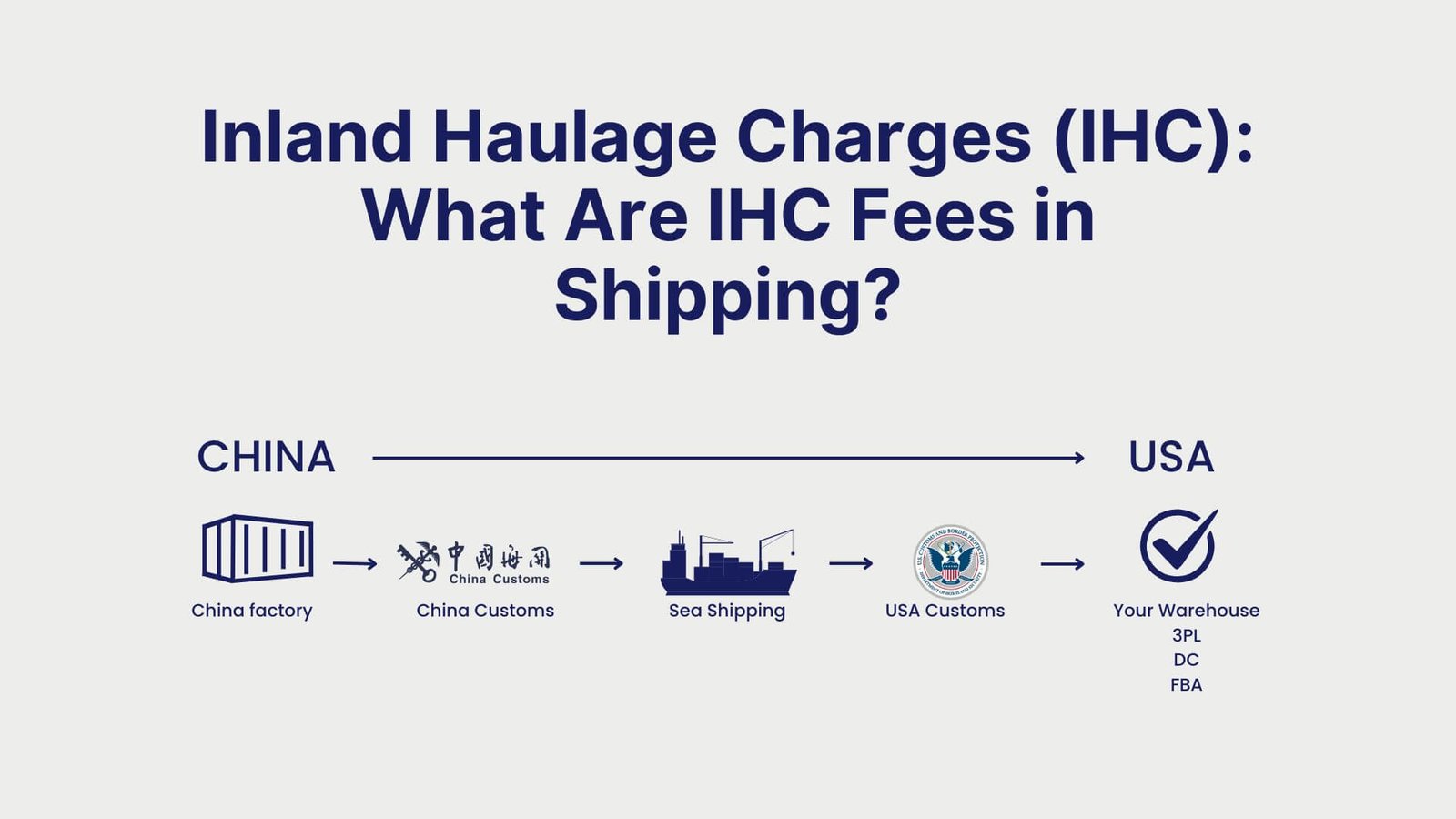
Workflow overview: Supplier → Freight/Forwarder → Customs → Drayage → 3PL8/DC Receiving → Fulfillment → Delivery → Returns
Govern performance after launch using KPI dashboards16 dashboards, quarterly business reviews17, continuous improvement targets, and a clear exit plan18 to reduce risk long-term?
Outsourcing only works long-term when performance is governed. Importers should run weekly KPI dashboards16 dashboards, monthly issue reviews, and quarterly business reviews17 (QBRs) to drive continuous improvement. A clear exit plan18—data portability, operational handoff, and transition support—protects the business if service levels drop or strategy changes.

Here’s a governance dashboard to manage performance:
| KPI12 group | KPI12 | Target | Owner | Action trigger |
|---|---|---|---|---|
| cost | Total logistics cost | <5% | Review if exceeded | |
| service | OTIF | 95% | Discuss at QBR | |
| accuracy | Inventory accuracy | 98% | Investigate discrepancies | |
| compliance | Regulatory compliance | 100% | Immediate review | |
| customer experience | Customer satisfaction rating | 80% | Address complaints |
To ensure a smooth exit, use this checklist:
- contract notice period
- data export requirements
- inventory transfer plan
- WMS/Warehouse transition SOP
- carrier/broker reassignment
- customer service scripts
Conclusion
Outsourcing logistics is complex but manageable. A structured approach ensures importers can successfully navigate the process and minimize risks. Interested in learning more? Request an outsourcing readiness assessment, RFP setup support, or a transition roadmap today.
Understanding the specific challenges U.S. importers face can help tailor logistics solutions to their needs. ↩
Knowing how to define outsourcing needs ensures that businesses focus on core competencies and improve efficiency. ↩
Selecting the right outsourcing model is crucial for aligning logistics operations with business goals. ↩
Strong SLAs ensure accountability and performance standards are met, reducing risks and improving service quality. ↩
Assessing logistics needs helps in making informed decisions and avoiding unnecessary outsourcing. ↩
A customs broker ensures compliance with regulations, which is vital for smooth international trade. ↩
Understanding true landed cost helps in accurately assessing the total cost of logistics operations. ↩
3PLs offer comprehensive logistics solutions, which can enhance efficiency and reduce costs. ↩
Knowing the services of a freight forwarder helps in deciding if they are the right partner for your logistics needs. ↩
Understanding managed transportation helps in gaining full visibility and control over logistics operations. ↩
Defining the outsourcing scope ensures clarity in responsibilities and expectations, reducing misunderstandings. ↩
KPIs help in measuring the performance and success of logistics operations, ensuring continuous improvement. ↩
A structured vendor selection process ensures that the best partner is chosen for logistics needs. ↩
An RFP scorecard helps in objectively evaluating potential vendors based on performance and capabilities. ↩
A well-executed transition plan minimizes disruptions and ensures a smooth changeover to outsourced logistics. ↩
KPI dashboards provide real-time insights into logistics performance, aiding in decision-making and improvements. ↩
Quarterly business reviews help in assessing performance, addressing issues, and planning for future improvements. ↩
An exit plan ensures a smooth transition if the outsourcing relationship ends, protecting business continuity. ↩