Outsourcing eCommerce logistics can feel daunting. However, the right strategy lowers costs and boosts growth. Let’s dive into why outsourcing might be your best move.
Outsourcing eCommerce logistics lowers total landed cost1 by replacing fixed warehouse overhead with variable cost and improving labor productivity. Professional 3PLs2 also reduce costly “hidden expenses3” like storage overruns, handling errors, carrier surcharges, and accessorial fees4. For importers, the biggest savings often come from fewer exceptions—not cheaper base rates.
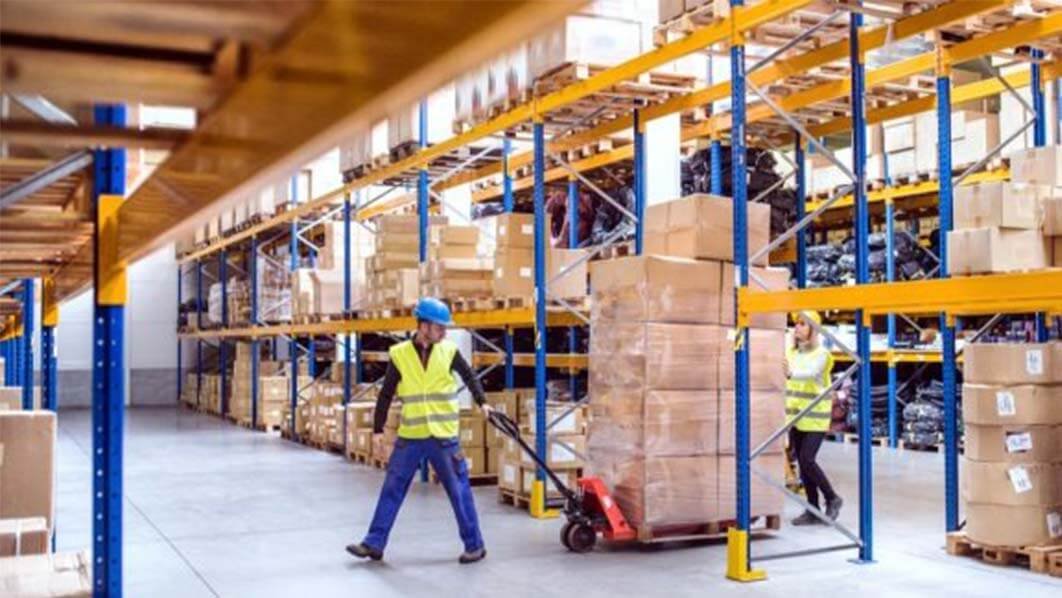
Outsourcing logistics can drastically reduce total costs. This includes lowering the costs associated with warehousing waste5, labor inefficiency6, and hidden shipping fees. Many importers find savings when they switch to 3PL because they can avoid various unexpected expenses.
What are the benefits of outsourcing logistics? The main objectives of logistic outsourcing include reducing costs and improving efficiency. The primary reason for outsourcing is to enhance overall operational performance.
| Cost Category | In-House Cost Drivers | 3PL Cost Drivers | Typical Saving Lever |
|---|---|---|---|
| Rent | Fixed lease costs | Pay-per-use storage | Variable cost model |
| Labor | Full-time staff salaries | Temporary labor contracts | Flexible staffing solutions |
| WMS/IT | Software license fees | Cloud-based solutions | Reduced IT overhead |
| Packing Materials | Fixed packaging supplies | Bulk purchase discounts | Volume pricing |
| Shipping Rate | Set rate contracts | Negotiated carrier rates | Cost-effective shipping |
| Accessorials | Unexpected handling fees | Managed fees | Fewer exceptions |
| Returns Processing | High labor for returns handling | Process optimization | Reduced handling costs |
| Shrink/Damage | Inventory loss | Loss prevention strategies | Better control measures |
Importer insight: Outsourcing wins when it reduces variance (exceptions/fees) more than it reduces base cost.
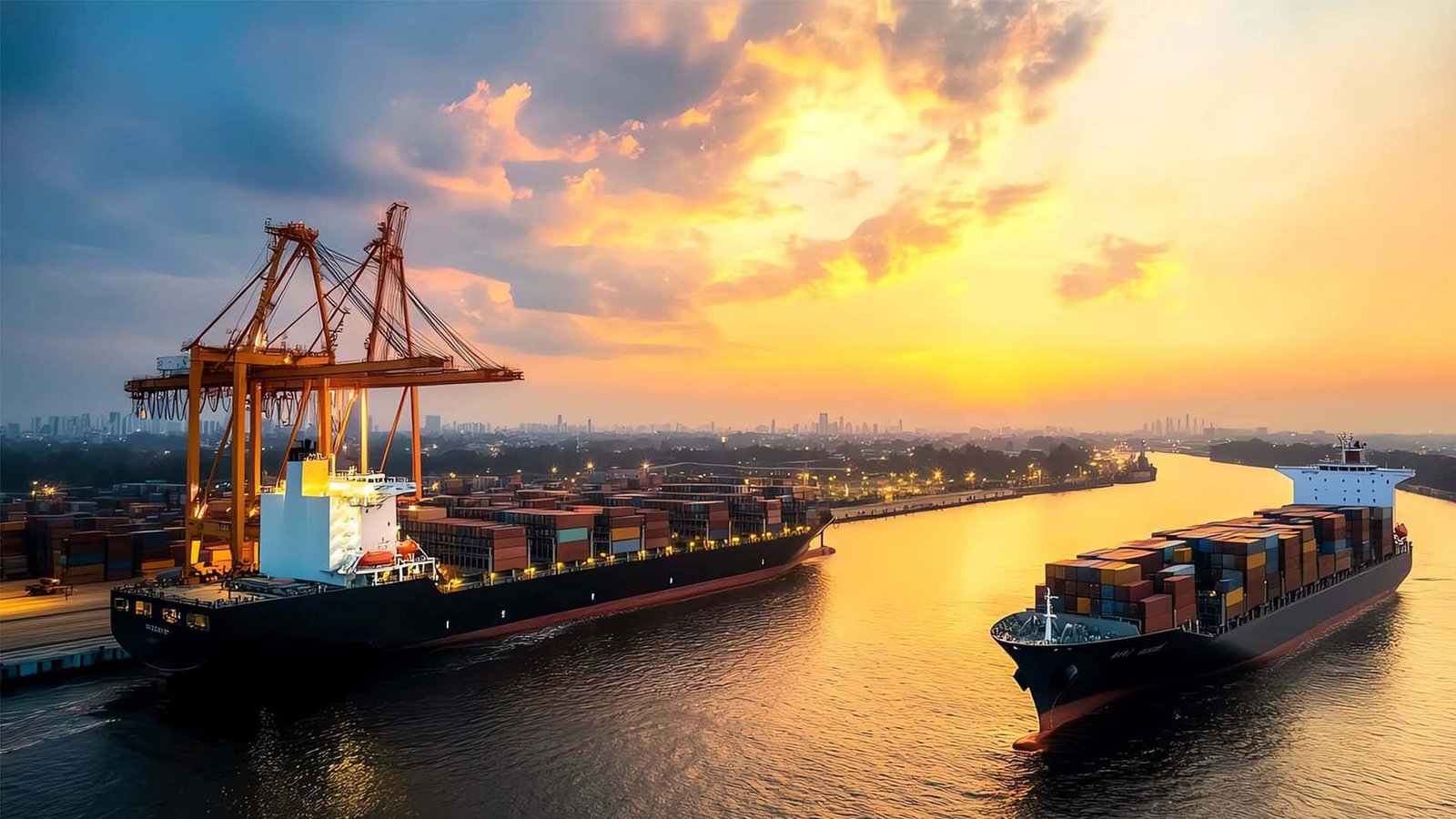
Scale faster during peak seasons by using a 3PL network that expands storage, labor, and carrier capacity without long-term fixed costs.
What are the challenges of outsourcing logistics? Logistics is crucial in eCommerce because it directly affects customer satisfaction and operational efficiency. Benefits include increased flexibility and reduced operational overhead.
| Peak Problem | Business Impact | 3PL Solution | KPI to Monitor |
|---|---|---|---|
| Labor Shortage | Inability to fulfill orders | On-demand staffing | Order fulfillment rate |
| Space Shortage | Stockouts | Flexible storage options | Inventory turnover |
| Late Cutoffs | Missed shipping windows | 3PL scheduling | Cutoff adherence |
| Carrier Failures | Delivery delays | Diversified carrier base | On-time delivery rate |
| Backlog Growth | Customer dissatisfaction | Increased capacity | Order backlog |
| Customer SLA Misses | Damaged brand reputation | Service level agreements | Customer satisfaction score |
Improve delivery speed and customer satisfaction with multi-node fulfillment7, smarter carrier selection, and stronger last-mile performance control.

Why is logistics important in eCommerce? Outsourcing provides access to skilled logistics partners who enhance service quality and reduce delivery times. A 3PL offers advanced technologies that can optimize shipment processes.
| Lever | How it Works | Outcome | Tradeoff |
|---|---|---|---|
| Multi-node | Shipping from nearest location | Faster delivery | Potentially higher shipping costs |
| Zone Skipping | Reducing distance to customer | Lower shipping expenses | May require planning |
| Carrier Mix Optimization | Choosing best carriers | Cost-effective shipping | Risks with carrier reliability |
| Cutoff Time Management | Efficient scheduling | Timely deliveries | Pressure on warehouse operations |
| Better Packaging | Optimizing dimensions | Reduced dimensional weight charges | Increased packaging costs |
Increase order accuracy and reduce returns using professional warehouse systems (WMS), barcode controls8, packaging standards, and SLA-driven operations.
What are the benefits of outsourcing logistics functions? Outsourcing improves efficiency through professional systems that enhance accuracy and reduce errors. These systems help maintain high standards for order fulfillment.
| KPI | Definition | Target | Penalty/Remedy | Root-Cause Owner |
|---|---|---|---|---|
| Order Accuracy % | Percentage of accurate orders | 98% | Review and retrain staff | Warehouse Operations |
| Same-Day Ship Rate | Orders shipped same day | 95% | Monitor closely | Shipping Department |
| Inventory Accuracy % | Correct stock levels | 99% | Inventory audits | Inventory Control |
| Damage Rate | Percentage of damaged items | <1% | Implement quality checks | Warehouse Operations |
| Returns Processing Time | Time taken to process returns | 24 hours | Penalty analysis | Returns Department |
| Cycle Count Variance | Difference in expected vs actual count | 2% | Regular counts | Inventory Management |
| Return Cause | Root Issue | Prevention | KPI |
|---|---|---|---|
| Wrong Item | Picking errors | Barcode scanning | Order accuracy rate |
| Damage | Poor packing | Quality checks | Damage rate |
| Late Delivery | Inefficient logistics | Better scheduling | On-time delivery rate |
| Incomplete Order | Mislabeling | Staff training | Order accuracy rate |
| Packaging Failure | Substandard materials | Quality control | Damage rate |
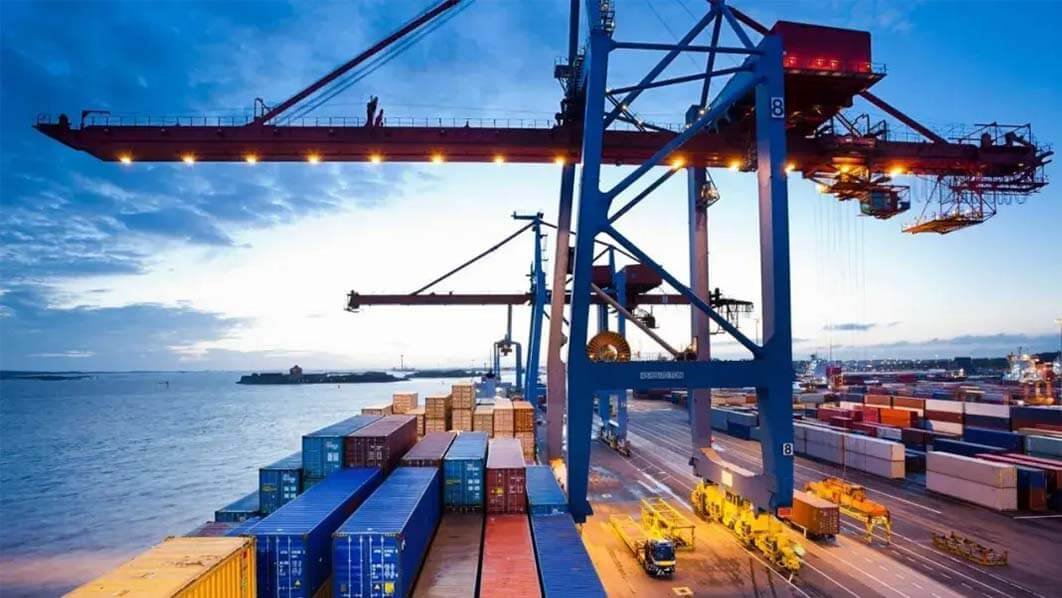
Reduce risk for importers by outsourcing end-to-end execution9 (supplier → freight → customs → 3PL → delivery) with better visibility, compliance support, and KPI governance.
What are the objectives of outsourcing? Effective outsourcing ensures smooth operations and minimizes risks associated with logistics. Importers gain visibility and governance that enhances their supply chain efficiency.
End-to-End Workflow: Supplier → Export Docs → International Freight → U.S. Arrival → Customs Clearance → Drayage → 3PL Receiving → Putaway/Cross-dock → Pick/Pack → Carrier Pickup → Customer Delivery → Returns
| KPI | Why It Matters | Target | Action Trigger |
|---|---|---|---|
| Port Dwell | Time for goods at port | <24 hours | Alert for exceedance |
| Customs Cycle Time | Time for clearance | 2 hours | Notify for delays |
| Dock-to-Stock | Time to move stock to shelves | <24 hours | Alert for delays |
| Order Cycle Time | Time from order to delivery | 48 hours | Monitor closely |
| OTIF | On-time and in-full deliveries | 97% | Review monthly |
| Accessorial Spend | Unexpected fees | <10% of budget | Audit quarterly |
| Chargeback Rate (if Retail) | Fees due to errors | <3% | Investigate causes |
- Lower Total Landed Cost
- Peak Scalability
- Faster Delivery + Better CX
- Higher Accuracy + Fewer Returns
- Importer Risk Reduction via End-to-End Coordination
- Management Focus Reclaimed (Teams Stop Firefighting Logistics)
3PL ROI Calculator10 Framework
To estimate ROI from outsourcing, consider these inputs:
Inputs:
- Order volume/month
- Avg pick cost
- Avg ship cost
- Return rate
- Labor cost/hr
- Rent
- Shrink %
- Accessorial spend
Outputs:
- Cost per order (in-house vs 3PL)
- Savings range
- Break-even month
- Service KPI lift assumptions
| Metric | In-House | Outsourced | Notes |
|---|---|---|---|
| Cost per Order | $X | $Y | Adjusted for scale |
| Fixed Costs | $A | $B | Capital vs operational |
| Variable Costs | $C | $D | Costs vary based on volume |
| Shipping Rate | $E | $F | Negotiated rates |
| Exception Cost | $G | $H | Costs due to errors |
| Return Cost | $I | $J | Based on return rate |
| Net Margin Impact | $K | $L | Expected profit margin |
Outsourcing Mistakes Checklist
- Choosing the cheapest quote without cost transparency
- Unclear SLAs and weak KPIs
- Poor data onboarding (SKUs, dims, barcodes)
- No exception playbook11
- No governance rhythm (weekly + QBR)
- No exit plan / data portability
Vendor Selection Scorecard
| Category | Weight | What to Verify | Evidence |
|---|---|---|---|
| Network Coverage | 20% | Facilities in key locations | Logistics map |
| WMS Capability | 15% | Software functionality | Demo access |
| EDI/API Integration | 15% | System compatibility | API documentation |
| Carrier Rates | 20% | Pricing structure | Rate sheet |
| Inbound Receiving Speed | 10% | Processing time | Historical performance |
| Returns Capability | 10% | Returns processing time | Case studies |
| Inventory Controls | 5% | Accuracy metrics | Audit results |
| Compliance Readiness | 5% | Regulatory knowledge | Certifications |
| Customer References | 5% | Client feedback | Testimonials |
FAQ
What are the benefits of outsourcing eCommerce logistics? Outsourcing logistics improves efficiency, lowers costs, and enhances customer experience. You can focus on growing your business instead of managing logistics challenges.
When should an importer outsource fulfillment to a 3PL? It’s best to consider outsourcing when your in-house operations can’t keep up with demand or when hidden costs begin to affect margins.
Does outsourcing really reduce shipping costs? Yes, many importers find lower shipping rates through 3PLs2 due to their volume and negotiated contracts, leading to overall savings.
What KPIs should be in a 3PL SLA12? Key performance indicators should include order accuracy, on-time delivery rates, cycle times, and handling costs to ensure visibility and accountability.
What is the biggest risk when switching to a 3PL? The biggest risk is the potential for poor communication and unexpected costs. Selecting the right partner and clearly defining SLAs can mitigate these risks.
Conclusion
Outsourcing your eCommerce logistics can be a game changer. Request a 3PL ROI assessment today, design your end-to-end importer workflow, or get support for your vendor scorecard13 and RFP process.
Understanding total landed cost helps you see how outsourcing can reduce expenses and improve efficiency in your logistics operations. ↩
3PLs offer specialized logistics services that can enhance your business's efficiency and reduce costs, making them a valuable resource. ↩
Identifying and reducing hidden expenses can significantly lower your logistics costs and improve your bottom line. ↩
Managing accessorial fees effectively can help you avoid unexpected costs and improve your logistics budget. ↩
Reducing warehousing waste through outsourcing can lead to significant cost savings and improved operational efficiency. ↩
Improving labor efficiency through outsourcing can enhance productivity and reduce costs in your logistics operations. ↩
Multi-node fulfillment can improve delivery speed and customer satisfaction by optimizing shipment processes. ↩
Barcode controls enhance order accuracy by reducing picking errors, leading to fewer returns and improved customer satisfaction. ↩
End-to-end execution provides better visibility and compliance support, reducing risks and enhancing supply chain efficiency. ↩
A 3PL ROI Calculator can help you estimate the financial benefits of outsourcing logistics, aiding in decision-making. ↩
An exception playbook helps manage unexpected events in logistics, reducing disruptions and maintaining efficiency. ↩
A well-defined 3PL SLA ensures accountability and performance standards, improving logistics management. ↩
A vendor scorecard helps evaluate potential logistics partners, ensuring you choose the best fit for your business needs. ↩