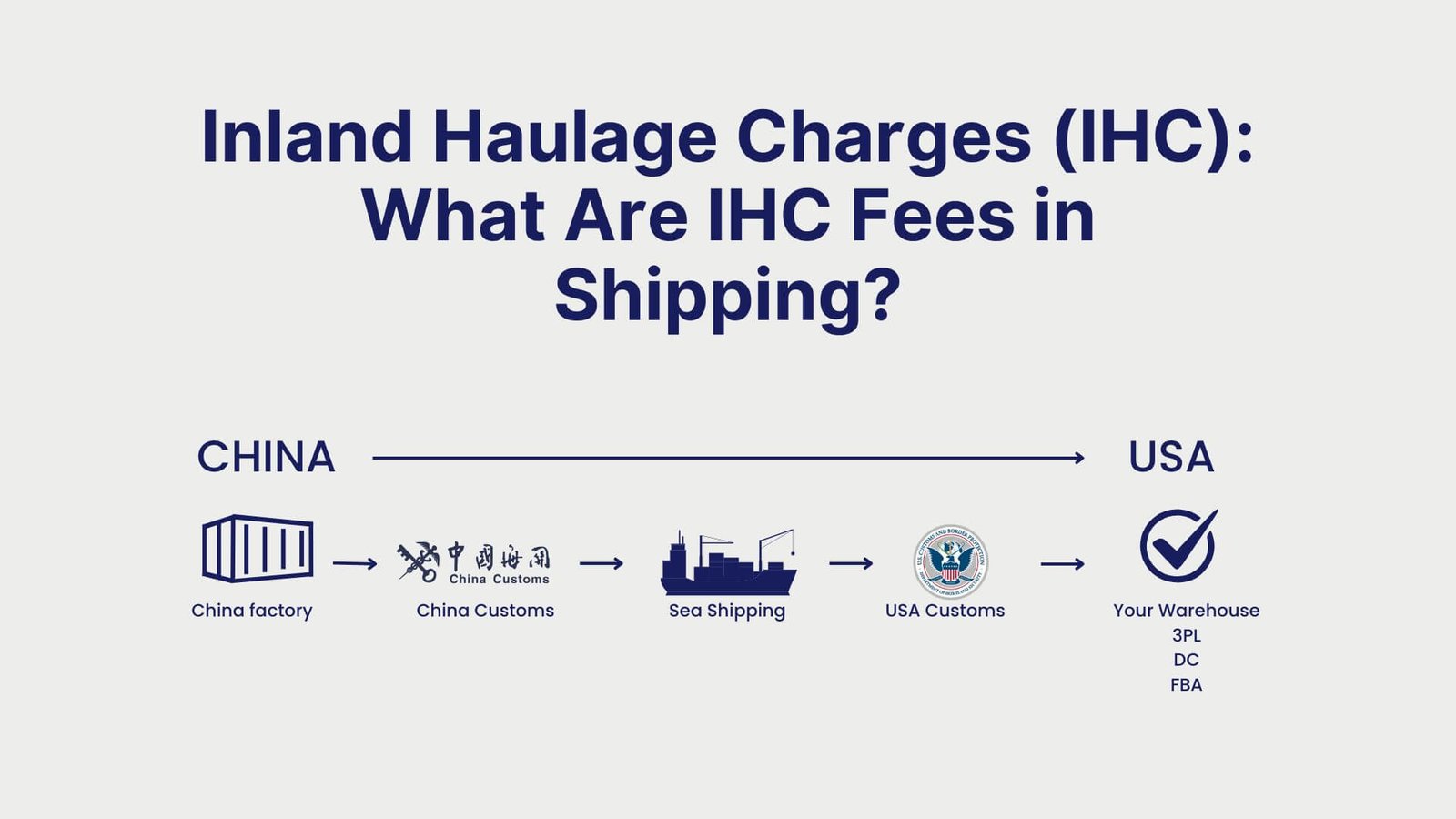
Importers face challenges in optimizing logistics outsourcing1. Poor performance often leads to wasted money and time. I have put together a straightforward seven-step guide to streamline your logistics operations.
To optimize logistics outsourcing1, first analyze your current performance. Start with a cost-to-serve model2 to identify where inefficiencies lie. This will help you reduce costs and improve service.
Logistics outsourcing is crucial for U.S. importers3. Many experience issues with performance and cost management. This guide will walk you through steps to enhance outsourcing results and boost efficiency.
Audit your current outsourcing performance using a baseline “cost-to-serve” model so you know exactly where money and time are being lost?
You can’t optimize outsourcing without a baseline. Importers should build a cost-to-serve model2 that captures total logistics spend per unit/order, including hidden fees4 and exception costs. Compare expected SLA performance to actual results, then identify which lanes, SKUs, or customers generate the most cost and delays.
Understanding your cost-to-serve model2 is essential. This model should account for every detail, including freight, detention, and claims. By isolating these costs, you can highlight where inefficiencies occur and make informed decisions.
Cost-to-Serve Baseline Model
| Cost bucket | Examples | Data source | Frequency |
|---|---|---|---|
| freight | Ocean, air freight, truck | Invoices | Monthly |
| port/terminal | Port fees, terminal handling | Bills | Monthly |
| detention/demurrage | Charges for container delays | Invoices | Monthly |
| drayage5 | Trucking from port to warehouse | Bills | Monthly |
| warehousing | Storage fees | Warehouse reports | Weekly |
| pick/pack | Labor for preparing shipments | Labor tracking | Weekly |
| returns | Return shipping costs | Returns log | Monthly |
| chargebacks6 | Fees from discrepancies | Invoice disputes | Monthly |
| rework labor | Labor for correcting issues | Labor tracking | As needed |
| claims | Damages during transit | Claims reports | Weekly |
80/20 Insight Box
Did you know that 20% of lanes or SKUs can cause 80% of exceptions and cost overruns? Identifying these outliers can help in prioritizing corrective measures.
Clarify roles and accountability across the outsourced chain (supplier → freight → customs → 3PL → delivery) to eliminate handoff failures and delays?
Outsourcing problems often come from unclear ownership at handoff points. Importers must define responsibilities, cutoffs, and escalation paths across the end-to-end chain—from supplier pickup and export documents to customs release, drayage5 appointments, DC receiving, and final-mile delivery. Clear accountability reduces delay loops and finger-pointing.

Clarifying roles prevents confusion. Establishing a clear RACI (Responsible, Accountable, Consulted, Informed) matrix helps ensure that everyone knows their responsibilities. This clarity can significantly reduce delays in your logistics chain.
RACI Ownership Matrix (Importer Outsourced Logistics)
| Process step | Importer | Forwarder | Broker | 3PL | Carrier | Notes |
|---|---|---|---|---|---|---|
| booking | R | A | C | I | - | Initial step |
| pickup | A | R | - | - | - | Confirm pickup |
| export docs | A | C | R | - | - | Documentation needed |
| ISF | R | - | A | - | - | Importer responsible |
| entry filing | - | - | R | A | - | Customs process |
| exams | - | - | R | C | - | Regulatory checks |
| drayage5 | A | - | - | R | - | Transportation |
| receiving | - | - | - | R | A | Warehouse process |
| fulfillment | A | - | - | R | - | Completing orders |
| returns | R | - | - | A | - | Handling returns |
Optimize your SLA and KPI dashboard7 (OTIF, cycle time, inventory accuracy, accessorial spend, damage/claims) with clear action triggers and penalties?
SLAs only work when KPIs trigger action. Importers should redesign dashboards to focus on a small set of metrics that drive cost and service: OTIF, transit variance, dock-to-stock time, inventory accuracy, damage rate, and accessorial spend. Each KPI must have thresholds, root-cause owners, and remedies to improve accountability.
When designing your SLA and KPI dashboard7, focus on the metrics that matter most. This targeted approach will help drive performance and accountability, ensuring everyone is aligned towards the same goals.
Outsourcing KPI Dashboard + Action Triggers
| KPI | Target | Action trigger | Owner | Remedy |
|---|---|---|---|---|
| OTIF % | 95% | Underperformance alerts | Logistics Team | Review and adjust processes |
| order cycle time | 5 days | Exceeding threshold | Operations | Analyze bottlenecks |
| inventory accuracy % | 99% | Inaccurate counts | Warehouse | Implement cycle counting |
| dock-to-stock time | 24 hours | Delays beyond benchmark | Fulfillment | Streamline receiving processes |
| claims/damage rate | <1% | High claim rates | Claims Team | Investigate root causes |
| accessorial spend/order | $100 | Exceeding limits | Finance | Reassess vendor agreements |
| backlog aging | <5 days | Backlog growth | Operations | Manage workflow efficiency |
Metric Bloat Warning
Avoid metric bloat by keeping your KPI dashboard to a maximum of 7-10 metrics. This ensures that you can easily review and take action on each metric weekly.
Integrate systems for end-to-end visibility8 (WMS/TMS, EDI/API, milestone tracking, exception alerts) to prevent surprises and improve forecasting?
Visibility is the foundation of outsourced performance. Integrating WMS/TMS data with EDI/API events enables milestone tracking from origin to delivery, early exception alerts, and more accurate ETAs. Importers should standardize event definitions (pickup, gate-in, vessel departure, customs release, delivery) to prevent reporting confusion and missed escalations.

Investing in integrated systems9 for visibility is key to effective logistics management. By tracking milestones and exceptions in real-time, you can proactively address issues before they escalate.
End-to-End Visibility Blueprint
| Visibility need | System source | Data format | KPI impact |
|---|---|---|---|
| shipment milestones | WMS | Real-time updates | Improved ETAs |
| customs status | EDI | API calls | Reduced customs delays |
| warehouse receiving | TMS | Scanned data | Streamlined inventory |
| inventory levels | WMS | Real-time tracking | Enhanced inventory accuracy |
| order status | TMS | API data feeds | Increased order visibility |
| exception alerts | EDI | Threshold triggers | Timely issue resolution |
Must-Have Events List
- pickup
- CFS/port gate-in
- vessel departure
- arrival
- customs release
- outgate
- DC receiving
- shipped
- delivered
Most outsourcing cost overruns come from hidden fees4 and preventable exceptions. Importers should control storage, rework, detention, redelivery, appointment failures, and accessorial charges through contract clauses and operating standards. Packaging specifications and routing guides are low-effort, high-impact controls that reduce damage, DIM weight, and delivery failures.
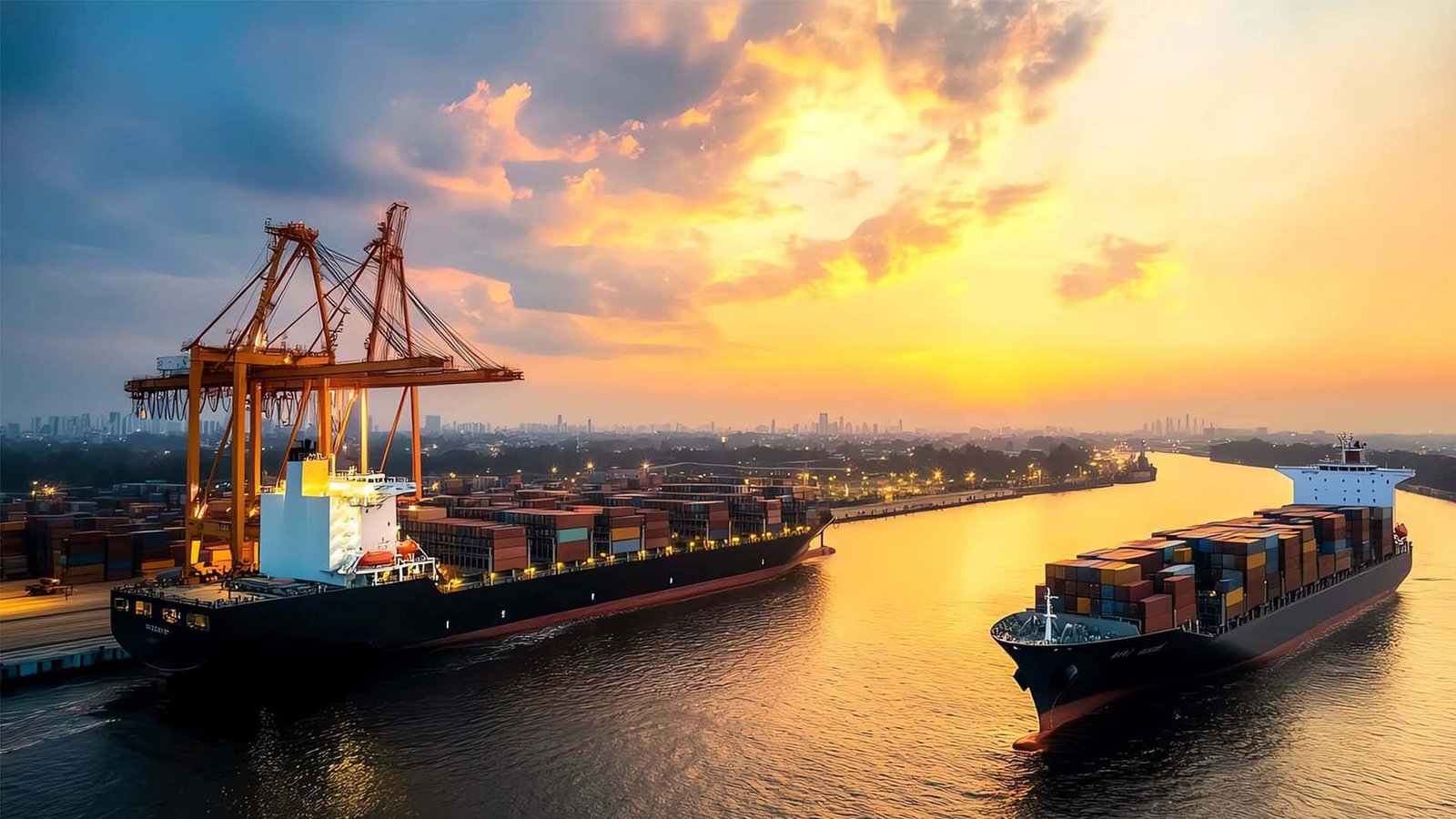
Understanding and controlling hidden fees4 can greatly reduce total logistics costs. By implementing best practices in packaging and routing, you can avoid unnecessary charges and improve overall efficiency.
Hidden Fee Control Checklist
- storage thresholds
- free time governance
- detention SOP
- appointment compliance rules
- packaging standards10
- labeling compliance
- rework approval process
- invoice audits
Hidden Fees + Prevention Controls
| Fee | Root cause | Prevention | KPI |
|---|---|---|---|
| storage | Delays in delivery | Set storage limits | Reduction in costs |
| detention | Delays at port | Clear communication | Timely pickups |
| redelivery | Incorrect addresses | Confirm details upfront | Decrease in fees |
| rework | Poor packaging | Enforce standards | Fewer claims |
| returns handling | Damage during transit | Proper handling | Reduced returns |
| claims admin | Late submissions | Timely reporting | Fewer claims |
| dimensional upcharges | Incorrect packaging size | Strict guidelines | Lower costs |
Run a continuous improvement governance plan11 (weekly ops reviews, QBRs, root-cause projects12, and an exit plan13) to keep providers accountable long-term?
Outsourcing performance improves when governance is structured. Importers should run weekly operational reviews for exceptions, monthly cost reviews for savings, and quarterly business reviews (QBRs) for strategic improvements. Continuous improvement projects should target root causes. A documented exit plan13 protects the business if performance falls below SLA.
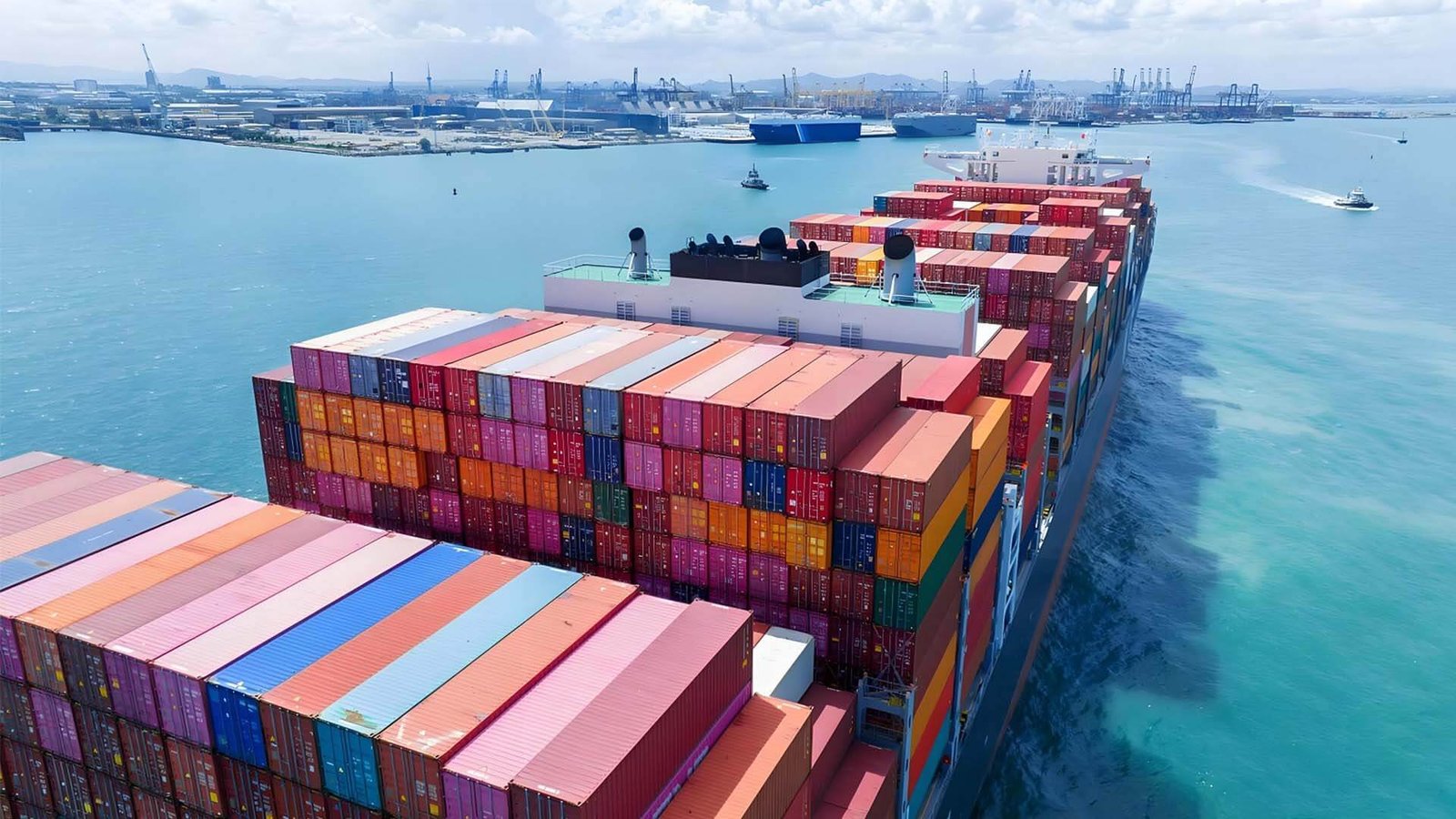
Creating a continuous improvement governance plan11 helps maintain focus on performance. This plan must include regular reviews and a strong exit strategy to ensure providers meet expectations.
Governance Cadence Templates
Weekly Ops Review Agenda:
- Exceptions
- Backlog
- ETA misses
- Customs holds
- Inbound receiving delays
Monthly Cost Review Agenda:
- Variance vs budget
- Accessorial trends
- Invoice audit results
QBR Agenda:
- KPI trends
- Root-cause projects
- Capacity planning
- Peak readiness
- Roadmap
Exit Plan Checklist
- data portability
- inventory transfer SOP
- carrier/broker reassignment
- WMS migration plan
- notice periods
- customer communication
Outsourcing Optimization Decision Flow
- Build baseline cost-to-serve
- Locate top exception drivers (80/20)
- Fix accountability at handoffs
- Redesign KPIs with triggers/remedies
- Integrate visibility events
- Reduce hidden fees4 with standards + audits
- Run continuous governance + exit plan13
Conclusion
In summary, optimizing logistics outsourcing1 requires a structured approach. By following these seven steps, importers can enhance efficiency and reduce costs. If you’re ready to improve your logistics performance, reach out to us for an outsourcing performance audit, SLA redesign, or to establish a hidden fee reduction program.
Exploring the benefits of logistics outsourcing can help you understand how it can enhance efficiency and reduce costs. ↩
Understanding the cost-to-serve model is crucial for identifying inefficiencies and reducing costs in logistics operations. ↩
Learning about the challenges U.S. importers face can provide insights into optimizing logistics operations. ↩
Understanding the impact of hidden fees can help you control costs and improve logistics efficiency. ↩
Learning about drayage can help you optimize transportation from port to warehouse. ↩
Managing chargebacks effectively can prevent unnecessary fees and improve logistics efficiency. ↩
An effective SLA and KPI dashboard ensures accountability and drives performance in logistics operations. ↩
End-to-end visibility helps prevent surprises and improves forecasting in logistics operations. ↩
Integrated systems provide real-time tracking and exception alerts, improving logistics management. ↩
Adhering to packaging standards can reduce damage and delivery failures, improving efficiency. ↩
A continuous improvement governance plan ensures long-term accountability and performance in logistics outsourcing. ↩
Root-cause projects target underlying issues, leading to long-term improvements in logistics operations. ↩
An exit plan protects the business if performance falls below expectations, ensuring continuity. ↩