The logistics world can be complicated. Importers need clarity on how freight forwarding services work to manage their shipments effectively.
Freight forwarding services in the USA cover the planning and coordination of international shipments into the U.S., including booking space with carriers1, arranging pickup2, managing export and transport documents3, tracking cargo4, coordinating customs clearance5, and organizing delivery6. Importers use forwarders to reduce cost7, improve transit reliability8, and prevent documentation mistakes9 that cause delays and penalties.
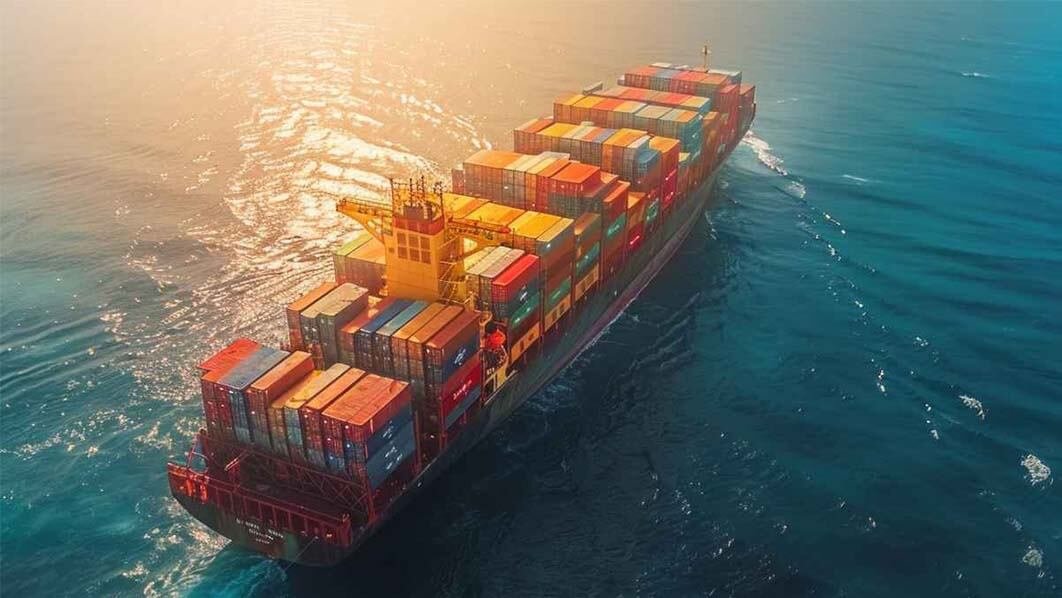
Navigating freight forwarding can be overwhelming. Understanding what a forwarder does and how they operate is key to successful importing.
LOOP START
What Does a Freight Forwarder Do?
In simple terms, freight forwarders act as intermediaries between importers and transportation services. They manage the entire process of shipping goods from the origin to the destination.
Freight forwarders provide services that include coordinating logistics, documentation, and customs clearance, ensuring efficient movement of goods. They reduce risks and help streamline operations for importers, which is invaluable for success.

Typical freight forwarding services include:
- Origin pickup
- Consolidation (LCL/buyer’s consolidation)
- Main freight booking
- Documentation control
- Insurance support
- Tracking/visibility
- Customs broker coordination
- Drayage
- Delivery to warehouse/3PL/FBA
Clarity Box:
- Forwarder: Coordinates logistics and documentation for shipments.
- Carrier: Transports goods from one point to another.
- Broker: A licensed entity that facilitates customs clearance and compliance.
- 3PL (Third Party Logistics)10: Manages logistics and supply chain functions for businesses.
LOOP END
What is the Full USA Import Workflow a Forwarder Coordinates?
Understanding the workflow involved in importing can help you appreciate the value of freight forwarding.
A forwarder’s real value shows in execution: coordinating multiple parties and handoffs without delays. The U.S. import workflow includes supplier readiness and pickup11, export documentation, ocean/air transit12, arrival handling at port/airport, customs clearance, drayage13 scheduling, warehouse receiving, and final delivery. Forwarders prevent failures by managing cutoffs, documents, and exceptions.
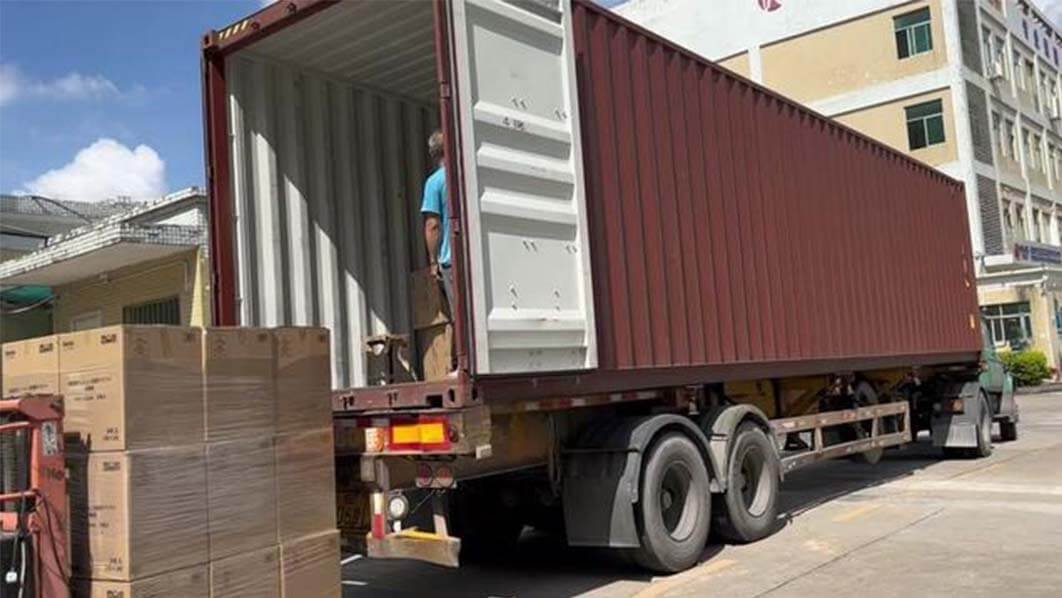
The process can be broken down as follows:
- Supplier → Pickup → Export Docs → Ocean/Air Transit → U.S. Arrival → Customs Clearance → Port/Terminal Release → Drayage/Linehaul → 3PL/DC/FBA Receiving → Final Delivery
Handoff failures include:
- Missed cutoff
- Document defects
- ISF mismatch
- Port holds
- Chassis shortage
- Appointment delays
- Warehouse receiving backlog
LOOP START
How Should U.S. Importers Choose a Freight Forwarder?
Choosing the right forwarder is a crucial decision for importers.
Choosing a freight forwarder is a risk decision, not a commodity purchase. Importers should verify licensing/registration credibility, network strength at origin and U.S. ports, service scope (door-to-door, customs coordination, warehousing), and proven experience with their cargo type. A strong forwarder provides predictable execution and transparent cost control—not just a low quote.
Forwarder Vetting Checklist:
- OTI/registration credibility14
- U.S. office + port coverage
- Overseas agent quality
- Contract transparency
- Insurance options
- Shipment visibility tools
- Customs broker coordination
- Escalation SLA
- References in your industry
Red Flags:
- Too-cheap quotes
- Vague fee language
- No milestones visibility
- Weak exception handling
- Unclear cancellation/rollover policies
LOOP END
How Does Freight Forwarding Pricing Work in the USA?
Understanding how pricing works in freight forwarding can help you avoid unexpected costs.
Freight forwarding pricing is made up of base transport cost plus local fees and risk-driven accessorials. Importers should ask for quote breakdowns that include origin charges, ocean/air linehaul, destination fees, documentation, and delivery. The “cheap quote trap” happens when important costs are excluded—leading to surprise invoices for storage, detention, exams, and redelivery.
Freight Forwarding Quote Breakdown (USA Imports)
| Cost Category | Typical Items Included | When It Increases | Importer Control Lever |
|---|---|---|---|
| Origin Charges | Pickup, handling fees | Higher volume, special handling | Timely booking |
| Main Freight Linehaul | Ocean or air transport | Fuel surcharges | Mode selection |
| Destination Charges | Terminal handling fees | Delays in customs | Accurate documentation |
| Customs/Brokerage (if included) | Entry filing, duties | CBP holds | Pre-clearance checks |
| Delivery Charges | Final delivery costs | Appointment delays | Scheduling discipline |
| Accessorials/Exception Fees | Detention, demurrage | Unforeseen delays | Proactive planning |
Cost Control Tips:
- Consolidation cadence
- Routing guide
- Packaging to reduce DIM
- Free time planning
- Appointment scheduling discipline
LOOP START
What Are the Biggest Operational Risks Importers Face?
Awareness of risks can help importers navigate the logistics landscape.
Import risks aren’t just transit delays—they include CBP holds, document defects, terminal congestion, and accessorial fees like detention, demurrage, chassis, and storage. Strong forwarders reduce risk by validating documents pre-shipment, ensuring ISF/entry readiness, managing cutoffs, coordinating drayage13 and warehouse appointments, and escalating exceptions quickly with clear accountability.
Import Risk Control Table
| Risk | What Causes It | Forwarder Control | Importer Action |
|---|---|---|---|
| Missed Cutoff | Delays in documentation | Manage documentation deadlines | Timely submission |
| Customs Hold | Incorrect paperwork | Prepare ISF/entry properly | Verify all documents |
| Exams | Random CBP checks | Proactive communication | Prepare cargo for inspections |
| Port Dwell | Congestion | Schedule drayage13 in advance | Avoid last-minute changes |
| Chassis Shortage | High demand | Coordinate with providers | Ensure timely pickup |
| Delivery Appointment Failure | Lack of communication | Set appointment reminders | Confirm delivery schedules |
| Damage/Claims | Poor handling | Insure cargo properly | Use reliable packaging |
| Invoicing Disputes | Hidden fees | Transparent billing | Review invoices carefully |
LOOP END
How to Evaluate a Freight Forwarder with KPIs?
Tracking performance is essential for maintaining effective logistics.
Importers should manage forwarders with measurable KPIs, not informal promises. A scorecard should track ETA accuracy, customs clearance cycle time, accessorial spend, damage/claims rate, and responsiveness to exceptions. KPI governance—weekly ops reviews and quarterly business reviews—keeps the forwarder accountable and continuously improves service levels and cost performance.

Freight Forwarder KPI Scorecard (Importer View)
| KPI | Definition | Target | Action Trigger | Owner |
|---|---|---|---|---|
| ETA Accuracy / Transit Variance | Timeliness of delivery | 95% on-time | Delays beyond target | Operations Manager |
| Port Dwell Time | Time cargo stays at port | 1-2 days | Exceeds standard | Logistics Coordinator |
| Customs Clearance Cycle Time | Time taken for customs clearance | <12 hours | Exceeds target | Customs Broker |
| Delivery Appointment Success Rate | Rate of successful appointments | 90% | Failure to meet target | Freight Coordinator |
| Accessorial Spend per Shipment | Average additional costs | <10% of total cost | Significant increases | Finance Department |
| Claims/Damage Rate | Rate of cargo damage/claims | <2% | Higher than acceptable rate | Quality Assurance |
| Response Time SLA | Average time to respond | <2 hours | Longer response time | Customer Service |
| Invoice Accuracy Rate | Accuracy of billing | 98% | Errors in billing | Accounts Payable |
Governance Cadence Template:
- Weekly exception review
- Monthly cost review
- Quarterly business review improvement roadmap
Supplier → Freight Forwarder → Customs Broker → CBP Release → Drayage → 3PL/DC → Delivery
RFQ Template:
- Origin & Destination:
- Incoterms:
- Cargo Dimensions/Weight/HS Code (if known):
- Pickup Location and Ready Date:
- Service Needed (Door/Port, LCL/FCL/Air):
- Delivery Appointment Requirements:
- Insurance Preference:
- Required Milestones Visibility:
- KPI Expectations:
FAQ
What is the difference between a freight forwarder and a freight broker? A freight forwarder manages the logistics and documentation of shipments, while a freight broker connects shippers with carriers to move the freight.
Do I need a freight forwarder and a customs broker? While a freight forwarder typically handles customs clearance, having a dedicated customs broker can ensure compliance and provide specialized knowledge of import regulations.
What is included in freight forwarding services in the USA15? Freight forwarding services include booking shipments, managing logistics, handling documentation, coordinating customs clearance5, and arranging final delivery to the end destination.
Why are freight forwarding quotes so different between providers? Quotes can vary based on service quality, included services, and hidden fees. Always review breakdowns to understand the complete cost structure.
How do importers reduce delays and surprise fees? Importers can reduce delays by ensuring accurate documentation, timely communication with forwarders, and understanding the terms of their shipping agreements.
Conclusion
I invite importers to request a lane review and quote comparison, a cost breakdown audit, and a hidden-fee prevention plan to ensure a smooth importing process.
Learn how forwarders secure space with carriers to ensure timely and efficient shipment of goods. ↩
Discover the process of arranging pickups to ensure your goods are collected and shipped on schedule. ↩
Proper document management is crucial to avoid delays and penalties in international shipping. ↩
Tracking cargo ensures you know the location and status of your shipment at all times. ↩
Customs clearance is a critical step in importing, and understanding this can prevent costly delays. ↩
Learn how forwarders ensure your goods reach their final destination efficiently and safely. ↩
Reducing costs is a major benefit of using a freight forwarder, impacting your bottom line positively. ↩
Reliable transit ensures your goods arrive on time, maintaining your supply chain's efficiency. ↩
Avoiding documentation errors is crucial to prevent shipment delays and additional costs. ↩
3PL services can enhance your logistics operations by outsourcing supply chain management. ↩
Ensuring supplier readiness is key to a smooth start in the shipping process. ↩
Understanding ocean/air transit helps in choosing the best mode for your shipment. ↩
Understanding drayage helps in managing the short-distance transport of goods efficiently. ↩
Credibility ensures that your forwarder is reliable and compliant with regulations. ↩
Understanding these services can help importers manage international shipments more effectively and avoid costly mistakes. ↩