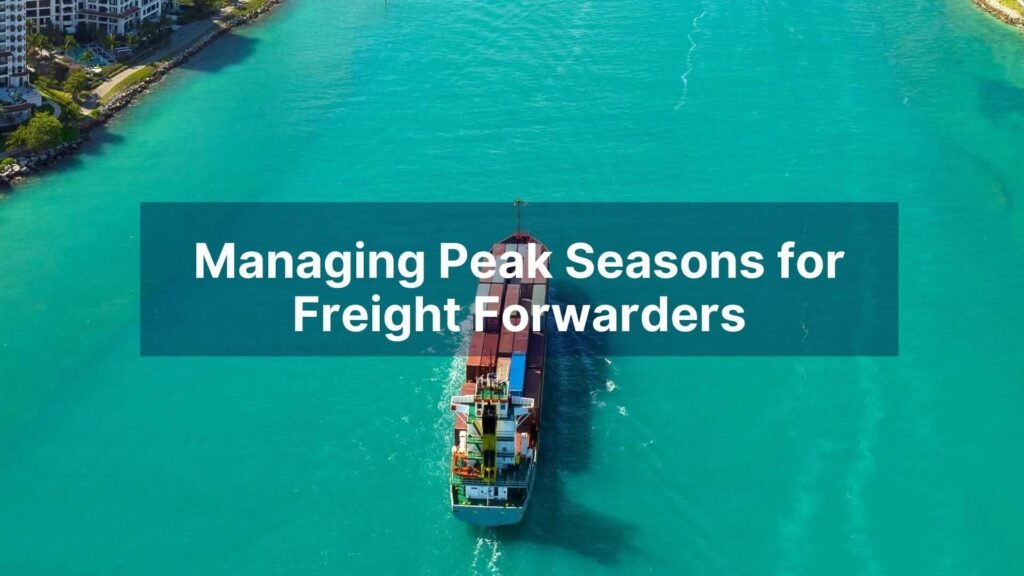
The peak season can be a challenging time for freight forwarders and U.S. importers alike. Understanding its dynamics is key to maintaining operational efficiency.
Peak season is the period when shipping demand exceeds transport capacity1, causing rate spikes2, space shortages3, and operational congestion4 across ports, terminals, warehouses, and trucking. For U.S. importers, peak season increases the risk of rolled cargo5, longer lead times6, and accessorial fees7. For forwarders, success depends on forecasting, securing allocations8, and managing exceptions9 fast.
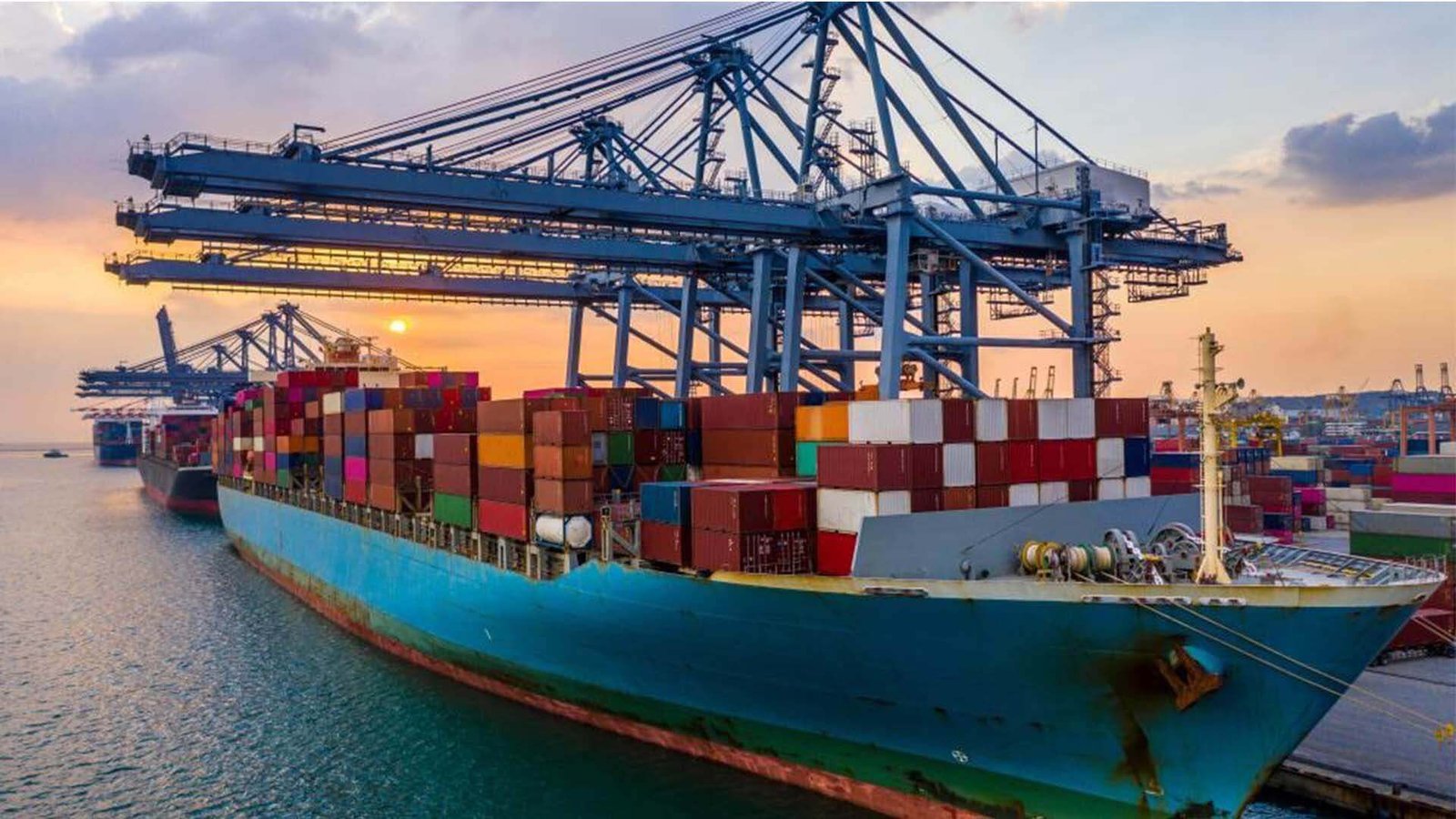
The peak season brings unique challenges that require careful planning. Without a good strategy, you risk operational delays and increased costs. In the following sections, I will guide you through what peak season means, how to prepare for it, and how to minimize its impacts.
What Does Peak Season Mean for Freight Forwarders and U.S. Importers?
Peak season in logistics is a time when shipping demands significantly rise, leading to changes in capacity, congestion, and pricing.
Peak season presents challenges due to increased demand which results in space shortages3, higher rates, and longer transit times. Understanding these shifts is vital for managing your supply chain effectively.
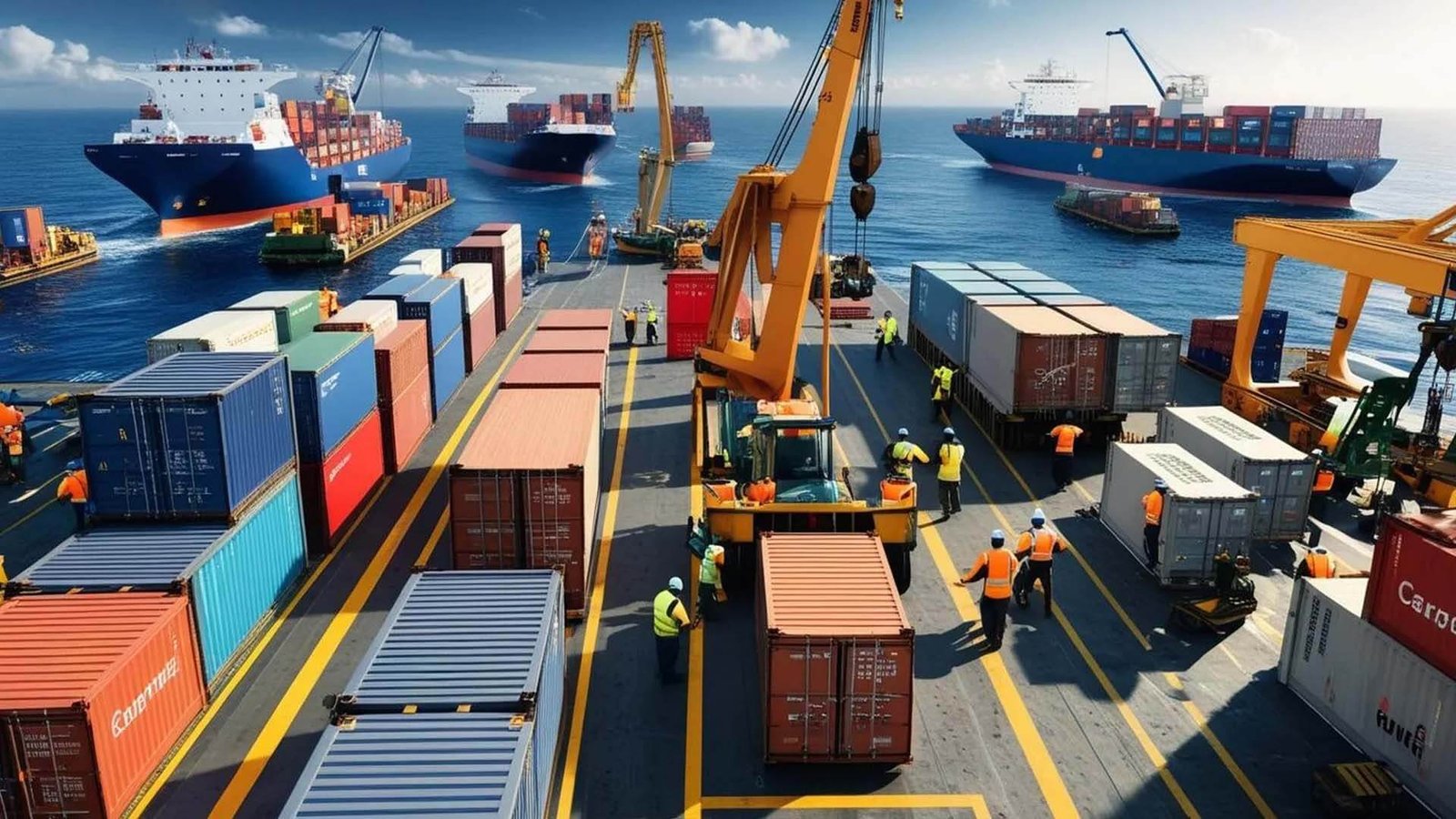
Symptoms of Peak Season
- Space shortage
- Booking cutoffs tighten
- Increased rollovers
- Port dwell rises
- Drayage appointment delays
- Stacking fees
| Area | Normal | Peak Season Change | Importer Risk |
|---|---|---|---|
| Capacity | Stable | Limited, leading to rollovers | Increased shipping delays |
| Pricing | Predictable | Spikes in freight rates | Higher shipping costs |
| Transit Time Reliability | Consistent | Unreliable due to congestion | Longer lead times |
| Port Congestion | Manageable | Severe delays | Increased demurrage |
| Trucking Capacity | Adequate | Scarce due to demand | Delays in last-mile delivery |
| Warehouse Receiving | Steady | Increased backlogs | Delays in inventory availability |
Map the Peak Season Calendar Importers Must Plan Around
Understanding the peak season calendar is crucial for effective planning.
Using a calendar allows importers to predict peak disruptions, such as the Q3/Q4 retail surge10, China Golden Week11, and Lunar New Year12. Planning 4–8 weeks in advance can help avoid rollovers and added costs.
Peak Season Timeline
| Period | Trigger | What Changes | Importer Action |
|---|---|---|---|
| Pre-Golden Week Buildup | Increased production demand | Heightened shipping activity | Plan orders early |
| Golden Week Shutdown + Rebound | Factory closures | Supply chain disruption | Align shipments post-holiday |
| Q3/Q4 Retail Peak | Holiday shopping surge | Increased demand for goods | Schedule early bookings |
| Pre-Lunar New Year12 Rush | Factory shutdown | Anticipated increase in orders | Secure bookings in advance |
| Post-LNY Backlog Normalization | Factory reopens | Delayed shipments returning to normal | Monitor and adjust shipping accordingly |
| Summer Air Freight Peaks | Electronics/Fashion demand | Seasonal spikes in air freight costs | Pre-plan air freight bookings |
Adding buffer weeks during these windows helps ensure smoother operations.
How Forwarders Secure Capacity and Reduce Rollovers During Peak Season
Forwarders utilize various strategies to manage capacity during peak periods.
Effective planning can minimize disruptions. By forecasting demand13, making early bookings, and diversifying carriers, forwarders can secure space and lower rollover rates.

Peak Capacity Risk Checklist
- Late PO release
- Late bookings
- Inflexible routing
- Incomplete documentation
- Missed cutoff
- Rolled sailing
- Port congestion
- Delivery appointment delays
Peak Season Capacity Protection Tactics
| Tactic | What It Does | When to Use | Tradeoff |
|---|---|---|---|
| Allocation Booking | Distributes capacity among carriers | Peak season planning | Might limit options |
| Early Booking Windows | Secures space before demand surges | 2-6 weeks before peak | Higher upfront commitment |
| Split Shipments | Reduces risk of full container delays | During high demand | Increased logistical complexity |
| Alternative Ports | Access to more shipping routes | When primary ports are congested | Potential for longer transit times |
| LCL vs FCL Swap | Provides flexibility in shipment size | When full container loads are risky | Higher costs may apply |
| Fast-Transit Premium Service | Ensures swift delivery | Critical shipments only | Increased shipping costs |
Break Down Peak Season Cost Drivers and How Importers Control Total Landed Cost
Costs during peak season can escalate due to various factors.
Market surcharges, air freight premiums, and accessorial fees7 contribute to higher shipping costs. It's crucial for importers to be proactive and avoid potential pitfalls.
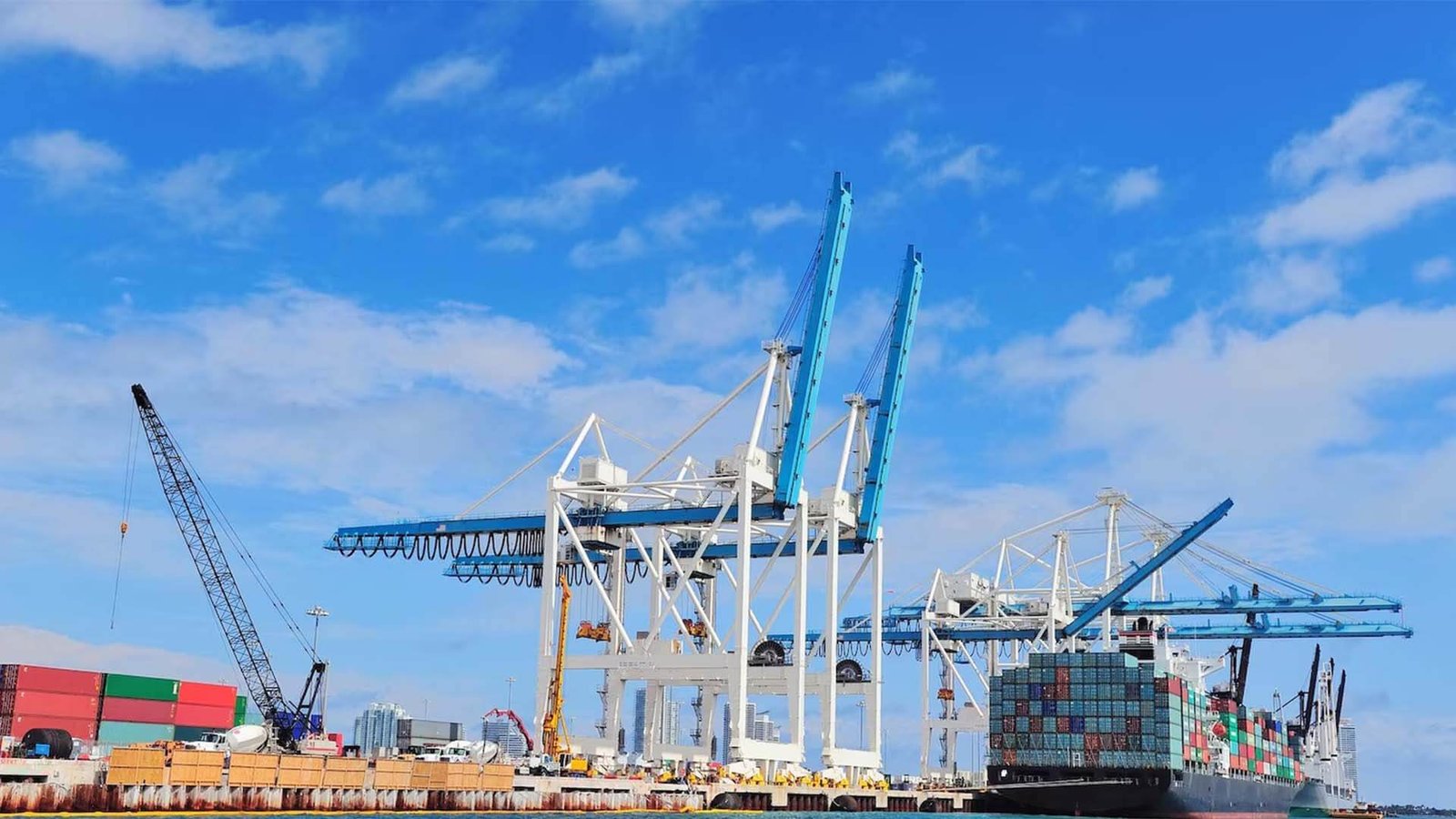
Peak Season Cost Drivers + Importer Controls
| Cost Driver | Why It Happens | Where It Appears | Control Lever |
|---|---|---|---|
| PSS / GRI / Capacity Premiums | Increased demand | Freight invoice | Early planning |
| Air Freight Premium | Seasonal demand spikes | Air freight costs | Book in advance |
| Port/Terminal Congestion Fees | Delays due to congestion | Storage/handling fees | Tighten documentation |
| Storage and Dwell-Related Charges | Longer wait times | Warehousing | Schedule appointments early |
| Detention/Demurrage | Delays in cargo pickup | Invoicing | Monitor milestones |
| Chassis / Appointment Failures | Disruptions in scheduling | Delivery | Confirm appointments |
| Exam Transfers (Customs Holds) | Delays in customs clearance | Import delays | Prepare documents in advance |
Cheap Quote Trap Warning
Always clarify the assumptions behind peak season quotes to avoid hidden fees.
Provide a Peak Season Importer Playbook
Importers can thrive during peak seasons by following a structured playbook.
Establishing clear procedures can safeguard inventory and maintain service levels. Prioritize your planning activities and streamline your operations.
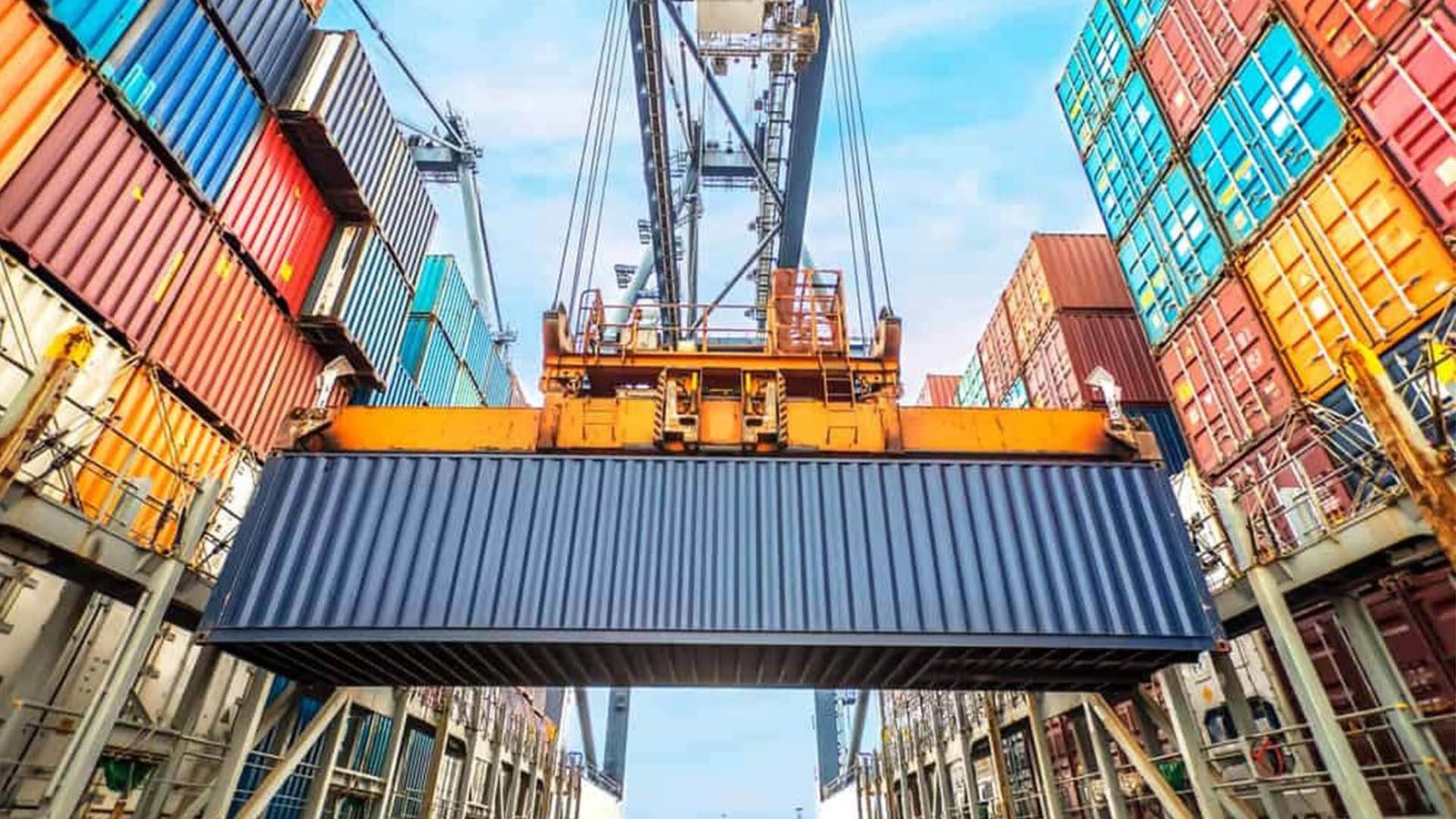
Peak Season SOP for U.S. Importers
- Forecast demand + SKU priority list
- Release POs earlier (buffer weeks)
- Book space 2–6 weeks earlier depending on lane
- Verify packaging + labeling + carton dimensions
- Finalize documents early (invoice, packing list, COO, ISF data)
- Confirm customs readiness (HTS + PGA data)
- Schedule drayage + DC appointments before ETA
- Monitor milestones + escalate exceptions fast
- Execute contingency routing when triggered
- Post-season review and KPI resets
Peak Season Contingency Routing
| Trigger | Risk | Recommended Action | Cost Impact |
|---|---|---|---|
| Rollover Risk | Delayed shipments | Secure alternative capacity | Higher freight costs |
| Port Congestion Spike | Increased delays | Diversify routing options | Longer transit times |
| Customs Hold | Delayed clearance | Prepare necessary documents | Increased detention charges |
| Trucking Shortage | Last-mile delivery issues | Pre-plan trucking solutions | Higher last-mile costs |
| DC Receiving Backlog | Inventory delays | Schedule multiple deliveries | Potential sales impact |
Peak Season Quick Cheat Sheet
- Book earlier than normal
- Prioritize time-critical SKUs
- Diversify routing options
- Minimize documentation defects
- Pre-plan drayage + DC appointments
- Control accessorial fees7 with SOPs and visibility
FAQ
What months are peak season for U.S. imports?
Peak season typically runs from late summer through late December, aligned with back-to-school and holiday shopping.
What causes peak season freight rates to increase?
Increased demand and limited capacity lead to higher rates during peak shipping periods.
How can importers reduce rollover risk?
Early bookings, flexible routing, and accurate documentation can significantly lower the chance of rollovers.
What fees increase most during peak season?
Detention, demurrage, and congestion-related fees are among the most common costs that rise during peak times.
What is the best peak season shipping strategy for inventory?
Establishing a clear booking timeline and prioritizing key products can help maintain stock levels and service.
Conclusion
To navigate peak season effectively, U.S. importers should request a detailed peak season lane plan, capacity protection strategy, and landed cost control program. This proactive approach minimizes disruptions and protects your bottom line.
Understanding the impact of demand exceeding capacity helps in planning logistics and avoiding disruptions. ↩
Learning about rate spikes can help businesses budget for increased costs during peak times. ↩
Exploring space shortages can guide importers in securing necessary shipping space in advance. ↩
Understanding congestion causes can help in strategizing to minimize delays and inefficiencies. ↩
Knowing about rolled cargo can help importers mitigate risks of shipment delays. ↩
Understanding lead times is crucial for planning and maintaining supply chain efficiency. ↩
Learning about accessorial fees can help importers manage unexpected costs during peak season. ↩
Securing allocations ensures that shipments are prioritized and not delayed. ↩
Managing exceptions effectively can prevent operational delays and additional costs. ↩
Understanding the retail surge helps in planning for increased demand and capacity needs. ↩
Knowing about China Golden Week can help importers plan around potential supply chain disruptions. ↩
Understanding the impact of Lunar New Year helps in planning shipments to avoid delays. ↩
Effective demand forecasting is key to securing capacity and minimizing disruptions. ↩