The logistics of shipping Dangerous Goods (DG)1 can be daunting. Missteps can lead to fines, delays, and safety hazards. Understanding the requirements is crucial for U.S. importers.
Importers must confirm if their products are classified as Dangerous Goods by checking the UN number2, hazard class3, and packing group4 before booking freight. This will help avoid carrier rejections5 and fines. A specialized DG forwarder6 can assist in validating this information.
Navigating the world of dangerous goods shipping is complex. There are specific regulations and requirements to follow. Misclassification can cause serious issues and delays. Therefore, understanding these guidelines is vital for every shipper.
How to confirm your product is classified as Dangerous Goods (UN number2, hazard class3, packing group4) before booking freight?
A product is classified as Dangerous Goods when it meets UN hazard criteria and is assigned a Proper Shipping Name, UN number2, hazard class3, and packing group4. Importers should confirm classification before booking because incorrect DG status leads to carrier rejections5, fines, and safety incidents. A DG forwarder6 validates SDS data and assigns shipping requirements by mode.
When shipping Dangerous Goods, it is essential to understand the terminology used. The term “Hazmat” is often used interchangeably with “DG” in logistics. However, not all hazmats are classified under dangerous goods regulations. One crucial aspect is the Safety Data Sheet (SDS)7. While the SDS provides important safety information, it is not a definitive classification tool. The responsibility for classification may fall on the manufacturer, but a qualified DG consultant or forwarder can provide needed expertise.
Here’s a checklist to help confirm your product's DG classification:
| Data Item | Where it Comes From | Why it Matters | Common Mistake | Clearance/Acceptance Risk |
|---|---|---|---|---|
| UN number2 | Manufacturer/SDS | Identifies hazards | Incorrect number | High |
| Proper Shipping Name (PSN)8 | SDS or UN list | Ensures correct shipping | Mislabeling | High |
| Hazard class | UN regulations | Determines safety measures | Incorrect classification | High |
| Packing group | UN regulations | Affects packaging standards | Ignoring packing group4 | Medium |
| Flash point | SDS | Safety during transport | Incorrect data | Medium |
| Lithium battery test summary9 | Manufacturer | Required for batteries | Not provided | Medium |
| Quantity | SDS or UN regulations | Compliance with limits | Overestimating | High |
| Packaging type | UN regulations | Ensures safe transport | Using non-approved packaging | High |
Which DG shipping rules apply by mode (IATA DGR10 for air vs IMDG for ocean) and why mis-declaration11 triggers fines and rejections?
DG compliance depends on transport mode: air shipments follow IATA DGR10 requirements, while ocean shipments follow IMDG Code12 segregation and packaging rules. Mis-declaration is a top cause of rejection, fines, and safety incidents because carriers rely on DG data to handle loading, stowage, and emergency response. A DG forwarder6 prevents this through pre-acceptance checks.
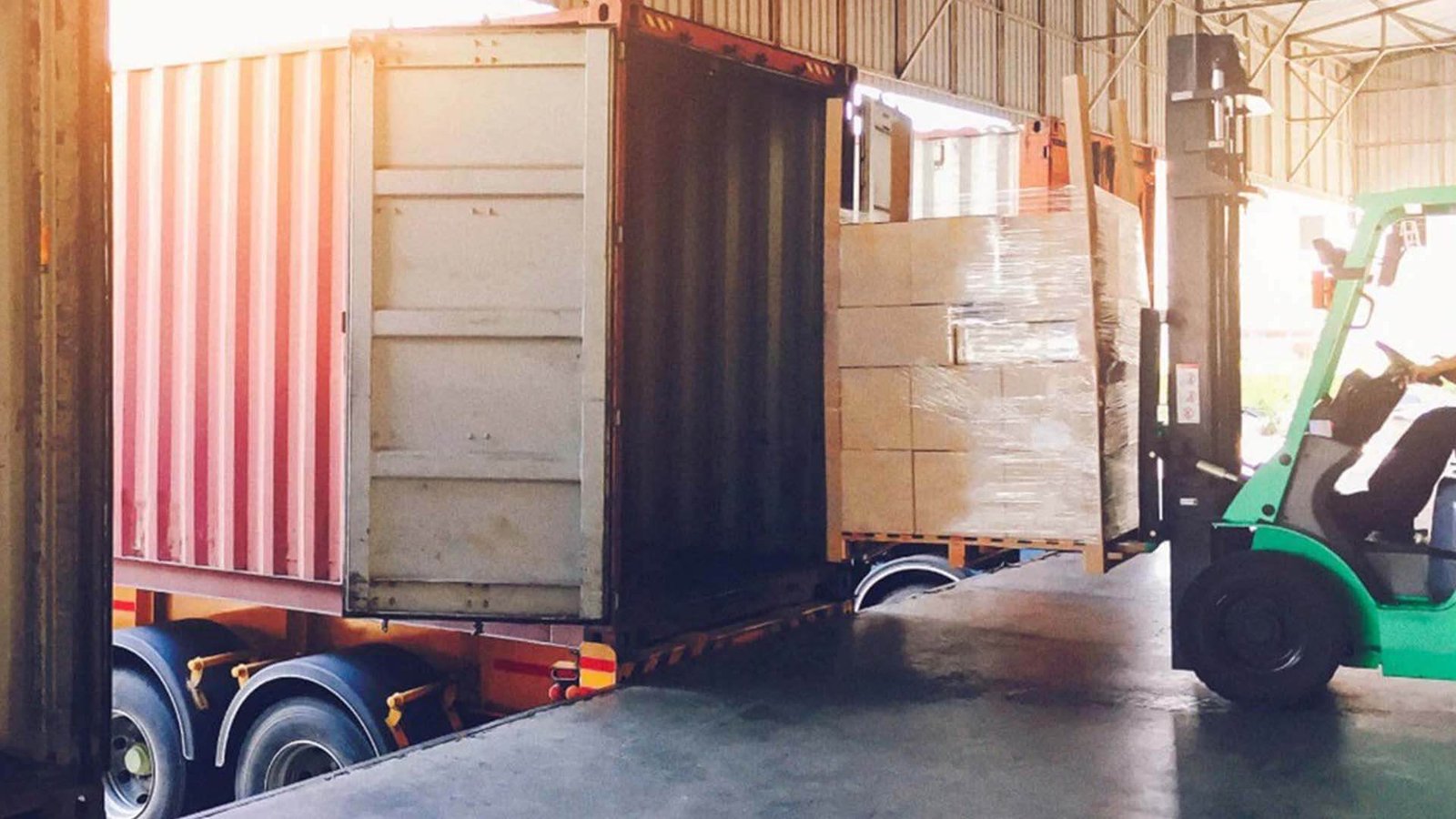
Air transport imposes stricter regulations compared to ocean freight. For instance, there are quantity limits and various operator-specific requirements. Conversely, ocean transport focuses on segregation and stowage compatibility. Hidden DG risks are often found in everyday items such as batteries, aerosols, solvents, paints, and adhesives.
To illustrate the differences between air and ocean shipping, consider the following table:
| Topic | Air (IATA DGR10) | Ocean (IMDG) | Importer Risk | Forwarder Control |
|---|---|---|---|---|
| Packaging approvals | Yes | Yes | High due to varied regulations | Critical for compliance |
| Quantity limits | Strict limits | More lenient | Potential fines | Validates before transport |
| Labeling | Specific requirements | Less restrictive | Mislabeling can lead to rejection | Ensures compliance |
| Documentation | Complex | Detailed | Incomplete can cause delays | Prepares all necessary papers |
| Segregation | Required | Crucial | Incompatible goods can be dangerous | Guarantees proper handling |
| Acceptance process | Stringent | Dependent on carrier | Risk of rejection | Manages approvals |
| Transit time/cost trade-offs | Higher costs | Generally lower | Cost vs. compliance | Evaluates options |
What documents a DG freight forwarder must prepare (DGD/Shipper’s Declaration, SDS, labels, and emergency response info)?
DG shipments require strict documentation including a Dangerous Goods Declaration (air), compliant SDS, correct marks/labels, and emergency response information13 based on UN classification. Missing or inconsistent paperwork is a leading reason shipments are refused at origin. A DG forwarder6 checks documents against mode rules and carrier variations before cargo is delivered to terminal.
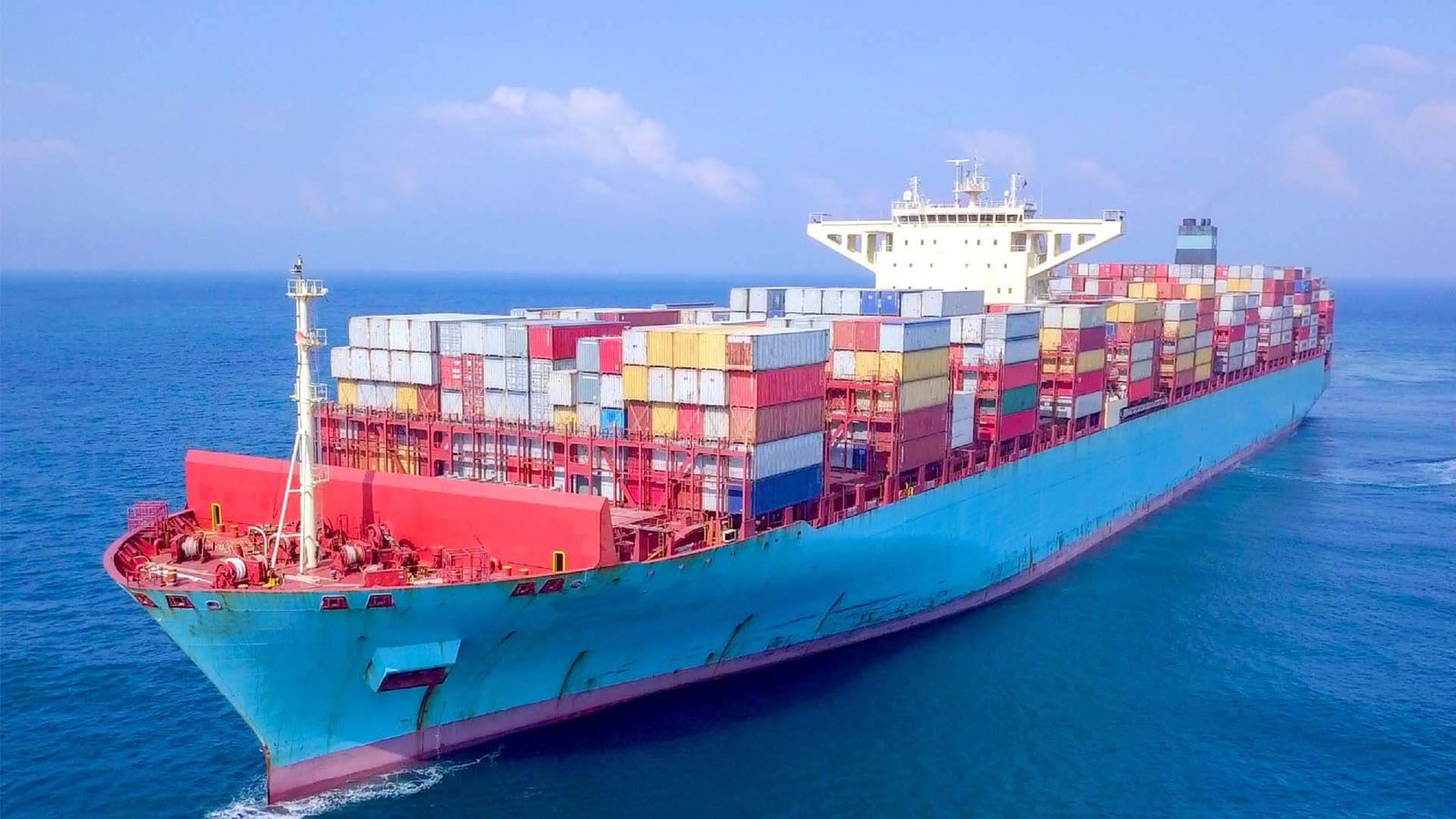
The following is a breakdown of required documents for DG shipping:
| Document | Air Required? | Ocean Required? | Who Issues | Common Rejection Reason |
|---|---|---|---|---|
| Safety Data Sheet (SDS)7 | Yes | Yes | Shipper/Manufacturer | Mismatched data |
| Dangerous Goods Declaration (DGD)14 | Yes | No | Shipper | Incomplete information |
| DG Note/IMO Declaration | No | Yes | Shipper | Missing details |
| Packing Certificate | Yes | Yes | Forwarder | Incorrect packing info |
| Labels | Yes | Yes | Shipper | Incorrect labels |
| Lithium Battery Test Summary | Yes | If applicable | Manufacturer | Not provided |
| Emergency Contact | Yes | Yes | Shipper | Missing contact info |
How packaging, marking, labeling, and segregation rules15 work (UN-approved packaging16, quantity limits, and compatibility)?
DG packaging must match UN classification and packing instructions, including UN-approved packaging16 where required, correct marks/labels, and segregation rules15 to prevent incompatible goods from being stored together. Most DG incidents and rejections come from wrong packaging type, incorrect labels, or mixing incompatible goods. A DG forwarder6 coordinates packing validation and terminal acceptance.

UN-approved packaging16 is marked with a UN number2, ensuring that the packaging meets safety standards for specific types of dangerous goods. The concept of Limited Quantity (LQ)17 allows for easier compliance, but care must still be taken with segregation rules15.
Here's a risk matrix for packaging and handling:
| Risk Area | What Goes Wrong | Consequence | Prevention | Forwarder Control |
|---|---|---|---|---|
| Improper packaging | Leakage, contamination | Safety hazards | Use UN-approved packing | Validates packaging compliance |
| Incorrect labeling | Misidentification | Delays at customs | Ensure proper label application | Reviews labels prior to shipment |
| Incompatible goods mixed | Chemical reactions | Dangerous incidents | Conduct compatibility checks | Manages segregation checks |
| Overpacking | Exceeds limits | Fines, delays | Adhere to quantity limits | Confirms weight/volume compliance |
End-to-end DG forwarding workflow from supplier to U.S. delivery (pickup → port/airport acceptance → carriage → customs → final mile).
DG forwarding requires an end-to-end workflow: classification validation18, carrier approval, packaging checks, documentation preparation, terminal acceptance, and compliant loading/stowage through transit and final delivery. DG shipments face extra screening and acceptance steps compared to general cargo. A specialized DG forwarder6 manages approvals and ensures compliance before cargo reaches the airport or port.
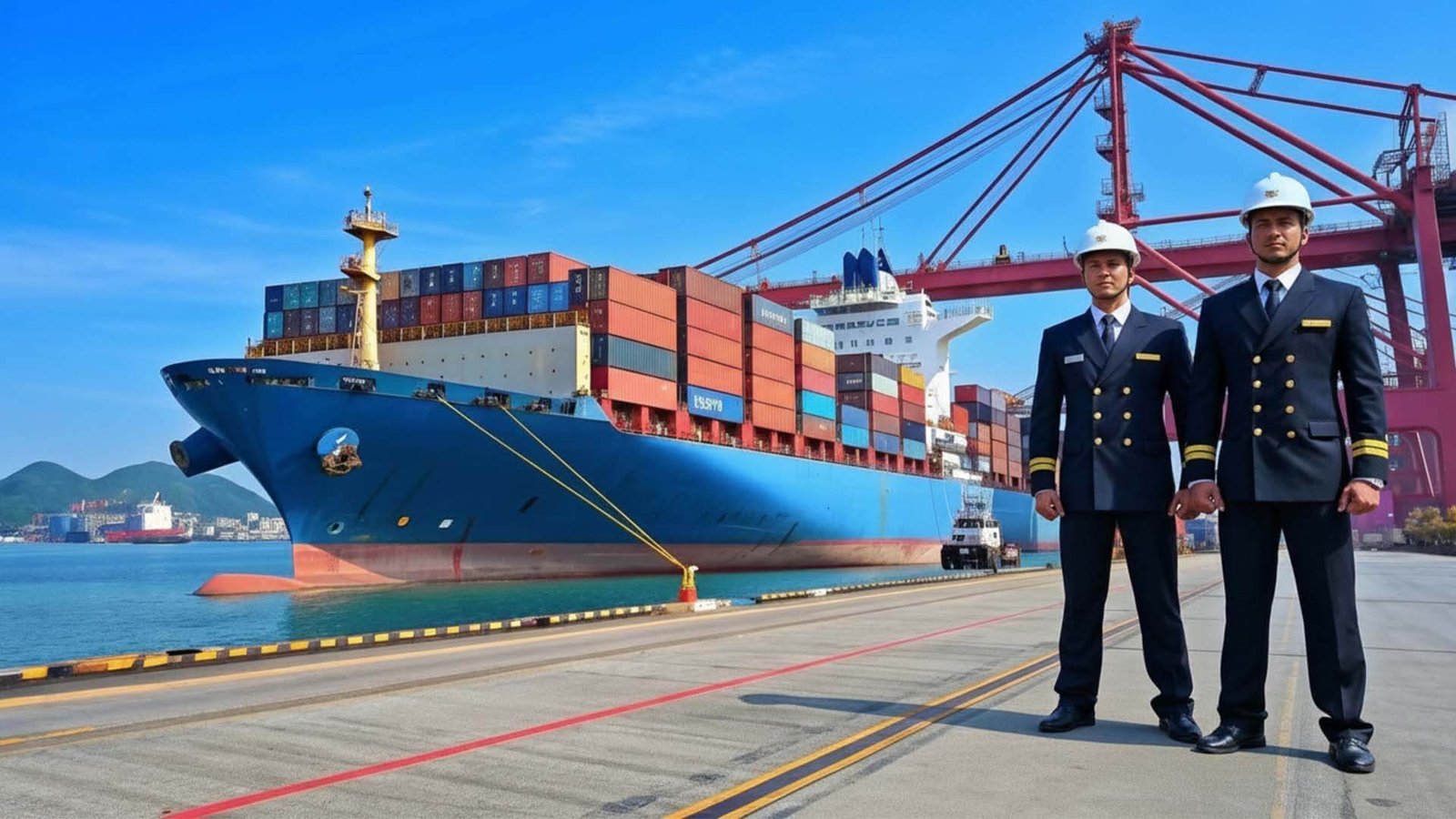
Here’s a typical workflow:
- Supplier/manufacturer
- DG classification confirmation
- Mode selection (air/ocean)
- Carrier pre-approval
- Packaging & labeling verification
- Document packet finalization
- Terminal acceptance (port/airport)
- Export movement
- Import arrival
- Customs entry & PGA checks (if any)
- Pickup/warehouse (if needed)
- Final delivery
And here’s a timeline of common delay points in DG shipping:
| Stage | Typical Timeline | Common Delay Cause | How to Prevent | Who Owns It |
|---|---|---|---|---|
| DG Classification Confirmation | 1-2 days | Missing information | Early data collection | Importer |
| Carrier Pre-Approval | 1-3 days | Delayed response | Establish relationships | Forwarder |
| Document Finalization | 1-2 days | Incomplete paperwork | Thorough documentation checks | Forwarder |
| Terminal Acceptance | 1-2 days | Inspection issues | Ensure compliance | Forwarder |
Importer risk management for DG cargo (carrier acceptance checks, insurance gaps, penalties, and compliance controls).
DG shipments create higher business risk due to carrier acceptance rules, misdeclaration penalties, incident liability, and insurance exclusions19 if compliance steps are skipped. Importers should implement controls for classification governance, document review, packaging verification, and shipment auditing. A DG-capable forwarder reduces risk by validating requirements before pickup and maintaining compliance records.
Importers must be aware of the consequences of misdeclaration, which can lead to operational and financial penalties. Insurance may deny claims if the hazardous nature of the goods is not accurately communicated. Establishing Standard Operating Procedures (SOPs)20 for risk management can help manage potential pitfalls.
Here’s a table of red flags that could trigger penalties or rejections:
| Red Flag | Why It’s Dangerous | Outcome | Prevention | Forwarder Solution |
|---|---|---|---|---|
| Incorrect packaging | Leads to leaks and hazards | Shipment refusal | Ensure packaging compliance | Reviews before transport |
| Missing SDS | Lack of safety information | Non-compliance penalties | Ensure all documentation is complete | Validates SDS against cargo |
| Inaccurate labeling | Misidentification | Safety risks and fines | Double-check all labels | Confirms labels before shipment |
Conclusion
Understanding Dangerous Goods shipping processes is vital for compliance and safety. Proper documentation, classification, and risk management can help U.S. importers avoid delays and penalties.
Understanding what constitutes Dangerous Goods is essential for compliance and avoiding fines in shipping. ↩
Knowing the UN number is crucial for identifying hazards and ensuring proper shipping procedures. ↩
Understanding hazard classes helps in determining safety measures and compliance requirements. ↩
Packing groups affect packaging standards and are vital for safe transport of Dangerous Goods. ↩
Understanding reasons for carrier rejections helps in preventing delays and fines in DG shipping. ↩
A DG forwarder ensures compliance with Dangerous Goods regulations, reducing risks of fines and delays. ↩
The SDS provides critical safety information, though not definitive for classification, it's essential for handling DG. ↩
The Proper Shipping Name ensures correct shipping and prevents mislabeling, which can lead to fines. ↩
This summary is crucial for compliance when shipping batteries, preventing fines and rejections. ↩
IATA DGR outlines strict regulations for air transport, crucial for compliance and safety. ↩
Mis-declaration can lead to fines, rejections, and safety incidents, making compliance crucial. ↩
The IMDG Code governs ocean transport, focusing on segregation and stowage compatibility. ↩
This information is crucial for handling incidents, ensuring safety during transport. ↩
A DGD is essential for air transport, ensuring all necessary information is provided for compliance. ↩
Segregation rules prevent incompatible goods from being stored together, ensuring safety. ↩
UN-approved packaging ensures safety standards are met, preventing leaks and hazards. ↩
LQ allows for easier compliance with DG regulations, but requires careful adherence to rules. ↩
Validation prevents misclassification, reducing risks of fines and safety hazards. ↩
Understanding exclusions helps in managing risks and ensuring coverage for DG shipments. ↩
SOPs establish guidelines for compliance, reducing risks of penalties and operational issues. ↩