The world of ocean shipping is complex. Understanding the dynamics of carrier alliances1 is crucial for U.S. importers navigating this landscape.
Ocean carrier alliances1 exist because container shipping2 is capital-intensive and network-driven3. By sharing vessels and coordinating service loops4, carriers expand port coverage5, increase sailing frequency6, and reduce unit cost per slot (TEU)7 without each carrier operating every route independently. For importers, alliances can improve network options but also concentrate capacity decisions.
Many importers might wonder how these alliances affect their operations. With the rise of alliances, carriers have become more strategic in their service offerings. However, this also comes with risks. Understanding these aspects can help importers secure better service and cost management.
Why do ocean carrier alliances1 exist: the economics of vessel sharing8, network coverage, and cost-per-slot optimization?
Ocean carrier alliances1 are born out of necessity. In an industry defined by high capital investment and operational complexity, alliances help carriers share resources. This means lower costs and enhanced service options, but it can lead to vulnerabilities for importers.
Carrier alliances facilitate vessel sharing8. By pooling resources, they optimize network coverage and minimize costs per container transported. This is beneficial for importers, but it also increases dependency on fewer carriers for critical routes.
| Alliance mechanism | What carriers do | Why it reduces cost | Importer impact | Risk |
|---|---|---|---|---|
| Vessel sharing | Combine cargo on shared vessels | Lower fixed costs and better efficiency | More competitive rates | Dependency on carrier schedules |
| Slot exchanges | Swap container slots among carriers | Optimize available space | More flexible shipping options | Potential service disruptions |
| Coordinated schedules | Align sailing times and port calls | Reduce idle time at ports | Improved predictability in transit | Vulnerability to scheduling changes |
| Shared terminals | Use the same terminals for different lines | Cost-sharing for port fees | More efficient handling | Terminal congestion risk |
| Network rationalization | Streamline service offerings | Reduce overlapping routes | Better overall network coverage | Service reduction on less popular routes |
How alliances reshape service reliability and transit time?
The reliability of ocean freight can be significantly influenced by alliances. Shared vessels mean shared schedules, which can have both positive and negative impacts on service consistency.
Alliances reshape reliability because multiple carriers share the same vessel loop, port rotations, and terminal windows. When a sailing is delayed, the disruption can cascade across several carriers’ bookings at once. Port omissions, rotation changes, and transshipment timing shifts9 increase lead time variability—meaning importers must plan buffers, routing alternatives, and escalation SOPs.
When assessing service reliability, importers must understand how alliances operate. The interplay of multiple carriers can lead to cascading delays. If one vessel is delayed, it can disrupt the entire schedule, affecting cargo movement and delivery times.
| Alliance behavior | What it looks like in practice | Impact | Mitigation strategy |
|---|---|---|---|
| Port omission | Certain ports skipped in rotation | Longer transit times | Develop alternative routing |
| Terminal change | Switching terminals mid-journey | Increased handling times | Pre-plan terminal transfers |
| Weekly service consolidation | Fewer sailings offered | Limited options | Engage multiple carriers |
| Transshipment re-plan | Changes in cargo transfer locations | Increased lead time | Build in buffer times |
| Cut-and-run | Vessels leaving early to maintain schedule | Rolled cargo | Monitor schedules closely |
How alliance capacity management drives spot rate swings10?
Spot rates can be volatile, primarily due to the way alliances manage capacity. Blank sailings, for instance, can create sudden shifts in availability and pricing.
Alliances influence spot rates because they shape effective capacity through blank sailings11, vessel redeployments, and network optimization. When sailings are withdrawn or space is consolidated, the market tightens and spot prices rise—especially in peak season. Equipment repositioning also matters: even when ships sail, container availability can restrict shippers and increase costs.
Effective capacity is not always equal to total fleet capacity. Understanding the nuances of this can help importers manage costs better. Spot rates can fluctuate dramatically, and being prepared for these shifts is key.
| Driver | What it is | Early warning signal | Cost impact | Importer mitigation |
|---|---|---|---|---|
| Blank sailings | Cancelled sailings for capacity | Notices of blank sailings11 | Rate increases | Diversify shipping sources |
| Port congestion spillover | Delays at ports causing bottlenecks | Increased wait times | Higher costs | Build buffer times |
| Equipment shortages & repositioning | Imbalance in container availability | Equipment allocation issues | Increased shipping fees | Secure contracts in advance |
| Surcharges (PSS/GRI) timing | Additional fees for peak periods | Notifications from carriers | Sudden cost hikes | Monitor rate changes closely |
| Terminal productivity drops | Reduced efficiency at terminals | Delayed cargo movement | Increased lead times | Plan for alternative terminals |
| Routing shifts | Changes due to disruptions | Alerts from carriers | Cost and time inefficiencies | Keep communication lines open |
What changed in 2025 alliance structures and what it means for importers?
In 2025, the landscape of ocean alliances underwent significant changes. Understanding these shifts is essential for importers to navigate new challenges and opportunities.
Alliance reshuffles change which carriers share vessels, how service loops4 are structured, and which ports receive priority calls. In 2025, the industry moved away from the prior 2M structure12, creating new network behaviors in transpacific and Asia–Europe trade lanes. For importers, this affects allocation reliability, routing options, and port pair performance.
These changes can lead to significant impacts on service and rates. Importers must be prepared for alterations in how their goods move through the supply chain.
| Alliance/network | Key carrier groupings | Strength (network coverage) | Reliability approach | Importer risk / watchout |
|---|---|---|---|---|
| Gemini Cooperation13 | New partnerships in Asia | Enhanced service options | Focus on reliability | Uncertainty in new routing |
| MSC network | Independent networks | Diverse routing options | Greater competition | Potential service gaps |
| Ocean Alliance members | Continued collaboration | Consistent service levels | Adaptability to market needs | Risk of port omissions14 |
Importer playbook: how to protect service and cost under alliance-driven networks?
Navigating the complexities of ocean alliances requires a strategic approach. Importers must have a clear playbook to manage costs and services effectively.
Importers can reduce alliance-driven risk by diversifying routing, splitting volume across more than one carrier network, and building service redundancy into procurement. A strong playbook includes contract allocation planning, spot coverage rules, port pair diversification, and buffer inventory tactics. Forwarders add value by offering multi-carrier options, visibility, and escalation control when rollovers occur.
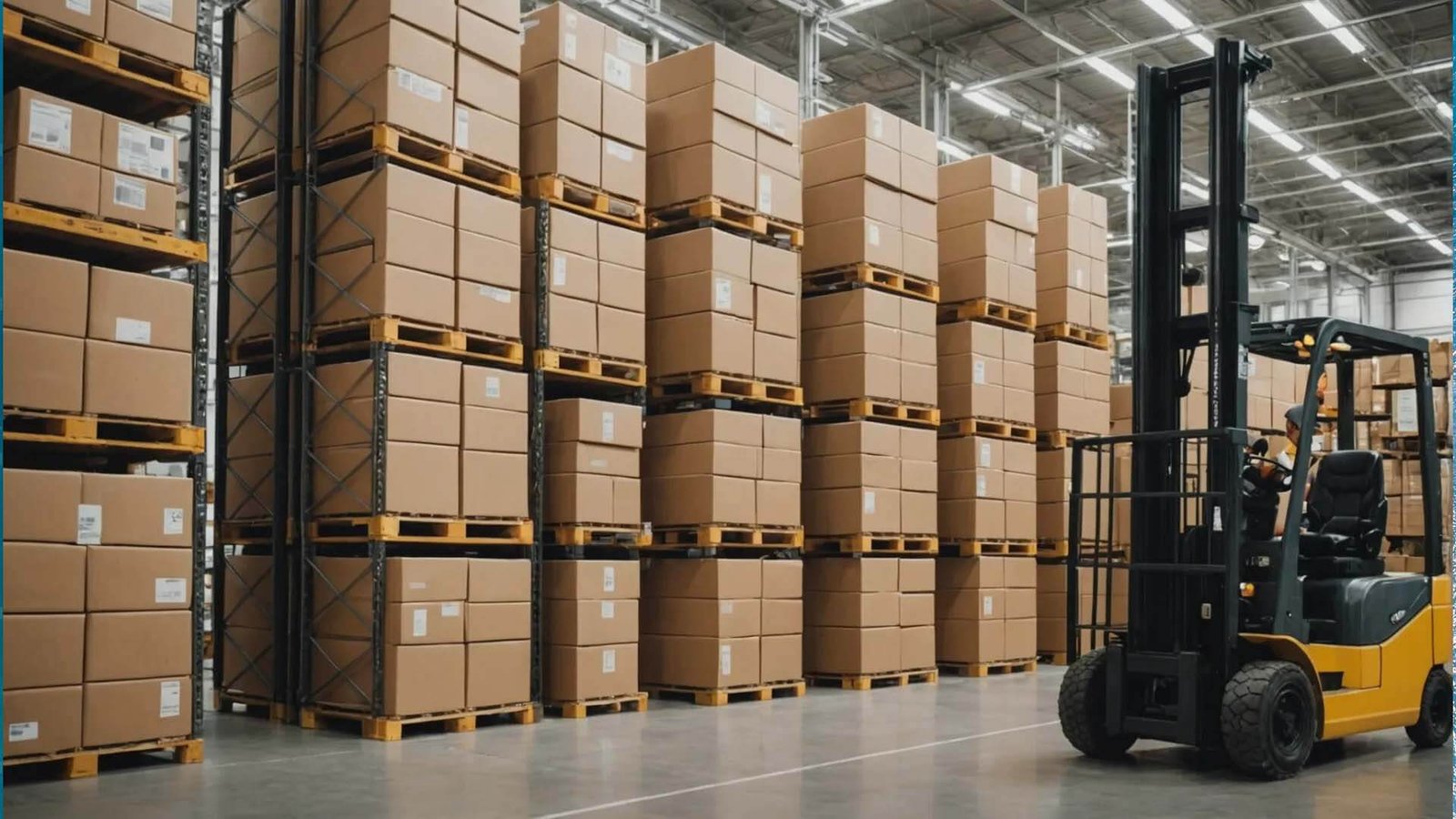
The playbook should be detailed and structured, helping importers to mitigate risks effectively.
Importer Routing Strategy Blueprint15
- Lane design: Identify primary and backup ports
- Carrier diversification: Utilize at least two carrier networks
- Service level: Balance transit time and reliability
- Inventory buffer: Categorize SKUs into A/B/C classes
- Exception SOP: Develop procedures for rollovers, port omissions14, and terminal changes
Conclusion
Understanding ocean carrier alliances1 is crucial for U.S. importers. By leveraging strategic insights, they can navigate these networks effectively and optimize their supply chain operations.
Understanding carrier alliances is crucial for importers to optimize their shipping strategies and manage costs effectively. ↩
Container shipping is the backbone of global trade, and understanding its mechanics can help importers make informed decisions. ↩
Network-driven operations are key to efficient shipping, impacting how carriers manage routes and schedules. ↩
Service loops determine the routes and schedules of carriers, affecting delivery times and reliability. ↩
Expanding port coverage allows carriers to offer more routes, benefiting importers with more options for shipping. ↩
Increased sailing frequency can lead to better service reliability and more flexible shipping options for importers. ↩
Understanding TEU costs helps importers manage expenses and negotiate better shipping rates. ↩
Vessel sharing reduces costs and increases efficiency, but also creates dependencies on carrier schedules. ↩
Timing shifts can increase lead time variability, requiring importers to plan for delays. ↩
Spot rate swings affect shipping costs, and understanding them helps importers budget effectively. ↩
Blank sailings can cause sudden shifts in capacity and pricing, impacting shipping costs. ↩
The 2M structure was a major alliance that influenced shipping routes and service reliability. ↩
Gemini Cooperation represents new partnerships that offer enhanced service options for importers. ↩
Port omissions can lead to longer transit times, affecting delivery schedules for importers. ↩
A routing strategy blueprint helps importers manage risks and optimize their shipping operations. ↩