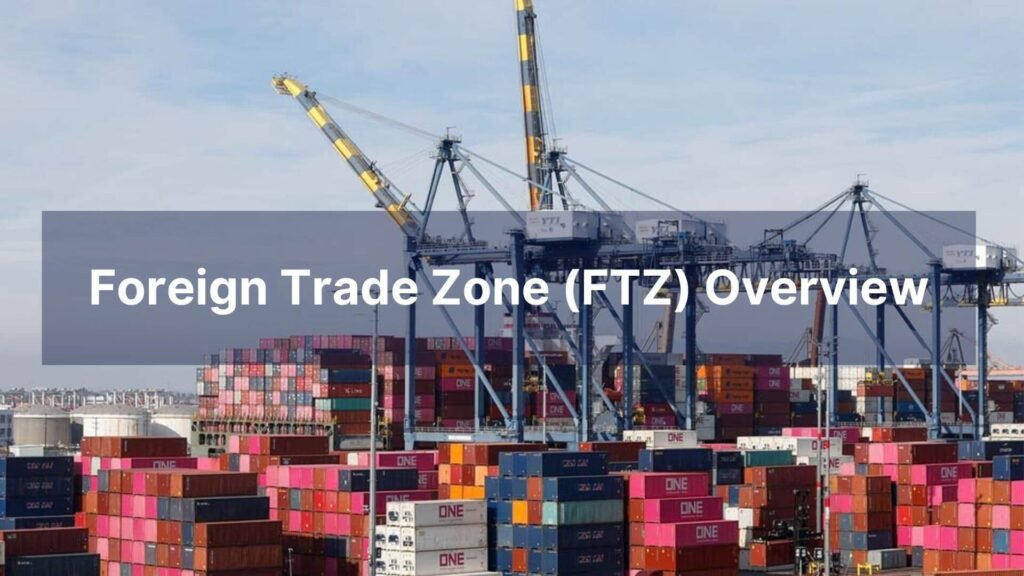
The first paragraph, which uses PAS formula to grab the reader's attention (max 30 words). Navigating import duties1 can be daunting. Understanding how a Foreign-Trade Zone (FTZ)2 operates can transform your cash flow3 and reduce costs for your business4.
second paragraph at the beginning, answering the question posed by the title, this paragraph must be HELPFUL to the reader and will be ussed later to compete for Google's Featured Snippets. (max 50 words) A U.S. Foreign-Trade Zone (FTZ)5)] is a secure area authorized by the Foreign-Trade Zones Board6 and supervised by CBP7, where goods can be admitted and stored, manipulated, or manufactured under special customs procedures8. Importers typically pay duty only when goods are withdrawn9 for U.S. consumption, improving cash flow10 and enabling duty planning11.
The paragraph that begins and ends with a paragraph that will keep the customer from reading further. If you're considering FTZs, understanding their operational mechanisms and benefits is crucial. Let’s dive into the details so you can make informed decisions that will enhance your import operations.
What a U.S. Foreign-Trade Zone (FTZ)5)] is and how it changes duty timing for importers?
The first paragraph, which uses the PAS strategy to grab the reader's attention (max 30 words). FTZs can be game changers for importers12 facing high duty costs. They help manage cash flow while complying with U.S. customs regulations13 and timing.
The second paragraph, which answers the question posed by the headline, is the paragraph that will be used later to compete for Google's Featured Snippets. (max 50 words) A Foreign-Trade Zone (FTZ)2 is treated as outside U.S. customs territory14 for duty purposes. This means that duty is only paid when goods are withdrawn for U.S. consumption, enhancing cash flow15 and enabling better duty management16.
Based on the secondary headings, continue to extend and go deeper, can use critical thinking, to break down the question, to help the reader understand more deeply, need to use the tertiary headings, and Markdown formatting tables to express the ideas in a more structured way. (around 150 words) Foreign-Trade Zones (FTZs) allow businesses to store goods without paying duties upfront, a significant advantage for importers. The process begins with the application for FTZ status and admission of goods into the zone. Once admitted, businesses can manipulate or assemble goods, only paying duties when goods are withdrawn for U.S. consumption. This arrangement facilitates better cash flow management.
Here’s a brief comparison of how duty is affected:
| Stage | Inside FTZ | Outside FTZ |
|---|---|---|
| Duty Payment Timing | Upon withdrawal | At import |
| Cash Flow Impact | Improved | Diminished |
| Operational Flexibility | High (manipulation/assembly allowed) | Limited (only storage) |
Understanding these aspects helps importers leverage FTZs effectively.
The biggest FTZ benefits importers actually use (duty deferral17, duty elimination on exports18, inverted tariff savings19, and reduced MPF through weekly entry20)?
The first paragraph, which uses the PAS strategy to grab the reader's attention (max 30 words). FTZs provide multiple advantages that can significantly lower costs for importers. Understanding these benefits can lead to smarter business decisions.
The second paragraph, which answers the question posed by the headline, is the paragraph that will be used later to compete for Google's Featured Snippets. (max 50 words) Importers use FTZs for four core advantages: (1) duty deferral17 until goods enter U.S. commerce, (2) duty elimination on goods that are re-exported, (3) inverted tariff savings19 when the finished product has a lower duty rate than its components, and (4) reduced MPF exposure using weekly entry filing.
Based on the secondary headings, continue to extend and go deeper, can use critical thinking, to break down the question, to help the reader understand more deeply, need to use the tertiary headings, and Markdown formatting tables to express the ideas in a more structured way. (around 150 words) The benefits of FTZs can directly impact an importer’s bottom line. Here’s a detailed look at how FTZs can save money:
| Benefit | How it Saves Money | Best Importer Scenario | Key Limitation | Broker/FTZ Operator Role |
|---|---|---|---|---|
| Duty Deferral | Pay duty only when goods enter U.S. | Importers with high volume shipments | Complexity in compliance | Coordinating with CBP for admissions |
| Duty Elimination on Exports | No duty on re-exported goods | Exporters of U.S. manufactured goods | Requires documentation | Ensuring accurate record-keeping |
| Inverted Tariff | Lower duty on finished products | Importers with lower duty rates on finished goods | Needs careful analysis | Advising on tariff classifications |
| Reduced MPF through Weekly Entry | Consolidates entries to save on MPF fees | High-volume importers | Greater operational oversight | Filing weekly entries |
Understanding the benefits helps in making informed decisions.
FTZ vs bonded warehouse vs free trade agreement (FTA): what’s different, what’s regulated by CBP, and which strategy fits different importer goals?
The first paragraph, which uses the PAS strategy to grab the reader's attention (max 30 words). Choosing the right customs strategy can lead to significant cost savings. Understanding the differences between FTZs, bonded warehouses, and FTAs is essential for effective decision-making.
The second paragraph, which answers the question posed by the headline, is the paragraph that will be used later to compete for Google's Featured Snippets. (max 50 words) FTZs and bonded warehouses both support duty deferral17, but they operate under different authorization structures and allow different activities. FTZs often provide stronger operational flexibility for kitting, assembly, and manufacturing (when authorized) and can offer weekly entry benefits. Bonded warehouses are typically used for storage under bond.
Based on the secondary headings, continue to extend and go deeper, can use critical thinking, to break down the question, to help the reader understand more deeply, need to use the tertiary headings, and Markdown formatting tables to express the ideas in a more structured way. (around 150 words) Understanding the differences between FTZs, bonded warehouses, and FTAs can help importers choose the right strategy. Below is a comparison:
| Feature | FTZ | Bonded Warehouse | Non-Bonded Warehouse |
|---|---|---|---|
| Duty Payment Timing | Upon withdrawal | At import | Duty paid upfront |
| Export/Re-export Handling | Allowed with no duties | Duties apply unless goods are re-exported | No special treatment |
| Manufacturing/Assembly Allowed | Yes (if authorized) | No | No |
| Weekly Entry / MPF Advantages | Yes | No | No |
| Compliance Burden | Higher due to operational flexibility | Moderate | Lower |
| Best For | High volume importers and manufacturers | Businesses needing storage without assembly | Simple storage needs |
This comparison provides clarity when deciding on the best fit for your business.
How FTZs work operationally (admission, zone status, inventory control, withdrawals, and what CBP expects for compliance and recordkeeping)?
The first paragraph, which uses the PAS strategy to grab the reader's attention (max 30 words). Understanding the operational aspects of FTZs is crucial for maximizing their benefits. Proper management can streamline compliance and improve efficiency.
The second paragraph, which answers the question posed by the headline, is the paragraph that will be used later to compete for Google's Featured Snippets. (max 50 words) Operating in an FTZ requires structured processes: admitting goods into the zone, tracking inventory status, documenting manipulations or manufacturing, and filing withdrawals when goods enter U.S. commerce. CBP expects strong inventory control, recordkeeping, and audit readiness because FTZ procedures affect duty calculation and timing.
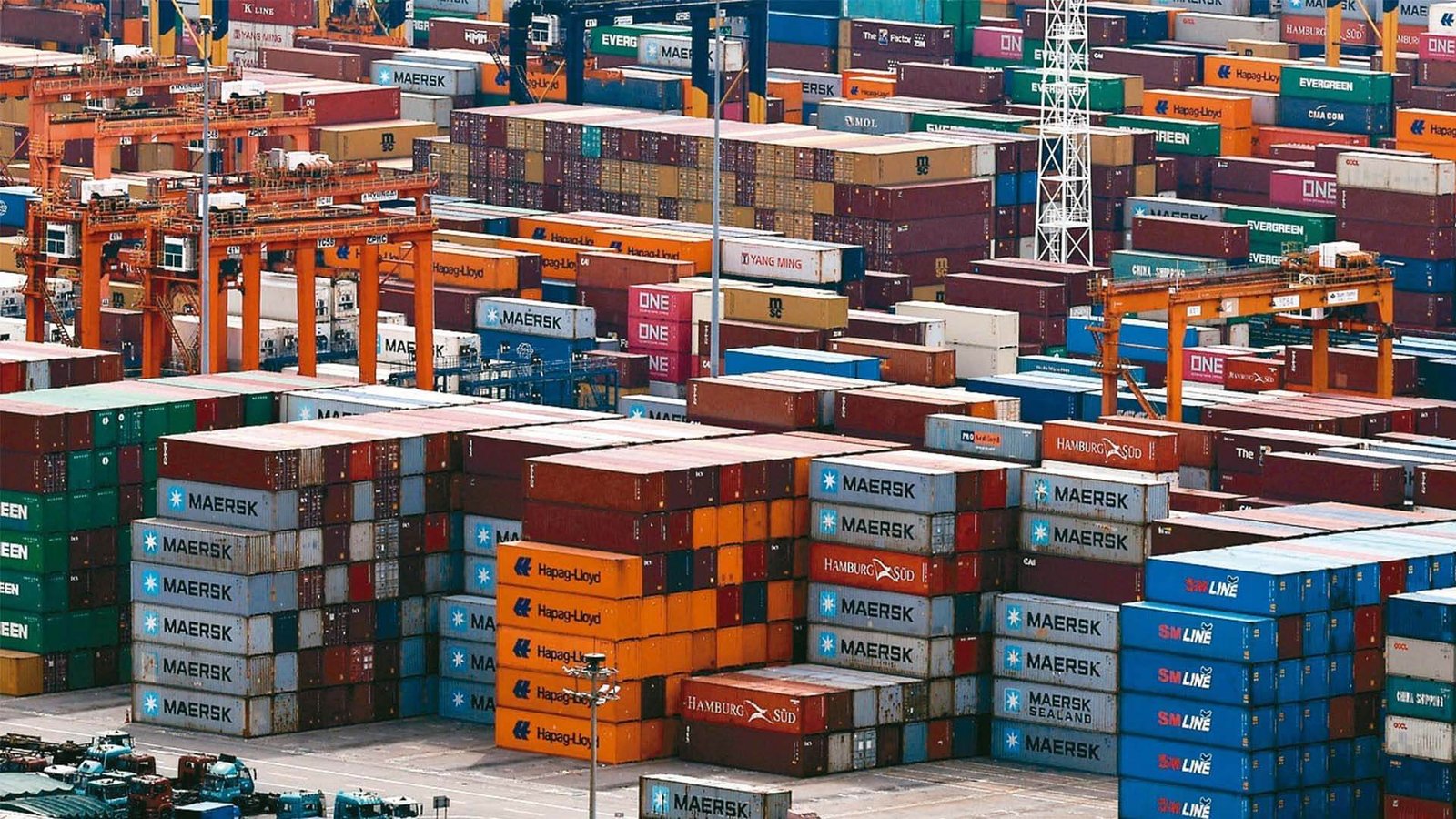
Based on the secondary headings, continue to extend and go deeper, can use critical thinking, to break down the question, to help the reader understand more deeply, need to use the tertiary headings, and Markdown formatting tables to express the ideas in a more structured way. (around 150 words) The operational workflow for FTZs is vital to ensure compliance and duty savings. Here’s a basic workflow diagram:
- Supplier shipment arrives
- Admission to FTZ (operator + broker data)
- Inventory tracking / zone status
- Kitting/assembly/manufacturing (if approved)
- Withdrawal for U.S. consumption OR export
- Entry filing / weekly entry
- Compliance record retention
Here’s an overview of key CBP expectations:
- Admission: Goods must be recorded properly with correct documentation.
- Storage/Manipulation/Manufacturing: Activities must be compliant with the FTZ agreement.
- Withdrawal: Must be tracked and recorded accurately.
- Inventory Control Software: Expectations for maintainable audit trails are crucial.
A structured approach ensures operational efficiency and compliance.
Importer decision framework: when an FTZ is worth it (tariff exposure like Section 301, long dwell times, high SKU volume, re-exports, and manufacturing/assembly use cases)?
The first paragraph, which uses the PAS strategy to grab the reader's attention (max 30 words). Is an FTZ right for your business? Understanding the decision framework can help you assess the potential benefits and savings.
The second paragraph, which answers the question posed by the headline, is the paragraph that will be used later to compete for Google's Featured Snippets. (max 50 words) FTZ programs work best when the importer has measurable duty exposure, high shipment frequency (MPF-heavy), long inventory dwell time, or re-export activity. FTZ can improve cash flow and reduce certain costs, but it adds operational complexity and compliance obligations.

Based on the secondary headings, continue to extend and go deeper, can use critical thinking, to break down the question, to help the reader understand more deeply, need to use the tertiary headings, and Markdown formatting tables to express the ideas in a more structured way. (around 150 words) To determine if an FTZ is a good fit, consider these factors:
| Importer Variable | Example Metric | Why it Matters | How FTZ Affects It | ROI Signal |
|---|---|---|---|---|
| Annual Duty Paid | $100,000 | High duties indicate significant savings potential with FTZ | Duty deferred until withdrawal is made | Duty savings must exceed FTZ costs |
| Shipment Frequency | 200 entries per month | High volume can justify weekly entry savings | Consolidation reduces costs | Cost reduction must be measurable |
| Average Inventory Dwell Time | 60 days | Longer dwell times increase duty exposure | Duty is deferred until final withdrawal | Reduced cash outflow |
| % Re-export | 30% | High re-export rates could eliminate duties | No duty on re-exports | Potential for high savings |
| SKU Count and Complexity | 500 SKUs | Complexity can impact inventory control strategies | Need for robust tracking mechanisms | Effective tracking increases compliance |
| Operator Fees and Admin Costs | $10,000 annually | Adds to the total cost of using an FTZ | Should be factored into ROI calculation | Must balance with savings |
| Compliance Staffing/Software | $25,000 annually | Necessitates investment in compliance infrastructure | Affects the net ROI | Must support compliance readiness |
Understanding these metrics allows importers to run an effective ROI model.
Conclusion
Foreign-Trade Zones offer significant benefits for U.S. importers, but careful analysis is crucial for success.
Understanding how to navigate import duties can save your business money and streamline operations. Explore strategies to manage these costs effectively. ↩
Learn how FTZs can transform your business operations by improving cash flow and reducing costs through special customs procedures. ↩
Discover how utilizing an FTZ can enhance your business's cash flow by deferring duty payments and optimizing financial management. ↩
Explore how FTZs can help your business cut costs by deferring duties and taking advantage of special customs procedures. ↩
Understand the advantages of using a U.S. FTZ, including duty deferral and improved cash flow, to enhance your import operations. ↩
Learn about the Foreign-Trade Zones Board's role in authorizing and regulating FTZs to ensure compliance and operational efficiency. ↩
Find out how Customs and Border Protection (CBP) supervises FTZs to ensure compliance with U.S. customs regulations. ↩
Explore the unique customs procedures available in FTZs that can benefit your business by deferring duties and enhancing flexibility. ↩
Understand the timing of duty payments in an FTZ and how it can improve your business's cash flow and duty planning. ↩
Learn how FTZs can enhance your business's cash flow by deferring duty payments until goods are withdrawn for U.S. consumption. ↩
Discover how duty planning within an FTZ can optimize your business's financial management and reduce costs. ↩
Find out how FTZs can revolutionize import operations by reducing costs and improving cash flow for businesses. ↩
Explore how FTZs ensure compliance with customs regulations while offering financial benefits to importers. ↩
Understand the unique status of FTZs and how it affects duty payments and customs procedures. ↩
Learn strategies to enhance cash flow through the use of FTZs, including duty deferral and improved financial management. ↩
Discover how FTZs offer better duty management options, allowing businesses to optimize their import operations. ↩
Explore how duty deferral in FTZs can benefit your business by delaying duty payments and improving cash flow. ↩
Learn how FTZs can eliminate duties on exported goods, providing significant cost savings for your business. ↩
Understand how inverted tariff savings in FTZs can reduce costs by applying lower duty rates to finished products. ↩
Find out how FTZs can reduce Merchandise Processing Fees (MPF) through weekly entry, saving your business money. ↩