Freight forwarding can seem daunting. How do you find a reliable logistics partner1 to handle your shipments? This guide will break it down.
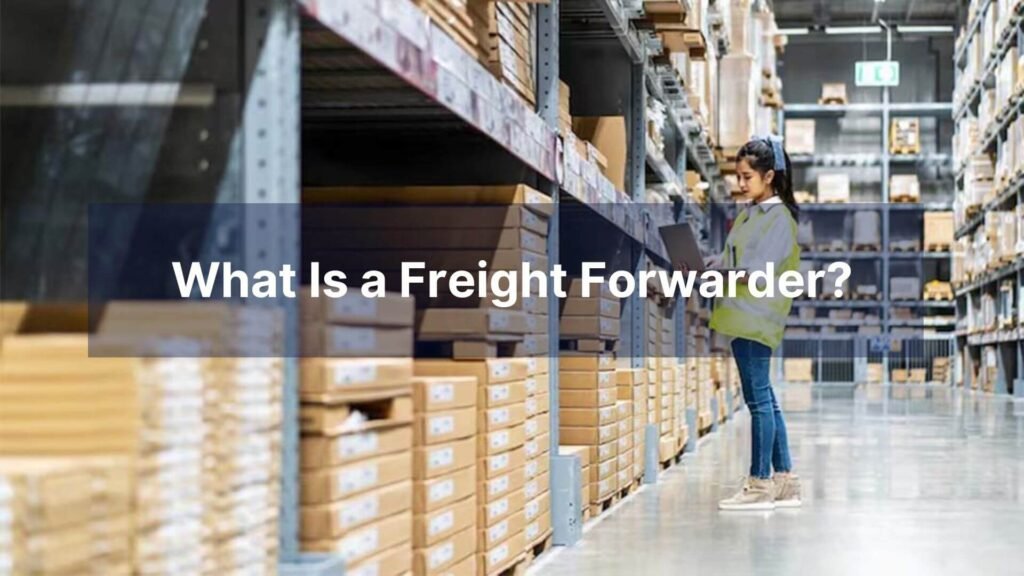
A freight forwarder is a logistics partner that organizes international cargo movement2 for importers and exporters. Instead of operating ships or airplanes, forwarders coordinate transportation across ocean, air, rail, and trucking—arranging carrier bookings3, documentation4, tracking5, and delivery milestones6. For importers, a forwarder acts like a “control tower7” that keeps freight moving and problems managed end-to-end.
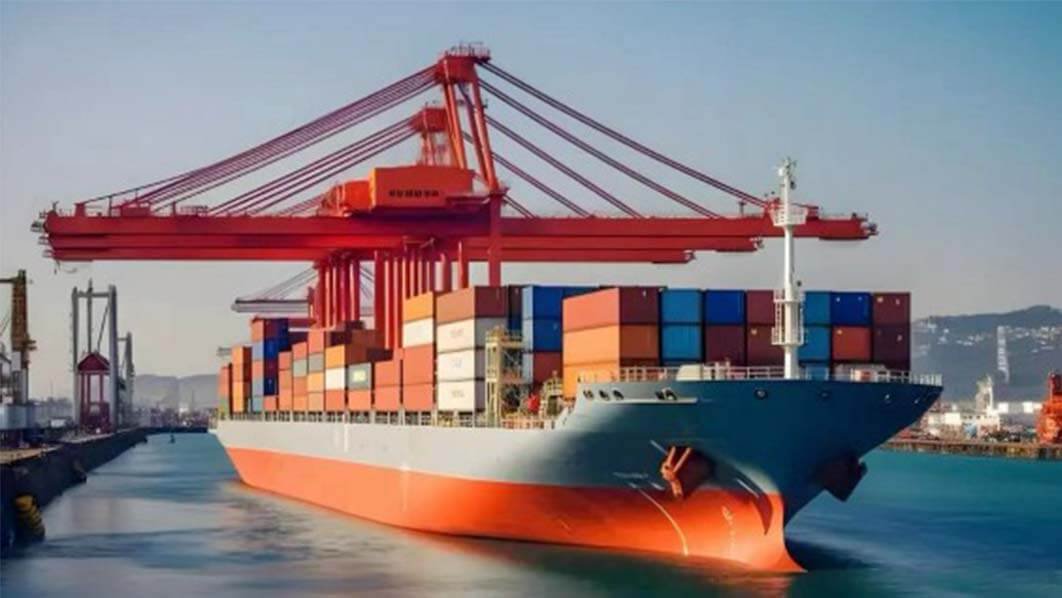
Freight forwarding is essential for smooth international shipping. Importers, like you, need to understand how freight forwarders work to navigate this complex landscape.
What a freight forwarder is (your logistics control tower7 that organizes international transport across ocean, air, rail, and truck)?
Freight forwarding can be confusing. What is a freight forwarder exactly? It’s a partner that helps with international transport. They manage logistics from start to finish. They don’t own ships or planes, but they coordinate the movement of goods using various carriers.
A freight forwarder is central to international shipping. They act as intermediaries, managing various transportation methods and ensuring smooth transitions across ocean, air, rail, and road. The forwarder’s role is crucial in executing logistics plans and solving problems that arise during transportation.
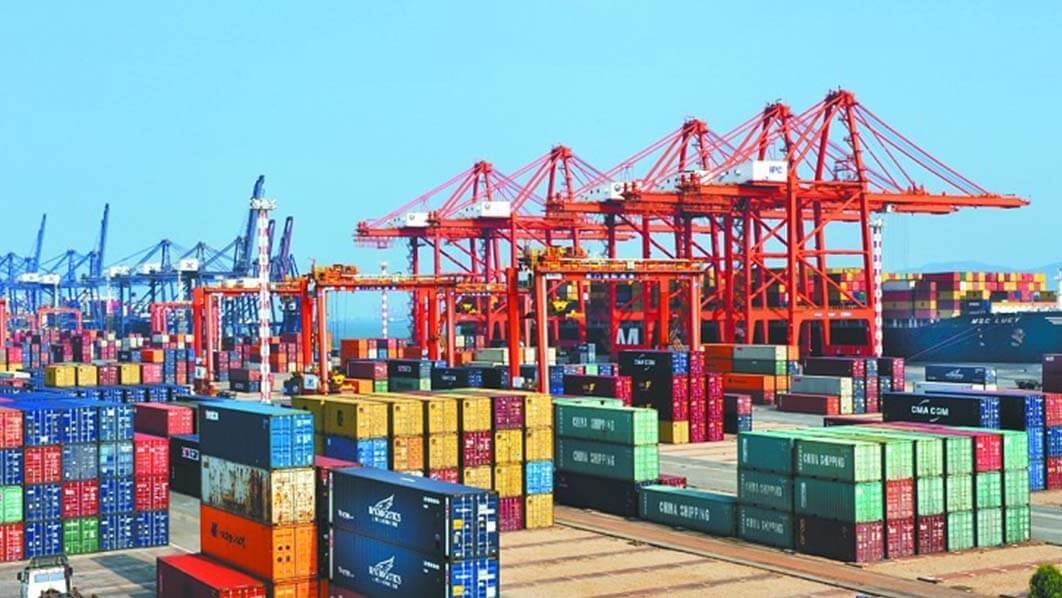
Forwarders optimize transport by choosing the best routes and handling the details that can bog down importers. They also manage documents, ensuring compliance with regulations.
What freight forwarders actually do for U.S. importers (carrier booking, consolidation, documentation4, tracking5, and exception management)?
What do freight forwarders do on a daily basis? They handle the nitty-gritty details that you might not want to manage. This includes booking carriers, preparing shipping documents, and tracking5 shipments.
Freight forwarders handle the execution details importers don’t want to manage alone: booking carriers, preparing shipping documents, coordinating pickup, consolidating cargo (LCL)8, arranging drayage9, tracking5 milestones, and resolving exceptions like rollovers, holds, and missed appointments. Many forwarders also coordinate customs brokerage10 to ensure clearance timing matches delivery—reducing delays and avoidable fees.
Mandatory Table: “Forwarder Services by Shipment Stage”
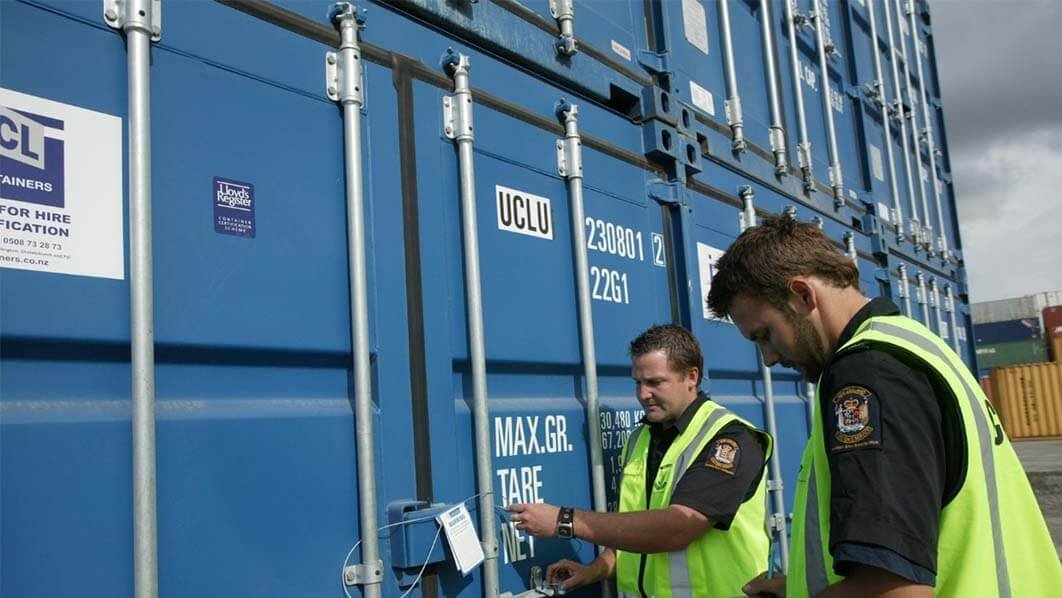
| Stage | Forwarder Action | Importer Input Needed | Common Risk | How Forwarder Prevents It |
|---|---|---|---|---|
| Pre-shipment Planning | Assessing transport needs | Shipping instructions | Miscommunication | Clear instructions and coordination |
| Origin Pickup | Arranging pickup with carriers | Shipment availability | Delays | Timely communication with carriers |
| Export Docs | Preparing and verifying export documentation4 | Accurate info | Documentation errors | Checklist for required documents |
| International Transit | Monitoring shipment progress | Tracking updates | Delayed transit | Proactive tracking5 and updates |
| Port Arrival | Coordinating arrival logistics | Notification timing | Unplanned costs | Efficient arrival planning |
| Customs Clearance | Managing customs documentation4 | Accurate info | Clearance delays | Pre-clearance coordination |
| Final Delivery | Organizing final delivery to destination | Delivery preferences | Missed appointments | Timely scheduling |
| Empty Return / Closure | Returning containers post-delivery | Scheduling return | Additional fees | Coordination of return logistics |
Freight forwarders simplify the process, helping you focus on your core business while they handle the logistics.
Freight forwarder vs customs broker vs carrier (who is responsible for transport, CBP clearance, and final delivery)?
Understanding the difference between a freight forwarder, customs broker, and carrier is crucial. Each plays a different role in the logistics chain.
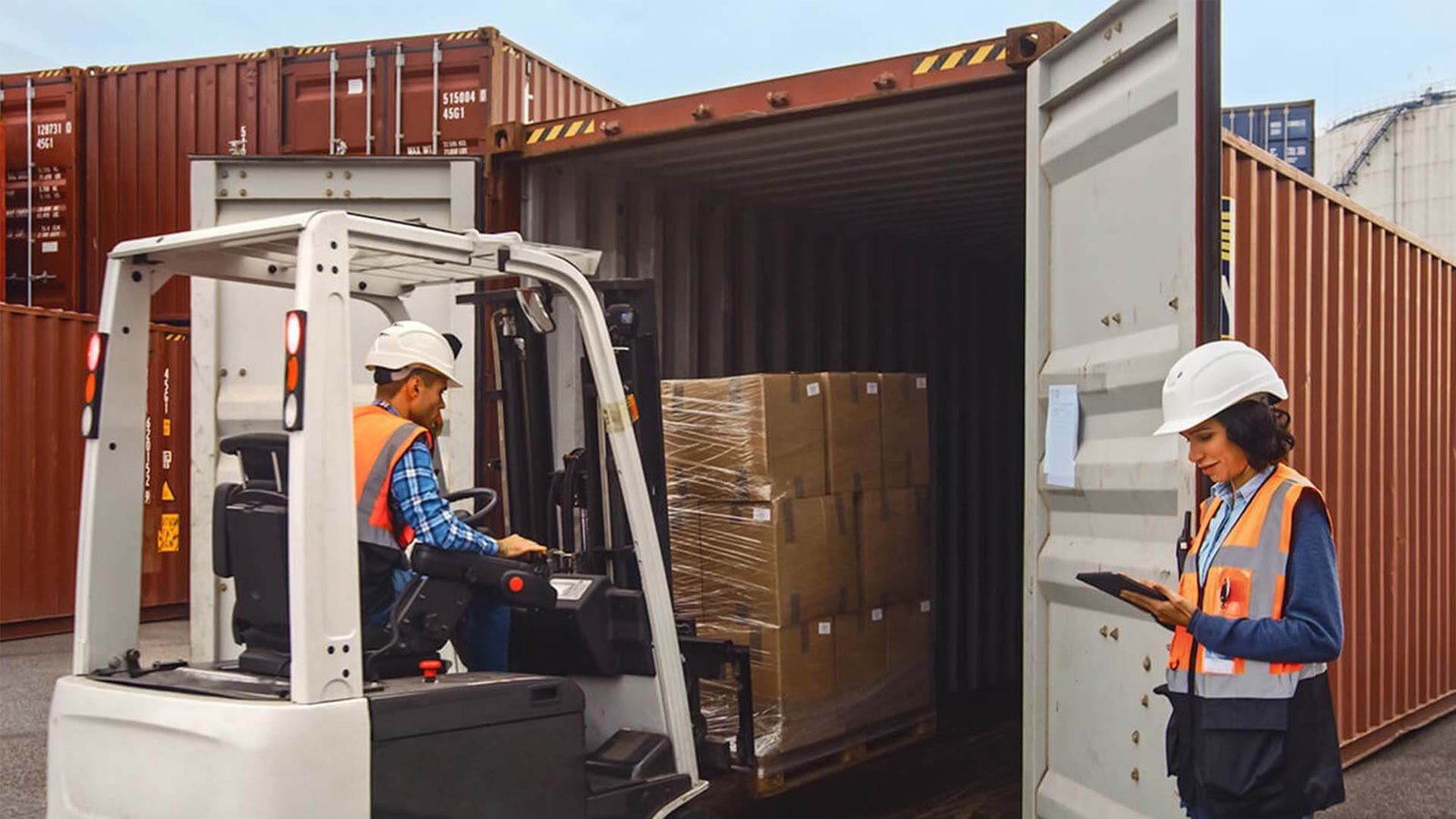
A carrier moves cargo (ship/airline/trucking), a customs broker clears cargo through CBP, and a freight forwarder coordinates the entire transportation plan—often managing carriers plus coordinating brokerage and delivery. Importers benefit most when the forwarder and broker work as one team, aligning documents, filing deadlines, and pickup appointments so freight doesn’t sit at the port accumulating charges.
Mandatory Comparison Table: Forwarder vs Broker vs Carrier
| Role | What They Do | What They DON’T Do | Who Pays Them | Importer Risk if Missing |
|---|---|---|---|---|
| Freight Forwarder | Coordinates logistics and transport | Owns the transportation | Importer | Delayed shipping |
| Customs Broker | Prepares and files customs documentation4 | Handles transportation | Importer | Customs delays |
| Ocean Carrier / Airline | Transports cargo | Manages customs | Freight forwarder | Delivery delays |
Knowing these roles helps you manage expectations and responsibilities when shipping.
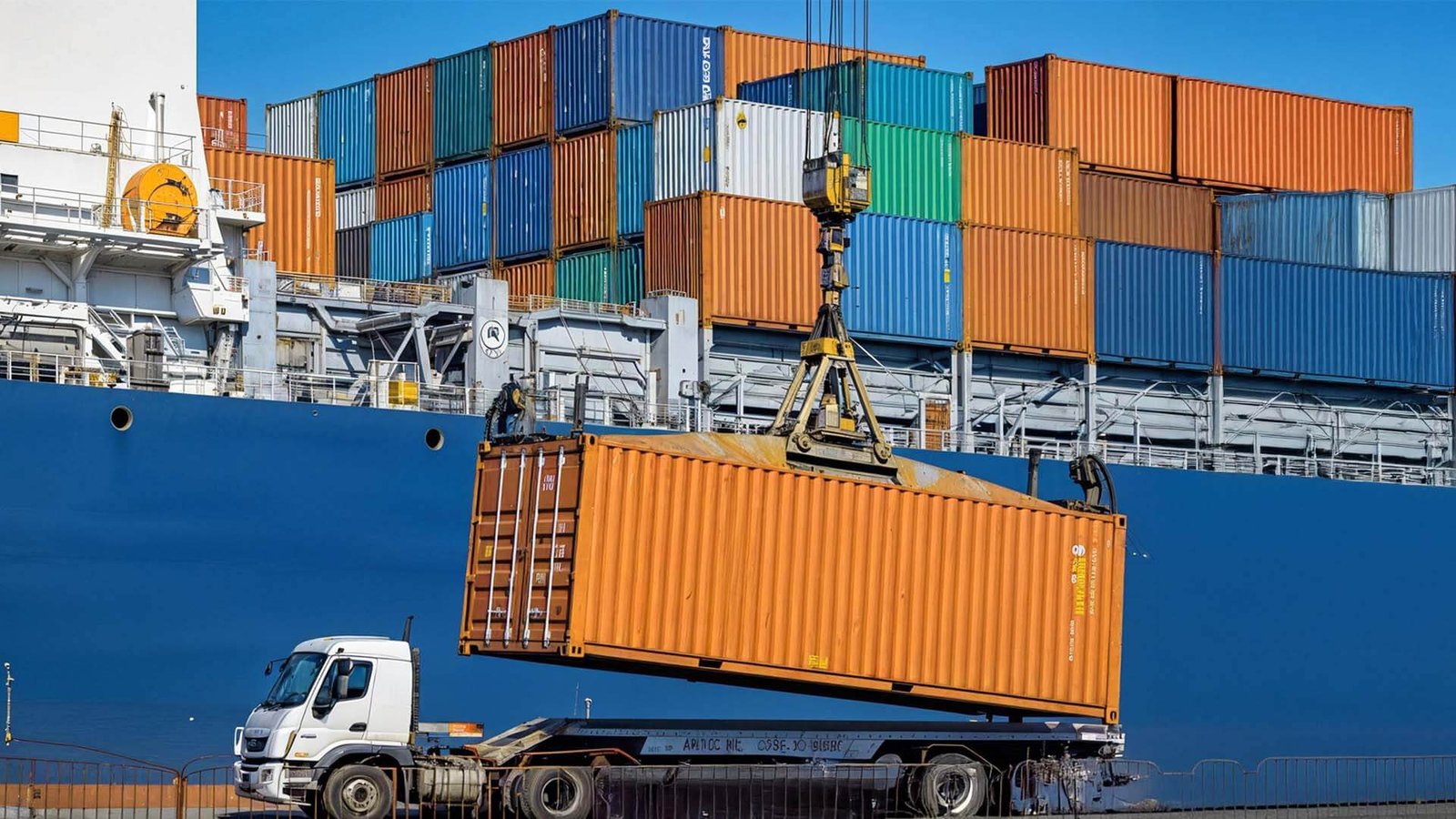
How a forwarder reduces landed cost11 and delays (routing strategy12, surcharge control, ISF/entry coordination, and avoiding detention13/demurrage14)?
Importers want to save money and time. How does a forwarder help with that?
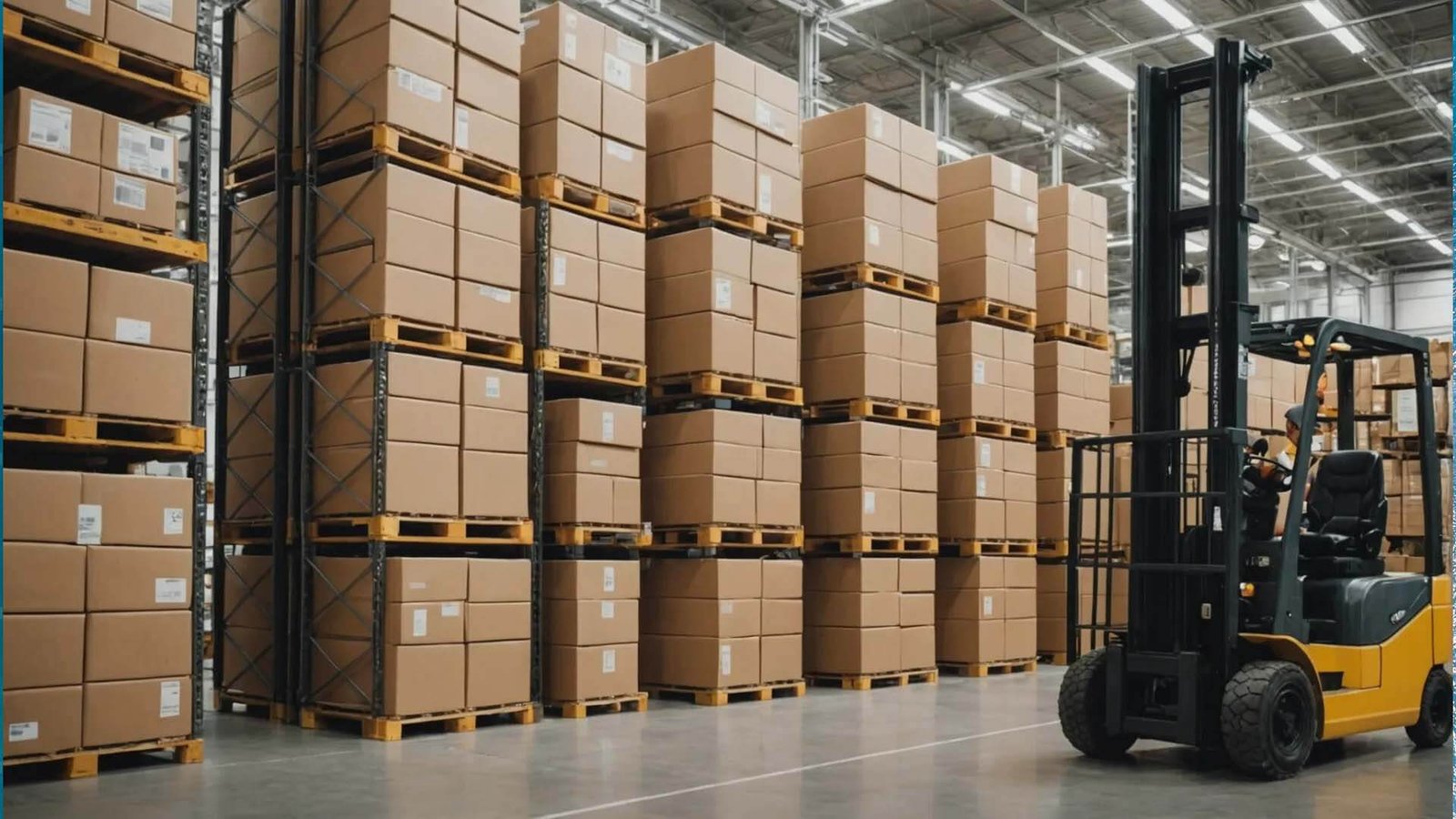
Forwarders reduce landed cost11 by choosing efficient routings, consolidating shipments, managing surcharges, and coordinating customs clearance before arrival to protect free time. Their biggest value often comes from preventing avoidable costs—demurrage14, detention13, storage, missed appointments, and re-delivery fees—through milestone tracking5, exception escalation, and tighter SOP execution with drayage9 and warehouses.
Mandatory Table: “Cost Drivers Forwarders Control”
| Cost Driver | Where It Appears | Typical Trigger | How Forwarder Reduces It | KPI to Monitor |
|---|---|---|---|---|
| Demurrage | At port during clearance | Delayed pickup | Proactive appointment scheduling | D&D fees incurred |
| Detention | After delivery | Delayed container return | Timely return coordination | Container return times |
| Storage | Warehousing costs | Delayed customs clearance | Fast tracking5 and clearance | Storage fee accumulation |
| Drayage Waiting / Dry Run | Transport to/from port | Equipment not ready | Efficient planning | Drayage delays |
| Chassis Fee | Equipment usage during transport | Overstay at port | Timely pickup and drop-off | Chassis utilization rates |
| Rollovers / Rebooking | Changes in transport schedules | Capacity issues | Alternative planning | Number of rebooked shipments |
| Documentation Errors | Customs delays | Missing or incorrect docs | Double-checking documentation4 | Error rates |
| Cargo Exam Delays | CBP inspections | Random inspections | Pre-prepared documentation4 | Inspection wait times |
Forwarders play a key role in keeping costs low and deliveries on time.
How to choose the right freight forwarder (service scope15, compliance capability16, visibility tools17, and performance KPIs18 importers should demand)?
Selecting a freight forwarder requires careful thought. It’s not just about getting a good price.
Choosing a freight forwarder is about execution reliability, not just price. Importers should evaluate service coverage (origin + destination), compliance and documentation4 quality, visibility and milestone reporting, and performance KPIs18 like on-time delivery, D&D prevention, and exception response time. The best forwarders provide clear SOPs and proactive risk warnings—not surprise invoices after delays happen.
Mandatory RFQ Checklist: “Questions Importers Should Ask”
-
Service Scope
- What regions do you serve?
- Can you handle both ocean and air freight?
-
Lane Expertise
- Do you have experience with my specific lanes?
- What is your track record for timely deliveries?
-
Documentation and Compliance
- How do you manage customs documentation4?
- What compliance measures do you have in place?
-
D&D Prevention Process
-
Tracking/Visibility Tools
-
Escalation Process
- What is your process for handling issues?
- How do you communicate with clients during a problem?
-
Insurance/Claims Support
- What insurance options do you offer?
- How do you handle claims?
-
Pricing Transparency
- How do you structure your pricing?
- Are there any hidden fees I should be aware of?
These questions will help you select the right partner for your shipping needs.
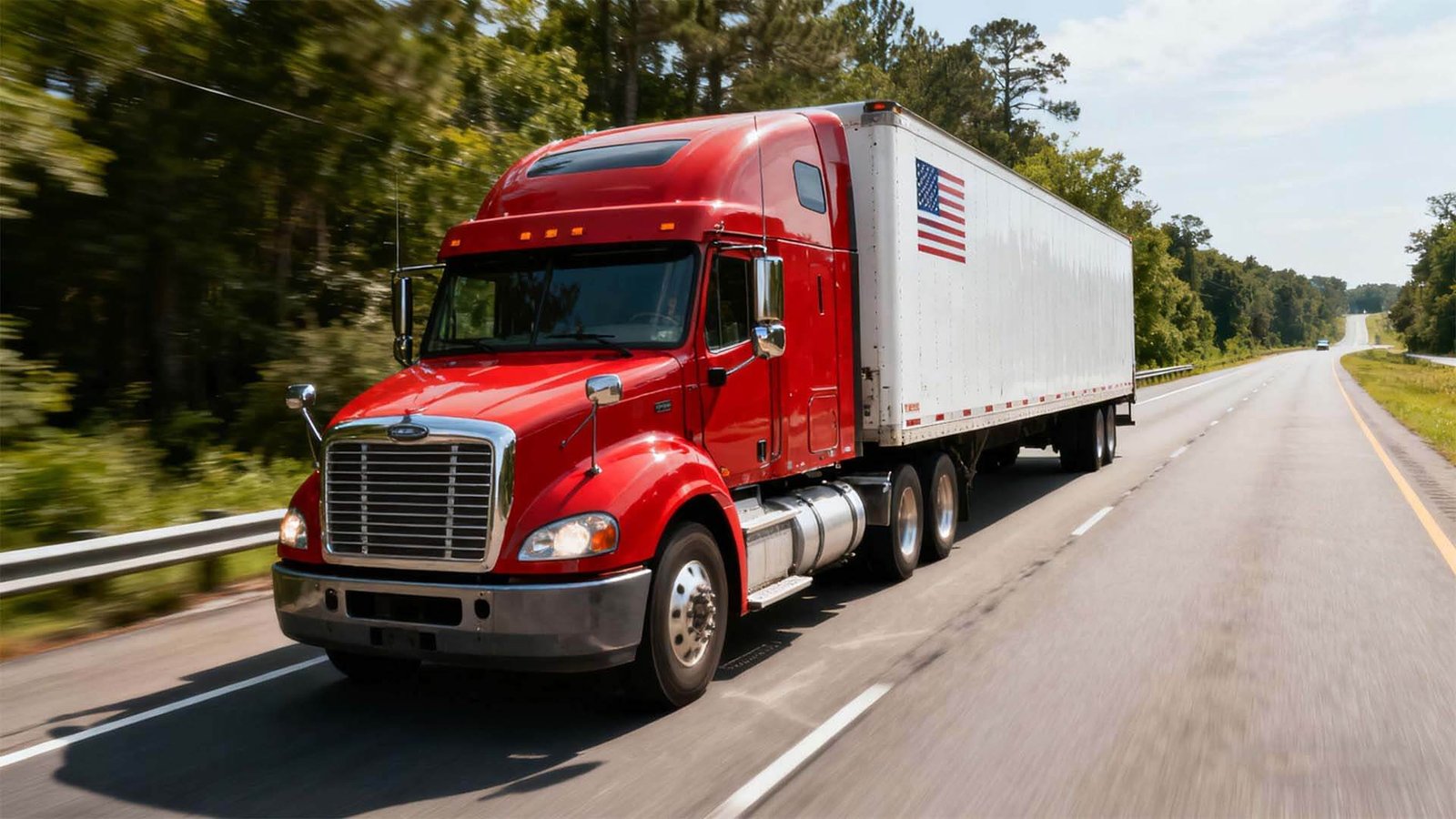
Importer workflow: how forwarders coordinate door-to-door shipping (supplier → origin handling → international transit → customs clearance → delivery)?
Understanding the workflow is essential. How does freight forwarding work step-by-step?
Freight forwarding is a structured workflow: supplier pickup, origin export handling, international transit, arrival processing, customs clearance, and final delivery. The forwarder’s job is to keep these steps synchronized so cargo doesn’t sit waiting for documents, clearance, appointments, or equipment. Importers should treat this as an SOP with clear owners and deadlines.
Mandatory Workflow Diagram (Text Visual)
Supplier → Forwarder → Broker → CBP → Delivery Workflow
- Purchase order confirmed
- Booking & pickup plan
- Origin export docs
- Load + depart
- Tracking milestones
- ISF/entry pre-clear
- Arrival notice / terminal availability
- Drayage appointment
- Delivery / unload
- Empty return / shipment closeout
This workflow keeps everything organized and ensures timely delivery.
Conclusion
Freight forwarders are vital for smooth international shipping. They manage logistics, reduce costs, and keep your shipments on track.
Finding a reliable logistics partner ensures your shipments are handled efficiently, reducing delays and costs. ↩
Understanding international cargo movement helps you grasp how goods are transported globally, ensuring better planning and execution. ↩
Carrier bookings are crucial for timely shipments, and understanding this process helps in planning and coordination. ↩
Proper documentation ensures compliance with regulations, preventing delays and additional costs. ↩
Tracking provides real-time updates on shipments, allowing for proactive management and issue resolution. ↩
Delivery milestones help in monitoring the progress of shipments, ensuring timely delivery and customer satisfaction. ↩
A control tower in logistics provides oversight and coordination, ensuring smooth operations and problem management. ↩
Consolidating cargo reduces costs by combining shipments, making it a cost-effective option for smaller loads. ↩
Drayage involves the transport of goods over short distances, often as part of a longer journey, and is key in the logistics chain. ↩
Customs brokerage ensures that goods clear customs efficiently, avoiding delays and penalties. ↩
Reducing landed cost is essential for maintaining profitability, and freight forwarders play a key role in this. ↩
A well-planned routing strategy ensures efficient and cost-effective transportation of goods. ↩
Detention fees can add up quickly, so managing container returns efficiently is vital to control costs. ↩
Demurrage charges can significantly increase costs, so understanding and managing them is crucial for importers. ↩
Understanding a forwarder's service scope helps in selecting the right partner for your shipping needs. ↩
Compliance capability ensures adherence to regulations, preventing legal issues and delays. ↩
Visibility tools provide real-time tracking and updates, enhancing transparency and control over shipments. ↩
Performance KPIs help in evaluating a forwarder's efficiency and reliability, ensuring better service quality. ↩