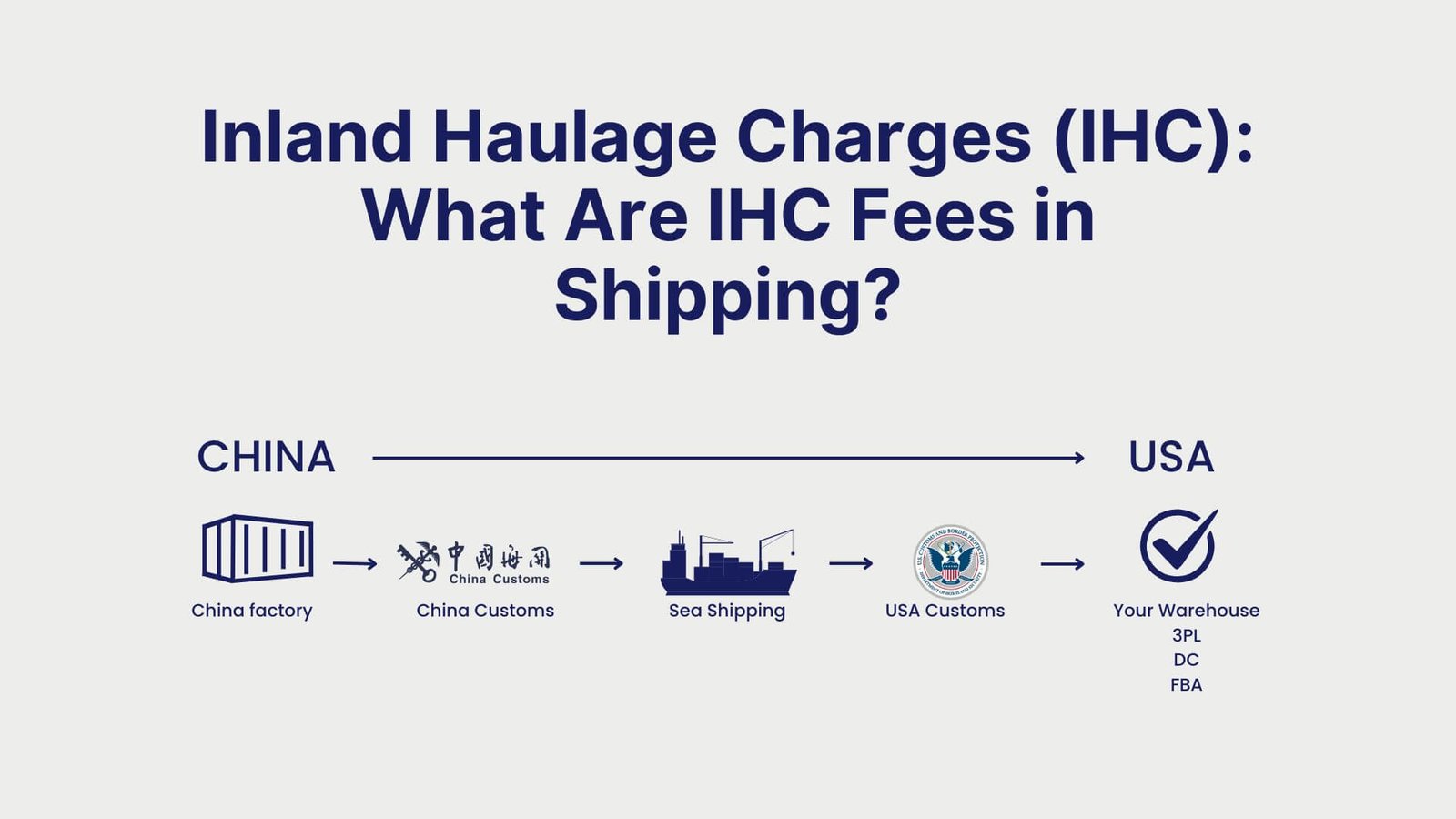
The first paragraph uses the PAS formula to grab the reader's attention. Misclassifying products1 can lead to significant financial losses and compliance issues. Understanding HTS classification2 is vital for U.S. importers to avoid mistakes.
HTS classification2 determines your duty rate3, tariff exposure (including Section 301 where applicable), and sometimes admissibility requirements for regulated products. A wrong code can trigger duty overpayment, CBP penalties4, shipment delays5, or post-entry audits6. Importers should treat classification as a controlled compliance process7 supported by evidence—not a guess based on similar products.

The importance of properly classifying products with the Harmonized Tariff Schedule (HTS) cannot be overstated. Navigating the complexities of HTS can be overwhelming, especially for importers managing numerous shipments. However, meticulous classification can save you from financial penalties and ensure compliance with U.S. Customs and Border Protection (CBP).
Why correct HTS classification2 matters for importers?
Misclassifying products1 can lead to increased duty rate3s, unauthorized tariff assessments, and extended admissibility requirements. Importers are responsible for accurate classification, even when working with brokers. This responsibility opens the door to potential CBP audits, which could expose incorrect classifications and create compliance risks.

| Issue | What goes wrong | Cost impact | Compliance risk | How to prevent |
|---|---|---|---|---|
| Duty Overpayment | Incorrect HTS leads to higher duties | Significant financial losses | Potential CBP audits | Regular training and audits |
| Underpayment/Penalties | Misclassifying lower duty items | Unexpected penalties | Compliance risk from audits | Maintain detailed records |
| Section 301 Miscoding | Failing to apply Section 301 tariffs8 | Exposure to tariffs | Increased scrutiny from CBP | Regular reviews of classification |
| OGA Flags Missed/Triggered | Missing legal requirements | Shipment delays | Increased audits | Staying updated with regulations |
| Incorrect Unit of Quantity | Misinterpreting quantity requirements | Additional fees | Delays and re-entries | Confirm unit requirements beforehand |
How the Harmonized Tariff Schedule is structured?
The HTS is organized into Sections and Chapters, then further divided into headings and subheadings. Understanding this structure is crucial for accurate classification. The first six digits typically represent the global Harmonized System (HS), while the U.S. HTS adds four more digits to specify duty rate3s and reporting needs.
| Section | Chapter (2 digits) | Heading (4 digits) | Subheading (6 digits HS) | U.S. Statistical Suffix (8–10 digits) |
|---|---|---|---|---|
| 1 | 01 | 0101 | 0101.21 | 0101.21.00 |
| 2 | 02 | 0202 | 0202.30 | 0202.30.00 |

Proper classification requires a meticulous approach to legal text and notes9, rather than relying on product marketing names. This ensures that products are accurately categorized without losing track of their specifications.
Step-by-step HTS classification2 process importers can follow?
To accurately classify a product, start with a defensible product description that includes materials and functions. Utilize the General Rules of Interpretation (GRIs)10 and legal notes to guide you from broad categories to specific subheadings.
- Identify the product as imported
- Check relevant Section/Chapter Notes
- Apply GRI 1: does legal text match?
- If not, proceed with GRI 2(a): is it incomplete/unassembled?
- Consider GRI 2(b): are there mixtures/combinations?
- Use GRI 3(a-c) to pinpoint the most specific classification
- Confirm the unit of quantity11 and duty rate3

| Input needed | Example | Why it affects HTS | Source document | Common mistake |
|---|---|---|---|---|
| Materials composition | Plastic, metal | Determines classification criteria | Technical datasheet | Ignoring composite materials |
| Function/use | Cooking appliance | Impacts legal text matching | Product description | Misunderstanding functionality |
| Manufacturing process | Injection molded | Affects essential character | Process notes | Missing production details |
| Technical specs | Dimensions, weight | Required for accurate classification | Spec sheet | Providing incomplete specs |
| Packaging/kit components | Box contents | Can impact classification | Packaging breakdown | Overlooking packaging elements |
| Photos / engineering drawings | Product visuals | Clarifies product features | Visual documentation | Failing to include necessary visuals |
The most common HTS errors that create duty overpayment or penalties?
Most HTS errors stem from shortcuts taken during the classification process. Common pitfalls include misclassifying products based on similarity, ignoring legal notes, and failing to correctly interpret unit quantities.
| Risk type | What importers do wrong | Real-world example | Cost/compliance impact | Prevention |
|---|---|---|---|---|
| “Similar product” assumption | Choosing a code based on similar items | Misclassifying electronics | Duty overpayment | Implement regular training |
| Ignoring chapter notes | Skipping legal text requirements | Overlooking specific details | Compliance risk | Regular reviews of legal notes |
| Parts vs accessories mistakes | Incorrectly classifying components | Misclassifying accessories | Potential penalties | Maintain detailed classification records |
| Sets/kits essential character errors | Misunderstanding composite goods12 | Incorrectly classifying kits | Duty discrepancies | Clear documentation practices |
High-Risk Products
Products that often experience misclassification issues include:
- Electronics with multiple functions
- Kitchen appliances
- Composite goods (plastic + metal)
- Kits/sets
- Parts/components
- Textiles/apparel
How importers protect classification accuracy at scale?
For importers managing numerous SKUs, a robust SOP is essential. This includes standardized data collection, broker review13, periodic audits, and a ruling strategy for ambiguous products. A defensible classification file can eliminate clearance problems and enhance compliance during audits.
| Step | Owner | Frequency | Output | Tool/template |
|---|---|---|---|---|
| Build product master data file14 | Importer | Ongoing | Centralized data source | Data management software |
| Initial HTS classification2 draft | Importer | Per shipment | Draft HTS codes | Classification template |
| Broker review + documentation | Broker | Per shipment | Validated HTS codes | Review checklist |
| Duty/tariff exposure check | Importer | Monthly | Exposure report | Exposure tracking tool |
| UOQ validation15 | Importer | Per shipment | Confirmed UOQ | UOQ checklist |
| Approval + version control | Importer | As needed | Versioned documentation | Document management system |
| Periodic refresh review | Importer | Quarterly | Updated classifications | Review schedule |
| Exception handling | Importer | As needed | Resolution documentation | Exception handling form |

Conclusion
Proper HTS classification2 is essential for maintaining compliance and avoiding penalties. Adopting a systematic approach to classification16 will save your business time and money in the long run.
Understanding the risks of misclassification can help you avoid costly mistakes and ensure compliance with customs regulations. ↩
Learn how proper HTS classification can impact duty rates and compliance, saving your business from financial and legal troubles. ↩
Discover how accurate HTS classification can influence the duty rates you pay, potentially reducing costs. ↩
Avoid penalties by understanding how misclassification can lead to fines and compliance issues with U.S. Customs. ↩
Prevent delays by learning how incorrect HTS codes can affect the timely delivery of your goods. ↩
Prepare for potential audits by understanding what post-entry audits entail and how they can impact your business. ↩
Implement a structured approach to HTS classification to ensure accuracy and compliance with customs regulations. ↩
Stay informed about additional tariffs that may apply to your products due to Section 301 and how to classify them correctly. ↩
Ensure accurate classification by understanding the significance of legal text and notes in the HTS. ↩
Master the GRIs to accurately classify products and avoid common pitfalls in the classification process. ↩
Learn how the correct unit of quantity is crucial for accurate HTS classification and avoiding additional fees. ↩
Understand how to classify composite goods correctly to prevent duty discrepancies and compliance issues. ↩
Ensure your HTS codes are validated and accurate by involving brokers in the review process. ↩
Organize your classification process by creating a comprehensive product master data file for accurate HTS coding. ↩
Confirm the accuracy of your unit of quantity to prevent errors and ensure compliance with customs. ↩
Adopt a structured method to streamline your classification process, saving time and reducing errors. ↩