Carriage Paid To (CPT)1 is a critical Incoterm in international freight. Understanding its implications can help U.S. importers2 navigate their shipping process with clarity and confidence.
CPT specifies that the seller pays for transportation to a designated destination, but risk transfer3s to the buyer once the goods are with the carrier. Knowing this helps U.S. importers2 avoid unexpected costs and manage their freight effectively4.

CPT is essential for international trade, especially for U.S. importers2. Understanding how it works can save time and money. Yet, the intricacies of CPT can be confusing. Let’s dive deeper into the responsibilities, costs, and potential pitfalls associated with this Incoterm.
Understanding the Role of Carriage Paid To (CPT)1 in International Freight and Its Impact on Importers?
CPT plays a vital role in the logistics of international shipping5. The seller's responsibility to pay for transport costs can be advantageous for importers. However, U.S. importers2 must be aware of the risks involved.
CPT outlines that the seller pays transport costs to a designated location. However, the risk passes to the buyer once goods are handed to the carrier. U.S. importers2 must grasp this risk transfer3 to manage their freight effectively4 and prevent unexpected expenses.

With CPT, sellers arrange and pay for shipping, which can simplify logistics for U.S. importers2. However, it’s essential to understand that any issues arising during transit, such as delays or damages, are the responsibility of the buyer. This can lead to significant challenges if not managed properly.
Key Seller Responsibilities Under the CPT Incoterm and Their Potential Risks
Sellers under CPT have specific responsibilities. They must arrange the transportation and cover the costs to the destination. However, this doesn't eliminate the potential risks involved.
Sellers must pay for transportation up to the agreed destination under CPT. However, risks like damages during transit and additional charges fall on the buyer. Proper management of these elements is crucial to avoid disputes and unforeseen costs.

To clarify seller responsibilities6, it’s beneficial to outline what they include:
- Transport Arrangement: Sellers must book the transport service.
- Payment Facilitation: Sellers cover the costs to the designated point.
- Documentation: Sellers need to provide necessary shipping documents.
Despite these responsibilities, the buyer must be ready for risks. If goods are damaged in transit, it’s the buyer’s responsibility to handle claims often leading to disputes. Therefore, effective communication and clear agreements are essential.
What U.S. Importers Need to Know About Transport Costs and Payment Under CPT
Understanding transport costs is crucial for U.S. importers2 when dealing with CPT. While sellers cover the primary shipping costs, buyers must account for additional expenses.
Sellers manage the main transport costs under CPT, but U.S. importers2 should be aware that unloading fees7, customs duties8, and insurance9 typically fall on them. Evaluating the full cost structure10 before agreeing to CPT terms is essential to avoid unexpected expenses.

U.S. importers2 should consider a breakdown of potential costs, including:
| Cost Component | Responsibility |
|---|---|
| Ocean Freight | Seller |
| Unloading Fees | Buyer |
| Customs Duties | Buyer |
| Insurance | Buyer |
By knowing these costs upfront, importers can budget correctly and prevent financial surprises. Collaborating with experienced customs brokers can further streamline the process, ensuring compliance with all regulations.
CPT vs DAP11: How U.S. Importers Should Choose the Right Incoterm for Cost and Risk Management
Choosing between CPT and DAP is crucial for U.S. importers2 aiming to manage costs and risks effectively. Each Incoterm has its distinct advantages and implications.
CPT transfers risk to the buyer once goods are handed over to the carrier, while DAP means the seller retains responsibility until delivery at the buyer’s premises. U.S. importers2 must evaluate their ability to manage risks when selecting between these terms.

Here’s a simple comparison:
| Feature | CPT | DAP |
|---|---|---|
| Risk Transfer | Upon handover to carrier | Upon delivery to premises |
| Seller Responsibilities | Transport to destination | Full responsibility until delivery |
| Buyer Responsibilities | Additional charges and risks | Risks after delivery |
In summary, if an importer prefers more control over delivery risks, DAP might be the better option. If they are confident in their risk management, CPT can offer cost savings.
How to Ensure Compliance with CPT Incoterms and Avoid Common Importer Pitfalls
Compliance with CPT is vital for U.S. importers2. Failing to manage risks associated with this Incoterm can lead to significant issues.
To comply with CPT, U.S. importers2 should manage the risk of loss and damage post-shipment. Clear agreements on delivery terms, accurate cost calculations, and awareness of customs regulations are essential to avoid common pitfalls.

Here are some steps importers can take:
- Clear Agreements: Ensure all parties understand their responsibilities.
- Cost Calculations: Accurately estimate all potential expenses, including customs duties8 and insurance9.
- Stay Informed: Keep current with changes in regulations that may affect shipping and customs processes.
By taking these proactive measures, importers can mitigate risks and ensure smooth transactions when using CPT.
Examples of Carriage Paid To (CPT)1 in Action: Real-World Scenarios for U.S. Importers
Understanding CPT through real-world examples can clarify its application for U.S. importers2. Knowing how it works in practice helps highlight its benefits and risks.
A typical example of CPT involves a U.S. importer purchasing goods from China. The seller pays for ocean freight to the U.S. port, while the importer is responsible for unloading costs and customs duties8 upon arrival. This illustrates the importance of understanding costs and risk transfer3s under CPT.
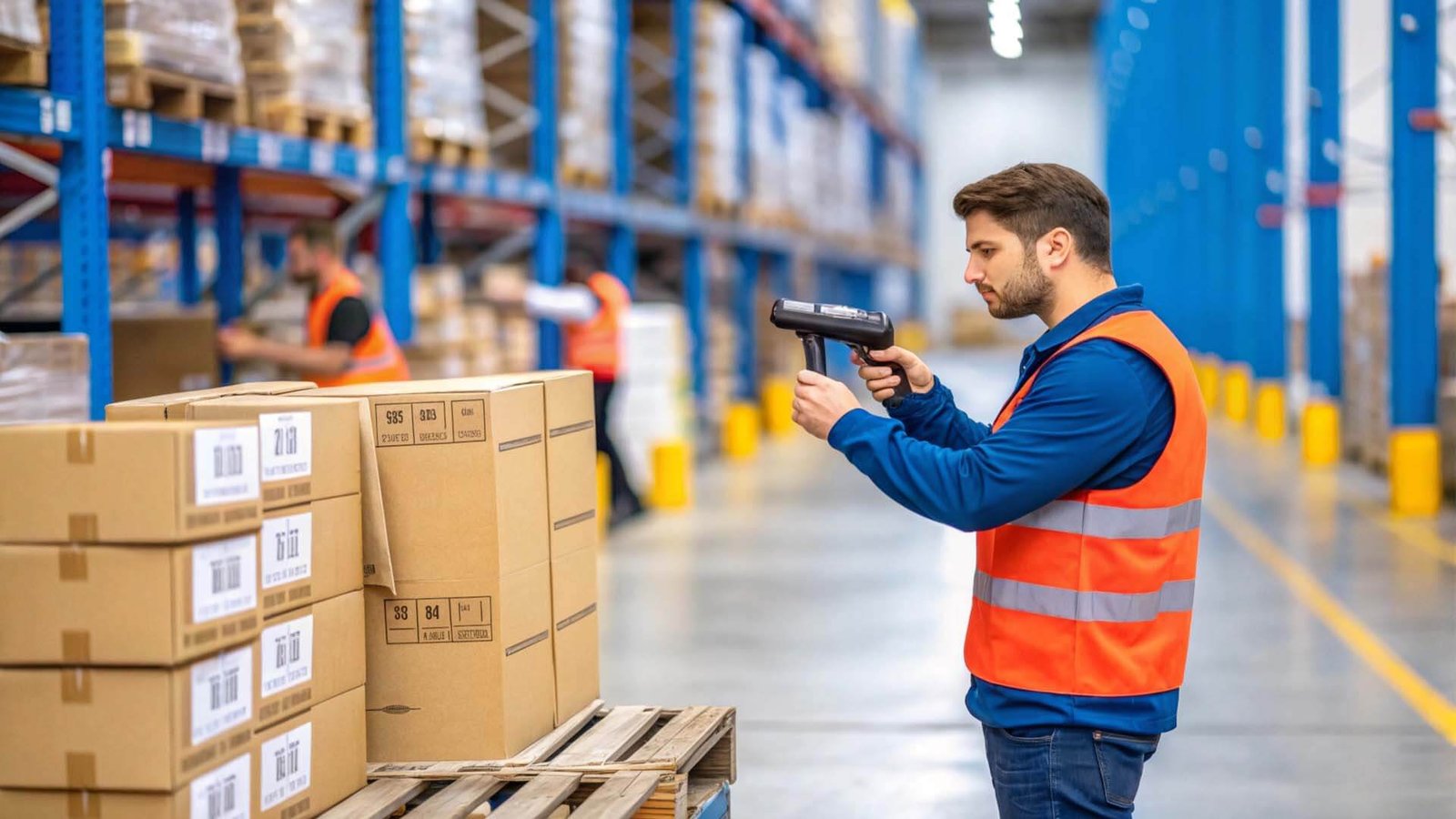
Consider this scenario:
- Goods shipped from China: The seller pays for freight to the U.S. port.
- Importer's Responsibility: Upon arrival, the importer must manage unloading and customs clearance.
- Risk Management: If the goods are damaged during transport, the importer handles the claim.
Understanding how CPT functions in such scenarios can prepare U.S. importers2 for their responsibilities, ensuring a smoother logistical process.
Conclusion
Understanding CPT is vital for U.S. importers2. It helps them manage risks, costs, and responsibilities effectively.
Explore this link to gain a comprehensive understanding of CPT and its significance in international trade. ↩
This resource provides insights into the challenges and strategies U.S. importers face in global trade. ↩
Understanding risk transfer is crucial for managing liabilities in international shipping. ↩
Discover strategies for effective freight management to avoid unexpected costs. ↩
This resource provides a comprehensive overview of the logistics involved in international shipping. ↩
This link outlines the specific responsibilities of sellers under CPT, helping you understand your agreements. ↩
Learn about unloading fees and how they affect your overall shipping costs. ↩
Explore this resource to understand customs duties and how they impact your shipping costs. ↩
Learn about the importance of insurance in protecting your goods during transit. ↩
Understanding the cost structure is essential for budgeting and financial planning in shipping. ↩
This comparison will help you choose the right Incoterm for your shipping needs. ↩