The first step in ensuring export compliance1 is understanding the ACE Export Request EIN Reports2. U.S. importers often struggle with tracking their shipments and verifying compliance. But with the right information, you can navigate these waters smoothly.
The ACE (Automated Commercial Environment3) Export Request EIN report is a vital tool for U.S. exporters to track shipments, verify compliance with export regulations4, and ensure proper filing of Exporter Identification Numbers (EIN)5. U.S. importers can use this tool to confirm their shipments are correctly recorded in the Automated Export System (AES)6.

Understanding ACE Export Request EIN Reports2 is crucial for U.S. importers. They provide a framework for tracking shipments7 and ensuring compliance. Without proper knowledge, importers risk delays or penalties.
What U.S. Importers Need to Know About ACE Export Request EIN Reports2?
Importers, let’s face it, tracking shipments7 and understanding regulations can be overwhelming. ACE Export Request EIN Reports2 are designed to simplify this process. These reports give you insight into your shipments and ensure you remain compliant with U.S. export laws.
To access ACE export reports, U.S. importers need to log in to the ACE portal, navigate to the Export Reports section, and select the appropriate request. Running the report allows importers to obtain essential details about their export filings8 and shipment status, which aids in maintaining regulatory compliance.

ACE reports are not just numbers; they are essential tools for compliance. They help ensure that all shipments are properly accounted for and that you can confidently navigate audits or inspections.
Dive deeper Paragraph: Understanding the intricacies of ACE Export Request EIN Reports2 is essential for any U.S. importer. These reports provide a comprehensive overview of your export transactions9, allowing you to track your compliance effectively. The key elements include the Exporter Identification Number (EIN) and the details of each shipment. By analyzing these reports, you can quickly identify any discrepancies or issues that may arise. This not only helps in maintaining compliance but also streamlines your shipping processes. The ability to access historical export data10 empowers importers to make informed decisions about their logistics operations11. Incorporating this information into your supply chain strategy12 can greatly reduce the risks associated with international trade13.
How to Access and Run ACE Export Reports for Your Shipments?
You may wonder how to run these essential reports. The process is straightforward but critical for maintaining compliance. By following a few simple steps, you can obtain all the information you need.
Exporters must log into the ACE portal, navigate to the export section, and select the Export Request EIN report. The report will provide crucial details on the exporter's EIN and the associated shipments. This process ensures exporters remain compliant with reporting requirements and can easily access historical export data10.

It’s important to remember that the accuracy of your reports can save you time and money. The right information helps you make better decisions about your shipments.
Dive deeper Paragraph: Accessing ACE Export Reports requires navigating the ACE portal, which can feel daunting at first. However, this process is vital for U.S. importers. Once logged in, navigate to the Export Reports section. From there, select the appropriate request to generate your report. These reports provide critical information concerning your shipments, including the status of each export and any compliance issues. Familiarize yourself with the interface to streamline your process. Regularly accessing these reports will not only keep you compliant but also enhance your understanding of your export activities. By having this data at your fingertips, you can respond quickly to any inquiries from U.S. Customs and Border Protection (CBP)14 and maintain a proactive approach to export management15.
Understanding the Role of Exporter Identification Numbers (EIN)5 in ACE Export Reports
Now, let’s dive into the Exporter Identification Number (EIN). This number plays a crucial role in the export process. Knowing its significance can help you maintain compliance.
The Exporter Identification Number (EIN) is a critical data element in the ACE Export Reports. It helps U.S. importers and exporters identify their shipments and ensure compliance with export regulations4. The EIN is linked to export transactions9 in AES, making it essential for recordkeeping and reporting purposes.

Understanding how the EIN works can provide clarity in your export operations. It connects your shipments to the appropriate records, ensuring compliance with U.S. export laws.
Dive deeper Paragraph: The Exporter Identification Number (EIN) serves as a unique identifier for exporters within the U.S. export system. It is critical for tracking shipments7 and maintaining compliance with regulations. Without this number, it can be challenging to manage your exports effectively. In the ACE Export Reports, the EIN links each transaction to its respective exporter, making it easier for U.S. Customs and Border Protection (CBP)14 to monitor compliance. Every export transaction recorded in the Automated Export System (AES)6 must include an EIN, emphasizing its importance. This linkage facilitates efficient recordkeeping, allowing for streamlined audits and verifications. As an exporter, ensure your EIN is accurate and consistently used in all export filings8. This not only fosters compliance but also enhances the integrity of your export records.
The Importance of AES Filings for U.S. Exporters and How to Stay Compliant
AES filings are often overlooked but are critical for compliance. Knowing their importance can save you from potential legal troubles.
AES filings are mandatory for U.S. exporters to report shipments to U.S. Customs and Border Protection (CBP)14. By submitting accurate AES filings, U.S. exporters ensure compliance with federal export laws, avoiding penalties and delays. Proper filing also ensures that ACE Export Reports are accurate and up-to-date.
Failure to file accurately can lead to hefty fines. So, staying informed about AES requirements is essential for any U.S. exporter.
Dive deeper Paragraph: The Automated Export System (AES)6 is a vital component of the U.S. export process. It acts as a portal for U.S. exporters to report their shipments to CBP. Proper AES filings are not just recommendations; they are mandatory. Each export transaction must be reported accurately to comply with federal export laws. Failure to do so can result in severe penalties and delays in your shipments. Understanding the requirements and maintaining timely filings is essential for keeping your operations running smoothly. Staying on top of your AES filings ensures that your ACE Export Reports reflect accurate and up-to-date information, which is crucial for compliance audits16. To enhance your filing accuracy, consider working with an experienced customs broker who can guide you through the complexities of the AES process and ensure your filings meet all legal requirements.
How ACE Export Reports Help U.S. Importers Prove Export Compliance
The relationship between ACE Export Reports and compliance cannot be overstated. These reports provide tangible evidence that can defend your practices during audits.
ACE Export Reports allow U.S. importers to verify the compliance of their shipments. These reports provide a detailed record of export transactions9, making it easier to demonstrate compliance with U.S. export regulations4 during audits or when proving export status17 for customs clearance18.
Having access to these reports gives you peace of mind. You can confidently assert that your shipments are compliant and properly recorded.
Dive deeper Paragraph: ACE Export Reports serve as essential documentation for U.S. importers. They provide a comprehensive record of all export transactions9 associated with your shipments. This detailed documentation is crucial for demonstrating compliance with U.S. export regulations4, especially during audits or customs inspections19. Importers can leverage these reports to validate their export status17, showing that shipments have been accurately processed through the AES. The transparency offered by these reports helps mitigate risks associated with non-compliance. Regularly reviewing your ACE Export Reports ensures you remain aware of any potential issues that may arise. In the event of an audit, being able to present these reports will significantly bolster your position and demonstrate your commitment to compliance. Establishing a routine of accessing and analyzing these reports can enhance your operational efficiency and maintain the integrity of your export practices.
The Key Steps for Exporters to Request and Obtain ACE Export EIN Reports
Finally, let’s cover the steps to obtain your ACE Export EIN Reports. These steps are straightforward but vital for your export operations.
Exporters must log into the ACE portal, navigate to the export section, and select the Export Request EIN report. The report will provide crucial details on the exporter's EIN and the associated shipments. This process ensures exporters remain compliant with reporting requirements and can easily access historical export data10.
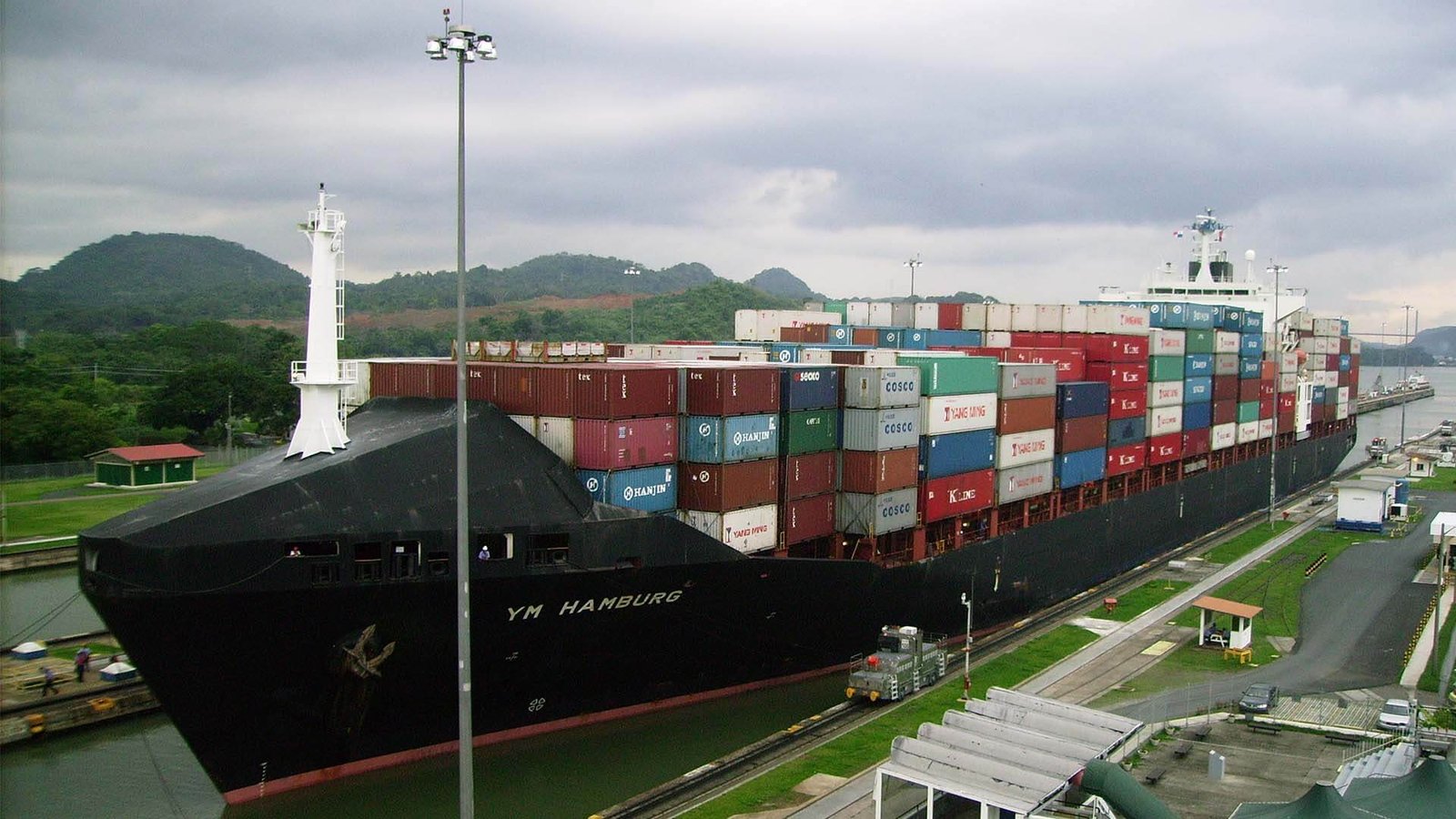
By following these steps, you ensure that you remain connected to your shipments and compliance status. It’s a proactive approach that can save you headaches later.
Dive deeper Paragraph: Requesting and obtaining ACE Export EIN Reports is a straightforward process that every exporter should become familiar with. Start by logging into the ACE portal, which serves as your gateway to valuable export data. Once logged in, navigate to the export section and select the appropriate report request for the Export Request EIN report. This report will provide you with crucial insights regarding your EIN and the specific shipments tied to it. By adopting this practice, you can stay on top of your export filings8 and compliance status. Moreover, having access to historical export data10 enables you to analyze trends and make informed decisions for future shipments. Regularly checking your ACE reports will not only keep you compliant but also enhance your overall export strategy20. This proactive approach can lead to smoother operations, ensuring that you remain competitive in the global market.
Conclusion
In conclusion, understanding ACE Export Request EIN Reports2 is essential for U.S. importers to ensure compliance and streamline their export operations.
Ensuring export compliance is crucial to avoid delays and penalties in international trade. ↩
Understanding ACE Export Request EIN Reports is crucial for U.S. importers to track shipments and ensure compliance with export regulations. ↩
The Automated Commercial Environment is a vital tool for managing export compliance and tracking shipments efficiently. ↩
Familiarity with export regulations is essential for compliance and smooth international operations. ↩
Knowing the role of EINs in export processes helps maintain compliance and ensures accurate recordkeeping. ↩
The AES is essential for reporting shipments to U.S. Customs, ensuring compliance with federal export laws. ↩
Effective shipment tracking is vital for maintaining compliance and ensuring timely deliveries. ↩
Accurate export filings are mandatory for compliance and avoiding legal issues. ↩
Recording export transactions accurately is crucial for compliance and operational efficiency. ↩
Access to historical export data aids in decision-making and compliance tracking. ↩
Improving logistics operations enhances efficiency and compliance in export activities. ↩
Optimizing supply chain strategy reduces risks and enhances efficiency in international trade. ↩
Exploring international trade opportunities helps importers expand and navigate global markets effectively. ↩
Understanding CBP's role helps importers and exporters navigate compliance and avoid penalties. ↩
Effective export management ensures compliance and smooth international trade operations. ↩
Understanding compliance audits helps businesses prepare and maintain adherence to export laws. ↩
Verifying export status is crucial for compliance and avoiding shipment delays. ↩
Understanding customs clearance processes ensures smooth export operations and compliance. ↩
Understanding customs inspections helps importers prepare and maintain compliance. ↩
A successful export strategy enhances competitiveness and compliance in global markets. ↩