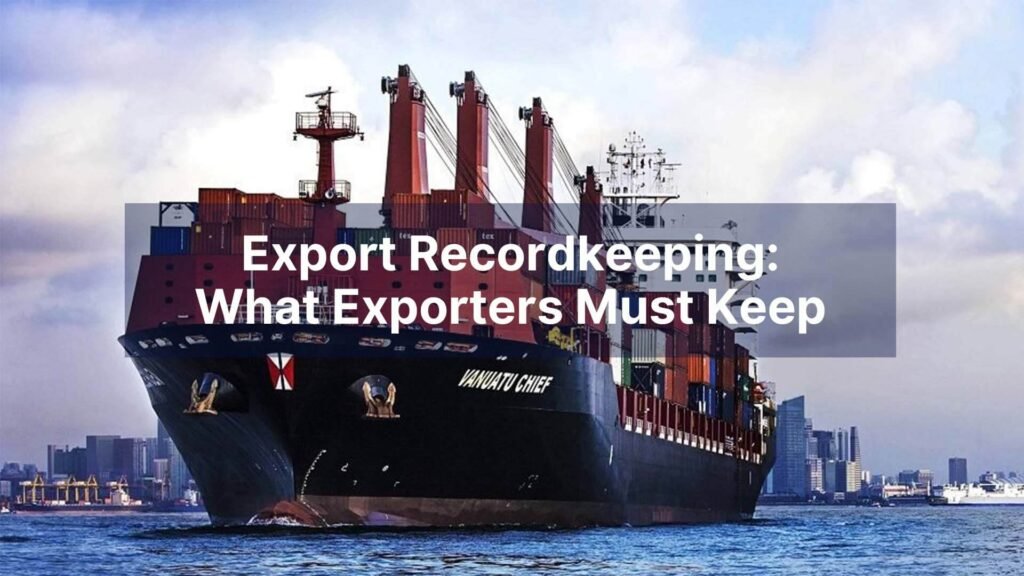
Proper export recordkeeping1 is essential for U.S. exporters to ensure compliance and avoid costly mistakes. Understanding what to keep and how to organize records can simplify the export process, making it smoother and more efficient.
Proper export recordkeeping1 is vital for U.S. exporters to ensure compliance with regulations set by the U.S. Department of Commerce2 and Customs and Border Protection (CBP)3. Accurate records help avoid fines, penalties, and shipment delays while facilitating smooth customs clearance during audits and inspections.

Maintaining accurate export records is not just a good practice; it's a legal requirement. This article will guide you through the importance of proper export recordkeeping1, the documents to retain, and how to avoid common mistakes.
Why Proper Export Recordkeeping Is Crucial for U.S. Exporters’ Compliance?
Every U.S. exporter must recognize the importance of proper recordkeeping. Without it, compliance becomes a daunting task. Missing documents can lead to severe penalties, shipment delays, and even legal issues. U.S. exporters should prioritize maintaining accurate records and stay informed about the regulations.
Proper export recordkeeping1 is vital for U.S. exporters to ensure compliance with regulations set by the U.S. Department of Commerce2 and Customs and Border Protection (CBP)3. Accurate records help avoid fines, penalties, and shipment delays while facilitating smooth customs clearance during audits and inspections.
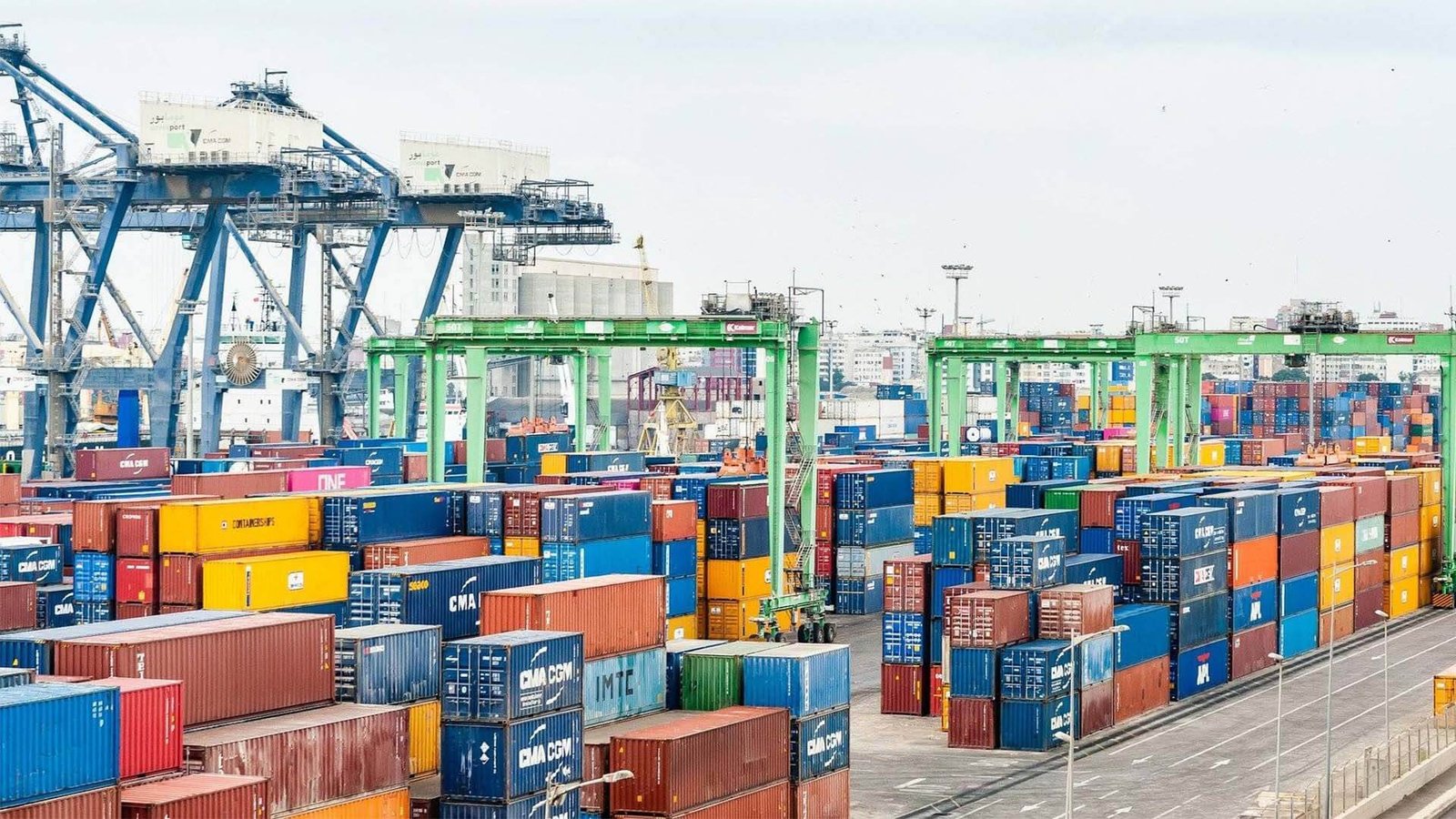
Exporters must understand that compliance is not a one-time effort but an ongoing process. Regularly reviewing and updating records can alleviate future challenges. Awareness of regulations and maintaining a clear record can significantly enhance your exporting experience.
What Documents U.S. Exporters Must Retain for Legal and Compliance Purposes?
When it comes to export compliance, having the right documents is non-negotiable. U.S. exporters must retain various documents to meet legal and compliance requirements. These records serve as proof of the lawful movement of goods and protect against potential legal repercussions.
U.S. exporters must retain several key documents for compliance, including commercial invoices4, export licenses5, bills of lading6, and shipping documents7. These records help verify the legal movement of goods, ensuring compliance with export control laws and trade agreements, especially during CBP audits.
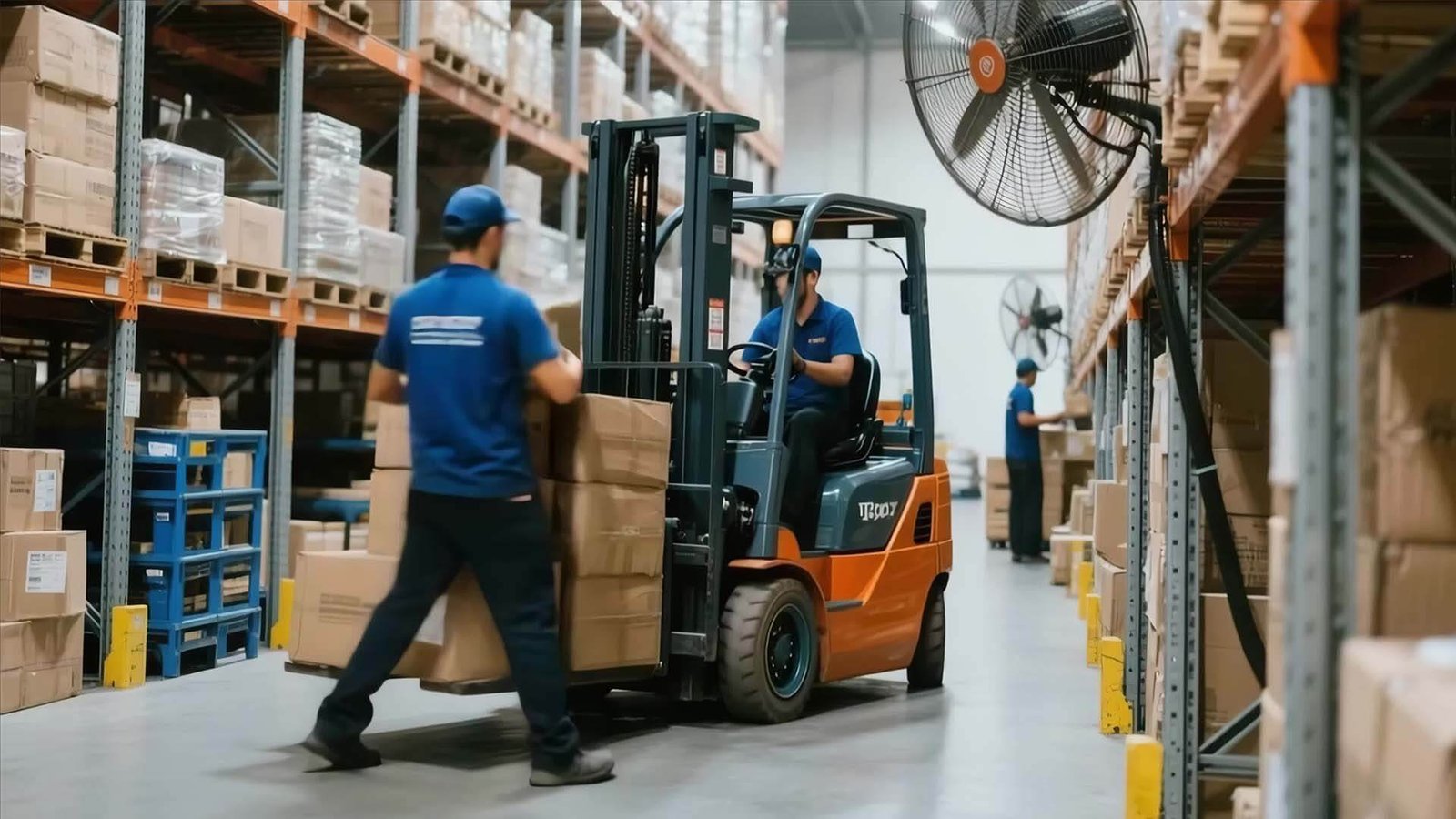
The essential documents include:
- Commercial Invoices: These outline the details of the transaction and facilitate customs clearance.
- Export Licenses: Required for specific goods, ensuring adherence to regulations.
- Bills of Lading: Serve as contracts between exporters and carriers, detailing the shipment.
- Shipping Documents: Include packing lists, which help verify the contents of shipments.
By keeping these documents organized, exporters can streamline their process and avoid complications during inspections.
How Long Must U.S. Exporters Keep Records and Why It Matters?
Knowing how long to retain records is vital for compliance. The timeframes can vary based on the type of record and the regulations governing it. Keeping records for the prescribed duration can save exporters from unnecessary headaches.
U.S. export records must typically be retained for five years from the date of export. Retaining these records is crucial for compliance with the U.S. Export Administration Regulations (EAR)8 and the International Traffic in Arms Regulations (ITAR)9. Failure to keep records for the required period can result in costly penalties and legal issues.
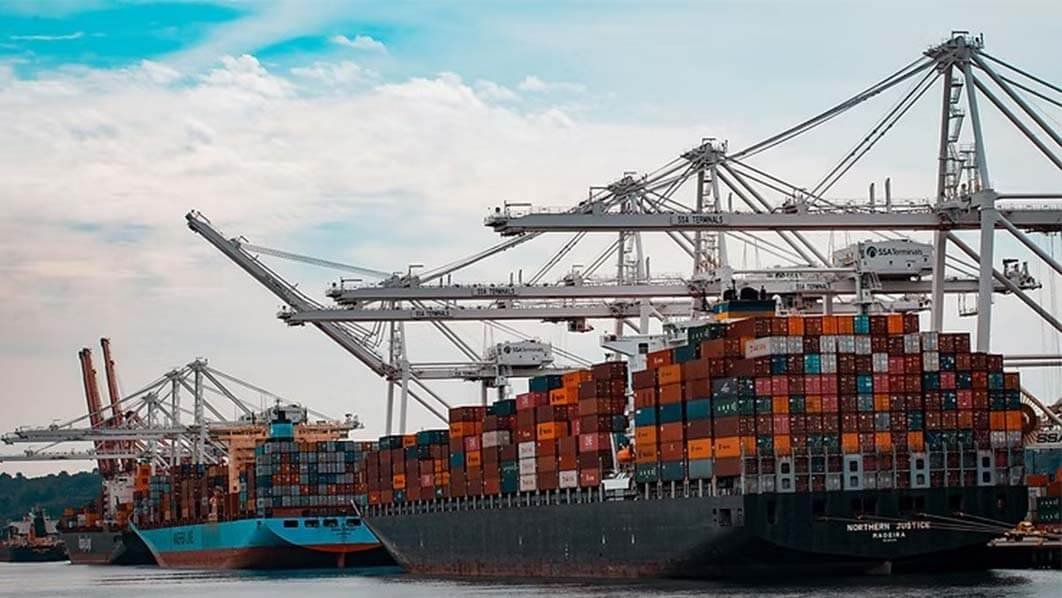
The five-year retention period is significant because:
- It aligns with the regulations set by the U.S. Department of Commerce2 and CBP.
- It ensures that exporters have documentation available for audits or inspections.
- It minimizes the risk of penalties associated with missing records.
By adhering to these timelines, exporters can maintain their compliance and focus on expanding their business.
The Regulatory Documents Required for Export and Their Importance for U.S. Importers
Importers rely on accurate documentation to ensure that the goods they receive comply with U.S. regulations. Failure to provide the necessary records can result in delays, fines, and a halt in shipments.
The key regulatory documents for export include the Exporter’s Declaration10, export licenses5, and proof of delivery11, among others. U.S. importers depend on these records to confirm that goods comply with trade regulations and are eligible for entry into the U.S. without delays or penalties.
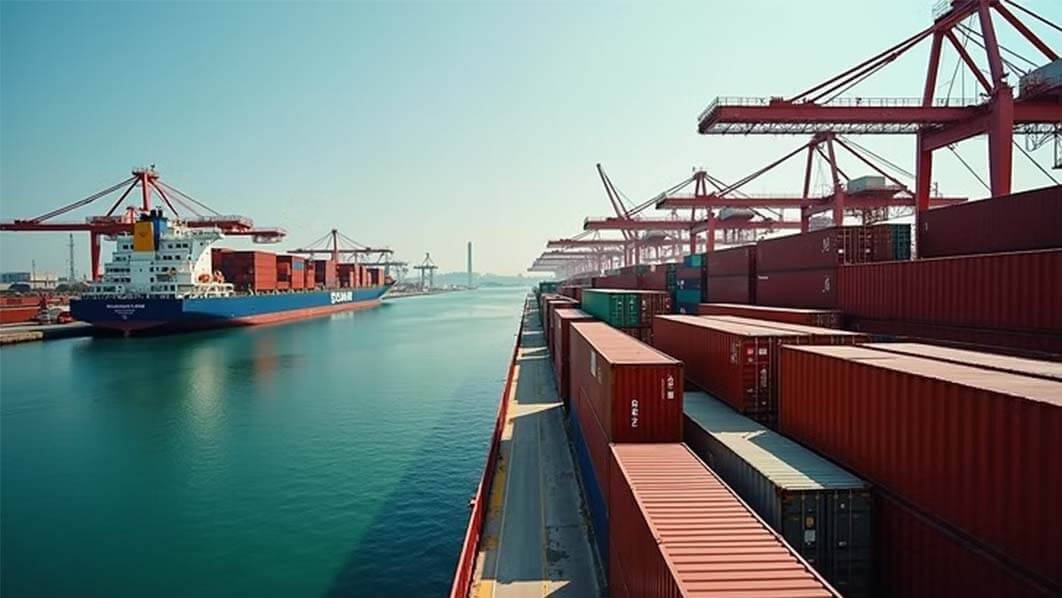
Key documents that U.S. importers require include:
- Exporter’s Declaration10: A statement confirming the goods meet legal requirements.
- Export Licenses: Needed for controlled goods, ensuring compliance.
- Proof of Delivery: Documents that confirm goods have reached their destination.
By providing these documents, exporters can ensure their goods move smoothly and comply with all regulations.
How to Avoid Common Export Recordkeeping Mistakes and Stay Compliant
It's easy to make mistakes in recordkeeping, especially when dealing with complex export regulations. However, being aware of common errors can help exporters stay compliant and avoid penalties.
Common export recordkeeping1 mistakes include failing to maintain proper documentation, missing export licenses5, or incorrectly categorizing goods. U.S. exporters can avoid these issues by establishing robust recordkeeping systems, conducting regular compliance audits12, and working with customs brokers to ensure accuracy.
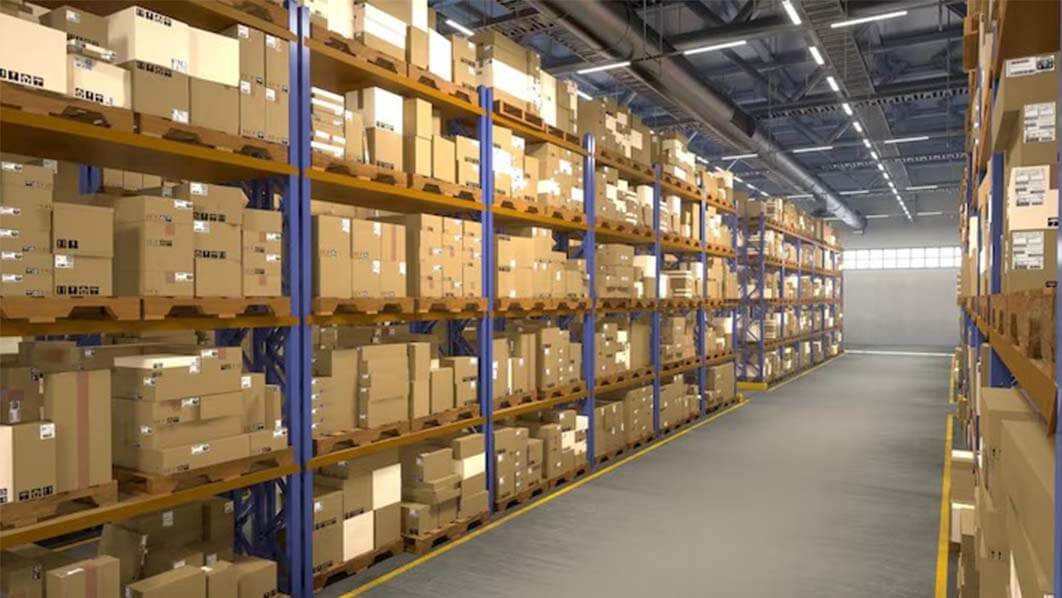
Some steps to avoid these mistakes include:
- Establish a Recordkeeping System: Create a clear, organized filing system for all export documents.
- Regular Audits: Conduct audits to identify any missing or incorrect documentation.
- Work with Customs Brokers: Collaborate with experienced professionals to ensure accuracy in documentation.
By implementing these practices, exporters can simplify compliance and reduce the risk of costly mistakes.
Best Practices for Storing and Accessing Export Documents for Efficient Compliance
Proper storage of export documents is essential for ensuring compliance and access during audits. By following best practices, exporters can streamline their processes and minimize compliance risks.
Best practices for storing export documents include digitizing records13, organizing them by shipment type, and using cloud-based systems14 to ensure easy access during audits. Proper document storage helps U.S. exporters stay compliant with regulations and quickly retrieve required records when needed for customs clearance or audits.
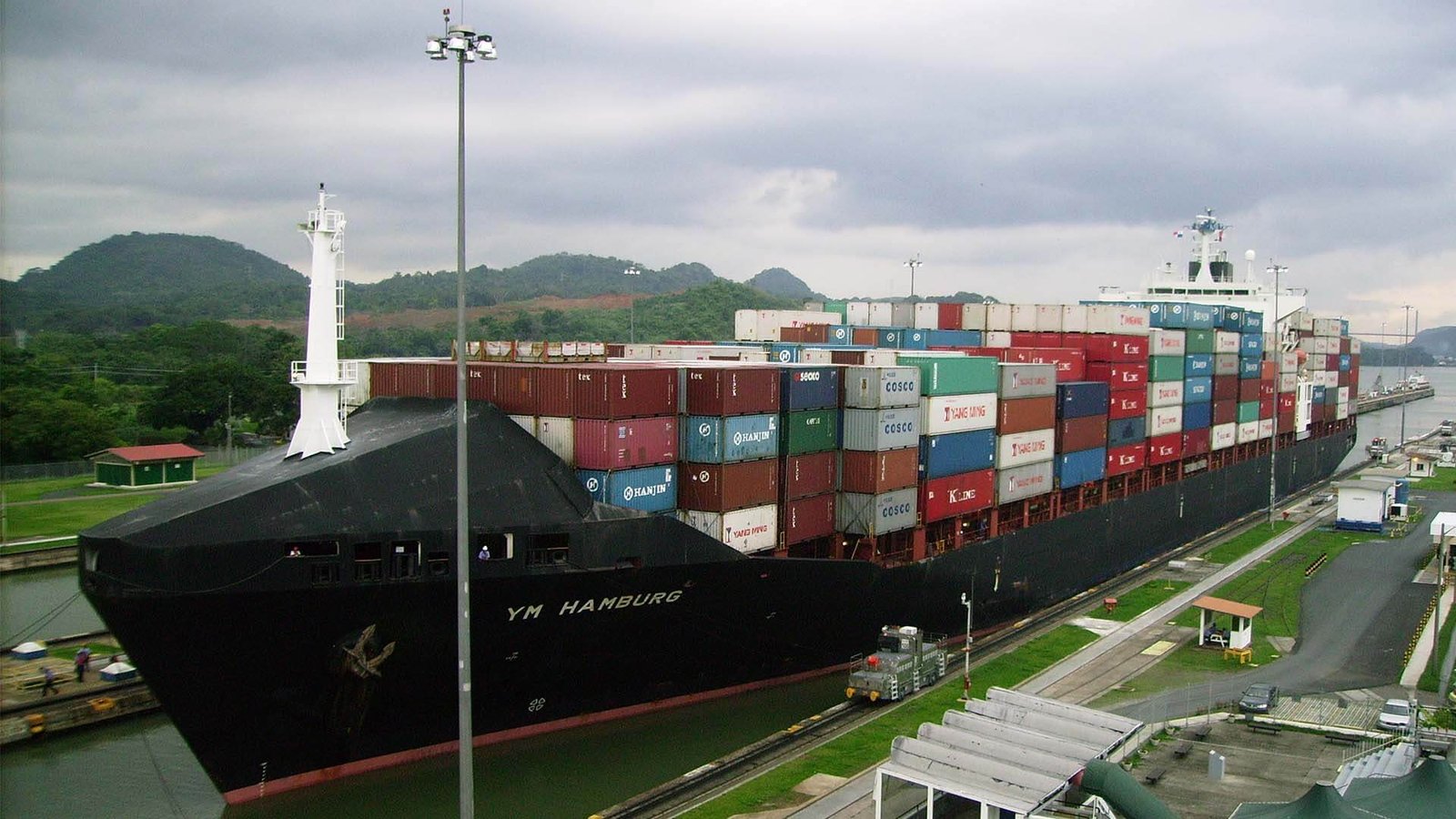
To improve document storage and access, exporters should:
- Digitize Records: Convert physical documents into digital formats to reduce clutter and ease access.
- Organize by Shipment Type: Categorize documents based on the type of shipment for faster retrieval.
- Cloud-Based Systems: Utilize cloud storage solutions for secure, easily accessible records.
By following these best practices, exporters can ensure their documents are compliant and readily available when needed.
Conclusion
Export recordkeeping is essential for compliance and minimizing risks in international trade. Properly managing documentation ensures smoother operations and avoids costly penalties.
Understanding export recordkeeping is crucial for compliance and avoiding costly mistakes in international trade. ↩
Knowing the regulations set by the U.S. Department of Commerce helps ensure compliance and avoid penalties. ↩
CBP plays a key role in export compliance, and understanding its impact can help avoid shipment delays and fines. ↩
Commercial invoices are essential for customs clearance and verifying transaction details, making them vital for compliance. ↩
Export licenses ensure adherence to regulations for specific goods, protecting against legal issues. ↩
Bills of lading serve as contracts and detail shipments, crucial for legal movement of goods. ↩
Shipping documents like packing lists verify shipment contents, aiding in compliance and customs clearance. ↩
EAR governs export compliance, and understanding it is vital for avoiding penalties and legal issues. ↩
ITAR compliance is crucial for exporters dealing with defense-related goods, ensuring legal trade practices. ↩
The Exporter’s Declaration confirms goods meet legal requirements, essential for smooth customs processes. ↩
Proof of delivery confirms goods have reached their destination, crucial for compliance and avoiding disputes. ↩
Regular compliance audits identify documentation errors, helping exporters maintain accurate records. ↩
Digitizing records reduces clutter and ensures easy access, aiding in compliance and efficient audits. ↩
Cloud-based systems offer secure, accessible storage for export documents, enhancing compliance and retrieval. ↩