The world of importing and exporting can be overwhelming. Unfamiliar regulations and complex processes often lead to costly mistakes. But don’t worry! With the right approach, you can navigate these challenges successfully.
New importers must familiarize themselves with U.S. Customs regulations1, including tariff codes2, import duties, and required documentation. Partnering with a customs broker3 can help navigate these complexities, avoiding costly penalties, shipment delays4, and ensuring smooth customs clearance5 processes.
It's easy to feel lost when starting your import or export journey. Many new businesses struggle with understanding the requirements, leading to missteps. However, knowing the essential steps can set you up for success.
How to Start Your Import and Export Journey: A Step-by-Step Guide for New Businesses?
Starting an import or export business involves understanding key requirements. You must choose the right products, secure supplier relationships6, and file necessary documentation with U.S. Customs. It's also crucial to research trade regulations7 and consider logistics partnerships8 for efficient operations and compliance.
Starting an import or export business involves understanding key requirements such as choosing the right products, securing supplier relationships6, and filing necessary documentation with U.S. Customs. It's also crucial to research trade regulations7 and consider logistics partnerships8 to ensure efficient operations and compliance.

Success in importing and exporting requires careful planning and execution. Here are some steps to consider as you embark on this journey:
- Research Products: Understand market demand and regulations for the products you want to import or export.
- Find Reliable Suppliers: Build relationships with trustworthy suppliers to ensure product quality and compliance.
- Understand Documentation: Familiarize yourself with the necessary paperwork, including the commercial invoice9 and bill of lading10.
- Consider Logistics: Partner with a freight forwarder11 to streamline shipping arrangements.
- Stay Informed: Keep up with changes in trade regulations7 and customs requirements.
Common Mistakes New Importers and Exporters Make and How to Avoid Them?
New importers and exporters often make mistakes like failing to classify products correctly, not understanding tariffs, or lacking proper documentation. It's important to stay informed, work with experienced customs broker3s, and ensure all documentation, including invoices and bills of lading, is accurate.
New importers and exporters often make mistakes like failing to classify products correctly, not understanding tariffs, or lacking proper documentation. To avoid these, it’s important to stay informed, work with experienced customs broker3s, and ensure all documentation, including invoices and bills of lading, is accurate.
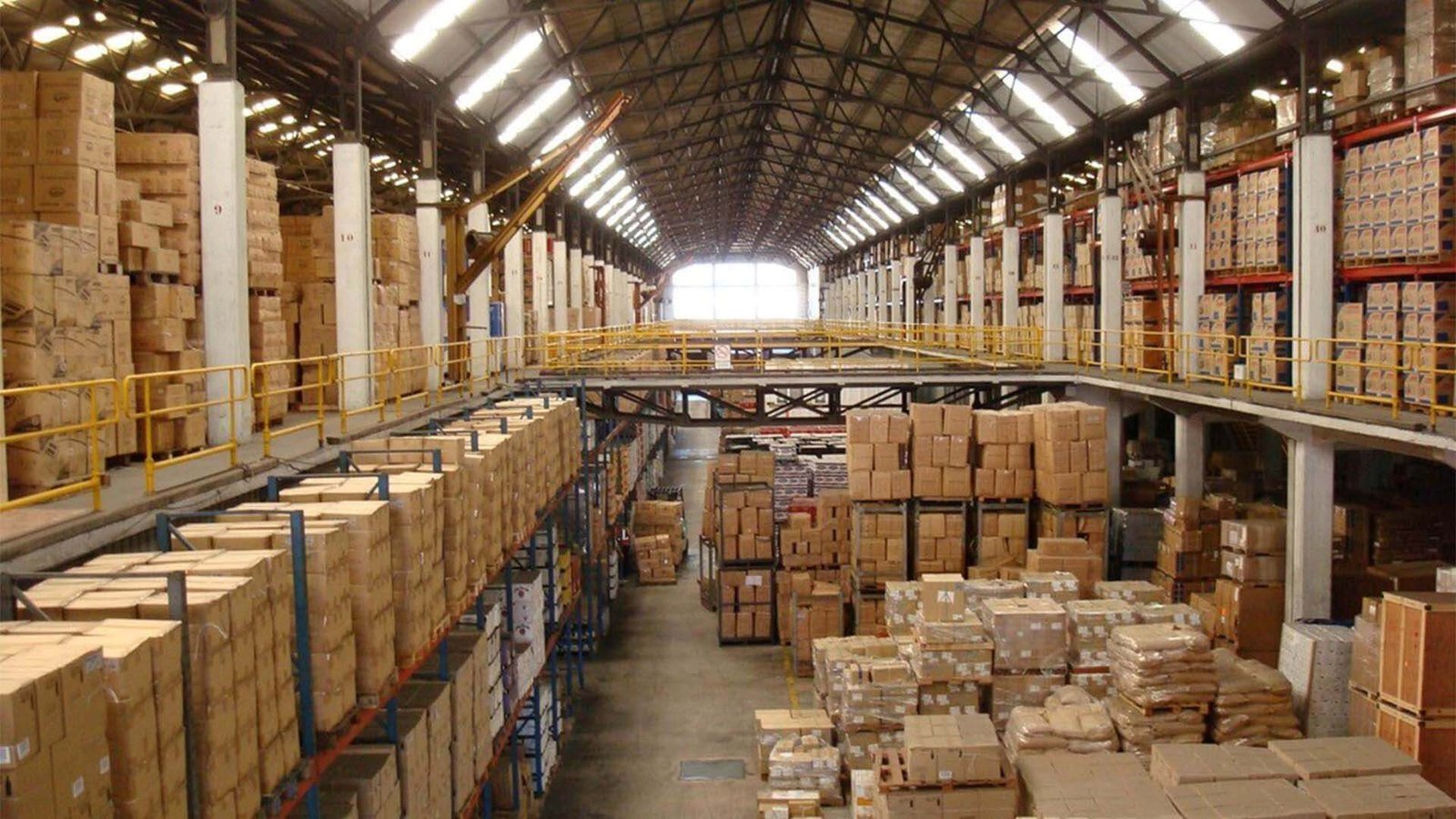
Avoiding common pitfalls can save you time and money. Here are some mistakes to watch out for:
- Incorrect Product Classification: Always classify your products accurately to avoid tariffs and penalties.
- Poor Documentation: Ensure all documents are complete and correct before shipment.
- Neglecting Research: Stay updated on changes in customs regulations and trade laws12.
- Ignoring Supplier Relationships: Build strong ties with suppliers to ensure product quality and compliance.
- Skipping Customs Broker Consultation: Collaborate with a customs broker3 to navigate complexities effectively.
Understanding the Key Documents and Requirements for Successful Importing and Exporting
Key documents for successful importing and exporting include the commercial invoice9, bill of lading10, packing list13, and any necessary certificates. Ensuring all required documents are accurate and complete is essential for compliance with Customs and avoiding shipment delays4 or penalties.
Key documents for successful importing and exporting include the commercial invoice9, bill of lading10, packing list13, and any necessary certificates. Ensuring all required documents are accurate and complete is essential for compliance with Customs and avoiding shipment delays4 or penalties.
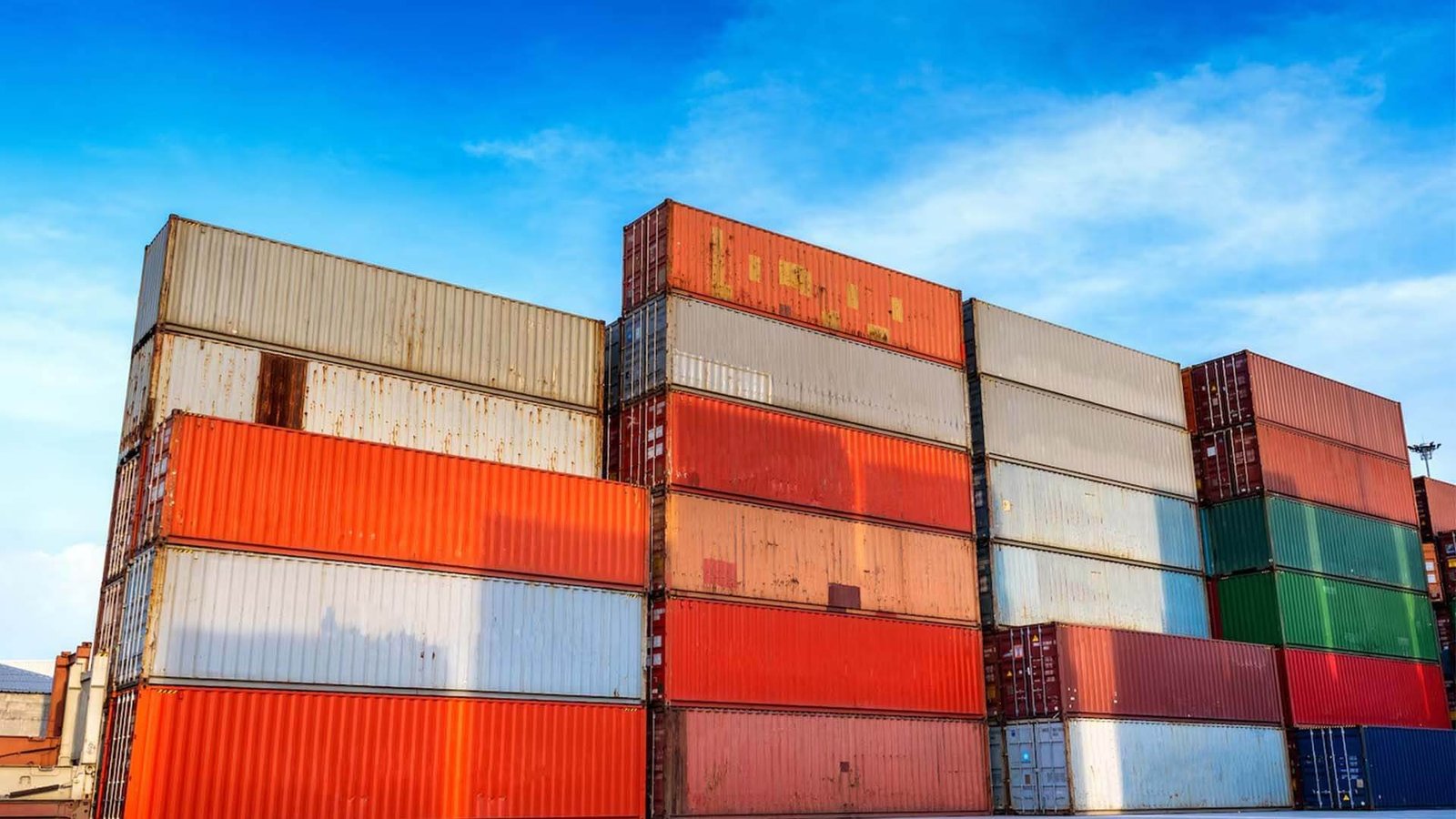
Understanding the documentation required for importing and exporting is crucial. Here are the key documents you need:
| Document Name | Purpose |
|---|---|
| Commercial Invoice | Lists items, quantities, and values |
| Bill of Lading | Receipt of goods and shipping instructions |
| Packing List | Details of packed items for customs clearance5 |
| Certificates | Proof of compliance with regulations |
Having accurate, complete, and timely documents is essential for smooth customs processing. Make sure to check requirements specific to your products and trade routes.
How to Build Strong Relationships with Customs Brokers and Freight Forwarders?
Strong relationships with customs broker3s and freight forwarder11s help new importers and exporters navigate complex regulations, streamline shipments, and ensure compliance with both local and international trade laws12. Clear communication, trust, and mutual understanding are essential for minimizing delays and ensuring smooth operations.
Strong relationships with customs broker3s and freight forwarder11s help new importers and exporters navigate complex regulations, streamline shipments, and ensure compliance with both local and international trade laws12. Clear communication, trust, and mutual understanding are essential for minimizing delays and ensuring smooth operations.
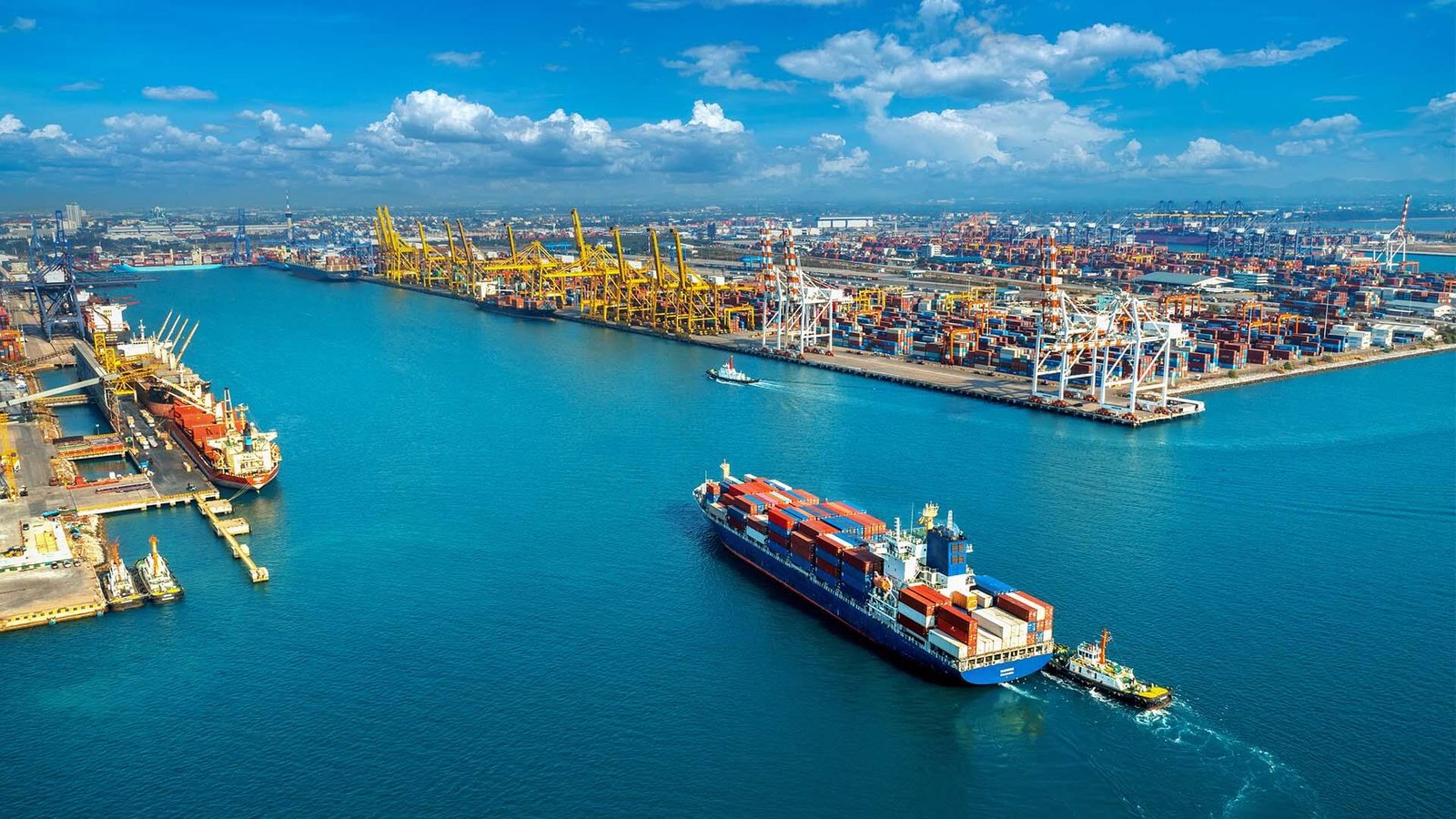
Building solid partnerships with customs broker3s and freight forwarder11s can greatly ease your journey. Here are tips for effective collaboration:
- Open Communication: Keep lines of communication clear and frequent. Discuss any concerns or updates regularly.
- Trust Your Partners: Select brokers and forwarders with proven track records. Trust their expertise to guide you.
- Share Information: Provide complete and accurate information on shipments to avoid misunderstandings.
- Seek Feedback: Encourage constructive feedback to improve your processes and relationships.
- Be Proactive: Anticipate issues and engage with your partners to address potential challenges.
Best Practices for New Exporters to Ensure Compliance and Minimize Risk
New exporters should stay up-to-date with export regulations, secure the correct export licenses14, and ensure accurate classification of goods to minimize risk. Working with experienced customs broker3s and freight forwarder11s ensures compliance, avoids costly fines, and facilitates smooth shipping processes.
New exporters should stay up-to-date with export regulations, secure the correct export licenses14, and ensure accurate classification of goods to minimize risk. Working with experienced customs broker3s and freight forwarder11s ensures compliance, avoids costly fines, and facilitates smooth shipping processes.
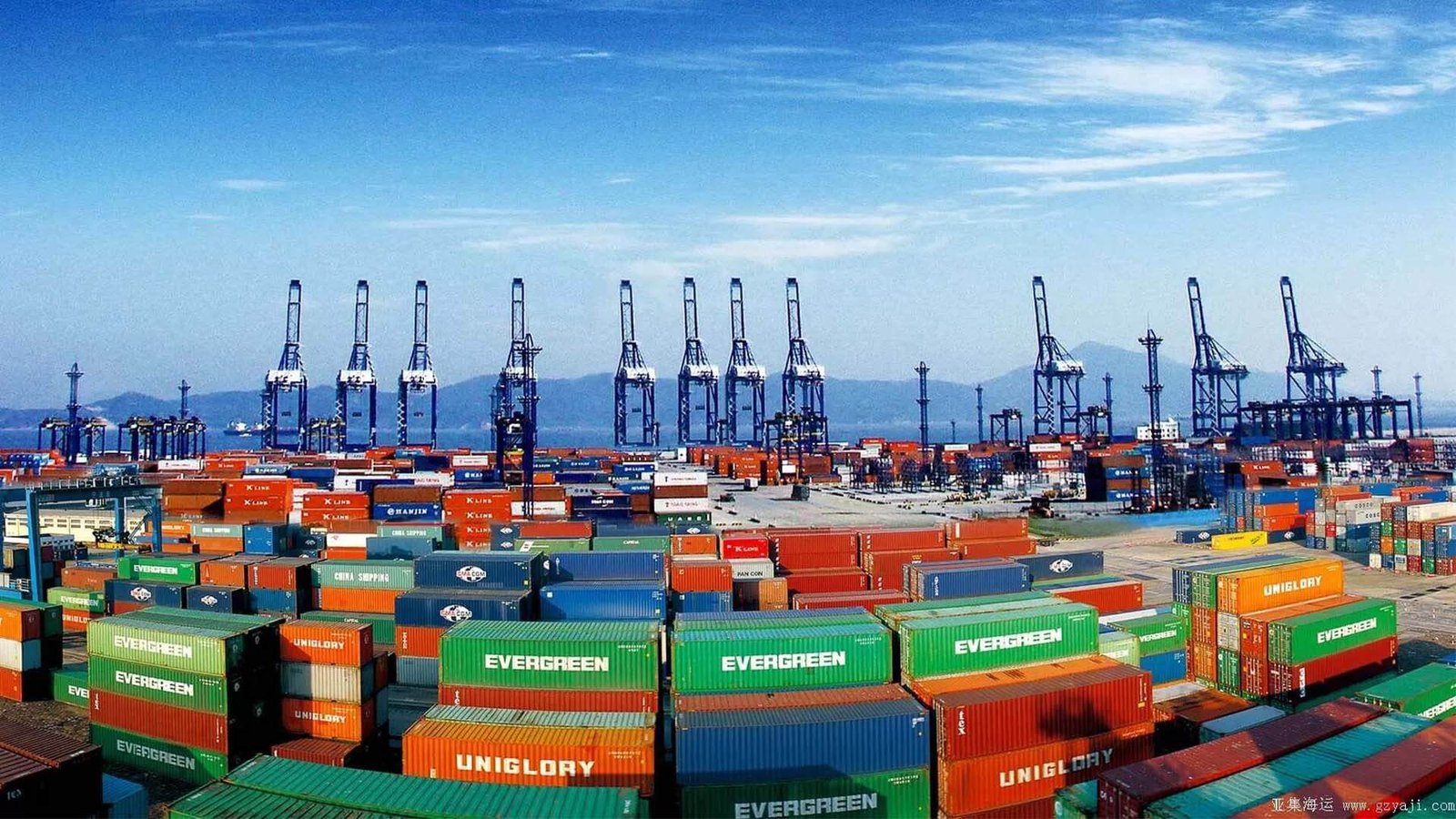
To ensure compliance and reduce risks in exporting, consider these best practices:
- Stay Informed: Regularly check for updates on export laws and regulations.
- Secure Proper Licenses: Determine if your goods need export licenses14 and obtain them timely.
- Accurate Classifications: Classify goods correctly to avoid compliance issues and penalties.
- Documentation Accuracy: Double-check all export documentation to ensure correctness.
- Utilize Expert Services: Engage customs broker3s for guidance and expertise to navigate complexities.
Conclusion
Navigating the world of importing and exporting requires knowledge, strategy, and strong relationships. By following these tips, you can avoid common pitfalls and ensure compliance.
Understanding U.S. Customs regulations is crucial for avoiding penalties and ensuring smooth import processes. ↩
Tariff codes determine the duties on imported goods, impacting costs and compliance. ↩
A customs broker can help navigate complex regulations, reducing the risk of costly mistakes. ↩
Avoiding shipment delays ensures timely delivery and customer satisfaction. ↩
Smooth customs clearance prevents delays and ensures compliance with regulations. ↩
Strong supplier relationships ensure product quality and compliance. ↩
Knowing trade regulations is vital for compliance and avoiding legal issues. ↩
Logistics partnerships streamline operations and ensure efficient shipping processes. ↩
A commercial invoice lists items and values, essential for customs clearance. ↩
A bill of lading serves as a receipt and shipping instruction, crucial for logistics. ↩
A freight forwarder streamlines shipping arrangements, ensuring efficient logistics. ↩
Trade laws govern international trade, affecting compliance and operations. ↩
A packing list details packed items, facilitating smooth customs processing. ↩
Export licenses are necessary for compliance, avoiding fines and legal issues. ↩