Legal container load limits1 can significantly impact your shipping experience. Understanding these limits helps avoid fines, delays, and potential cargo damage2. As a U.S. importer, knowing the regulations is crucial for smooth operations.
Legal container load limits1 in the U.S. are regulated by weight and size restrictions to ensure safe transportation and avoid penalties. U.S. importers must ensure that containers do not exceed the maximum allowable weight3, which varies based on the container type, to prevent fines, shipping delays4, and potential cargo damage2.
It's essential to grasp the intricacies of container load limits. Ignoring these can lead to unnecessary headaches. Let's dive into what U.S. importers should know.
What U.S. Importers Need to Know About Legal Container Load Limits?
Many U.S. importers feel overwhelmed by container weight limits. It’s a common issue I've seen. You must comply with these regulations to ensure trouble-free shipping.
Legal container load limits1 in the U.S. are regulated by weight and size restrictions to ensure safe transportation and avoid penalties. U.S. importers must ensure that containers do not exceed the maximum allowable weight3, which varies based on the container type, to prevent fines, shipping delays4, and potential cargo damage2.
Getting familiar with these limits isn’t just about avoiding fines. It’s about ensuring that your cargo reaches its destination safely. Knowing the limits for your containers can save you time and money.
Dive Deeper
Understanding the legal limits for container loads is essential. Each container type has specific weight restrictions. For example, a standard 20ft container has a maximum gross weight of around 44,000 lbs, while a 40ft container can carry up to 67,200 lbs. Falling short of these limits can lead to penalties or fines. It's crucial to have accurate weight measurements5 before shipping. Collaborate with freight forwarders6 who are experienced with these regulations. They can help you navigate the complexities of shipping and ensure compliance. This teamwork can prevent shipping delays4 and protect your cargo throughout its journey.
How Container Weight Violations Can Impact Your Shipping and Costs?
Weight violations can be a nightmare. I have encountered cases where importers faced heavy fines simply because they didn’t adhere to weight limits. Avoiding such pitfalls saves money and time.
Container weight violations can lead to additional fees, delays, and potential offloading at ports. If a container exceeds the legal weight limit, it may be subject to fines, extra handling charges7, or even re-routing8, all of which increase costs and disrupt the supply chain for U.S. importers.
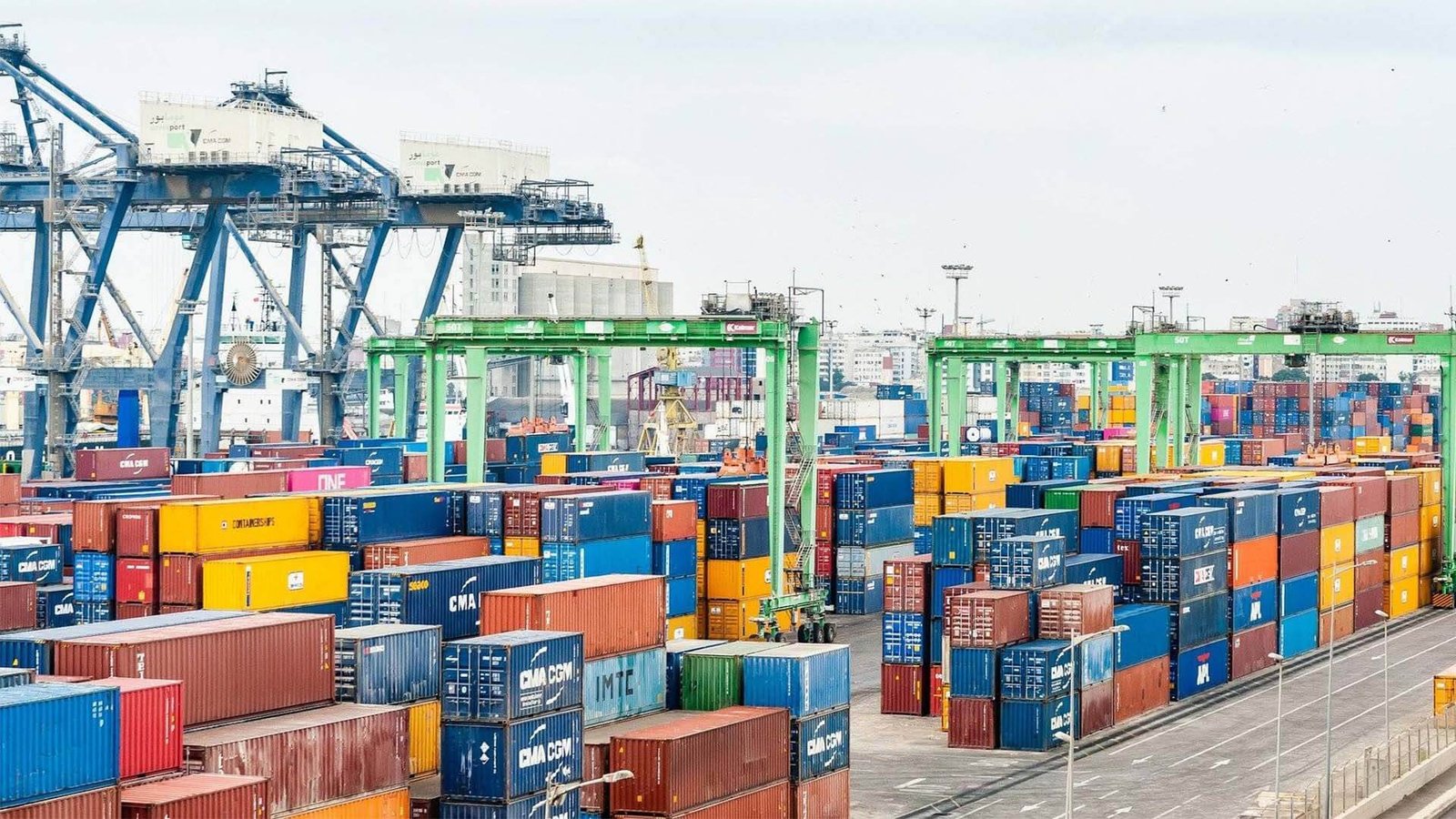
Not adhering to weight limits can have cascading effects on your shipping schedule. It’s essential to be proactive about monitoring and managing your container loads.
Dive Deeper
The impact of container weight violations9 goes beyond fines; it can disrupt your entire supply chain. For instance, if a container exceeds the legal weight limit, port authorities may impose fines or delay the unloading process. This delay can lead to missed deadlines and affect your overall business operations. Additionally, you may incur extra handling charges7 or face the need to re-route the shipment, which adds further costs. To avoid these issues, maintain accurate documentation of your cargo weight. Regular communication with your logistics provider can help ensure compliance. They can guide you on weight distribution and help you navigate any potential issues before they escalate.
Understanding the Maximum Weight for 20ft and 40ft Containers?
Do you know the exact weight limits for your containers? Many U.S. importers overlook this critical aspect, leading to complications during shipping.
A 20ft shipping container can typically hold up to 44,000 lbs, while a 40ft container can hold up to 67,200 lbs. U.S. importers need to understand these limits to avoid overloading and ensure compliance with international shipping standards, preventing delays and costly penalties.

Understanding the maximum weight for your containers is vital for compliance. It’s also essential for planning your shipments effectively to avoid delays.
Dive Deeper
Each container size has its limitations, which are crucial for effective shipping. As mentioned, a 20ft container typically accommodates up to 44,000 lbs, while a 40ft container can handle 67,200 lbs. These weight limits are not just arbitrary numbers but are established based on safety and transportation standards. Overloading a container can lead to severe consequences, such as structural damage to the container or even accidents during transit. To ensure compliance, weigh your cargo accurately before shipping. Regular checks and balances can help maintain optimal load limits. Furthermore, working with experienced customs brokers10s](https://www.descartes.com/resources/knowledge-center/solas-container-weight-verification-requirement-resource-center)%%%FOOTNOTE_REF_11%%% can help you understand the specific requirements for your shipments, thereby avoiding any potential penalties.
Why Proper Load Distribution in Containers Is Crucial for Safe Shipping?
Have you ever thought about how load distribution12 affects shipping safety? This often overlooked aspect can lead to severe consequences if not managed correctly.
Proper load distribution12 ensures that cargo is balanced and prevents overloading on one side, reducing the risk of accidents and damage during transit. U.S. importers should collaborate with freight forwarders6 to ensure even weight distribution across the container, maintaining safety and compliance with transport regulations13.
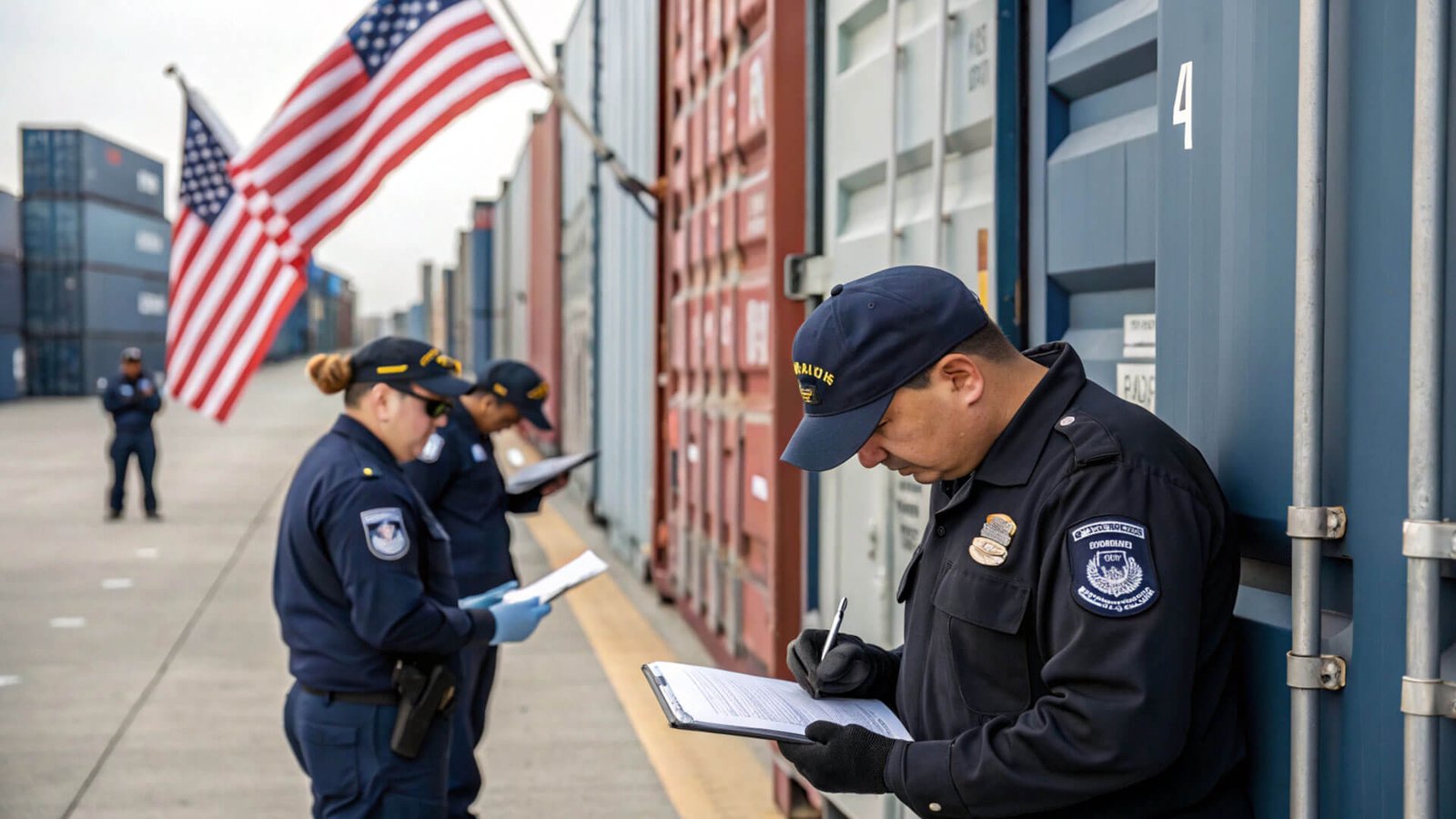
Improper load distribution12 can lead to cargo instability. This instability can have dire consequences for safety and compliance.
Dive Deeper
Proper load distribution12 is vital for ensuring safe transport. When cargo is unevenly distributed, it can cause a container to tip over or lead to unexpected handling issues during transit. For instance, if too much weight is concentrated on one side of the container, it can create instability, resulting in potential accidents. Therefore, U.S. importers must pay attention to how they load their containers. Collaborating with freight forwarders6 who prioritize safety can help ensure that your cargo is evenly distributed. This partnership can also facilitate compliance with regulations, ultimately reducing risks associated with transporting your goods. Regular training for staff on proper loading techniques can further enhance safety and compliance in logistics operations.
How to Avoid Overloading Containers and Prevent Shipping Delays?
Are you often worried about container overloads14? Many importers face this problem, leading to significant disruptions in their supply chain.
U.S. importers can avoid container overloads14 by monitoring cargo weight and adhering to container specifications. Using reliable logistics providers15 and ensuring accurate documentation can help verify container weight before shipment, preventing shipping delays4 and ensuring timely customs clearance.
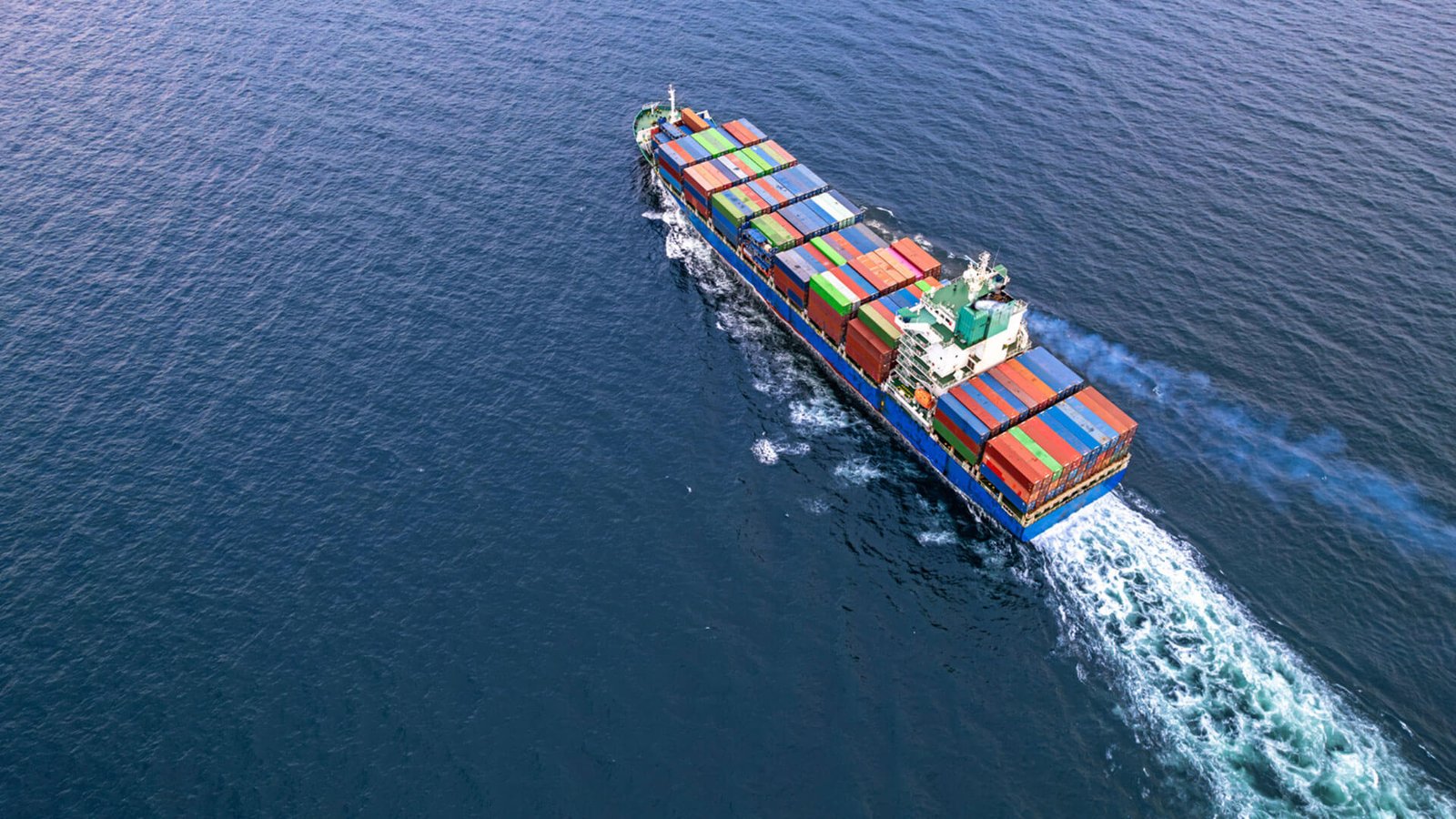
Taking steps to avoid overloading containers is essential for maintaining a smooth shipping process. Preventing overloading ensures timely delivery of your goods.
Dive Deeper
Preventing container overloads14 starts with effective weight management. U.S. importers should regularly monitor and document the weight of their cargo before shipping. This proactive approach not only prevents overloading but also ensures compliance with shipping regulations. One effective strategy is to work with reliable logistics providers15 who can assist in verifying weight. These logistics partners can offer tools and resources to measure weight accurately, thus reducing the chances of incurring fines or delays. Additionally, keeping thorough records can simplify the customs process and ensure a smoother clearance experience. Utilizing technology, such as weight monitoring systems16, can further enhance your ability to manage container loads effectively.
How Ports Verify Container Weight and Why It’s Important for U.S. Importers?
Do you know how ports check container weight? Understanding this process can help you avoid common pitfalls in shipping.
Ports use various methods, including weighbridges17 and scanning technologies18, to verify container weight before allowing them to be shipped. U.S. importers must ensure their containers comply with weight regulations to avoid delays, fines, or offloading, and to ensure smooth and efficient customs processing.

Understanding how ports verify container weight is crucial for importers. This knowledge helps ensure compliance and avoid disruptions in shipping.
Dive Deeper
Ports verify container weight using several methods, including weighbridges17 and advanced scanning technology. These systems are designed to ensure compliance with weight regulations and maintain safety standards. For U.S. importers, understanding this verification process is vital. If a container does not meet weight requirements, it may be delayed or even offloaded at the port. This disruption can significantly impact your supply chain schedule19. To avoid such issues, it’s essential to ensure that your containers comply with weight regulations before arrival at the ports. Collaborating with experienced customs brokers10s](https://www.descartes.com/resources/knowledge-center/solas-container-weight-verification-requirement-resource-center)%%%FOOTNOTE_REF_11%%% can aid in preparing necessary documentation and ensuring that your shipments meet all requirements, thus facilitating smoother customs processing.
Conclusion
Understanding container load limits is essential for a hassle-free shipping experience. Compliance with regulations leads to smooth operations and reduced costs.
Understanding legal container load limits is crucial for avoiding fines and ensuring safe transportation of goods. ↩
Preventing cargo damage is vital for protecting your goods and ensuring they reach their destination safely. ↩
Knowing the maximum allowable weight helps prevent fines and ensures compliance with shipping regulations. ↩
Avoiding shipping delays is essential for maintaining a smooth supply chain and timely delivery of goods. ↩
Accurate weight measurements ensure compliance with regulations and prevent shipping issues. ↩
Freight forwarders can help navigate complex shipping regulations and ensure compliance with weight limits. ↩
Avoiding extra handling charges can save money and prevent disruptions in the shipping process. ↩
Re-routing can lead to increased costs and delays, so understanding how to prevent it is crucial. ↩
Understanding the consequences of weight violations can help avoid fines and disruptions in shipping. ↩
Experienced customs brokers ensure shipments meet all requirements, facilitating smoother customs processing. ↩
Customs brokers can assist in preparing documentation and ensuring shipments meet weight regulations. ↩
Proper load distribution prevents accidents and ensures safe transportation of goods. ↩
Understanding transport regulations is essential for compliance and avoiding penalties. ↩
Preventing container overloads is essential for avoiding fines and ensuring smooth shipping operations. ↩
Logistics providers offer tools and resources to ensure compliance with weight regulations and prevent delays. ↩
Weight monitoring systems help manage container loads effectively and ensure compliance with regulations. ↩
Understanding weighbridge operations can help ensure compliance and avoid shipping delays. ↩
Scanning technologies ensure compliance with weight regulations and maintain safety standards. ↩
Maintaining a smooth supply chain schedule is crucial for timely delivery and business operations. ↩