
The world of importing can be complex. Many U.S. importers face a common challenge: the customs x-ray exam1. Understanding this process is essential for smooth shipping.
A customs X-ray exam involves scanning shipments to detect hidden contraband2, prohibited items, or discrepancies in the declared cargo. U.S. importers should be aware of this process, as it can lead to delays in the clearance of goods3. Understanding how these inspections work can help importers prepare and mitigate potential disruptions.

Customs x-ray exams are a critical part of the shipping process. They can cause delays and affect delivery schedules. Knowing what to expect can help you navigate potential issues.
What an X-Ray Exam in Customs Involves and Why It Matters for U.S. Importers?
The x-ray exam process in customs is designed to enhance security4. It helps customs officials ensure that no dangerous or illegal items are in your shipment. For U.S. importers, this process can be a significant hurdle.
A customs X-ray exam involves scanning shipments to detect hidden contraband2, prohibited items, or discrepancies in the declared cargo. U.S. importers should be aware of this process, as it can lead to delays in the clearance of goods3. Understanding how these inspections work can help importers prepare and mitigate potential disruptions.
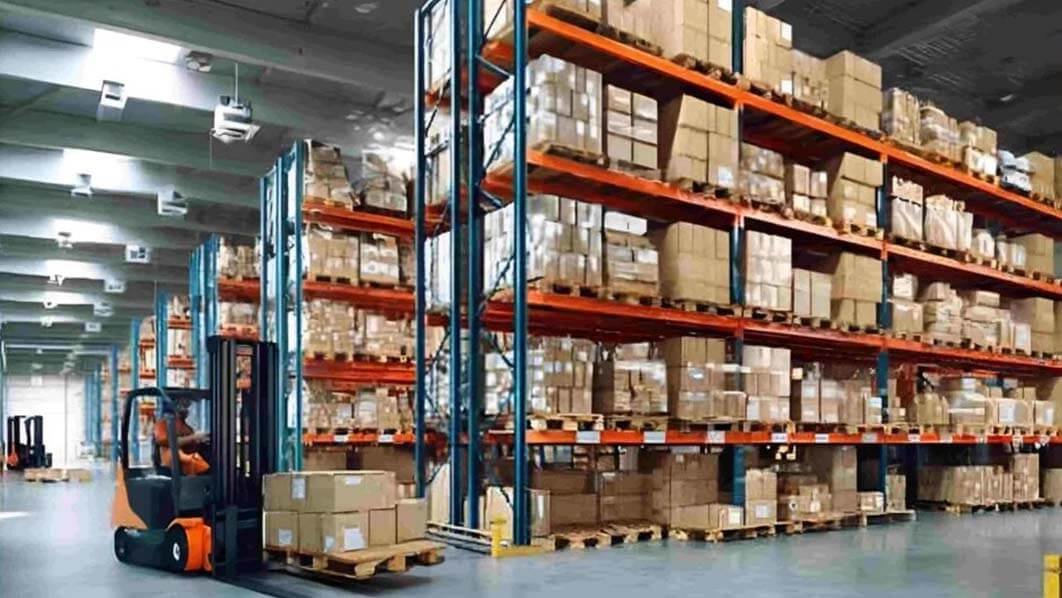
The x-ray examination process might seem straightforward, but it can deeply impact your shipment. Delays can occur if customs find anything suspicious. This is why understanding this procedure is vital for every importer.
How Customs X-Ray Inspections Impact Your Shipment and What to Expect?
Customs inspections can have a major influence on your shipment timeline. They are an essential step to confirm compliance with U.S. regulations5.
Customs X-ray inspections can delay shipments as they are used to verify compliance with U.S. regulations5. U.S. importers should expect additional processing time, especially for high-risk shipments. While the inspection itself is non-invasive, it can cause longer wait times for customs clearance, affecting delivery schedules.
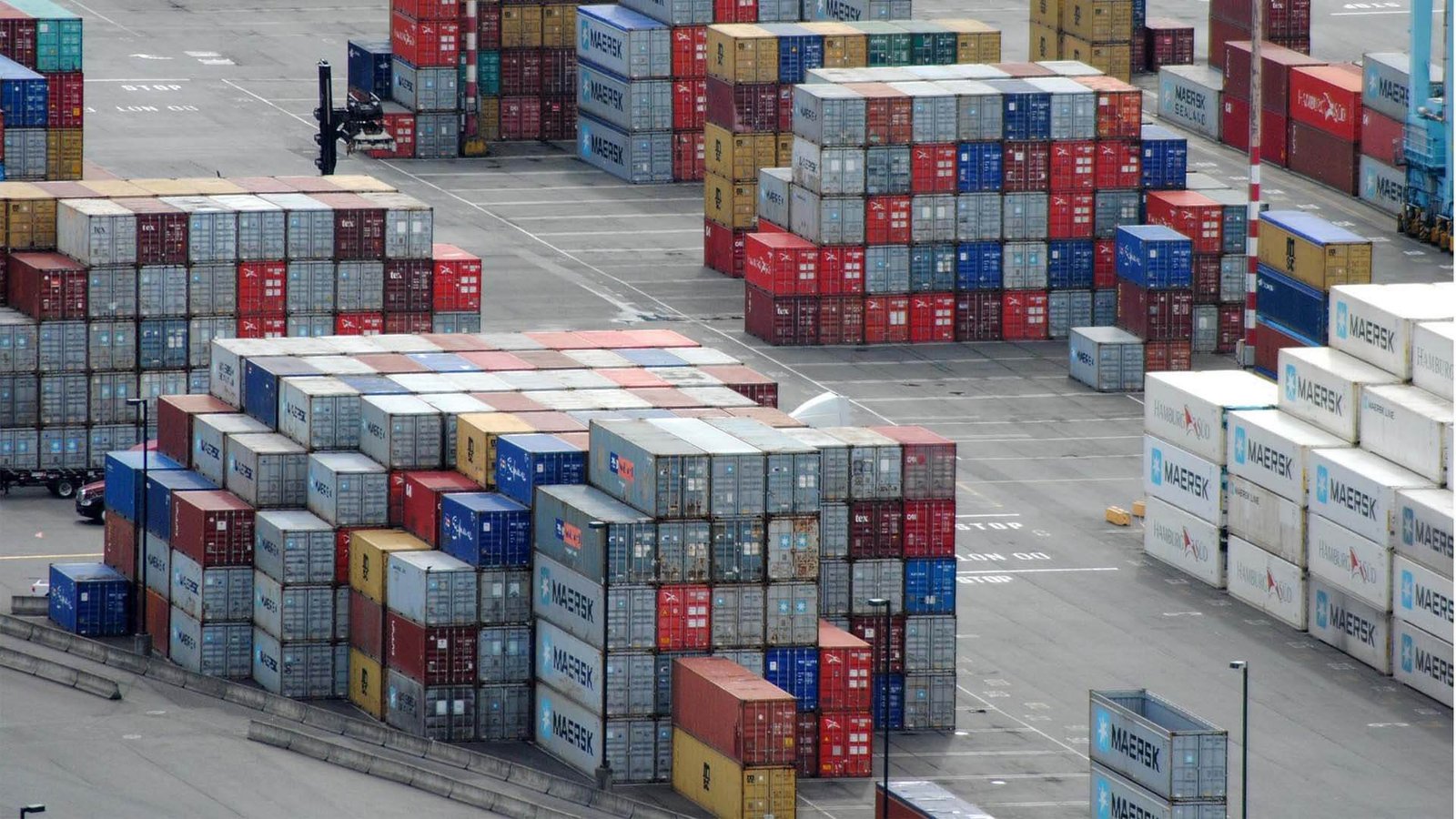
Anticipating potential delays can help you plan better. By understanding how customs x-ray exam1s work, you can adjust your timelines accordingly. This foresight is crucial for maintaining good customer relationships.
How to Prepare for a Customs X-Ray Exam and Minimize Delays?
Preparation is key when dealing with customs x-ray exam1s. There are several steps you can take to minimize delays during this process.
To prepare for a customs X-ray exam, U.S. importers should ensure that all documentation is complete and accurate. Proper labeling, correct tariff classifications, and proper packing reduce the likelihood of issues during inspection. Working with a customs broker6 can help minimize delays and ensure smooth clearance.

Here are some ways to get ready for a customs x-ray exam1:
- Ensure all paperwork is accurate and complete.
- Use correct labeling on all packages.
- Double-check tariff classifications for items.
- Pack items in a way that makes them easy to scan.
These steps can significantly reduce the chances of delays.
What Customs Officials Look for During an X-Ray Inspection of Your Cargo?
Understanding what customs officials seek during x-ray inspections can aid in efficient clearance. They focus on several key areas.
Customs officials use X-ray inspections to identify items that could pose a risk, such as contraband, undeclared goods, or discrepancies between the shipment and the shipping documents. U.S. importers can avoid issues by ensuring that their shipments match the declared information and comply with all relevant regulations.
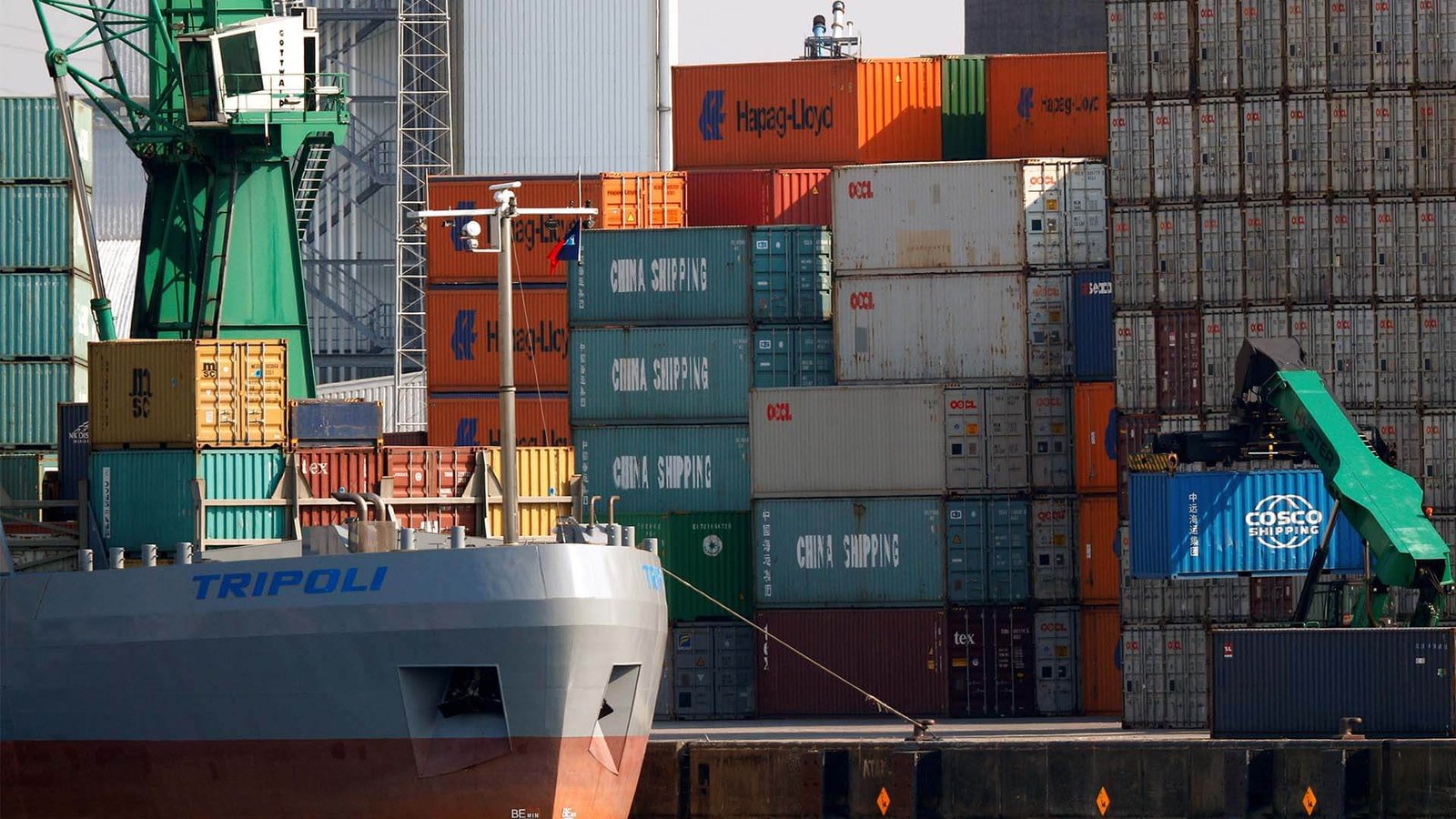
Customs officials are trained to spot inconsistencies. They may look for:
- Contraband or illegal items.
- Goods that are not declared properly.
- Differences between the shipment and the shipping documents.
Being aware of these factors can streamline the inspection process.
Common Reasons for X-Ray Exams in Customs and How to Avoid Them
X-ray exams often occur based on specific criteria. Knowing these reasons can help you avoid unnecessary inspections.
Common reasons for X-ray exams include suspicious cargo patterns7, high-risk goods, or random selection by U.S. Customs and Border Protection (CBP). To avoid frequent inspections, U.S. importers should maintain accurate records, work with experienced customs broker6s, and ensure compliance with all import/export regulations to reduce the likelihood of being flagged for inspection.

To avoid x-ray exams, consider these strategies:
- Maintain thorough and accurate shipping records.
- Partner with a knowledgeable customs broker6.
- Ensure compliance with all regulations to minimize risks.
Understanding these points can save you time and resources.
Conclusion
Understanding customs x-ray exam1s is crucial for U.S. importers to avoid delays and ensure smooth shipments.
Learn about the customs x-ray exam process to understand its impact on your shipping and how to prepare for potential delays. ↩
Discover how customs x-ray exams work to identify hidden contraband, ensuring your shipments comply with regulations. ↩
Understand the reasons behind shipment delays due to customs x-ray exams and how to mitigate them. ↩
Explore how customs x-ray exams contribute to shipping security by preventing illegal items from entering the country. ↩
Learn the importance of compliance with U.S. regulations to avoid issues during customs x-ray inspections. ↩
Learn how partnering with a customs broker can streamline the customs x-ray exam process and minimize delays. ↩
Identify cargo patterns that could lead to customs x-ray exams and learn how to avoid them. ↩