The logistics world can be confusing, especially when it comes to understanding shipment numbers1. Many senders struggle with knowing exactly what these numbers mean and where to find them.
Shipment numbers can mean different IDs depending on the shipping method. For parcels, it usually means a tracking number2; for freight it may mean a PRO number3 or BOL number4; for international shipping it often includes booking numbers5, container numbers6, or bill of lading7/air waybill numbers8. Knowing the correct ID prevents tracking confusion9 and delays.
Understanding shipment numbers1 is crucial for efficient shipping and tracking. Without proper identification, delays and misunderstandings can arise, hindering the shipping process. Therefore, let’s dive into the specifics of shipment numbers1.
Define shipment numbers1 clearly by separating tracking number2, shipment ID/reference number, PRO number3, BOL number4, booking number, and container number?

“Shipment number” can mean different IDs depending on the shipping method. For parcels, it usually means a tracking number2; for freight, it may mean a PRO number3 or BOL number4; for international shipping, it often includes booking numbers5, container numbers6, or bill of lading7/air waybill numbers8. Knowing the correct ID prevents tracking confusion9 and delays.
| Shipment ID type | Used for | Common modes | Who issues it | Where it appears |
|---|---|---|---|---|
| Tracking number | Parcels | Express, air | Carriers | Shipping labels |
| Shipment reference / shipment ID | General reference | All modes | Shippers | Invoices, emails |
| PRO number3 | Freight shipments | LTL | Carriers | BOL documents |
| BOL number4 | Freight shipments | All freight | Shippers | BOL documents |
| Booking number | Ocean freight | Ocean | Carriers | Booking confirmations |
| Container number | Ocean freight | Ocean | Carriers | Shipping documents |
| Seal number | Ocean freight | Ocean | Carriers | Shipping documents |
| HBL / MBL10 | Freight shipments | Ocean | Forwarders | BOL documents |
| HAWB / MAWB11 | Air freight | Air | Forwarders | AWB documents |
Show where senders find shipment numbers1 on shipping documents like shipping labels, receipts, commercial invoices, packing lists, and bills of lading?
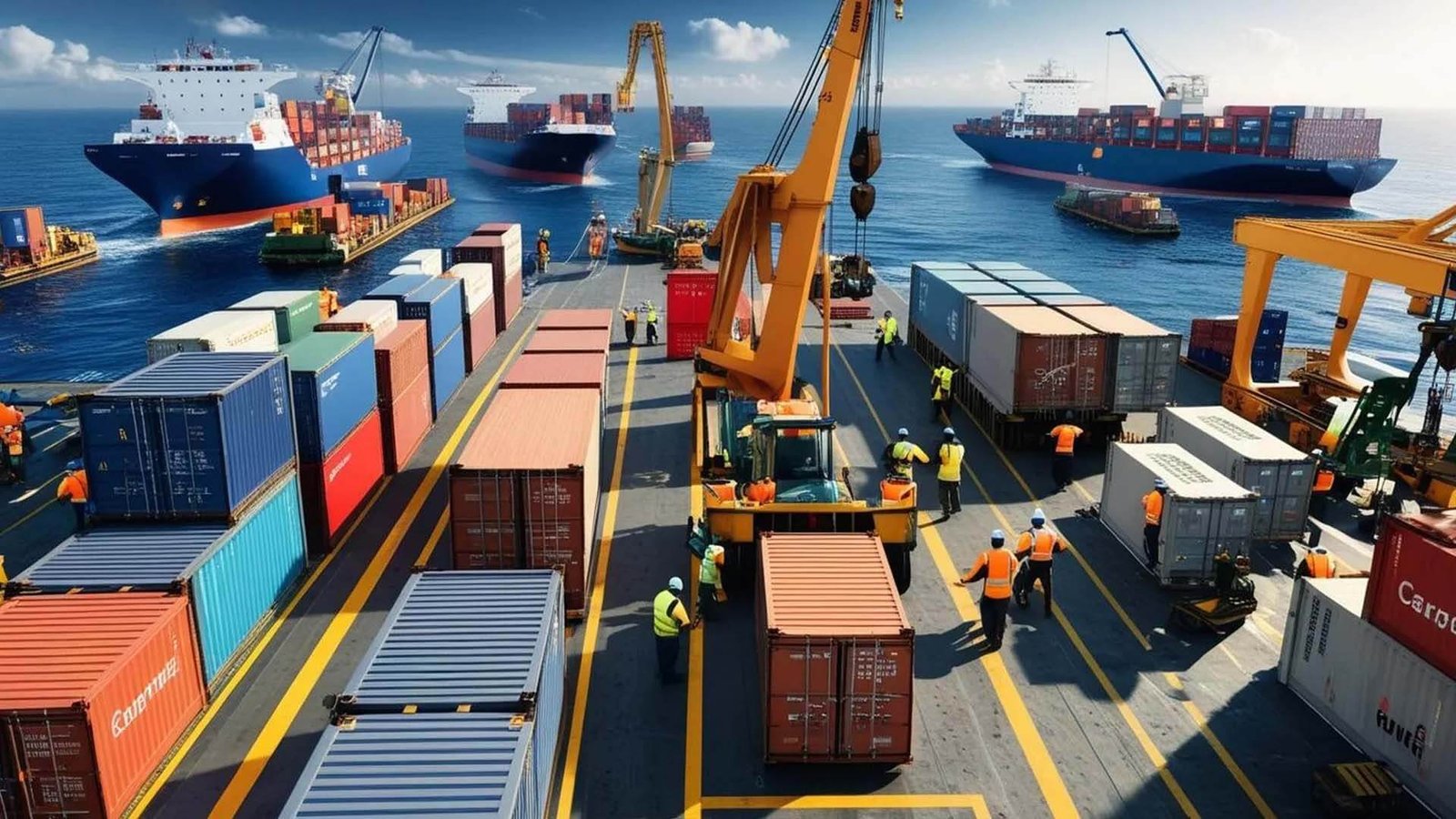
Senders can find shipment numbers1 on the documents created during booking and pickup. Parcel labels and receipts show tracking number2s, while freight shipments use BOLs and carrier documents to show PRO number3s or shipment reference12s. International shipments include booking confirmations plus ocean bills of lading or air waybills that serve as official tracking identifiers.
| Document | What number appears | Example use | Common mistakes |
|---|---|---|---|
| Shipping label | Tracking number | Package tracking | Missing or incorrect number |
| Pickup receipt | Tracking number | Proof of shipment | Not saved after pickup |
| BOL (freight) | PRO number3, BOL number4 | Freight documentation | Confusion with other numbers |
| Booking confirmation | Booking number | Ocean shipment | Using wrong booking reference |
| Carrier invoice | Tracking number | Payment reference | Not matching with shipment details |
| Commercial invoice / packing list reference fields | Shipment ID/reference number | Billing purposes | Omitting details |
| Forwarder shipment advice / HBL/HAWB documents | HBL/HAWB numbers | Air freight tracking | Mislabeling documents |
Explain how to retrieve shipment numbers1 inside carrier systems13 (USPS/FedEx/UPS), shipper accounts14, and shipment history dashboards15 when receipts are missing?
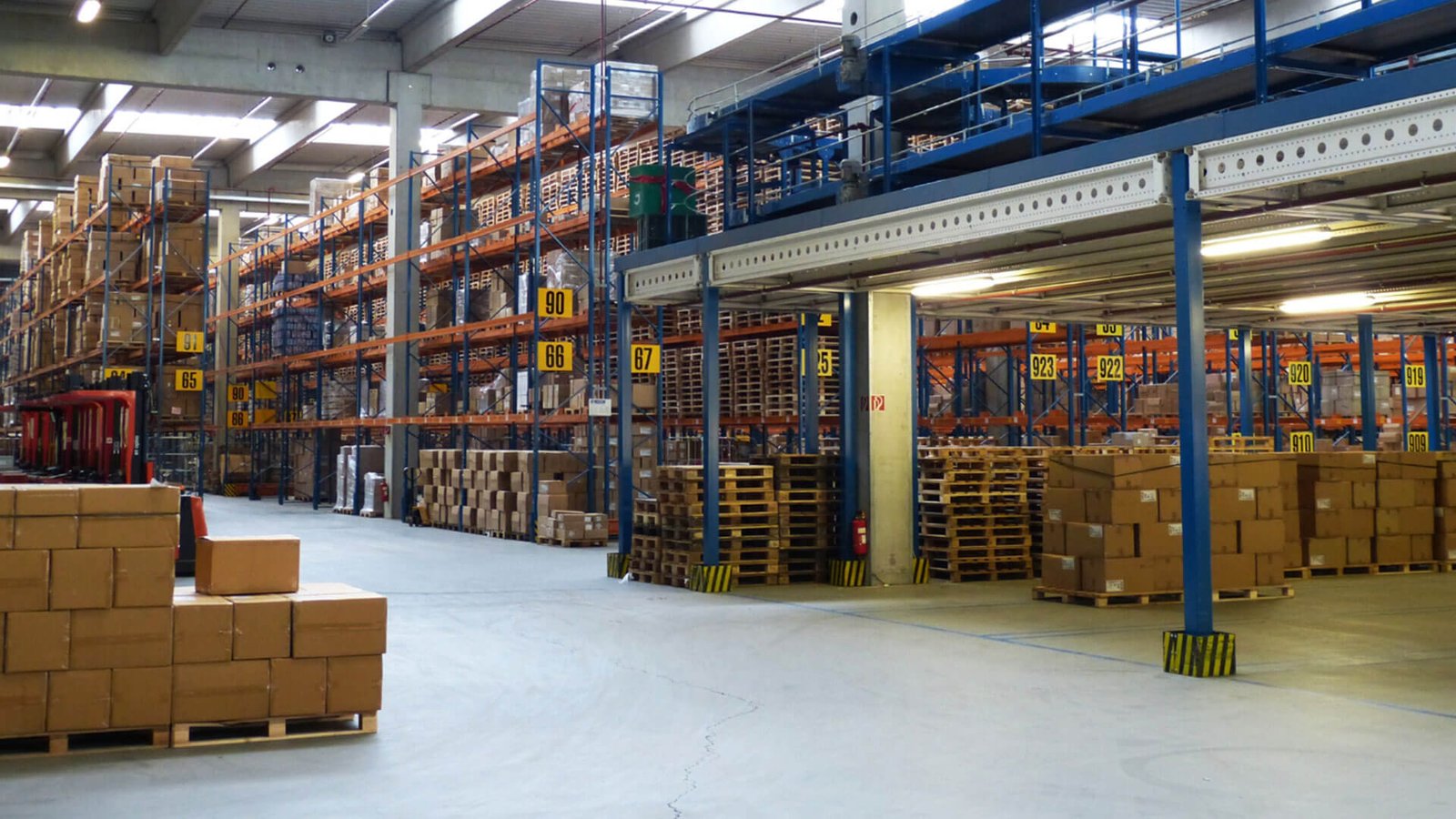
If the receipt is lost, senders can retrieve shipment numbers1 through carrier dashboards and shipper accounts14. Most carrier portals store shipment history, label reprints, and tracking IDs tied to customer accounts. If the shipment was created through a shipping platform (TMS/3PL/e-commerce), the tracking number2 and reference number are also stored in the order/shipment record.
Recovery Workflow:
- Check shipping platform (TMS / Shopify / Amazon / WMS)
- Check carrier account shipment history
- Search by recipient ZIP/date/service
- Reprint label
- Contact carrier support (account + pickup details)
Troubleshooting List:
- Label created but not scanned yet.
- Tracking exists but pickup not completed.
- Multiple numbers (reference vs tracking) causing confusion.
- Partial shipments split into multiple tracking IDs.
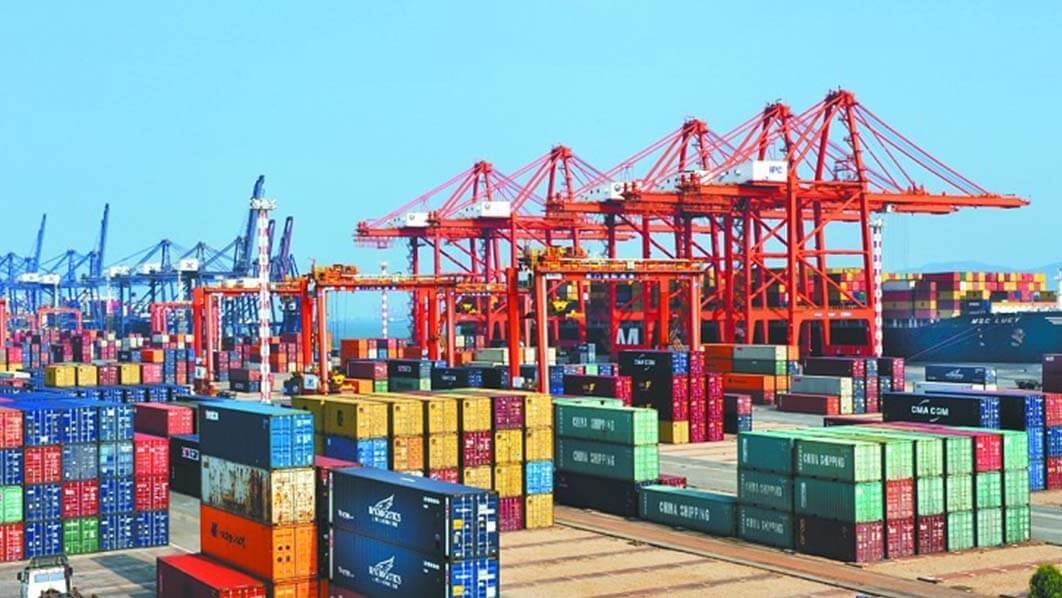
Map where shipment numbers1 appear for freight shipments (LTL/FTL/ocean/air) including PRO, SCAC, booking reference, master bill, and house bill numbers?
Freight shipments use different identifiers than parcel shipments. LTL commonly uses a PRO number3 (carrier shipment ID) and a BOL number4 (shipper contract document). International freight adds booking references, carrier SCAC codes, and bill numbers such as HBL/MBL for ocean or HAWB/MAWB for air, which control tracking and documentation.
| Mode | Primary tracking ID | Secondary IDs | Where found | Who controls it |
|---|---|---|---|---|
| LTL (PRO + BOL) | PRO number3 | BOL number4 | BOL documents | Carrier |
| FTL (BOL + carrier ref) | BOL number4 | Carrier reference | BOL documents | Carrier |
| Ocean (booking + container + HBL/MBL) | Booking number | Container number, HBL/MBL | BOL documents | Carrier & Forwarder |
| Air (AWB/MAWB + HAWB) | AWB number | HAWB number | AWB documents | Forwarder |
| Rail/intermodal (container + waybill refs) | Container number | Waybill references | Shipping documents | Carrier |
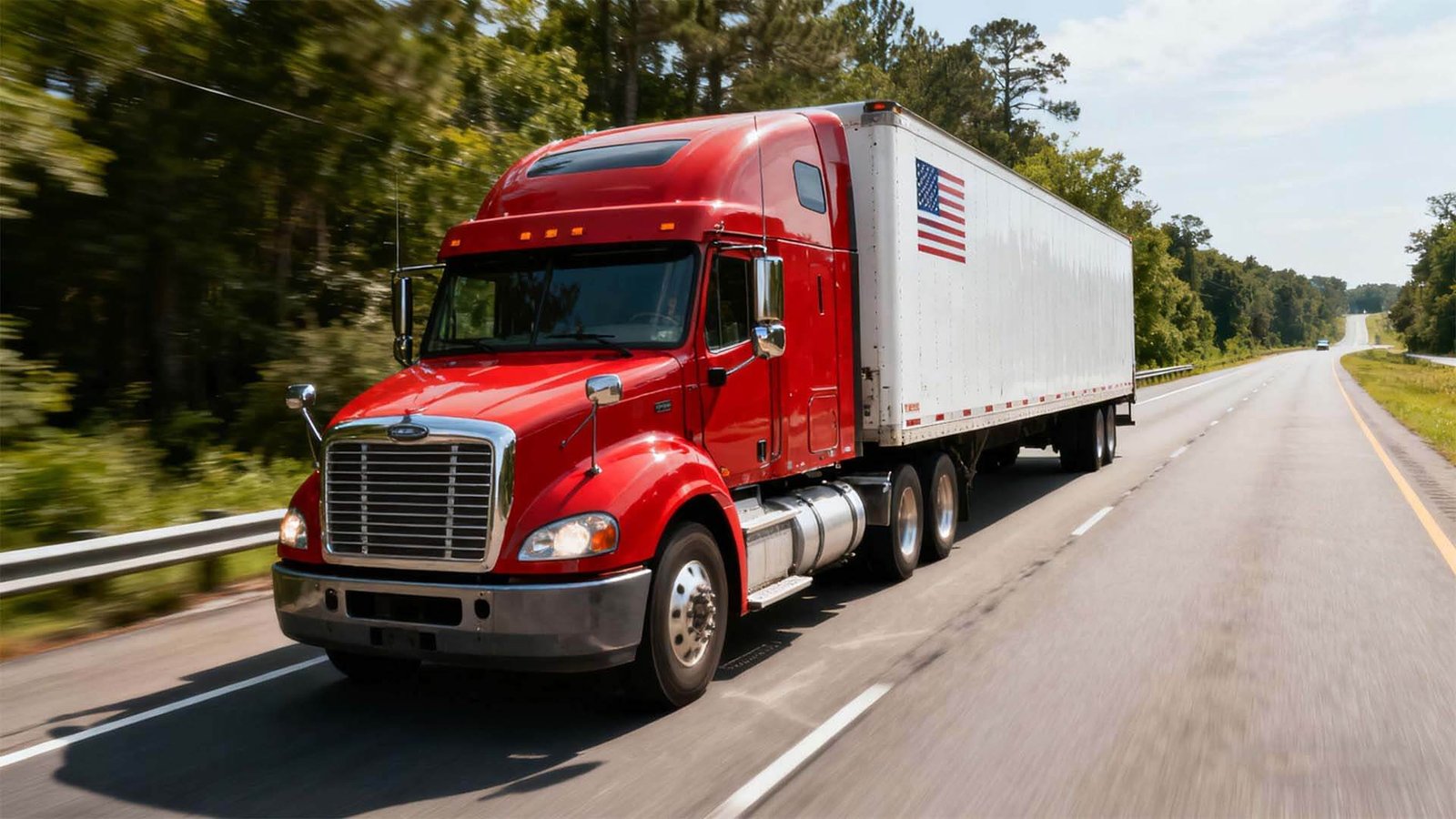
Help importers track international shipments using forwarder/broker tools16 (ACE/ISF entries, HBL/MBL numbers, container + seal number17s) and milestone visibility18?
For international shipments, the best tracking results come from using the forwarder’s identifiers—HBL/MBL or AWB numbers—plus container and seal number17s for ocean freight. Importers should also align these IDs with customs filings (ISF/entry) to avoid clearance delays. A milestone-based tracking approach (departed, arrived, released, delivered) improves visibility and exception response.
Importer Visibility Checklist:
- HBL/HAWB obtained
- MBL/MAWB confirmed
- Container + seal recorded
- Booking reference saved
- ISF/entry matched
- Delivery order and appointment tracked
- POD archived
Milestone Flow: Supplier → Export Docs → Carrier Departure → In-Transit → Arrival → Customs Clearance → Terminal Pickup → Drayage → Warehouse/Final Delivery
Prevent tracking confusion9 and fraud by explaining what valid numbers look like and how to verify real tracking IDs vs fake numbers?
Tracking confusion often comes from using the wrong ID type or receiving fake numbers. Senders should verify tracking number2s in official carrier portals and confirm that shipment details match the ship date, destination ZIP, and service level. For freight, cross-check BOL, PRO, and bill numbers across forwarder and carrier systems13 to prevent misdelivery and disputes.
| Scenario | Red flag | Verification method | Fix |
|---|---|---|---|
| Wrong carrier used | Unexpected tracking number2 | Check with carrier | Contact carrier support |
| Tracking exists but destination mismatch | Delivery to wrong address | Verify shipment details | Resend or re-route |
| Old reused tracking number2 | Tracking number is familiar | Check shipment history | Request new tracking |
| Tracking shows delivered to wrong city | Delivery confirmation issues | Cross-check delivery points | File a claim |
| Partial shipment creates multiple tracking IDs | Confusion over numbers | Consolidate tracking information | Ensure all numbers are noted |
Conclusion
Understanding shipment numbers1 is key for efficient logistics. I invite you to request our shipment visibility setup, improve your documentation workflows, and create an exception handling SOP for delays or lost cargo.
Understanding shipment numbers is crucial for efficient shipping and tracking, preventing delays and misunderstandings. ↩
A tracking number is essential for parcel tracking, helping you monitor your package's journey and ensuring it reaches its destination. ↩
A PRO number is vital for tracking freight shipments, ensuring accurate documentation and preventing confusion. ↩
A BOL number is crucial for freight documentation, serving as a contract between shipper and carrier. ↩
Booking numbers are essential for ocean freight, helping you track and manage your shipments effectively. ↩
Container numbers are key for tracking ocean freight, ensuring your goods are correctly identified and managed. ↩
A bill of lading is a critical document in shipping, acting as a receipt and contract for the transportation of goods. ↩
Air waybill numbers are essential for tracking air freight, ensuring your shipment is properly documented and tracked. ↩
Preventing tracking confusion ensures accurate delivery and reduces the risk of fraud or misdelivery. ↩
HBL and MBL numbers are crucial for ocean freight tracking, providing detailed shipment information. ↩
HAWB and MAWB numbers are vital for air freight tracking, ensuring accurate documentation and shipment visibility. ↩
A shipment reference number helps in identifying and tracking shipments across various modes of transport. ↩
Carrier systems store shipment history and tracking IDs, helping you retrieve lost shipment numbers. ↩
Shipper accounts provide access to shipment records, helping you track and manage your shipments effectively. ↩
Shipment history dashboards offer a comprehensive view of past shipments, aiding in tracking and management. ↩
Forwarder/broker tools enhance shipment tracking and visibility, ensuring smooth international shipping operations. ↩
Seal numbers are important for security in ocean freight, ensuring containers remain tamper-proof during transit. ↩
Milestone visibility improves tracking by providing updates at each stage of the shipping process. ↩