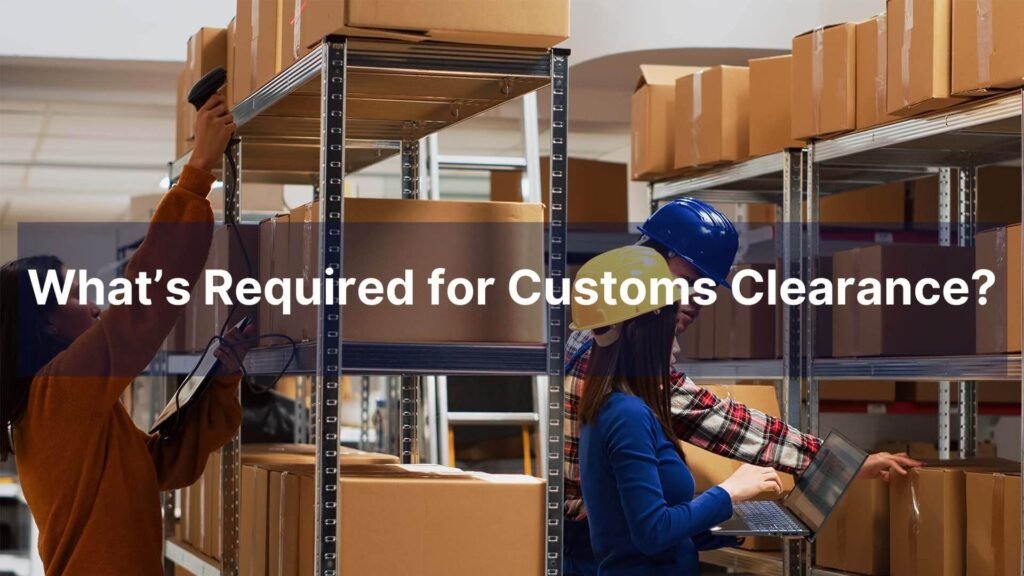
The customs clearance process1 can feel overwhelming for U.S. importers. Understanding the necessary documentation and steps is crucial to avoid delays and penalties.
To clear customs, U.S. importers need essential documents2 like a commercial invoice3, bill of lading4, and packing list5. Accurate information is vital to prevent disruptions during clearance.
Navigating customs can be tricky. Knowing what to prepare can make all the difference in ensuring a smooth process.
Understanding the Key Documents and Information Required for U.S. Customs Clearance?
The customs clearance process1 can be complex. Many importers find themselves confused about the documentation required.
U.S. customs clearance requires several critical documents, including the commercial invoice3, bill of lading4, packing list5, and any applicable certificates (e.g., FDA or USDA). Importers must ensure that all information is accurate to avoid delays or penalties during the clearance process.
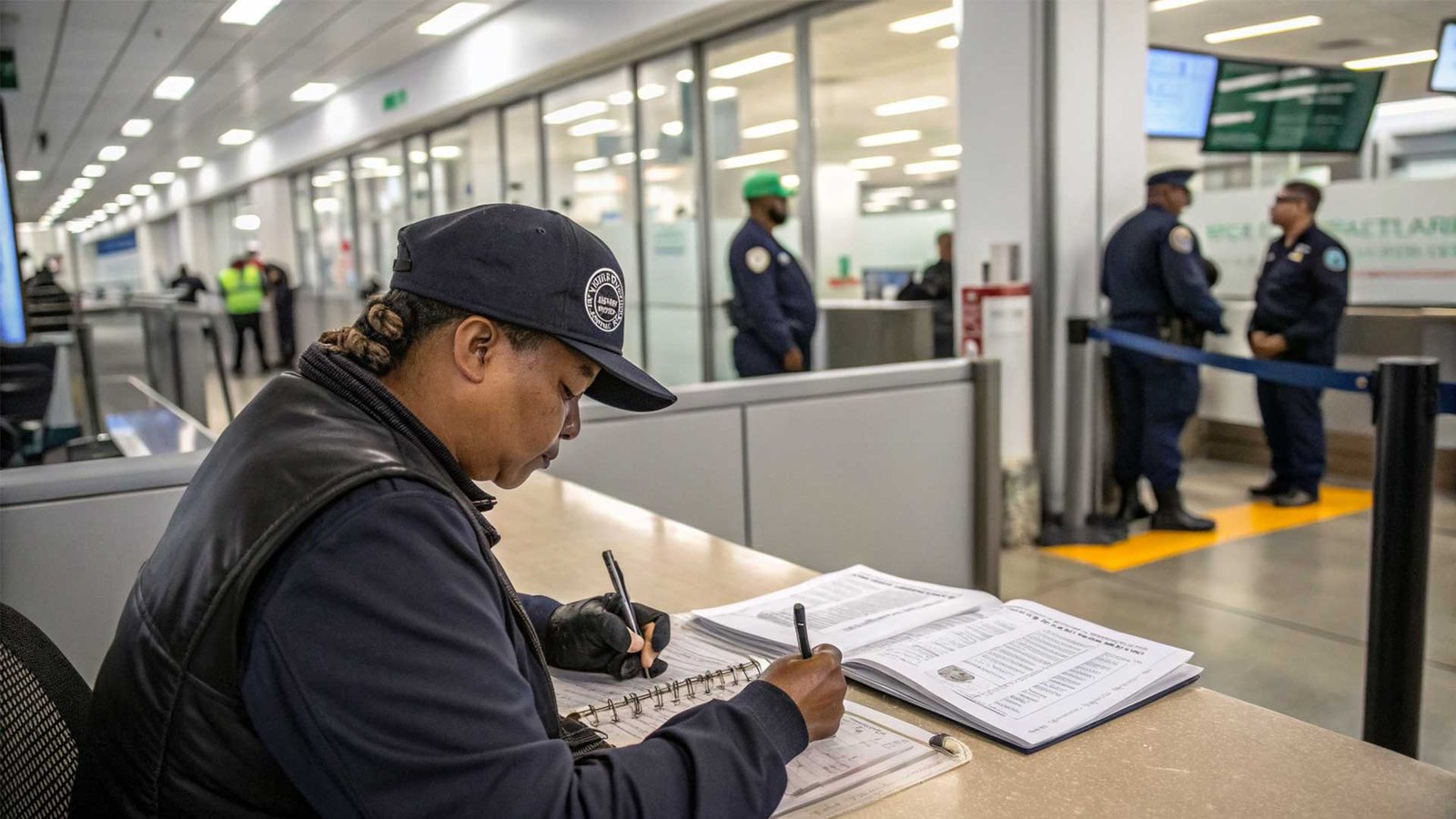
The importance of proper documentation cannot be understated. Each document has a specific role in the clearance process. Here's a breakdown of the essential documents2 involved:
| Document Type | Purpose |
|---|---|
| Commercial Invoice | Details the transaction between buyer/seller. |
| Bill of Lading | Serves as a receipt and proof of ownership. |
| Packing List | Lists items in the shipment to ensure accuracy. |
| Certificates | Required for specific products (e.g., food). |
Understanding these documents helps importers avoid common pitfalls. Missing or incorrect documents can lead to significant delays and additional costs.
How U.S. Importers Can Streamline Customs Clearance and Avoid Delays?
Navigating customs can be a daunting process. However, with the right approach, U.S. importers can streamline their clearance process.
To streamline customs clearance, U.S. importers should prepare their documents in advance, provide accurate product descriptions, and ensure compliance with U.S. regulations. Working with a customs broker6 and understanding the Harmonized System (HS) codes7 can further expedite the process and prevent costly delays.
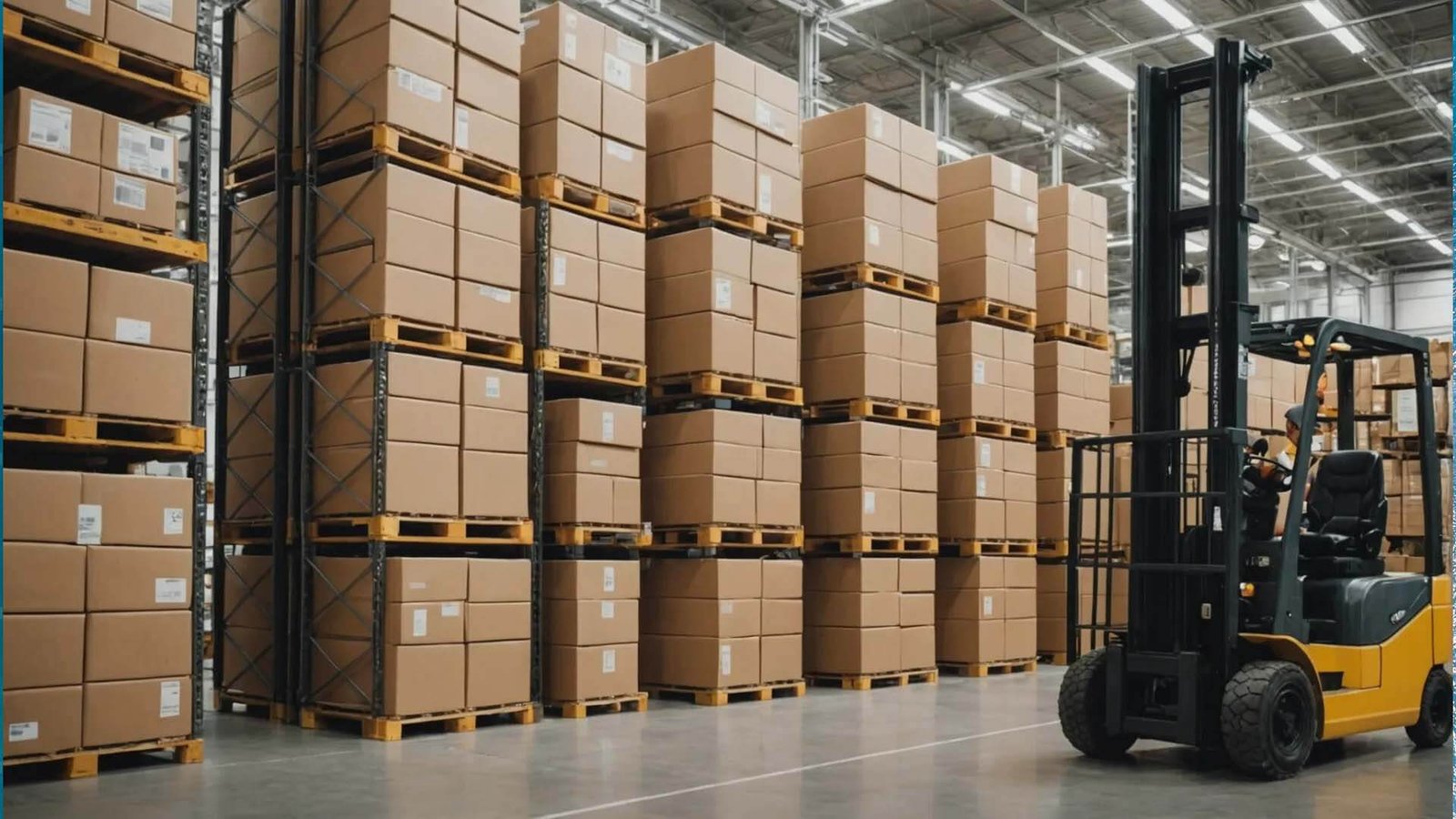
To optimize the customs clearance process1, consider these strategies:
- Prepare Documents Early: Gather and review all necessary documentation ahead of time.
- Accurate Product Descriptions: Clear and precise descriptions help avoid misunderstandings.
- Compliance with Regulations: Ensure all products meet U.S. standards and regulations.
- Utilize Customs Brokers: These professionals can guide you through the complexities of customs regulations.
Working with a customs broker6 not only saves time but also helps mitigate the risks of delays. Their expertise makes navigating the customs maze much simpler.
Understanding customs fees is essential for budgeting. Many importers are caught off-guard by the total costs associated with customs clearance.
Customs clearance fees for U.S. importers can include duties, taxes, and handling fees. These fees vary based on the type of goods being imported and their value. It’s essential for importers to understand the full cost structure to budget effectively and avoid unexpected expenses.

Here's a breakdown of common customs fees:
| Fee Type | Description |
|---|---|
| Duties | Taxes imposed on imported goods. |
| Taxes | Additional taxes that may apply to certain goods. |
| Handling Fees | Charges for processing your shipment. |
Understanding these fees helps U.S. importers budget accurately. It’s important to factor in these costs to prevent surprises down the line.
The Role of Customs Brokers in the U.S. Customs Clearance Process?
Customs brokers are critical allies in the customs clearance journey. They simplify the process and ensure compliance.
Customs brokers play a vital role in the U.S. customs clearance process1 by ensuring that all documentation is submitted correctly and in a timely manner. They act as intermediaries between importers and U.S. Customs & Border Protection (CBP), helping importers comply with regulations and avoid penalties.
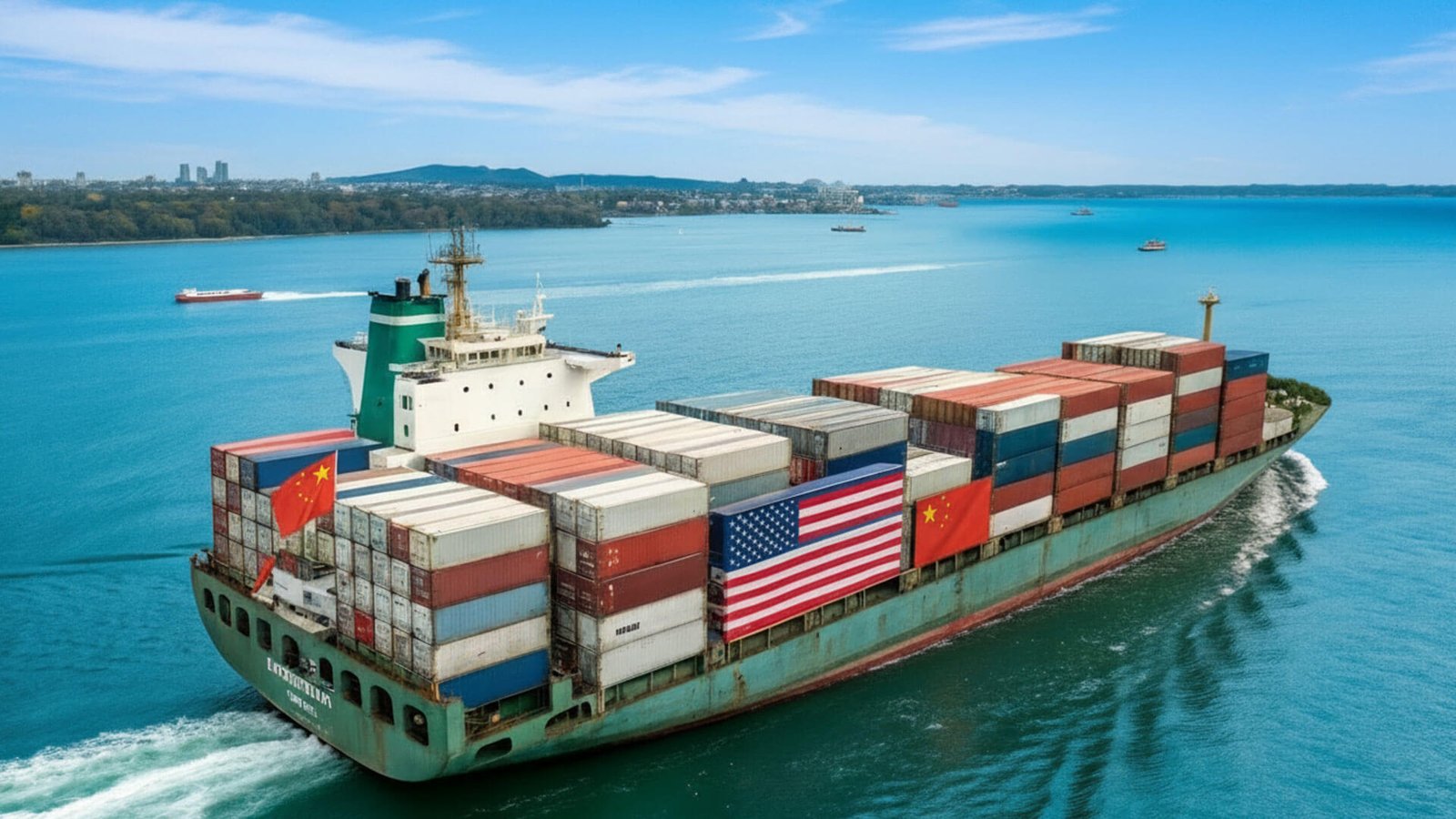
Key functions of customs broker6s include:
- Documentation Review: Ensuring all paperwork is in order and accurate.
- Communication with CBP: Acting as a liaison between the importer and customs authorities.
- Regulatory Guidance: Helping navigate complex regulations and compliance issues.
Having a customs broker6 can alleviate a lot of stress during the customs clearance process1. They bring expertise and peace of mind to importers.
Common Customs Clearance Mistakes U.S. Importers Should Avoid?
Mistakes during customs clearance can be costly. Awareness of common errors can help prevent serious issues.
U.S. importers often make mistakes such as incorrect valuation8 of goods, failing to provide proper documentation, or misclassifying products under the wrong tariff codes. These errors can lead to fines, delays, or confiscation of goods. Thorough checks and working with experts can help minimize risks.
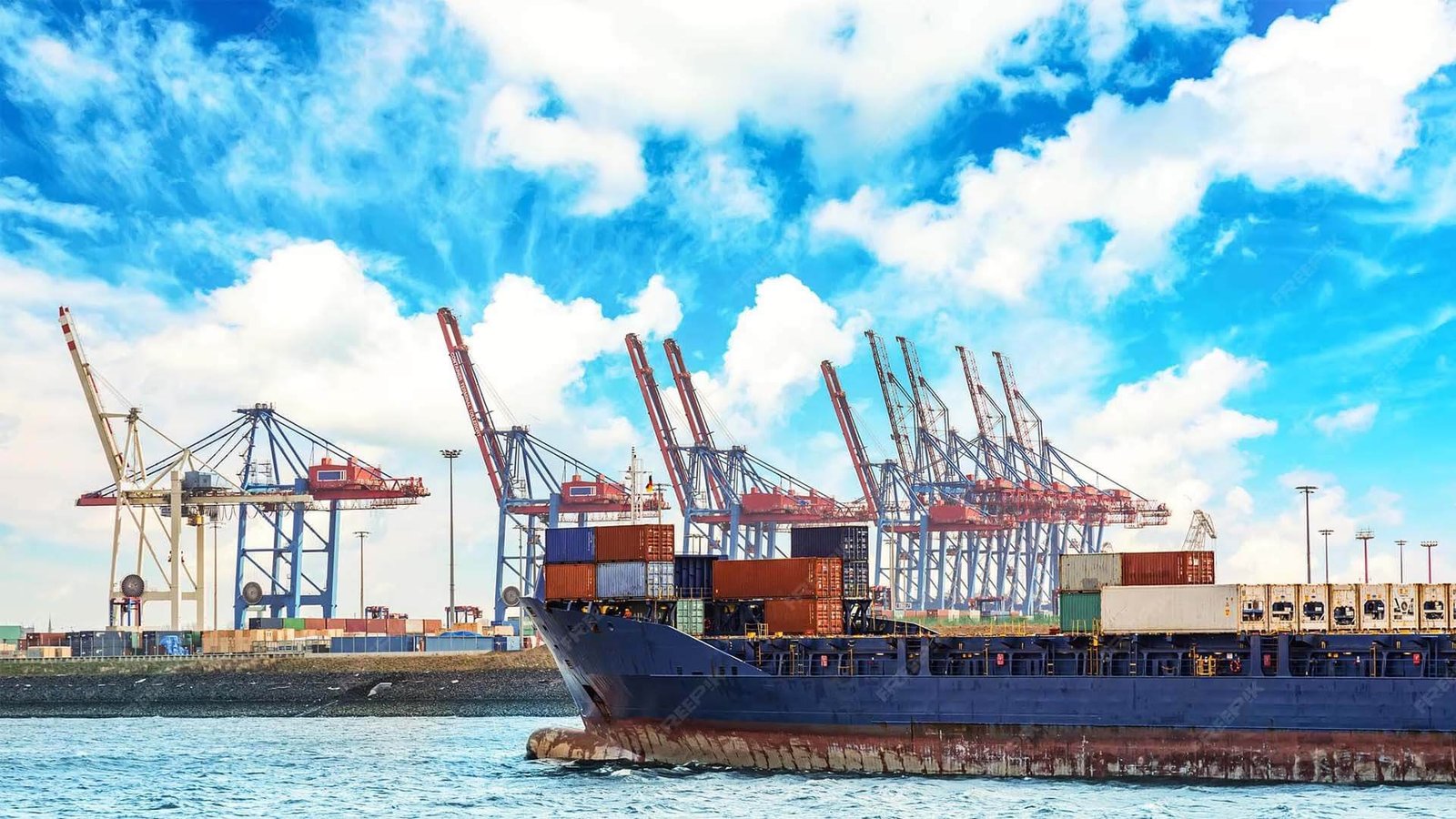
Common mistakes include:
- Incorrect Valuation: Mispricing goods can lead to higher duties or penalties.
- Missing Documentation: Failing to submit required documents delays clearance.
- Misclassification: Using wrong tariff codes can result in fines and additional scrutiny.
Taking precautions and ensuring accurate information can help U.S. importers avoid these pitfalls.
How Long Does Customs Clearance Take? Key Factors Affecting Timing for U.S. Importers?
The time it takes for customs clearance can vary widely. Understanding the factors that influence this timing helps set realistic expectations.
The time required for customs clearance can vary, typically ranging from a few hours to several days, depending on factors such as the type of goods, whether all documents are in order, and whether the shipment is selected for inspection. Working with a reliable customs broker6 can help expedite the process.

Factors affecting clearance timing include:
| Factor | Description |
|---|---|
| Type of Goods | Some items require more scrutiny than others. |
| Documentation | Complete and accurate documents speed up clearance. |
| Inspection Selection | Shipments may be chosen for random inspection. |
Working with a customs broker6 can help streamline this process, ensuring timely clearance and reducing potential delays.
Conclusion
Understanding the customs clearance process1 is crucial for U.S. importers to avoid delays and ensure compliance.
Explore this resource to gain a comprehensive understanding of the customs clearance process and its importance for U.S. importers. ↩
This link will provide detailed information on the essential documents required for a smooth customs clearance. ↩
Learn about the significance of a commercial invoice in the customs clearance process and how it impacts transactions. ↩
Discover the critical role of a bill of lading in shipping and customs clearance, ensuring proper ownership and receipt. ↩
Find out how a packing list helps ensure accuracy in shipments and its necessity in the customs process. ↩
Explore the vital role of customs brokers in simplifying the customs clearance process for importers. ↩
Understanding HS codes is crucial for compliance; this resource explains their importance in customs. ↩
Learn about the risks and penalties associated with incorrect valuation of goods during customs clearance. ↩