Storage charges can be a mystery for many U.S. importers. They can lead to unexpected costs1 that strain budgets and create logistical headaches2. Understanding these charges is crucial for effective cost management3.
Storage charges are fees for keeping cargo at a terminal, CFS, airport, or warehouse4 beyond the allowed free time5. They differ from demurrage and detention6, which relate to container management7. Knowing the differences helps importers manage costs.

Storage charges can add significant costs to your shipping process. By knowing how these charges work, you can mitigate their impacts8. In this article, we’ll break down storage charges, their causes, and how to prevent them.
What “storage charges” mean in international shipping9 (and how they differ from demurrage, detention, and per-diem fees)?
Storage charges are fees associated with the prolonged holding of cargo. They can often be confused with demurrage and detention6 fees, leading to misunderstandings.
In international shipping9, storage charges occur when cargo remains at a location beyond the designated free time5. They are distinct from demurrage, which applies when a container is held at a port, and detention, which occurs when a container is kept outside the port for too long. Understanding these distinctions is key for importers.
Mandatory Table: Storage vs Demurrage vs Detention
| Fee type | Where it happens | What is being charged | Typical trigger | Who bills it | Importer prevention |
|---|---|---|---|---|---|
| Storage | Terminal/CFS | Cargo storage beyond free time5 | Delayed pickup | Warehouse/Terminal | Timely pickups |
| Demurrage | Port Terminal | Container held at terminal | Late pickup of containers | Shipping line | Efficient scheduling |
| Detention | Off-terminal | Container held outside terminal | Failure to return container on time | Shipping line | Timely return of containers |
Storage charges can vary widely based on the location and the specific shipping situation. Being aware of these fees helps importers plan better.
Where storage charges occur in the import process (terminal/port storage, CFS storage, carrier holds, and warehouse storage after delivery)?
Storage charges can hit importers at several key locations during the shipping process.
Storage charges can arise at ports, terminals, CFS facilities, and warehouses after delivery. These charges accumulate when cargo isn’t picked up on time or when there are delays in customs clearance10. Understanding where these charges can occur is vital for cost control11.
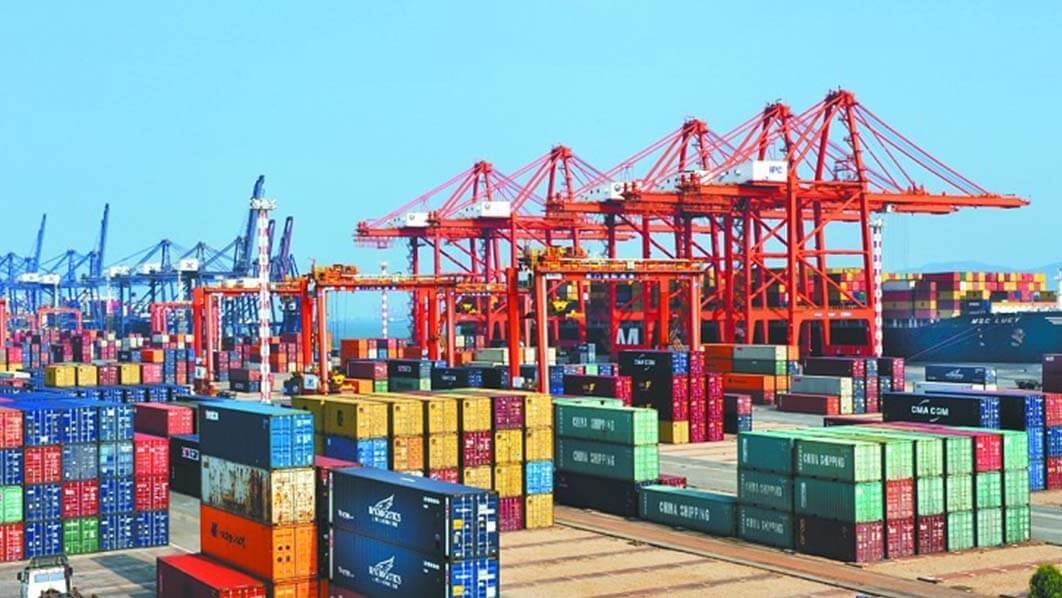
Storage Charge Locations
Mandatory Table: Storage Charge Locations
| Location | When it happens | What is billed | How it’s measured | Who controls it | Typical daily escalation |
|---|---|---|---|---|---|
| Port Terminal | Cargo not picked up timely | Daily storage charges | Days past free time5 | Terminal operator | Increases after free time5 ends |
| CFS | Waiting for LCL release | Daily storage fees | Per pallet/CBM | CFS operator | Continues until pickup |
| Airport | Delayed cargo pickup | Daily storage fees | Per day | Airport authority | Increases significantly |
| Warehouse | Inventory sitting too long | Daily or monthly fees | Per day or month | Warehouse operator | Increases per company policy |
By understanding these locations, importers can become proactive about preventing storage charges.
How storage fees are calculated (free time5, daily tiers, container vs pallet billing, and the real cost drivers12 importers miss)?
Storage fees are not one size fits all; they are calculated based on several factors.
Storage fees typically start after the free time5 expires, using daily tiers for billing. They may be charged by container for FCL or by pallet/CBM for LCL. Importers should be aware of the cost drivers12 that often go unnoticed.

Storage Fee Calculation
Mandatory Table: “Storage Cost Calculator”
| Storage type | Units (container/pallet/CBM) | Free days | Rate tier 1 | Rate tier 2 | Rate tier 3 | Total cost formula |
|---|---|---|---|---|---|---|
| Terminal Storage | Container | 5 days | $50/day | $75/day | $100/day | (Days used) x (Rate) |
| CFS Storage | Pallet | 3 days | $20/day | $30/day | $40/day | (Days used) x (Rate) |
| Warehouse Storage | Per CBM | 7 days | $15/day | $25/day | $35/day | (Days used) x (Rate) |
Understanding how these fees are structured can help you avoid unnecessary costs.
The top reasons importers get hit with storage bills (customs holds13, document delays14, appointment shortages, congestion, and last-mile delivery failures)?
Many predictable factors lead to storage charges that can strain budgets.
The primary reasons for incurring storage charges include customs holds13, document delays14, appointment shortages, port congestion15, and last-mile delivery failures. Being aware of these factors can help importers prevent these unexpected costs1.
Top 10 Causes of Storage Charges
- Customs holds
- Late document submission
- Lack of truck appointments
- Port congestion
- Last-mile delivery disruptions
- Excessive handling times
- Missing cargo availability notices
- Inefficient communication with suppliers
- Delayed customs clearance10
- Inaccurate tracking of cargo milestones
Mandatory Table: Storage Charge Root Causes
| Root cause | What it looks like operationally | Who controls it | How to prevent | What to do when it happens |
|---|---|---|---|---|
| Customs holds | Cargo not released on time | Customs authorities | Pre-clearance readiness | Communicate with customs |
| Document delays | Missing or incorrect documents | Importer/suppliers | Strict document deadlines | Expedite document submission |
| Appointment shortages | No truck available for pickup | Trucking companies | Schedule appointments early | Consider alternative carriers |
| Port congestion | Delays in unloading cargo | Port authorities | Monitor congestion levels | Prepare for potential delays |
| Last-mile delivery failures | Delayed delivery to final destination | Delivery services | Efficient delivery planning | Set clear delivery timelines |
By addressing these issues proactively, importers can significantly reduce storage charges.
Using a bonded warehouse16 can alter how importers handle storage charges.
Bonded warehouses allow importers to defer duty payments until goods are entered for U.S. consumption. This can improve cash flow and flexibility but comes with higher handling requirements. Importers should consider bonded storage when duty exposure is high.
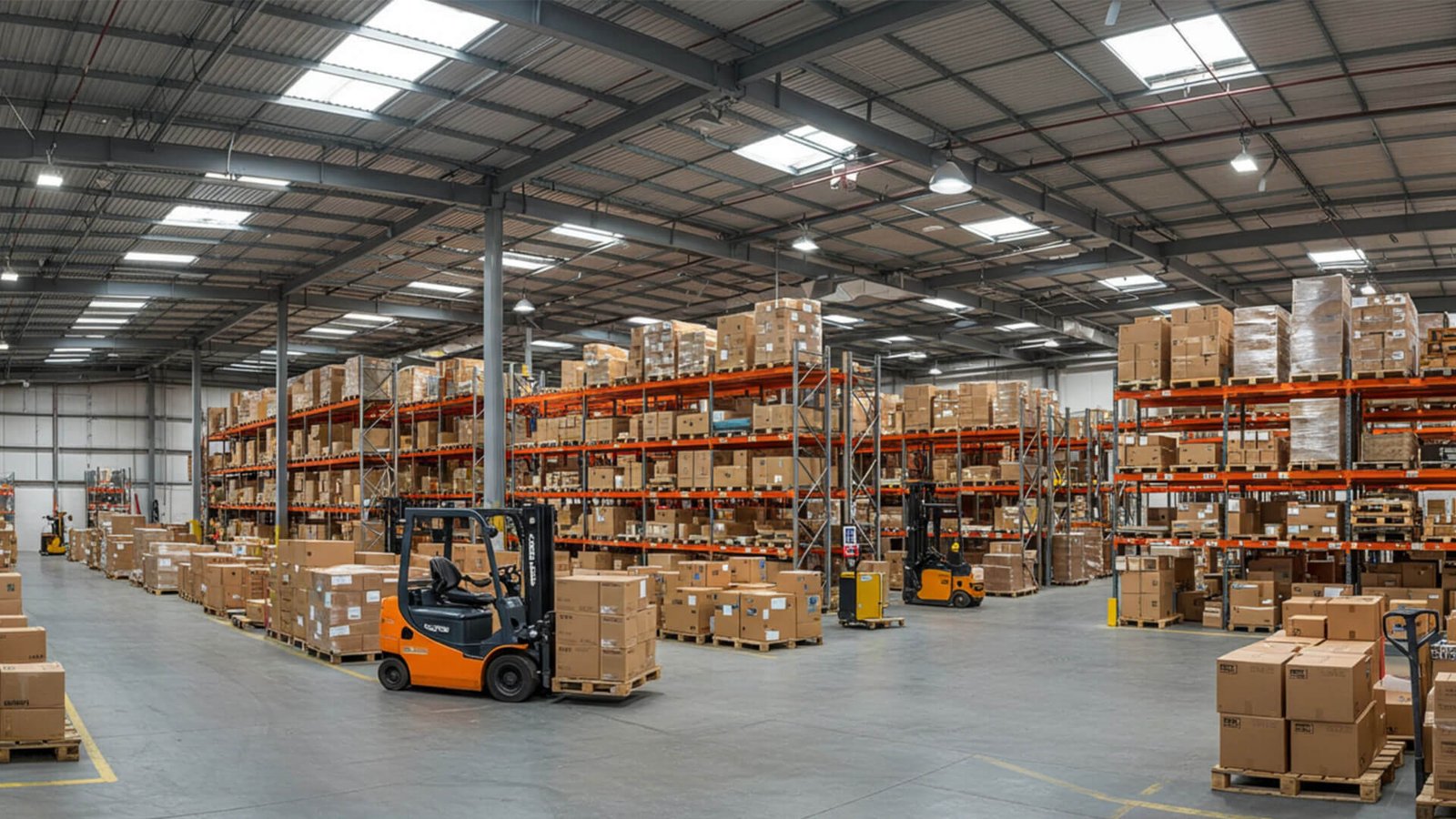
Bonded Warehouse Strategy
Mandatory Table: Bonded vs Non-Bonded Storage
| Storage type | Duty timing | Best use case | Pros | Cons | Importer decision trigger |
|---|---|---|---|---|---|
| Bonded Warehouse | Deferred until entry | High duty exposure, slow inventory | Cash flow flexibility | Higher compliance needs | When slow sales are expected |
| Non-Bonded Storage | Immediate upon arrival | Fast-moving inventory | Simplicity | Immediate duty payment | When duty exposure is low |
Understanding the strategic benefits of bonded warehouse16s can help importers optimize their storage strategy.
Importer playbook to prevent and dispute storage charges (pre-clearance SOP18, milestone tracking19, invoice audits, and escalation workflow with your forwarder/broker)?
A clear procedure can help prevent storage charges from occurring.
To prevent storage charges, importers should implement effective SOPs, track milestones, and audit invoices. When disputes arise, they need a standardized process for gathering evidence. This structured approach helps reduce and dispute storage fees effectively.
Preventing Storage Charges
Mandatory Workflow Diagram: Importer → Broker → Terminal → Delivery
Supplier docs ready
→ Broker pre-clearance + ISF/entry
→ Freight available notice
→ Appointment booking
→ Pickup & out-gate
→ Delivery to warehouse
→ Container return (avoid detention)
Dispute Evidence Checklist
- Cargo availability notices
- Terminal closure/congestion proof
- Hold/release timestamps
- Appointment system screenshots
- Invoice detail and incorrect free time5 proof
- Communications record
By following these steps, importers can mitigate risks associated with storage charges.
Conclusion
Understanding and managing storage charges is essential for U.S. importers to avoid unexpected costs1 and streamline operations.
Understanding unexpected costs can help importers budget more effectively and avoid financial surprises. ↩
Avoiding logistical headaches ensures smoother operations and timely deliveries, enhancing customer satisfaction. ↩
Effective cost management strategies can lead to significant savings and improved profitability for importers. ↩
Knowing where storage charges occur helps importers plan logistics and avoid delays. ↩
Knowing about 'free time' helps importers plan pickups and avoid additional storage charges. ↩
Understanding these fees helps importers manage container costs and avoid unnecessary expenses. ↩
Effective container management reduces costs and improves supply chain efficiency. ↩
Mitigating storage charges can lead to cost savings and more efficient shipping operations. ↩
Understanding international shipping components helps importers navigate complex logistics and regulations. ↩
Understanding customs clearance helps avoid delays and additional charges in the shipping process. ↩
Maintaining cost control ensures profitability and competitive pricing for importers. ↩
Identifying cost drivers allows importers to focus on reducing expenses and improving efficiency. ↩
Understanding customs holds helps importers prepare for potential delays and manage costs. ↩
Avoiding document delays ensures timely shipments and reduces the risk of incurring storage charges. ↩
Managing port congestion helps importers avoid delays and additional storage fees. ↩
Using a bonded warehouse can offer duty deferral and cash flow advantages for importers. ↩
Duty-deferred storage can improve cash flow and reduce immediate financial burdens for importers. ↩
Implementing a pre-clearance SOP ensures smooth customs processing and reduces storage fees. ↩
Milestone tracking allows importers to monitor shipments and avoid unnecessary storage costs. ↩