Trade compliance is crucial for businesses involved in international trade. Ensuring proper customs adherence protects your operations and saves you from penalties.
Trade compliance refers to the processes businesses use to ensure goods move across borders in accordance with customs laws1, trade regulations, and government agency requirements. For U.S. importers, compliance affects duty liability2, product admissibility3, documentation accuracy4, and overall supply chain continuity5.
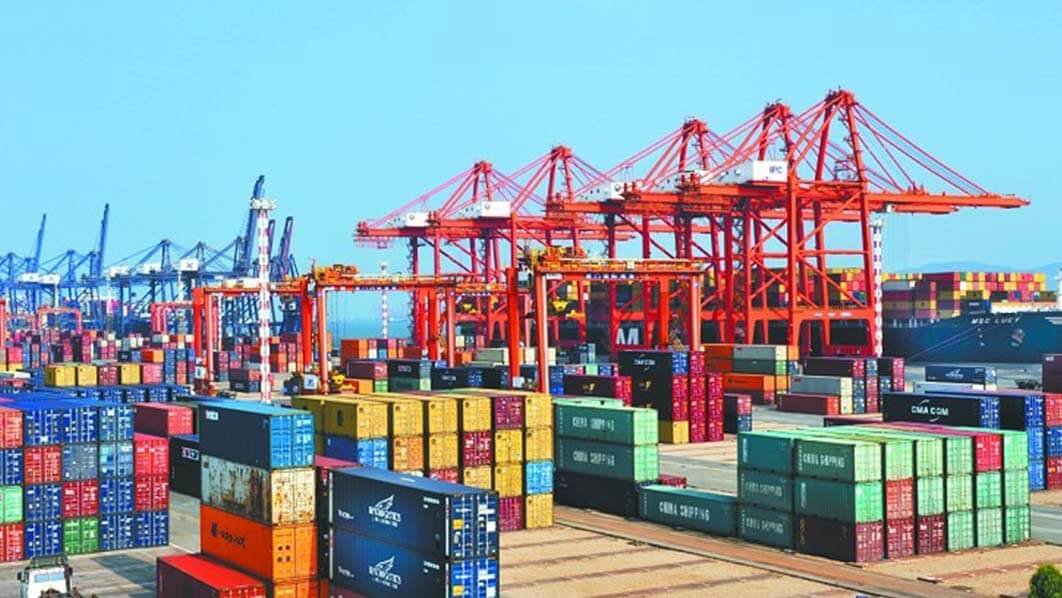
Trade compliance is not just a regulatory obligation; it's a vital part of any successful import operation. When done right, it minimizes risk and enhances efficiency. Yet, many businesses overlook the importance of this aspect. Understanding trade compliance will help you navigate the complexities of international shipping, avoid costly mistakes, and ensure smooth operations.
What Is Trade Compliance and Why Is It Critical for U.S. Importers and Global Supply Chains?
Trade compliance means following customs laws1 and regulations when bringing goods into the U.S. Non-compliance can lead to delays, fines, and even seizure of goods. Understanding this concept is crucial for anyone involved in importing.
Trade compliance refers to the processes businesses use to ensure goods move across borders in accordance with customs laws1, trade regulations, and government agency requirements. For U.S. importers, compliance affects duty liability2, product admissibility3, documentation accuracy4, and overall supply chain continuity5.
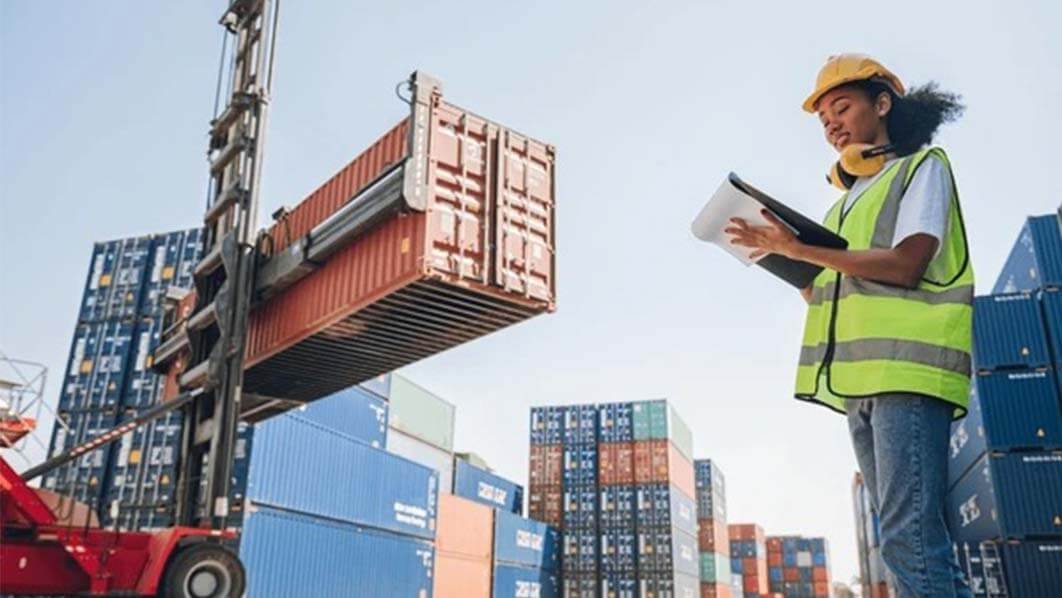
Trade compliance impacts various factors including cost, timing, and legality. If your documentation is incorrect, it might delay your shipment and increase costs. Moreover, it can expose your business to legal risks. The relationship between compliance and supply chain risk cannot be overstated. Failure to comply can disrupt not just your operations but also the entire supply chain.
Definition of Trade Compliance
Trade compliance encompasses all the laws and regulations governing imports. It includes understanding tariffs6, import quotas7, and documentation requirements.
Why Compliance Affects Cost, Timing, and Legality
Compliance directly affects the cost of goods. If you're fined for non-compliance, that adds unplanned expenses. Timing is also an issue; delays can throw off your supply chain schedule. Finally, legal repercussions can arise if you fail to follow regulations.
Relationship Between Compliance and Supply Chain Risk
A lack of compliance can disrupt your supply chain. If any part of the process fails, it can lead to delays or fines, affecting your entire operation.
Which U.S. Laws, Agencies, and Regulations Form the Foundation of Trade Compliance?
Several laws and agencies govern trade compliance in the U.S. Knowing these can help you understand what is required for successful imports.
Trade compliance in the United States is built on customs law enforced by CBP8 and additional regulations from Partner Government Agencies depending on product type. These frameworks govern product eligibility, documentation, trade measures, and import procedures that determine whether goods may enter U.S. commerce.
U.S. Trade Compliance Agencies
| Agency | Oversight Area |
|---|---|
| CBP8 | Customs laws and enforcement |
| FDA9 | Food and drug regulations |
| EPA10 | Environmental regulations |
| USDA11 | Agricultural imports |
| DOT12 | Transportation regulations |
Why multiple agencies may review one shipment Different products have varying requirements. A single shipment might involve multiple agencies. Understanding these complexities is vital for any importer.
What Responsibilities Do Importers Have in Managing Trade Compliance Risk?
As an importer, you carry the responsibility for your products. Knowing what you need to manage is crucial.
Importers are legally responsible for the accuracy of classification13, valuation14, origin declarations, and regulatory eligibility of their goods. Effective compliance requires internal controls, documentation review, and coordination with brokers and logistics providers before and during shipment.
Importer Responsibility Matrix
| Area | Importer Duty |
|---|---|
| Classification | Ensure accurate tariff classification13 |
| Valuation | Declare correct customs value |
| Country of Origin | Accurately mark goods' origin |
| Documentation | Provide complete and accurate documents |
| Regulatory Eligibility | Ensure products meet all regulations |
| Recordkeeping | Maintain proper records for audits |
How Classification, Valuation, Origin, and Documentation Drive Import Compliance
Understanding the four pillars of compliance is essential for any importer. Each element plays a significant role in ensuring that goods can pass through customs without issue.
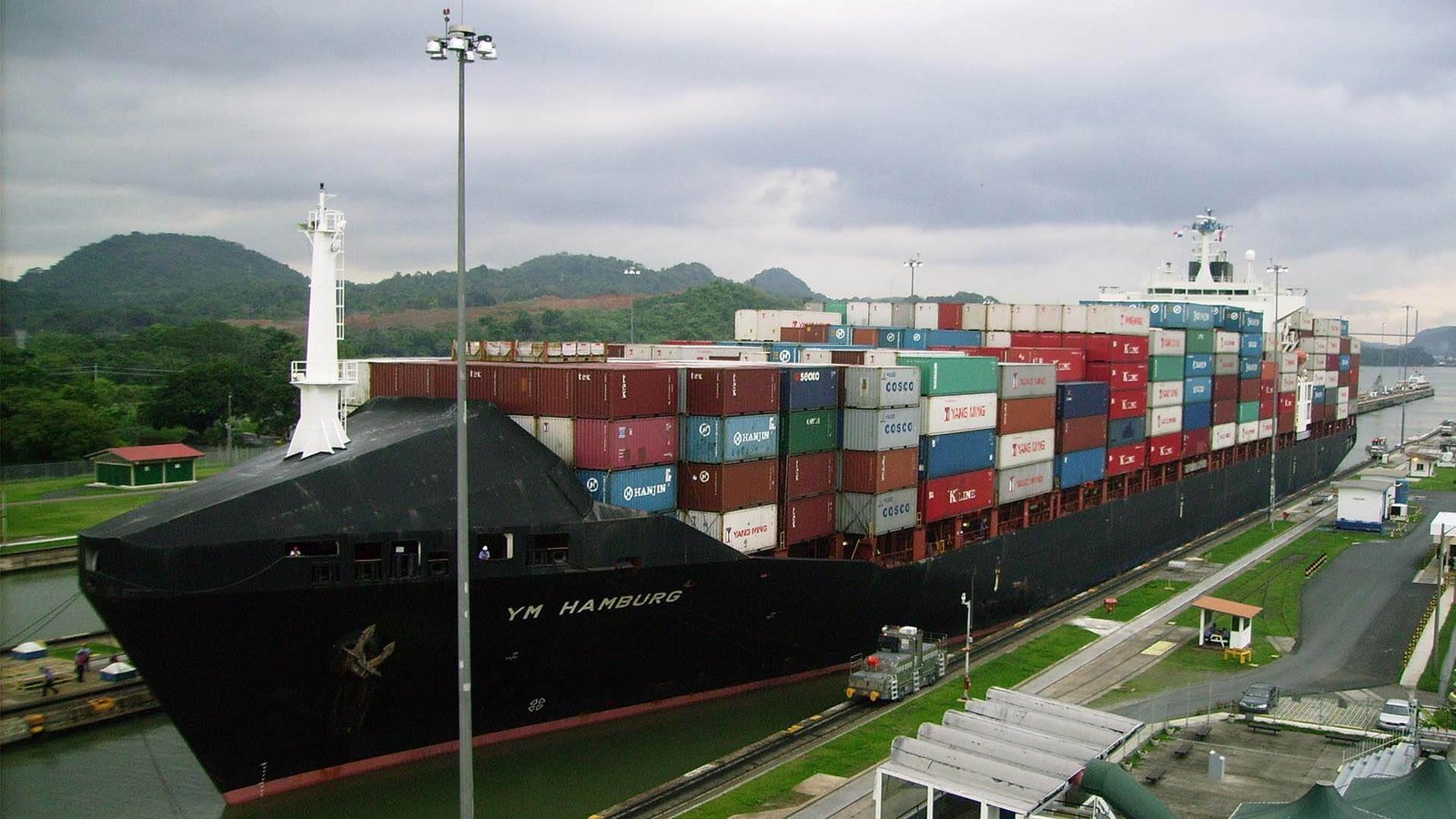
These four pillars determine duty, admissibility, and regulatory treatment. Errors in tariff classification13, customs value, country-of-origin marking15, or documentation can lead to penalties, shipment delays, and audits. Accurate data management is central to maintaining compliant trade operations.
The 4 Pillars of Import Compliance
| Pillar | Why It Matters |
|---|---|
| Classification | Determines applicable duties and tariffs6 |
| Valuation | Affects the amount of duty owed |
| Origin | Impacts eligibility for trade agreements |
| Documentation | Essential for all compliance verification |
Each pillar interconnects with the others. A mistake in one area can compromise the entire compliance process.
How Trade Compliance Processes Work from Supplier to Customs Release
Understanding the entire compliance process helps ensure that products meet all necessary requirements.
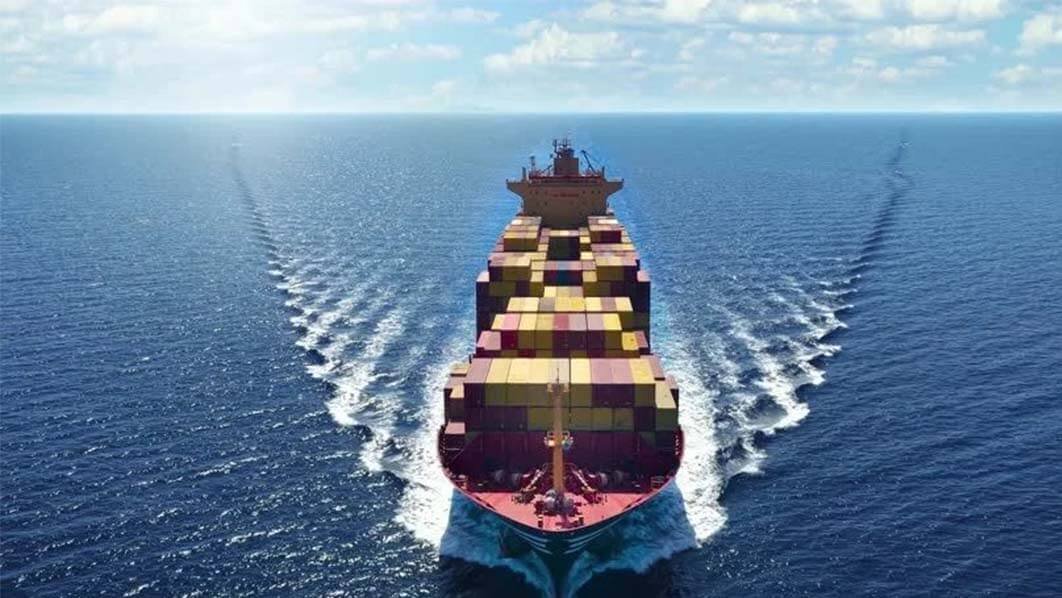
Trade compliance spans the entire supply chain, beginning with supplier documentation and continuing through freight movement, customs entry, regulatory review, and final release. Coordination between importer, broker, and logistics providers ensures goods meet all regulatory requirements.
Trade Compliance Process Flow
- Supplier
- Documentation preparation
- Freight movement
- Customs entry
- Regulatory review
- Release
- Delivery
This flow shows how interconnected each step is. Coordination among all parties involved is key to maintaining compliance and ensuring smooth operations.
What Common Trade Compliance Failures Lead to Audits, Penalties, and Supply Chain Disruptions?
Understanding common failures can help you avoid significant issues in your supply chain.
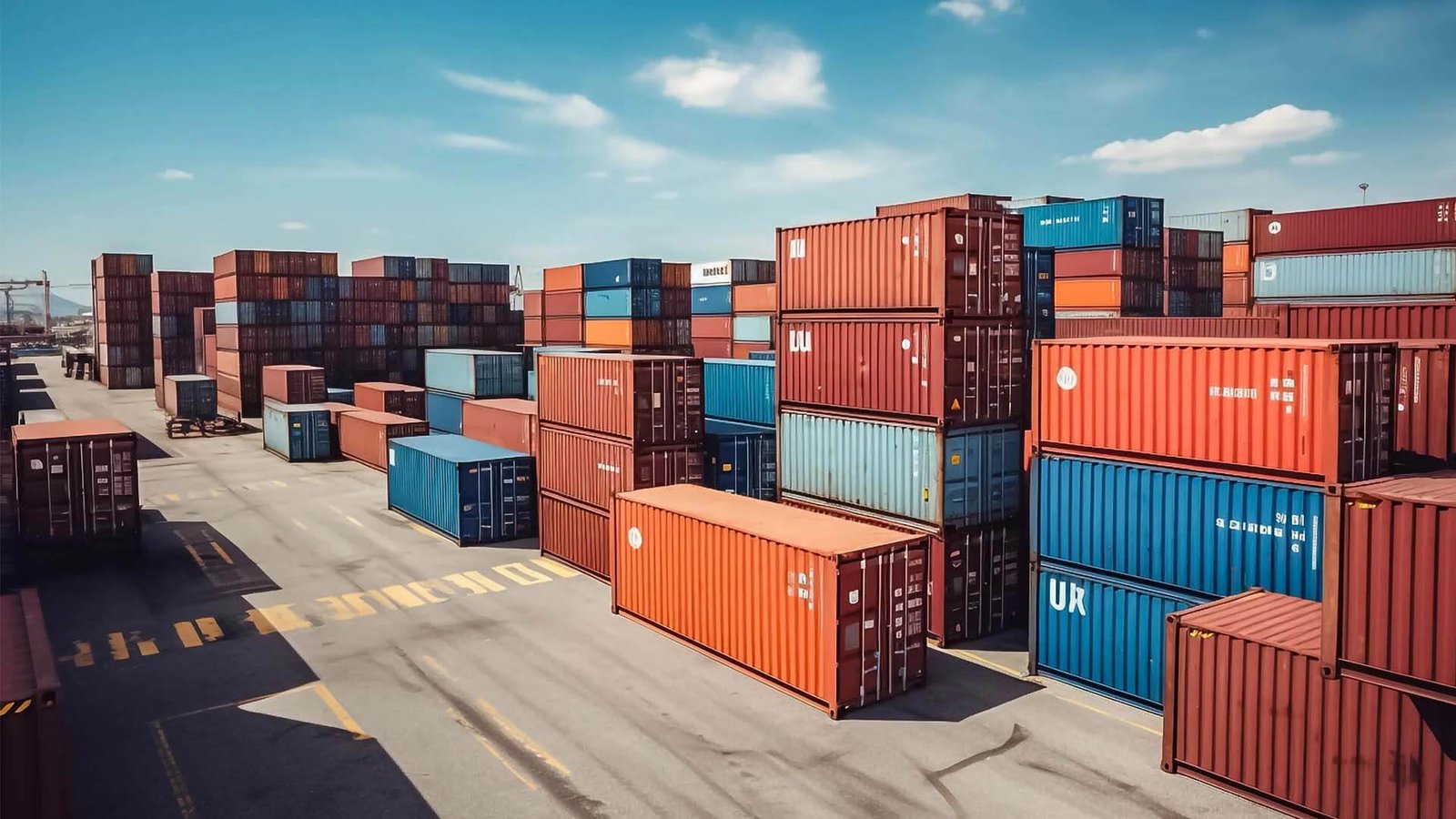
Compliance failures often stem from incorrect classification13, undervaluation14, incomplete documentation, or regulatory misidentification. These errors can trigger audits, fines, shipment holds, and operational disruption. Proactive compliance controls reduce enforcement risk and protect supply chain stability.
Trade Compliance Risk Control Checklist
- Incorrect HS codes
- Understated value
- Missing documentation
- Regulatory misclassification13
- Poor recordkeeping16
- Late filings
Taking proactive steps in these areas will reduce your risk of audits and penalties, helping maintain a stable supply chain.
Conclusion
Understanding trade compliance is essential for U.S. importers to ensure smooth operations and avoid costly penalties.
Understanding customs laws is crucial for importers to ensure compliance and avoid penalties. ↩
Duty liability impacts the cost of goods, making it essential for importers to manage effectively. ↩
Ensuring product admissibility is vital to avoid shipment delays and legal issues. ↩
Accurate documentation prevents delays and fines, ensuring smooth import operations. ↩
Maintaining compliance is key to preventing disruptions in the supply chain. ↩
Understanding tariffs helps importers manage costs and comply with regulations. ↩
Import quotas can limit the quantity of goods, impacting compliance and operations. ↩
CBP enforces customs laws, making it a critical agency for importers to understand. ↩
FDA regulations are crucial for ensuring the safety and legality of food and drug imports. ↩
EPA regulations ensure that imports meet environmental standards, affecting compliance. ↩
USDA oversight is essential for compliance with agricultural import regulations. ↩
DOT regulations affect the movement of goods, impacting compliance and logistics. ↩
Accurate classification determines duties and tariffs, affecting compliance and costs. ↩
Correct valuation is crucial for determining duty costs and ensuring compliance. ↩
Proper marking affects trade agreements and compliance, impacting import eligibility. ↩
Maintaining accurate records is essential for audits and ensuring compliance. ↩