The country of origin1 (COO) is crucial for importers to understand. It impacts everything from duties to compliance laws. Ignoring it can lead to costly mistakes.
Country of origin refers to the country where a product was manufactured, produced, or substantially transformed, not simply where it ships from. U.S. customs rules enforced by U.S. Customs and Border Protection2 use origin to determine duty rates, labeling, and trade compliance.
Understanding the country of origin1 is vital for U.S. importers. It can affect duty rates and compliance with U.S. customs regulations. If you fail to recognize its importance, you may face penalties, delays, or worse.
What Is Country of Origin in Customs and How Is It Different from Where Goods Ship From?
The country of origin1 has a legal definition in customs. It's not just where the goods are shipped from but where they were made. This includes terms like "substantial transformation3," which refers to a process that significantly alters the product.
Substantial transformation means that the product has undergone a change that results in a new and different product. This is crucial to establishing the COO.
Transshipment does not change the origin. For instance, if a product ships from China to the U.S. via Canada, its origin remains China if it was manufactured there.
The legal importance of COO in customs entry cannot be overstated. U.S. Customs and Border Protection2 looks at COO when determining tariffs and trade compliance.
How Country of Origin Determines Duties, Tariffs, and Trade Remedy Exposure
The COO directly affects the duty rate you pay. It also determines eligibility for trade agreements. Understanding this can save you money and compliance issues.
Origin directly affects the duty rate, eligibility for trade agreements, and exposure to anti-dumping, countervailing, or special tariffs. Incorrect origin declarations can cause underpayment penalties or retroactive duty bills.

Trade agreements can significantly impact your costs. If a product qualifies under a free trade agreement, it may be eligible for reduced or eliminated duties. However, if you misdeclare the origin, you may face anti-dumping or countervailing duties, which can add up quickly.
Section 301 is another area of concern. Imports from China may incur additional tariffs if they fall under specific categories. Misunderstanding the COO can lead to these hefty penalties.
Rules of Origin: How to Determine the True Origin of Manufactured Goods
To determine the true origin of a product, you need to understand the rules of origin4. These rules take into account production processes and materials.
Rules of origin determine where a product legally originates based on production processes, materials, and transformation. For multi-country manufacturing, origin is assigned where the last substantial transformation3 occurs.
📊 Rules-of-Origin Table
| Scenario | Likely Origin Rule |
|---|---|
| Simple assembly | May not change origin |
| Major manufacturing step | Origin shifts |
| Multi-component product | Based on key transformation |
It's essential to analyze how products are made to determine their COO. In some cases, simple assembly might not change the origin, while a major manufacturing step could shift it. For multi-component products, the key transformation will guide where the COO is assigned.
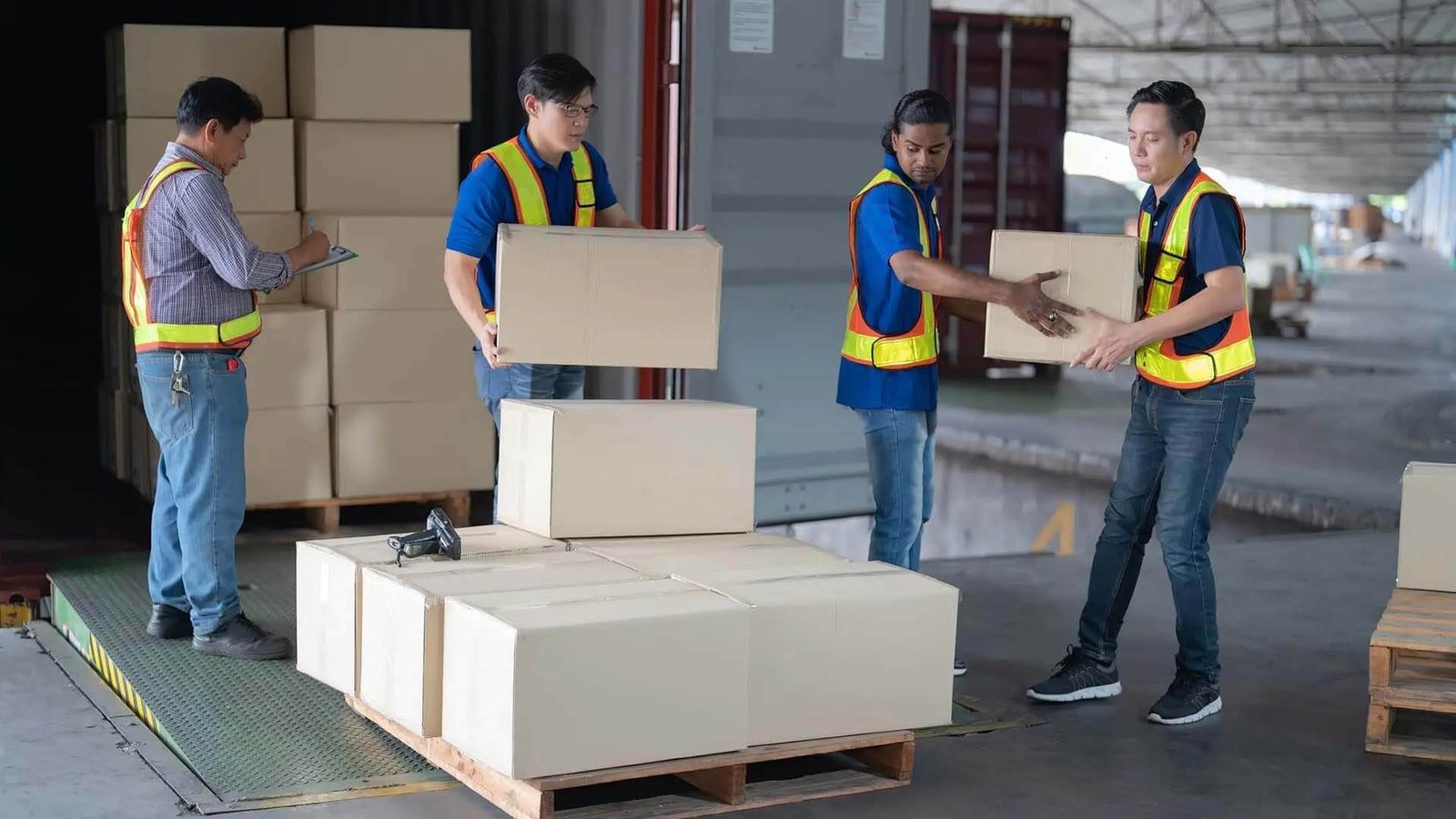
Country of Origin Marking Requirements and Labeling Compliance for U.S. Imports
Marking requirements are strict in the U.S. Imported goods must clearly display their country of origin1, or they risk penalties.
Imported goods must be marked with their country of origin1 in a conspicuous, permanent manner unless exempt. Missing or incorrect markings can result in penalties or required re-marking.
🏷 Marking Compliance Checklist
- Legible marking
- Permanent placement
- Visible to end user
- Matches customs declaration
Having clear and compliant markings is vital. If the markings are missing or incorrect, customs may impose fines or require re-marking. Always ensure that your goods meet these marking compliance standards.
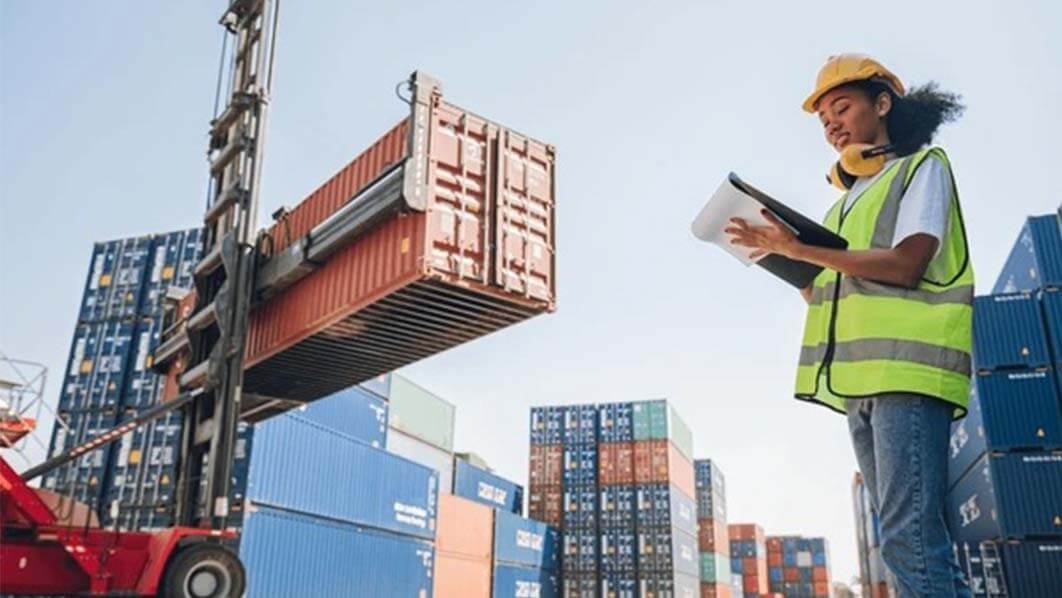
Common Country of Origin Mistakes That Lead to Penalties, Delays, or Seizures
Mistakes in COO declarations can be costly. Importers often confuse shipping country with the actual origin. This can lead to significant penalties.
Frequent mistakes include assuming shipping country equals origin, misinterpreting transformation rules, and incorrect labeling. These errors can lead to customs holds, fines, or seizure.
Understanding and correctly declaring the COO is essential. Misinterpretations can result in customs issues, which may delay your shipments or even lead to the seizure of goods.
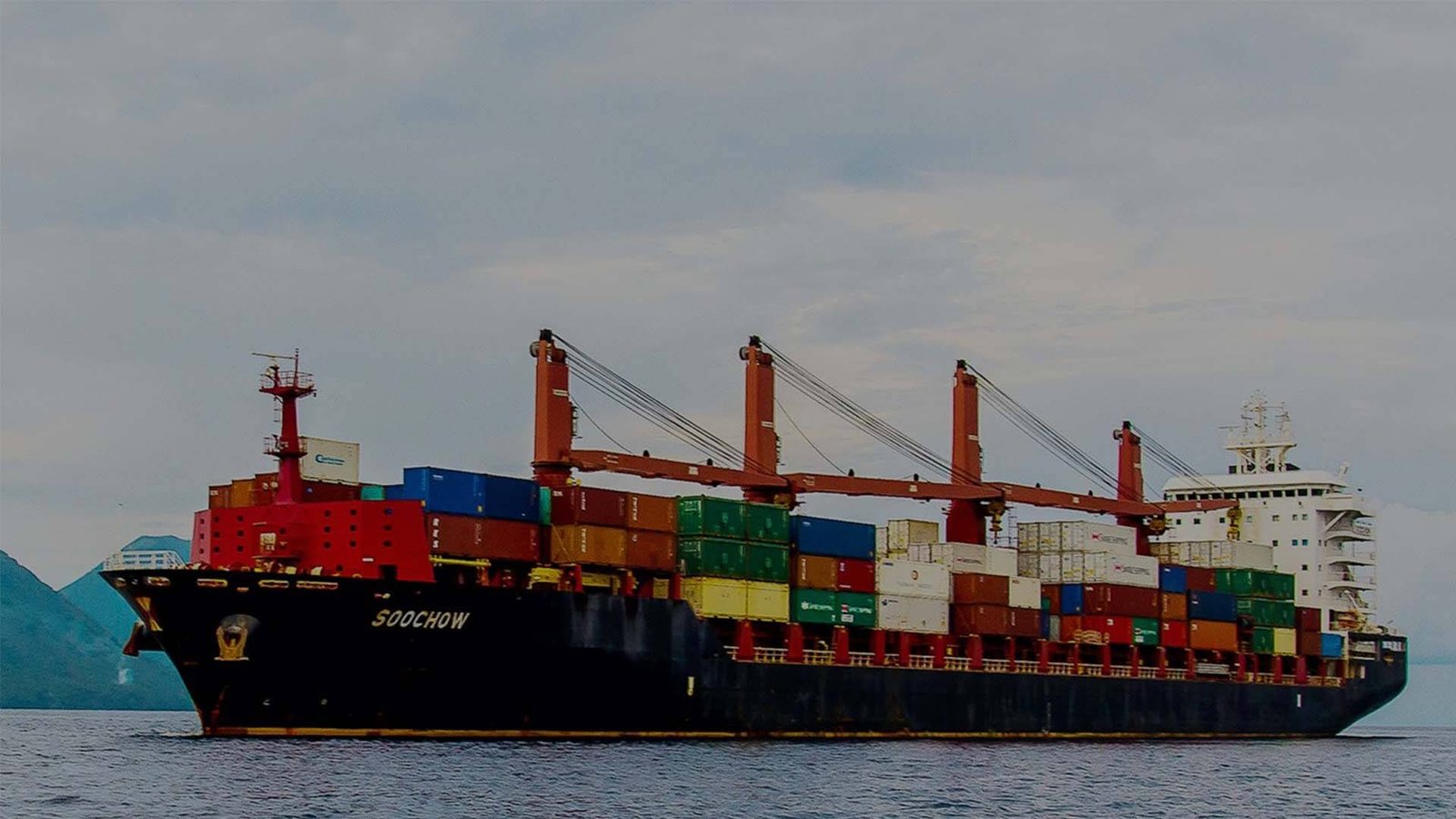
How Importers Can Verify Origin with Suppliers and Brokers Before Shipping
To avoid risks related to COO, importers should proactively verify origin information.
Importers should collect supplier production data5, verify material sourcing, and review origin determination with a customs broker6 before shipment to reduce risk.
| Risk | Cause | Impact | Prevention |
|---|---|---|---|
| Wrong origin declared | Supplier error | Duty penalty | Pre-review |
| Incorrect marking | Label issue | Re-marking cost | Inspection |
| Trade remedy exposure | Scope misread | High duties | Broker analysis |
| Transshipment confusion | Routing mistake | Delay | Documentation control |
By collecting data and collaborating with customs broker6s, you can significantly reduce your risk and ensure compliance with COO regulations.
Conclusion
Understanding country of origin1 is essential for U.S. importers to avoid penalties and ensure compliance.
Understanding the country of origin is crucial for importers to avoid costly mistakes related to duties and compliance laws. ↩
Learn how U.S. Customs and Border Protection uses country of origin to determine duty rates and trade compliance. ↩
Explore how substantial transformation affects the determination of a product's country of origin. ↩
Find out how rules of origin are used to legally determine where a product originates. ↩
Learn how collecting supplier production data helps importers verify the true origin of goods. ↩
Understand the role of customs brokers in reviewing origin determination to reduce import risks. ↩
Explore how an Importer Risk Matrix can help identify and prevent risks related to country of origin. ↩