Tariff classification is a critical aspect of the importing process that directly affects duty rates1 and compliance responsibilities. Understanding it can save money and reduce legal risks for U.S. importers.
Tariff classification assigns the correct Harmonized Tariff Schedule (HTS) code2 to products, determining duty rates1, admissibility rules, and regulatory requirements. The importer of record3 holds legal responsibility for accuracy.
To fully grasp the importance of tariff classification, it’s vital to understand how it impacts your import operations. The effectiveness of your classification process can lead to significant cost savings or expose you to various risks.
What Tariff Classification Really Means for U.S. Importers (HTS Codes, Duties, and Compliance Responsibility)?
Tariff classification is the cornerstone of international trade. It involves assigning a product its correct HTS code to determine applicable duty rates1 and compliance obligations4. Importers must be diligent in ensuring accuracy, as they bear the legal responsibility for classification.
What an HTS code controls:
- Duty Percentage: Determines how much duty you need to pay.
- Quotas: Some products may have quantity restrictions.
- Product Specific Regulations (PGA): Compliance with other regulatory requirements.
The liability for correct classification lies with the importer, not the supplier. This distinction is crucial, as relying solely on supplier information can lead to errors. An accurate classification directly links to the precision of customs declarations, making it a foundational step in the import process.
| Aspect | Impact of HTS Code Classification |
|---|---|
| Duty Rate | Affects total import costs |
| Compliance Obligations | Ensures adherence to laws |
| Legal Liability | Importer is responsible |
How Incorrect Tariff Classification Can Lead to Overpayment, Penalties, or Customs Audits?
Misclassifying products can lead to financial losses and legal complications. An incorrect HTS code can result in excess duty payments and potential penalties enforced by U.S. Customs and Border Protection.

Misclassification can lead to:
- Overpaying duties for years due to incorrect rates.
- Audit scenarios where underpayment is discovered, resulting in back duties.
- Risks of seizure or redelivery due to non-compliance.
If an importer realizes a mistake after entry, they must consider post-entry correction5 or prior disclosures, which can mitigate penalties but involve complex procedures.
| Consequence | Description |
|---|---|
| Overpayment | Excess duties paid due to wrong classification |
| Audits | Unexpected customs examinations |
| Seizure Risk | Potential cargo seizure due to compliance issues |
How Tariff Classification Directly Affects Duty Rates, Section 301 Tariffs, and Trade Program Eligibility?
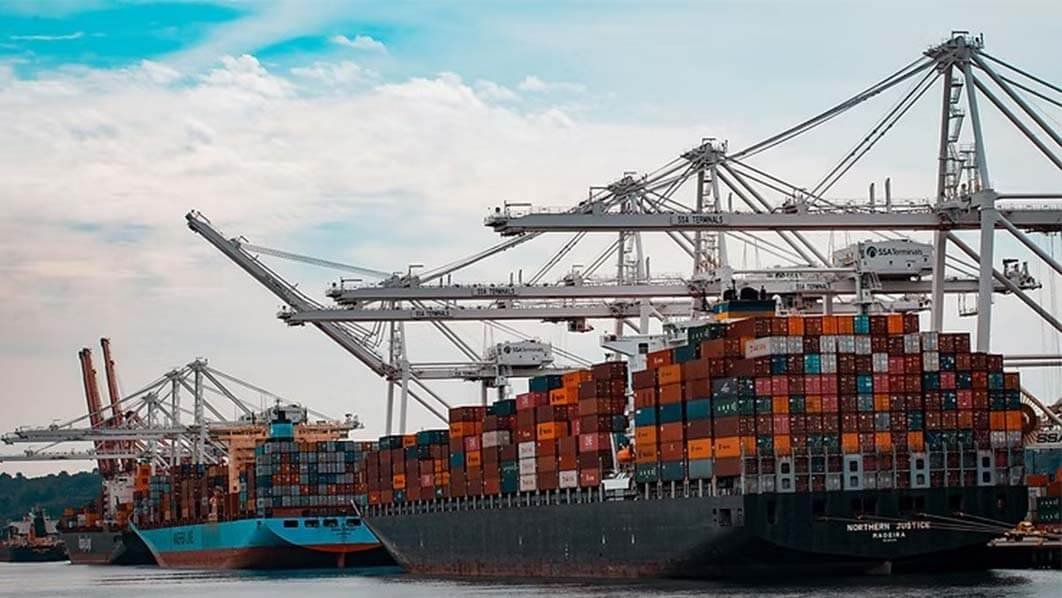
The accuracy of tariff classification significantly influences duty rates1 and trade eligibility. Correct classification can ensure you benefit from trade programs and avoid additional tariffs.
Consider how tariff classification impacts:
- Base duty rates1: Different codes can lead to varying rates.
- Section 301 tariffs6: Misclassified products may incur additional tariffs.
- Trade program eligibility: Ensures you can take advantage of agreements like USMCA.
For example, two products that appear similar may be classified under different HTS codes, resulting in dramatically different duty obligations. Understanding these nuances can safeguard against unexpected financial burdens.
| Product Example | HTS Code | Duty Rate | Section 301 Tariff? |
|---|---|---|---|
| Product A | 1234.56 | 5% | Yes |
| Product B | 6543.21 | 2% | No |
The Step-by-Step Process Importers Use to Determine the Correct HTS Code

Determining the correct HTS code is crucial. Here is a simplified workflow to ensure accuracy:
- Product Specs: Gather all technical specifications.
- Material Composition: Analyze material types and functions.
- Product Function: Understand what the product does.
- Review HTS Chapters: Consult the HTS structure.
- Section & Chapter Notes: Check legal notes and requirements.
- Explanatory Notes: Understand additional context provided.
- Similar Rulings: Look at past rulings for guidance.
- Broker Review: Get a customs broker7 to validate the classification.
- Final HTS Declaration: Prepare and submit the HTS code with your entry.
Each step is crucial, as technical specifications greatly affect the classification. Relying on supplier invoices without thorough review can lead to errors, making this a risk-laden approach.
| Step | Description |
|---|---|
| Product Specs | Gather detailed information |
| Material Composition | Identify the materials used |
| Product Function | Understand the intended use of the product |
How Working with a Customs Broker and Forwarder Reduces Classification Risk and Clearance Delays
Partnering with a customs broker7 and freight forwarder8 can significantly lower risks associated with tariff classification. These professionals verify documentation and ensure consistency across all customs entry data.

Benefits of working with brokers:
- They conduct HTS code reviews to ensure accuracy.
- Check for consistency in all required documents.
- Early coordination helps prevent clearance delays9.
By utilizing a broker’s expertise, importers can navigate complex regulations more easily and reduce the chance of audits or penalties. Their knowledge can streamline the customs process and protect against costly mistakes.
| Benefit | Description |
|---|---|
| HTS Review | Brokers validate HTS codes |
| Document Checks | Ensure all paperwork is consistent |
| Faster Clearance | Early coordination minimizes delays |
Conclusion
Importers should view tariff classification as a vital compliance process, not just a paperwork step. Accurate classification saves money and avoids legal troubles, making it essential for successful importing.
Duty rates directly affect the total cost of importing, making it essential to understand how they are determined. ↩
Understanding HTS codes is crucial for determining duty rates and compliance, impacting the cost and legality of importing goods. ↩
The importer of record holds legal responsibility for accurate tariff classification, affecting duty rates and compliance. ↩
Compliance obligations ensure adherence to laws, and understanding them can prevent legal issues and penalties. ↩
Post-entry correction can mitigate penalties for classification errors, but involves complex procedures. ↩
Section 301 tariffs can add additional costs to misclassified products, impacting overall import expenses. ↩
Customs brokers help verify HTS codes and documentation, reducing risks and ensuring compliance. ↩
Freight forwarders coordinate logistics and documentation, helping to prevent clearance delays and errors. ↩
Minimizing clearance delays ensures a smoother import process, reducing costs and avoiding potential penalties. ↩